The scorecard
6.7/10 · Good
- Writing25%
- 6.5
- Production25%
- 7.5
- Delivery15%
- 6.0
- Cohesion15%
- 6.5
- Originality10%
- 7.0
- Replay value10%
- 6.5
Lean writes closer to real despair than before, but the verses still lean on fragments and mood words rather than scenes, so the feeling lands more often than the detail.
Gud, Whitearmor and Yung Sherman build dark, glossy synth beds with more patience than on earlier records, and Red Bottom Sky and Yellowman are the best examples.
His voice sounds more present and less hidden behind effects, with a few passages that carry real strain, though the cadence still repeats from song to song.
A consistent downcast mood and a fourteen-song, forty-six-minute run hold together, but the slash-titled pairs and the middle stretch blur.
It does not change the template, but it pulls the sound toward real emotion and away from borrowed style, which is the most meaningful shift in his catalog so far.
The strongest songs pull you back and the dark production ages well, but the album's slower pace makes it less playlist-friendly, and this is a projection based on its mood.
Yung Lean Stranger: When the Detachment Finally Cracks
Stranger is the album where Yung Lean stops sounding like a style and starts sounding like a person. That is the claim of this review, and it is a narrower one than it may seem. The record is not a leap in craft, and it does not fix the old problems with his writing. What it does is let the numbness slip in a handful of moments, and those moments are more affecting than anything on the albums before it.
The critical response backed this up without quite agreeing on how much it mattered. The Metacritic average sat in the low sixties, which is the score of a record people liked more than they loved. Pitchfork wrote that the album offers glimpses of his potential, in songs that pierce through the detachment that once obscured real emotion. NME called it sad, despairing and desolate, and The Observer praised the glossy, drifting production while admitting it can feel meandering. Those three takes describe one album from three angles, and all of them are right.
The streaming-era question is whether a slow, downcast record like this can survive in a feed built for short hits. Stranger has a few songs that work on their own, but it is clearly designed to be heard in order, with moody transitions and two-part track titles that ask for patience. That makes it a harder sell than Yung Lean's earlier output and a more rewarding one. It is a modest, uneven and surprisingly human record from an artist who had spent years hiding behind a persona.
Slow Synths, Heavy Mood, and a Voice Moving Forward
The production is the clearest strength. Gud is credited as executive producer and handles much of the record, with Whitearmor and Yung Sherman adding their own tracks, and the sound is darker, slower and more spacious than before. Synth lines drift rather than bounce, drums sit lower in the mix and the tempos favor atmosphere over hooks. The Observer's critic called it beautiful and said it just about avoids self-indulgence, which is a fair way of describing how close the album gets to the edge.
Lean's vocals are the other change. He sounds more present, less buried in effects and less like a character performing a mood. The strain in his voice on the album's more emotional moments gives them weight that earlier records lacked. He is still not a varied rapper, and the cadence repeats in a way that becomes noticeable by the midpoint. But the feeling behind the delivery is easier to believe, and that matters more here than technical range.
The writing is better in intent than in execution. The lyrics circle loss, fear and self-destruction, and a few of them reach a direct, unguarded tone that the earlier work avoided. Many others fall back on fragmentary imagery and mood words that sound meaningful without saying much. The album's weakness is that the strongest lines are scattered and the weakest ones fill the space between them. A tighter set of verses would have made the emotional shift more convincing.
The record's most interesting formal choice is the slash-titled songs, which suggest two-part structures within a single track. That gives the album a more experimental shape, and it fits the sense of drift. It also contributes to a certain looseness, since several of these tracks feel like sketches stitched together rather than fully developed songs. The result is an album with real atmosphere and some real feeling, held back by a vocal style and a writing approach that still depend more on tone than on detail.
Forty-Six Minutes of Drift, With a Few Anchors
Stranger opens slowly and commits to its mood early. The first stretch sets the palette with a short, moody opener and a longer, more ambitious second song, and by the time the third arrives the album has told you what it is. That clarity is a strength, because the record never pretends to be anything but a late-night, downcast project. The length of just over forty-five minutes is on the long side for Lean, but the sequence keeps moving.
The middle is the weak point. Several of the slash-titled songs share a tempo and mood, and they begin to run together. The two-part structure suggests variety, but in practice it produces little contrast, and the record loses some of the momentum it built at the start. This is the stretch where the album's slower pace feels like a limitation rather than a choice. A listener dropping in from a playlist would likely find it hard to tell where one idea ends and the next begins.
The ending recovers. The final tracks bring back the emotional weight of the opening and give the record a longer, more reflective close than most albums in this lane manage. The album's best moments are placed near its ends, which is a smart sequencing instinct, even if it leaves the center feeling thin. The short two-part track near the end is a quick breath before the closing run.
Overall the sequence is more patient than a streaming-friendly record, and that patience is both its risk and its reward. It rewards listeners who sit with it. Those who sample it will find a handful of good songs and a lot of atmosphere, and the length is only partially earned.
The Closest Lean Gets to Saying It Plainly
Stranger is a good, uneven record that matters mostly for what it changes. Because no other Yung Lean album is rated on this site yet, its place in his catalog cannot be ranked here, and against the wider genre it lands in the good range, a notch above mixed. The production and the new emotional directness carry it, while the writing and the repeated cadence keep it from going higher. That is a reasonable result for an album whose main achievement is a shift in tone rather than in craft.
It is for listeners who already like the Sadboys sound and want to hear it with more weight, and for anyone who thought Lean's earlier work was too ironic to feel anything. It is also a decent entry point for someone who wants a darker, slower record in the sad-rap lane. Skip it if you need hooks, tempo or lyrical detail. The album asks for patience and does not always repay it, and the middle will test anyone who came for the singles.
It has aged well because it was never chasing a trend. The production still sounds current, and the emotional register feels more durable than the style-first approach of his earlier records. The record looks stronger now as a turning point than it did at release, since it marked the moment Lean began to sound like himself rather than like an idea.
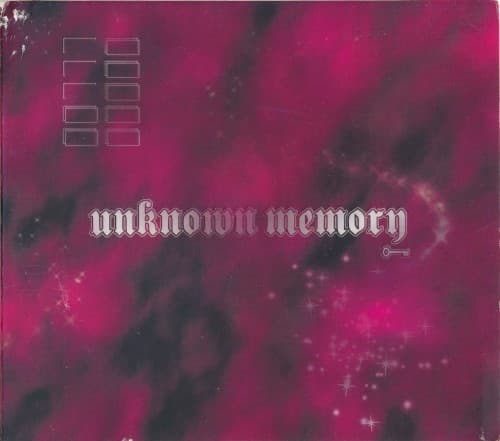
Start with Red Bottom Sky for the longest and most ambitious cut, Yellowman for the closing run and Agony for the clearest emotional statement. If you want the earlier version of the same artist, go back to Unknown Memory, which is the hazier, more stylized record that made the case for the sound. The album's best argument for itself is that the few moments where the detachment breaks are better than everything the detachment had produced before them.
Track by track
Track Listing
Muddy Sea
SolidA short opener produced by Yung Sherman that sets the downcast tone quickly. It is more mood than song, and it prepares the ground for the longer tracks that follow.
Red Bottom Sky
StandoutThe longest song in the first half at just over five minutes, produced by Gud. The extra time lets the production stretch, with slow, heavy synths and a vocal that sounds more strained than usual. It is the clearest early sign that this album is aiming for feeling rather than style, and it is one of the strongest cuts on the record. The lyrics remain impressionistic, but the mood is convincing, and the length is earned in a way that few of Lean's songs have been. A good place to begin.
Skimask
SolidA three-minute Gud production with a harder edge than the tracks around it. The beat is solid and the hook is catchy, but the verses stay close to the album's default cadence.
Silver Arrows
SolidGud and Whitearmor share the credit on a track with a cleaner, more melodic feel. It is a pleasant, well-built song that does not demand much attention, and it makes a good bridge between the album's heavier moments.
Metallic Intuition
SolidA Gud production that leans on cold, metallic textures and a steady tempo. The sound is distinct and the vocal is appropriately detached, though the writing does not give the title's promise much shape.
Push / Lost Weekend
SolidThe first of the slash-titled songs, short at under three minutes and produced by Gud. The two-part title suggests a shift, and the track has a loose, drifting quality, but it plays more like a sketch than a finished piece.
Salute / Pacman
SolidWhitearmor produces this slash-titled track, which has a lighter, more playful feel than much of the album. It is a small change of pace and one of the few moments where Lean sounds relaxed, but it does not add much to the emotional arc.
Drop It / Scooter
StandoutThe longest of the two-part songs at just over four minutes, produced by Gud and Whitearmor. The extra length gives the structure more room, and the track is one of the better arguments for the slash format. It is solid and well made without being a standout.
Hunting My Own Skin
StandoutGud and Whitearmor produce a darker track with a title that points toward self-destruction. The beat is moody and the vocal is more direct than usual, which makes it one of the more affecting songs in the second half of the record.
Iceman
SolidWhitearmor produces this compact three-minute cut with a cold, steady groove. The title is on-brand and the hook is clean, but the song does not develop far beyond its opening idea.
Snakeskin / Bullets
SolidA very short track, just over a minute, produced by Gud. It works as an interlude more than a song, and it gives the sequence a quick breath before the closing run.
Fallen Demon
StandoutYung Sherman produces this short track, which brings a rougher, heavier tone to the late stretch of the album. It is a small but effective step up in intensity before the final songs.
Agony
StandoutA Gud production that is one of the clearest emotional statements on the record. The pace is slow, the mood is bleak and the vocal sounds more exposed than elsewhere. The writing is still impressionistic, but the feeling is direct, and this is the sort of song that supports the idea that Lean's identity has shifted from borrowed to innate. It is the album at its most affecting and one of the best reasons to take the record seriously.
Yellowman
StandoutThe second-longest track on the record, produced by Gud and Yung Sherman, and the closing statement. The extra length lets the synths and the mood breathe, and the song brings the album to a quiet, reflective end that suits its tone. It is among the strongest cuts and a good reason to hear the album through to the end.
Frequently Asked Questions
Is Yung Lean's Stranger a good album?
Who produced Yung Lean's Stranger?
What are the best songs on Stranger?
Styles