The scorecard
6.7/10 · Good
- Writing25%
- 6.0
- Production25%
- 7.5
- Delivery15%
- 5.5
- Cohesion15%
- 7.0
- Originality10%
- 7.5
- Replay value10%
- 6.5
Lean builds a mood of boredom and alienation out of brand names and status signals, but the verses rarely rise above a handful of repeated images and sometimes sound rudimentary.
Yung Gud, Yung Sherman and Whitearmor pair soft synth washes with hard, clinical drums, and the same palette holds across nearly every track.
The sleepy, auto-tuned monotone is a distinct voice that fits the beats, but it barely changes between songs and wears thin over an hour.
Short interludes and an intro and outro frame the record neatly, and the mood never breaks, though a few middle tracks blur together.
A Swedish teenager rapping about boredom over ambient, game-like synths had few direct peers in 2014, and the album sharpened a lane that was fully his.
The textures and the best hooks reward headphone listening, but the vocals offer little new on later plays, so this is a projection for the sound more than the words.
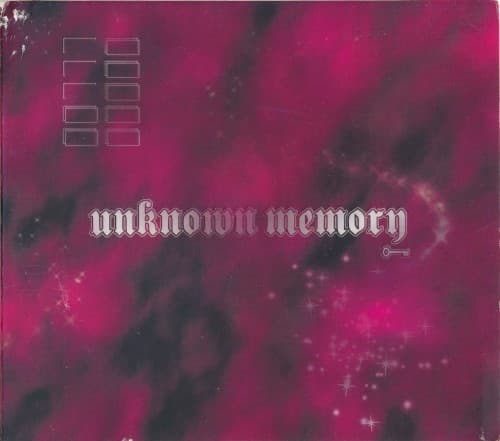
Yung Lean Unknown Memory: The Sound of a Feeling With No Story
Unknown Memory is a better record than the voice on it. That is the claim this review will defend, and it explains why the album split critics so sharply. Yung Lean raps in a drowsy, auto-tuned monotone about boredom, status and emptiness, and on paper that sounds like a one-joke act. What saves the record is the setting: Yung Gud's production wraps those vocals in a hazy, game-console glow that turns a limited rapper into the centerpiece of a convincing mood. The album does not tell stories. It builds a feeling and trusts the listener to supply the rest.
The context is the point. By the time of this debut studio album, Lean had already become a meme-adjacent curiosity from his earlier mixtape, and a lot of listeners had decided he was not to be taken seriously. Unknown Memory is the answer to that reputation. It scrubs away some of the amateur rough edges and doubles down on a cleaner, colder version of the same personality, which some reviewers found more serious and others found emptier. Both readings are fair. The album is more disciplined than what came before it, and it is less surprising too.
In terms of lineage, this belongs to the internet-born strand of rap that cares about atmosphere before lyricism, the strand that cloud rap had opened and that Lean's Sadboys crew pushed toward a distinctly European gloom. It borrows the vocabulary of American hip-hop, from luxury brands to money talk, but uses it as texture rather than narrative. That is a real idea, even if it is not always a rewarding one on repeat. The result is a flawed, strange and surprisingly confident debut that sounds like nothing else from 2014 and still sounds like itself today.
Laser-Sword Melancholia: Clinical Drums, Soft Synth Clouds
The production is where the album earns its reputation. Yung Gud handles most of the record, with Whitearmor and Yung Sherman credited on a handful of tracks, and the palette is strikingly consistent: warm, glassy synths floating over drums that are clean and almost mechanical. The press material described this as ominous synth clouds over clinical beats, and for once the marketing line is accurate. The contrast is the trick. The synths are tender and the drums are cold, and that tension gives Lean's deadpan voice something to push against.
The writing deals in introspection and ennui, but it expresses them through the language of rap itself. Brands, money and nightlife appear less as boasts than as signs of a numbness the narrator cannot shake. One critic noted how confessions of weariness slide straight into brags, and that is exactly the album's method. It works as a portrait of detached youth and fails whenever a verse needs a concrete image. Too many lines settle for a mood word where a specific detail would have landed harder.
Lean's delivery is the most divisive element. The auto-tuned drawl is instantly recognizable, and on the best songs it floats over the beat like another synth line. But he rarely changes tempo, pitch or attitude, and over thirteen tracks the sameness becomes a real weakness. Critics who disliked the record made this exact point, and they are not wrong that some of his flows are rudimentary. The beats do much of the work of keeping tracks distinct, which is a flattering way of saying the rapper himself does not.
The album's self-awareness helps. Lean acknowledges haters and imitators without getting defensive, and that confidence gives the record a quiet charm that a more anxious debut would lack. The few guest moments are carefully chosen, with Travis Scott appearing on the longest song, a pairing that places Lean next to a more commercially polished peer and shows how different the two approaches are. Overall, the sound is the achievement, the voice is the limitation, and the writing sits between them as pleasantly vague.
Short Songs, Long Fog: How the Record Moves
Unknown Memory is sequenced like a mood board rather than a story. It opens with a short, atmospheric intro, moves through a run of full songs, and drops tiny interludes at points where another artist might have put a skit. The structure is deliberate, and it keeps the record feeling like a single environment. At just over forty minutes, the length is also well judged. The album knows how little it has to say and stops before the sameness becomes punishing.
The early part of the record is its strongest stretch. The first few songs establish the palette, introduce the hooks and set the emotional temperature without any wasted motion. By the time the album reaches its center, the formula is clear, and a few tracks begin to blur together because the tempos, the vocal approach and the drum patterns do not vary much. This is the main sag, and it is a quiet one rather than a dramatic one. Nothing is bad, but several songs are interchangeable.
The back half recovers with a longer collaboration and a handful of songs where the synths get more prominent and the beats take small risks. The closing outro is a nice choice: it lets the record fade rather than end on a statement, which fits an album about drift. Anyone listening for peaks and valleys will find the dynamic range narrow. Anyone listening as a late-night headphone record will find the consistency is the whole appeal.
What the sequencing does best is manage expectations. The short tracks reset the ear, the long ones reward patience, and the whole album plays without ever demanding attention. It is easy to put on and hard to skip around in, which is not the usual way to build a rap album, but it is the right way to build this one.
A Debut That Beats Its Own Reputation
Unknown Memory is a good, distinctive debut with a real sound and real limits, and it deserves to be heard on its own terms rather than as a punchline. Because no other Yung Lean album is rated on this site yet, its place in his catalog cannot be ranked here. Against the wider genre, it lands in the good range: the production and the identity are strong enough to carry it, while the writing and the vocals keep it from going higher.
It is for listeners who value atmosphere, who like rap that sounds closer to ambient electronic music, and who are curious about how internet-era artists built a style out of boredom and brand names. It is also a useful record for anyone who wants to understand where the cloud-rap sound went after its first wave. Skip it if you listen to rap for lyrical density, for story or for technical range. The album offers none of that, and no amount of mood will cover the gap.
It has aged better as a sound than as a set of songs. The textures still feel unusual, and the album's willingness to be strange has made it a reference point for later artists in the same lane. The vocals are less convincing now than they were on release, partly because so many imitators have copied the drawl.
Start with Ghosttown for the Travis Scott collaboration, Yoshi City for the clearest expression of the game-like synth sound and Volt for the tightest production. If you want to hear where Lean went next, try his later full-length work, and for a comparison to the broader mood-first approach, the albums of the artists critics named alongside him, such as The Weeknd and Travis Scott, show how the same ideas sound with more polish. The best thing about this record is that it never pretends to be anything other than a feeling.
Track by track
Track Listing
Intro/Blommer
SolidA short, glassy opener from Yung Gud that sets the palette. It works as a scene-setter more than a song.
Blinded
StandoutA four-minute Yung Gud production that establishes the album's formula: soft synths, cold drums and a drowsy vocal. The hook is memorable and the mood is complete, which makes it a strong early statement. It also shows the limits of Lean's voice, as the verses stay on one pitch and one idea, but the beat is strong enough to carry them.
Sunrise Angel
StandoutWhitearmor produces this shorter track, which leans into a brighter, dreamier register than the songs around it. It is a pleasant change of tone and one of the more melodic moments on the record.
Yoshi City
StandoutThe most game-world track on the album, produced by Yung Gud, and the clearest example of the video-game-and-internet aesthetic that critics singled out. The synth line is playful and slightly eerie, and Lean's flat delivery against it feels deliberate rather than limited. It is a strong candidate for the best introduction to his sound, and the title alone explains the world he is building. The writing is thin, but the world-building makes up for it.
Icecoldsmoke
SolidA short, hazy Yung Gud cut under two minutes. It is more a sketch than a song, but it keeps the mood moving.
Dogwalk
SolidA little over a minute long and labeled an intermission on the credits. It is atmosphere, not content, and it is filler in the best sense.
Don’t Go
StandoutYung Sherman produces this track, which leans on a melodic hook and a more direct emotional tone. Lean sounds more vulnerable here than elsewhere, and it is one of the few places where the sadness feels aimed at someone rather than at nothing.
Ghosttown
StandoutThe longest song on the record and the only guest feature, with Travis Scott joining over a Yung Gud beat. The extra length lets the track breathe, and Scott's presence adds a more polished, melodic contrast to Lean's blank delivery. It is one of the album's central pieces, even if it loses a little momentum in its final minute. The pairing also shows how the album sits between underground oddity and mainstream rap.
Monster
SolidA Yung Sherman production with a darker, heavier feel. The beat is the draw, and the vocal follows the template without adding much.
Volt
StandoutWhitearmor and Yung Gud share the credit on a fast, tight track that is among the best-built beats on the album. It is concise and well arranged, and the hook sticks. A highlight for production more than for writing.
Leanworld
SolidWhitearmor produces this self-referential track about Lean's own universe. The idea is on-brand and the beat is warm, but the verses lean on the same images as the rest of the album, so it feels more like a signature than a surprise.
Sandman
SolidA short Yung Sherman production near the end of the record. It brings the mood down gently and keeps the late-night feeling intact, though it does not add anything new.
Outro/Väntar
StandoutA longer closing piece produced by Yung Gud that lets the album drift out rather than finish with a statement. It suits the mood, and it gives the record a quiet, unresolved ending.
Frequently Asked Questions
Is Yung Lean's Unknown Memory worth listening to?
Who produced Unknown Memory?
Does Unknown Memory have any guest artists?
Styles