Style & Context
Influences
Gordon Parks, Jamel Shabazz, post-industrial urban documentation
Location
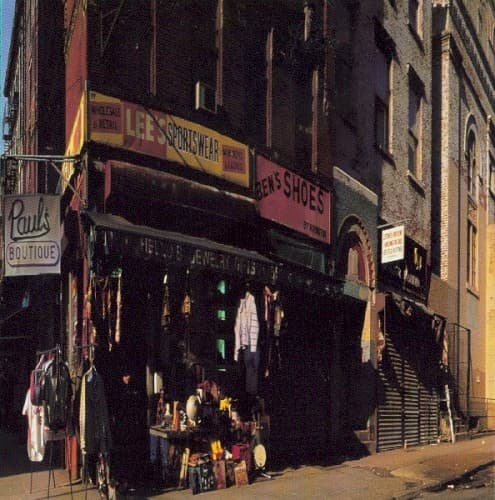
The architectural decay reflects Brooklyn neighborhoods where bodega culture confronts venture capital's reshaping of urban space.
Visual Language
The unvarnished approach captures Brooklyn's transformation zones where luxury condos rise beside buildings awaiting demolition.
Symbols
Improvised shrine structure
The makeshift religious icon in the doorway represents spiritual persistence in spaces capitalism has marked for demolition.
Address number 1654
The visible street number anchors this scene in real geography, refusing to let gentrification erase the neighborhood's documentary truth.
Chain-link fencing
The metal barriers symbolize the barriers between communities and the capital redevelopment that displaces them.
Where Sound Meets Image
The visual's raw texture matches Armand Hammer's dense, industrial production and billy woods' unflinching narratives about survival under surveillance capitalism. The duo's abstract approach to storytelling finds its visual counterpart in this unstaged documentation of urban margins. The diabetic test strips title becomes literal—bodies commodified, healthcare privatized, neighborhoods extracted for value—themes the album explores through claustrophobic beats and fragmented observations about American precarity.
This cover rejects hip-hop's luxury aesthetics for documentary truth-telling, continuing a tradition from Mobb Deep's Queensbridge images to Ka's Brownsville portraits. The storefront composition influences how experimental rap visualizes gentrification's violence. Its refusal to beautify poverty sets a standard for artists addressing displacement without exploitation or poverty tourism.