The scorecard
6.9/10 · Good
- Writing25%
- 6.5
- Production25%
- 7.5
- Delivery15%
- 7.5
- Cohesion15%
- 6.5
- Originality10%
- 6.5
- Replay value10%
- 6.5
Money, status and the oddness of arriving are fair subjects, but the verses mostly state them and rarely find a specific image to hang them on.
The mix has real punch and polish and the bass hits hard, but the glossy finish sands away some of the loose, dusty warmth of his earlier records.
He pushes his voice harder and cleaner than before and rides the heavier drums well, even when the material under him is thin.
Moods swing between party, grievance and gospel without a clear thread, and the two bonus tracks at the end read as leftovers.
Pushing his sound toward a bigger, harder rap record is a real change of direction, but the results echo familiar Aftermath-style polish more than they invent.
A few songs are strong enough to survive any playlist, though the long guest list and the uneven sequence make the album as a whole less rewarding to revisit.
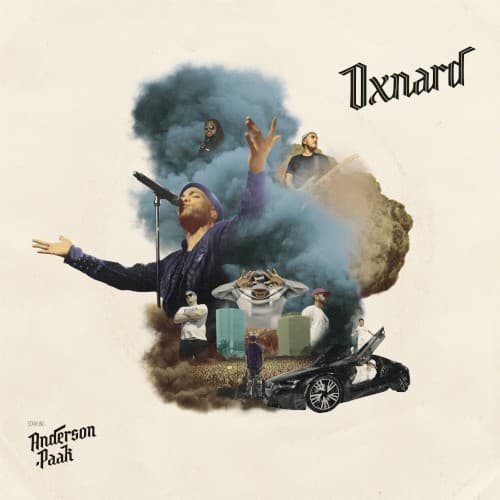
Anderson .Paak Oxnard: A Bigger Sound With a Smaller Soul
Oxnard is a louder, glossier and more crowded record than anything Anderson .Paak had made before, and the question it raises is whether the extra volume bought him anything he needed. The answer is mixed. The album contains several of the hardest-hitting songs of his career, and it shows that he can handle a rap record built on heavy drums and an A-list guest roster. It also shows how much of his earlier appeal lived in the looseness and warmth that this version of his sound trims away.
The thesis is simple: Oxnard is a promising pivot that is better as a set of songs than as an album. It is the work of an artist stepping into a larger arena and trying to meet it on its own terms, and it lands a handful of excellent songs. But the sequence is scattered, the writing is thinner than the sound, and the guest list sometimes does the thinking for the record. It is a good album, not a great one.
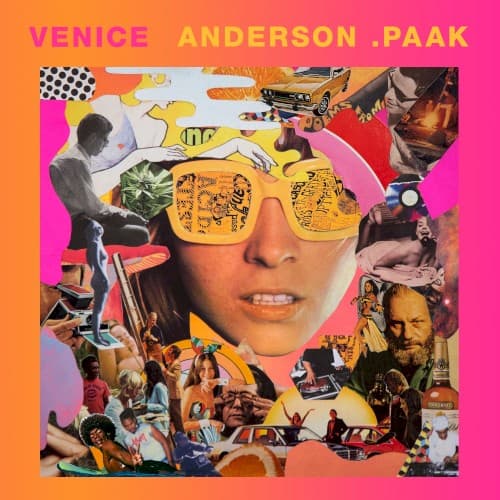
The background shapes the listen. This was his first release through Aftermath and 12Tone, it closes the beach-named series that began with Venice and Malibu, and Dr. Dre is credited as executive producer, with a hand in the mix. That final role is audible. The drums are bigger, the low end is firmer and the whole record has a finish that comes from a very particular school of Los Angeles studio craft. Critics at the time were split on whether that polish was a gift or a cost.
Set against the West Coast tradition, Oxnard is the point where .Paak steps out of the soul-and-funk lineage and toward the heavier, cleaner sound that Dre helped define. It is a bold move and an understandable one, but the move is only half-committed. The record wants to be both a rap statement and a party album, and it does not quite choose. For listeners who loved Anderson .Paak for the warmth of Malibu, this will feel like a step sideways. For listeners who want him to hit harder, it is a step forward.
Hard Drums, Wide Guest List, Shallow Pockets
The strongest thing about Oxnard is its physical impact. The drums are heavier than on his previous albums, the bass is thick and the mix is clean enough to show off every detail. A handful of producers share credits, including Dr. Dre, 9th Wonder, Dem Jointz and several members of his own circle, and the best songs have a swing and bounce that make the production feel built for speakers. Tints and Who R U? show the new direction at its most effective, one with a sleek, danceable groove and the other with a hard, driving rhythm that suits his voice.
His delivery has changed to match. He leans on a harder, more rhythmic style of rapping and pushes his voice to a cleaner, more forceful register, and he is convincing in it. He can still bend a phrase into a melody when he needs to, and the best hooks are as sticky as anything he has done. But some of the looseness is gone. A voice that used to sound like it was wandering across the beat now sounds like it is marching on top of it, and that is a trade-off that not everyone will accept.
The guest list is long and impressive, with verses from Kendrick Lamar, Pusha T, J. Cole, Q-Tip and Snoop Dogg, among others, along with Dre himself. Some of those guests earn their place. Pusha T's appearance has a bite that suits the song, and the best collaborations feel like conversations. Others feel more like checklist entries. A few of the guest spots, particularly the more nostalgic ones, add a layer of West Coast reference that is pleasant but unsurprising. The star power helps with attention and does less for depth.
The weakest part is the writing. The record's main subject is the experience of making it, with money and status as recurring themes, and the verses tend to describe that experience rather than dramatize it. There are good one-liners and some witty moments, but few passages that create an image the listener will remember. One critic observed that the album is better at joy and aggression than at luxuriating in grooves, which captures the shift: this is a record more interested in impact than in atmosphere.
The last problem is focus. The album is built around a mixture of party songs, grievance songs and gospel-tinged moments, and the connections between them are not always clear. Some songs feel like they are going somewhere and then stop. It is an impressive display of range, but range without a shape can feel like indecision.
Fourteen Songs, Three Moods, One Weak Landing
Oxnard starts with a short, theatrical opening and moves quickly into a run of songs that set its terms: heavy beats, big hooks and a lot of confidence. The first third is the most convincing stretch. The singles arrive early, the guest list begins to appear and the energy is high. The record seems to know exactly what it wants to be, and the opening sequence is effective in establishing a harder, brighter version of his sound.
The middle becomes more uneven. The tone shifts from party to protest to introspection without a clear logic, and some songs overstay their welcome while others end just as they begin to develop. A few tracks carry ideas that deserve more space, and a few carry ideas that deserve less. The sequencing does not do much to help, and the energy of the early songs is not always sustained.
The back half recovers some ground with a few of the album's most atmospheric and emotionally open moments, including the long, reflective stretch near the end of the main tracklist. But the album then adds two bonus tracks after what feels like a natural stopping point, and they dilute the ending. They are not bad songs, but they arrive after the record has already landed, and they read as leftovers rather than as a final statement.
The length, a little under an hour, is about right on paper but heavy in practice, because the guest-heavy structure means the album keeps changing voices and moods. A tighter edit that kept the best songs and trimmed the filler would be a better argument. The sequencing is the clearest sign that the album was assembled as much as it was composed, and that is the main reason it feels less unified than its predecessors.
A Louder Record That Needed a Firmer Hand
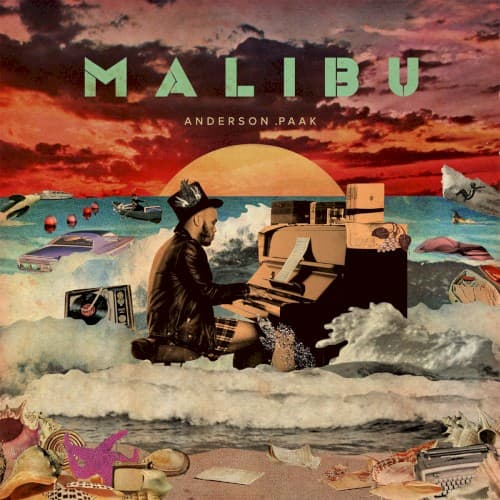
No other albums by .Paak are rated on the site yet, so there is no formal catalog order to defend, but the comparison with the earlier beach-series records is hard to avoid. Oxnard sits below Malibu, which has a stronger identity and a warmer sound, and probably near Venice in overall quality, though it is a very different kind of record. It is a good album with real highs, and it ranks as a transitional step in his catalog, not a peak.
It is for listeners who like their soul-rap loud, polished and guest-heavy, and for anyone who wants to hear what Aftermath-era .Paak sounds like at full volume. It is also a good fit for fans of West Coast studio craft who care about a mix with real punch. Listeners who prefer the loose, dusty warmth of his earlier work, or who want tight sequencing and sharp lyricism, may want to skip it.
It has aged reasonably well. The best songs have lost nothing, and the production still sounds expensive. But the album's flaws, the scattered sequence and the thin writing, are more apparent in hindsight, especially since the follow-up showed a very different approach to the same material.
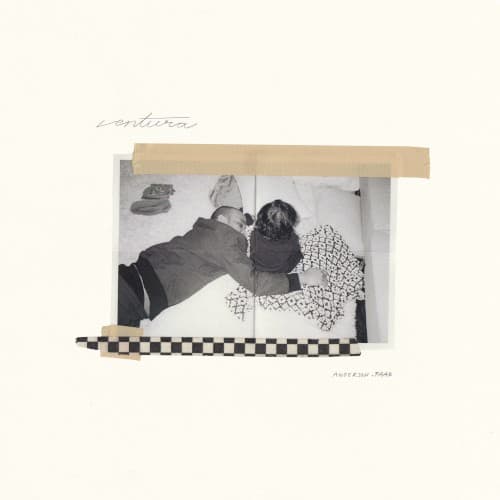
If you only have time for a few songs, start with Tints, Who R U? and Brother's Keeper. They show the record at its most focused: a bright, danceable hit, a hard, driving cut and a more soulful track with a strong guest verse. For what to hear next, go to Malibu for the sound that this album moves away from, or to Ventura for the rebalanced version that followed. Oxnard is the sound of an artist testing how loud he can get, and the result is impressive in the moment and a little hollow once it ends.
Track by track
Track Listing
The Chase
SolidA short, theatrical opening with Kadhja Bonet that sets a dramatic mood and a slightly mysterious tone. It works as an introduction and not much else.
Headlow
SolidA smooth, melodic track with Norelle, built on a laid-back groove and a soft vocal turn. It is pleasant and polished, and it eases the listener in, though it is more of a mood piece than a memorable song.
Tints
StandoutThe lead single and one of the album's best songs, with Kendrick Lamar as the guest. The groove is sleek and instantly catchy, the hook is simple and bright, and the mix has a snap that shows off the album's new polish. .Paak's performance is relaxed and confident, and Lamar's verse adds a sharper edge that gives the song an extra gear. It is also a good example of how a pop-leaning song can still feel natural. The writing is not deep, but the song does not need it: the pleasure is in the rhythm, the production and the interplay between the two voices. It is an easy first listen.
Who R U?
StandoutA hard, driving second single with a firm, minimal groove and a punchy vocal. It leans into the album's heavier direction and gives .Paak's voice a harder frame than usual. The production, with Dr. Dre among the credited names, is tight and effective, and the song is among the strongest examples of the new sound. It is short, sharp and well-made.
6 Summers
SolidA loose, chant-like party song with a political twist and a cheeky tone. It is fun, but critics noted that it sways without a clear destination, and that is fair: the energy is high but the direction is vague.
Saviers Road
StandoutA short, soulful cut produced by 9th Wonder that brings back some of the warmth of his earlier records. It is compact and effective, and it is one of the more relaxed moments on the album.
Smile / Petty
SolidA two-part song with Sonyae Elise that moves from a sweet, melodic first half to a more pointed second half. The structure is interesting and the vocal blend is smooth, though the song takes a while to find its focus.
Mansa Musa
StandoutA brash, boastful track about wealth, with Dr. Dre and Cocoa Sarai as guests. The beat is big and the attitude is playful, and the song captures the album's theme of success in a compact form. It is entertaining and memorable, though the writing leans on spectacle more than detail.
Brother’s Keeper
StandoutOne of the album's most compelling songs, built on psychedelic guitars and gospel-style uplift, with Pusha T delivering a hard, biting verse. The contrast between the lush, warm arrangement and the sharp rap guest is the best example of the record's hybrid ambitions. .Paak sounds fully engaged, the hook is strong and the mix lets the guitar and the voices breathe. It is the track where the soul and rap sides of the record meet most naturally, and it is among the first places to start.
Anywhere
SolidA sunny West Coast feel-good track with Snoop Dogg and the Last Artful, Dodgr. The mood is easygoing and the hook is friendly, but the song leans on familiar reference points and plays it safe. It is enjoyable and a little obvious.
Trippy
SolidA long, hazy track with J. Cole, built around a smooth, spacey groove. The two voices sit well together, and the mood is relaxed and reflective, though the song stretches a little past what its ideas can sustain.
Cheers
StandoutThe longest song on the main tracklist and an emotional centerpiece, with Q-Tip as the guest. It is a reflective, toast-like closer that slows the album down and finds a more open, vulnerable tone than most of what comes before it. The arrangement is warm and the vocals are heartfelt, and it gives the record the sense of arrival that it has been circling. It is a bit long, but it is one of the album's most affecting moments and a natural place for the record to end.
Sweet Chick
SolidA bonus track with BJ the Chicago Kid that is smooth and pleasant but feels like an afterthought following the emotional landing of the previous song.
Left to Right
WeakA second bonus cut with a looser, more playful feel. It is energetic enough but it arrives after the album has already ended, and it reads as filler.