The scorecard
6.9/10 · Good
- Writing25%
- 7.0
- Production25%
- 7.5
- Delivery15%
- 7.0
- Cohesion15%
- 6.5
- Originality10%
- 6.0
- Replay value10%
- 6.5
Sincere writing about Southern identity, faith and the pressure of a major-label arrival, with understated sociopolitical angles, though it sometimes restates a point instead of deepening it.
Big K.R.I.T. produced every track, and the heavy low end, loose drums and soul-flavored keys stay consistent across sixteen songs and multiple guests.
A precise, commanding drawl that moves between a sung hook and a quick flow, with well-chosen veterans like Bun B and Devin the Dude.
The intro, title track and reprise give the album a frame, but the soul and pop experiments in the second half loosen the focus.
A traditionalist Southern sound with a personal voice, though the most ambitious crossover moves are the least convincing.
As a projection, the production and the strongest anthems will keep rewarding replays, while the pop experiments may date faster.
Big K.R.I.T. Live From the Underground: A Southern Debut That Kept Its Accent
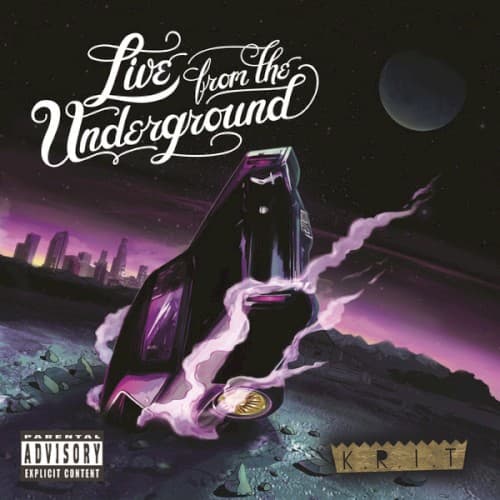
Live From the Underground is a major-label debut that spends half its length proving Big K.R.I.T. has not changed and the other half proving he can. He produced every track himself, and the difference shows: this is a producer building beats around his own voice rather than a rapper shopping for hits. The bass is Southern-heavy, the drums have swing, and the hooks are written to be sung out of a car window with the speakers turned up.
The thesis is that this record is better at being Southern than at being a debut. The first half sells a traditionalist, bluesy sound with a crowd-friendly bounce, and it does so with enough conviction to make most of the era's club rap sound disposable. The second half reaches for gospel, soul and pop experiments that widen the palette and loosen the focus. That is less a flaw than a trade, but it explains why the album is admired more than it is loved.
Critics were warm. The Metacritic average of 78 across twenty-three reviews reflects a consensus that the album kept the grounded sound of his mixtapes while giving it a bigger room, and one reviewer called it the best distillation of the South since OutKast's peak. That is generous, because the record is more consistent than it is daring in any single direction, but it is accurate about the sound's roots. It debuted at number five on the Billboard 200 with 41,000 copies in its first week.
The album matters because of what it had to do. A rapper who built a following on free tapes had to bring that sound to a label that wanted singles, and four were issued. The surprise is how little the compromise shows. Most of the guests come from the Southern lineage rather than the pop charts, with 8Ball & MJG and Bun B among them, and the production keeps its own terms even when the song structures turn toward radio. The result is a debut that sounds less like a pitch and more like a statement of where the sound came from.
A Planned Album in a Playlist Era
As a sequence, the album is built like a record from an earlier era. It opens with a short intro, builds to a title track that states the thesis, and moves through a run of singles and Southern anthems before the mood softens and the guests get more soulful. That arc is a strength: the record feels planned, and the early songs establish a pace that the later ones can bend without breaking. The sequencing is clearly the work of someone thinking in terms of an album rather than a playlist, which in the streaming era is itself a mild act of resistance.
The peak is the front half, where the bass is heaviest and the singles carry the momentum. The songs share a tempo but not a hook, and each one gives the listener a different reason to turn up the volume. The sag comes after the middle, when the sequence leans on mid-tempo soul songs and collaborations that are pleasant but less urgent. The album never collapses, because the production keeps a steady hand, but the energy that the early songs built is never quite recovered in the same form.
The length is mostly earned. At roughly fifty-eight minutes across sixteen tracks, the record is long for a debut, and one or two songs could have been trimmed without loss. The closing stretch, with its gospel-inflected finale, is a deliberate attempt at a bigger ending, and it works better as ambition than as payoff. The reprise of the opening idea at the end gives the album a frame, and it is the one moment where the listener feels the full shape of the record, even if the closing song runs a little longer than its idea needs. The album would hit harder at fifty minutes, but its pacing is better than most debuts.
A Confident Debut That Plays It Safe
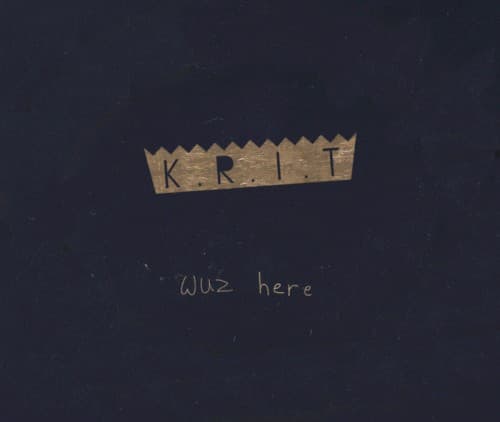
Among Big K.R.I.T.'s releases, Live From the Underground is the polished debut, the record where the mixtape sound meets a major-label budget and holds. No other K.R.I.T. albums are rated on the site yet, so its place in the catalog is provisional, but the order is deliberate: it sits slightly above the mixtape K.R.I.T. Wuz Here for its cleaner production and stronger structure, and below Cadillactica, which pushes the ambition further and takes more risks that pay off. This album is consistent where the later one is bold.
It is for listeners who want Southern rap with a soulful, traditional streak and a rapper who writes with conviction, and for anyone who wants a gateway into K.R.I.T.'s work. The consensus of reviewers was that it works as an easy introduction and a crowd-pleaser without a sell-out aftertaste, and that is fair. Skip it if you want a record that takes big stylistic swings or a lyrical deep dive, because the album stays comfortably within its lane and does not go as deep as it could.
Start with Money on the Floor for the club-friendly side, Cool 2 Be Southern for the thesis in song form, and Hydroplaning for the loose, easygoing chemistry with Devin the Dude. If those work, the rest of the record will too. For the next listen, go to Cadillactica, where the same voice has a bigger palette and a clearer concept, and to K.R.I.T. Wuz Here for the earlier mixtape, where the sound is rawer and more patient.
The album has aged well because its sound was never chasing a trend, and the major-label polish helps it sit alongside any of its peers without sounding dated. The most specific thing to say about it is that a debut this confident, made by a producer who handled every beat, is more impressive for what it refuses to change than for what it adds.
Track by track
Track Listing
LFU300MA (intro)
SolidA short intro at barely over two minutes that sets the tone and the album's sci-fi framing. It works as a mood-setter rather than a song, and it is brief enough not to slow the start.
Live From the Underground
StandoutThe title track states the album's thesis: a heavy beat, a confident drawl and a sense of a rapper arriving from outside the mainstream. It is a strong early statement, and the production sets the standard for the rest of the record, even if the writing is more about stance than detail. The drums arrive heavy, the hook is sung rather than shouted, and the rapper sounds like he is introducing himself to a bigger crowd without changing his accent.
Cool 2 Be Southern
StandoutA pride anthem built around the album's central idea of regional identity, with a heavy, bouncing beat. It is the record's most direct thesis in song form, and the confidence in the delivery sells it, though the sentiment is familiar.
I Got This
StandoutOne of the four singles, and a song about the arrival of a rapper in a bigger industry. The beat is heavy and the delivery is assured, and it handles the major-label theme without sounding smug.
Money on the Floor
StandoutA single with 8Ball & MJG and 2 Chainz, and the album's most direct bid for the club. The beat is built for a crowd and the guests fit the Southern mood, though the song is more about energy than ideas. It is the right track for the radio side of the album, and a good case that K.R.I.T. can write a hit without changing his sound.
What U Mean
SolidLudacris joins for another single, with a bright, bouncing beat and a confident hook. It is polished and effective, but it sits closer to the radio than the rest of the first half.
My Sub, Part 2: The Jackin'
StandoutA bass-focused track that fits the Southern car-culture tradition, with heavy low end at its center. It is well built and fits the album's identity, a nod to the car-and-speaker culture that shaped Southern rap, though the concept does not develop beyond the groove. The low end is the star, and the verses mostly exist to frame it.
Don't Let Me Down
SolidA shorter, slightly more vulnerable song at under three minutes. It adds a note of doubt to the record, and it is one of the more direct bits of writing on the album. The shorter length keeps the sentiment from being overplayed, and it gives the sequence a quiet beat between louder songs.
Porchlight
StandoutAnthony Hamilton brings a soulful hook to a mellow, warm track. The guest fits the mood and the arrangement is gentle, though it leans more on atmosphere than on a standout verse.
Pull Up
StandoutBig Sant and Bun B join a heavier, more traditional Southern track. Bun B's presence connects the album to the lineage it wants to honor, and the beat has a pleasing swing, though the song is more about the guests than about K.R.I.T.
Yeah Dat's Me
SolidA single that returns to the confident, anthemic side of the record. The beat is strong and the hook is simple, and it reads as a deliberate reminder of the album's identity after the softer middle. It is more effective as a mood than as a lyric, and it is easy to see why it was chosen as a single.
Hydroplaning
StandoutDevin the Dude is the perfect guest for a loose, easygoing track with a relaxed groove. The chemistry is natural and the beat is smooth, and it is one of the album's most charming moments.
If I Fall
SolidMelanie Fiona sings on one of the album's pop experiments. It is polished and emotional, and Melanie Fiona's voice gives the chorus real lift, though it leans on the guest's hook and loses some of the grit that defines the first half. This is the clearest example of the pop-leaning side of the album.
Rich Dad, Poor Dad
StandoutA short, reflective track with a social bent about wealth and upbringing. It is concise and pointed, and it gives the late album a welcome dose of specificity. The title frames the idea in a single contrast, and the compact runtime keeps it from lecturing.
Praying Man
SolidB.B. King appears on a gospel-tinged song that reaches for the blues lineage behind the record. It is an ambitious choice, and the guest adds weight, though it is also the album's clearest reach beyond its natural sound.
Live From the Underground (reprise)
SolidThe closer, at nearly five minutes, brings back the title idea and features Ms. Linnie. It frames the album neatly, but it runs longer than its idea requires and closes more with ceremony than with a punch.
Frequently Asked Questions
Did Big K.R.I.T. produce all of Live From the Underground?
What are the singles from Live From the Underground?
How did Live From the Underground do on the charts?
Genres
Styles