The scorecard
7.3/10 · Good
- Writing25%
- 7.5
- Production25%
- 8.0
- Delivery15%
- 7.0
- Cohesion15%
- 6.5
- Originality10%
- 6.5
- Replay value10%
- 7.5
Hometown pride, faith and the come-up are written with a storyteller's patience, though the same worn themes repeat across fifteen songs.
All songs are credited to K.R.I.T. as writer and composer, and the loose, bass-forward soul-flavored sound is warm, heavy and consistent from start to finish.
A flexible Southern drawl that stretches over slow beats and tightens when needed, with hooks that carry a gospel tilt.
The mood holds together, but the middle stretch around the longest song shares a tempo and a temperature, and a few short tracks feel like sketches.
A distinct, unhurried Southern voice that keeps the soul-and-bass tradition personal, though it works within a familiar mixtape format.
The warm sound ages well because it was never chasing a trend, and the best songs reward repeat listens.
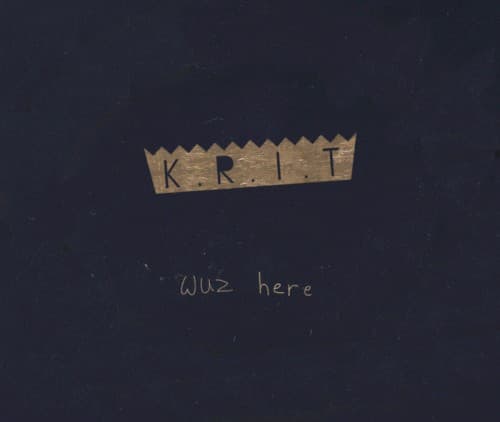
Big K.R.I.T. K.R.I.T. Wuz Here: A Southern Mixtape in No Hurry
K.R.I.T. Wuz Here sounds like a Southern record that refuses to apologize for being slow. The bass sits low in the chest, the drums knock with the patience of a Sunday service, and the voice on top is a drawl that treats every bar like a porch conversation rather than a performance. That posture, unhurried and unbothered, is the whole appeal, and it is why a mixtape from 2010 still sounds like a statement and not a stopgap.
The argument of this record is that Southern rap never had to choose between the club and the church, and Big K.R.I.T. proves it more convincingly here than anyone should expect from a sixth mixtape. It is soulful without being nostalgic, and heavy without being dumb. Its weakness is structural: this is a mixtape, loose and generous and slightly uneven, with a few songs that read as sketches next to the best ones.
A little context is useful. All songs are credited to Big K.R.I.T. as writer and composer, and the guests are chosen like a cookout guest list, friends rather than stars: Big Sant on the opener, Curren$y and Wiz Khalifa on Glass House, Smoke DZA and Curren$y again on No Wheaties, and Devin the Dude on Moon & Stars. None of them overshadows the host, and that restraint shapes everything about how the tape plays.
That restraint is the point. The record works because it keeps the camera on one man's voice and one man's sound, and because that sound moves in a way that is recognizably Southern: slow-rolling, bass-forward, soaked in live-sounding instrumentation and hooks with a gospel tilt. Where much of the period's regional rap chased the next dance step, this chases a mood, the feeling of sitting in a parked car at night with the windows down and the speakers doing the talking. It is a mood record by a rapper with enough pen to justify the mood.
Bass in the Chest, Soul in the Drums, a Drawl in No Rush
The production carries the album, and it carries it by taste rather than by flash. The drums are heavy and slightly loose, the way a good Southern kick sits behind the beat instead of on top of it, and the melodic material leans on warm, soul-flavored textures that keep the low end from turning into mere noise. The bass is felt in the chest rather than heard in the ears, which is exactly what a trunk-ready record should do. What separates it from a pure throwback is that the sound is mixed to bang: there is grit on the drums and a dusty sheen on the keys, and the two never fight each other. The tape sounds homemade in the best sense of the word, as if every sound was chosen by one person with one idea.
The writing is plain-spoken and proud. The song titles tell you the territory: hometown pride, rising out of a small place, faith and struggle sitting side by side, and the blunt confidence of a rapper who expects to be heard eventually. K.R.I.T. writes with a storyteller's patience rather than a punchline hunter's speed, and the best verses build a scene before they make a point. He is more interested in weight than in wordplay, and the bars land because they sound lived-in rather than clever. That choice has a price: the vocabulary of the come-up, the grind and the doubters repeats across the tape, and a listener who wants new angles on those themes will find the same few worn paths.
His delivery is the other pillar. The drawl is flexible, stretching lines across a slow beat and then tightening into a double-time burst when a verse needs urgency, and the hooks lean on a sing-song croon that sounds a little like church. It is a warm voice, and it makes the slower songs work. The guests are comfortable rather than challenging. Curren$y and Wiz Khalifa bring a relaxed, laid-back energy that fits the mood perfectly and also means the guest slots rarely push the host harder than he pushes himself. Devin the Dude is the most natural fit, a veteran of the same patient Southern school.
The concrete weaknesses are those of the format. The tape is generous to a fault, and several songs run on a single groove without a real change of pace. The hooks, though warm, are often simple, and a few songs rely on atmosphere to cover for the absence of a standout line. The shortest tracks feel like sketches rather than finished songs, and the mixing is occasionally rougher than a polished studio album would allow. These are mixtape problems, and they are forgivable, but a tighter sequence would have made the strong songs stronger.
A Long Drive With a Slow Middle Lane
Played front to back, the tape moves like a long drive down a Southern highway: a confident start, a few quick exits, and a slow, thoughtful stretch where the road narrows and the speakers get quieter. The first third sets the identity. The opening song declares the mood, and the next few songs build the sound with a steady, heavy bounce that never rushes. Then the short bursts arrive, two songs that run well under three minutes and act like a shot of adrenaline before the tape settles back into its pace. They are the best proof that this sound can tighten up when it wants to.
The middle is the soft spot. The tape's longest song, close to five minutes, sits near the center and stretches a simple groove past the point where it can sustain interest, while the songs around it share a tempo and a tone so closely that the transitions barely register. This is where a stricter sequence would have helped. The warm sound is a strength, but most of an hour at the same temperature wears on the listener, and the tape dips whenever a song leans on mood without a line or a hook to anchor it.
The late stretch recovers. The pace slows deliberately, the writing gets more reflective, and the guest slot from Devin the Dude brings a looseness that the earlier part of the record lacked. The closer, Gumpshun, ends the tape without a bang, and the whole sequence runs a little over fifty minutes, which is the right size for the material. Viktorious, early in the sequence, shows what a tighter record would sound like. The length is earned on the whole, because the slow movements pay off the patience they ask for, but the middle could lose a track and gain a clearer shape.
The Patient Tape That Explained Big K.R.I.T.
Among Big K.R.I.T.'s releases, K.R.I.T. Wuz Here is the raw, unfiltered one, the tape that explains why people paid attention before the major-label albums arrived. No other K.R.I.T. releases are rated on the site yet, so its place in the catalog is provisional, but it should be judged as a mixtape: looser than a studio album, warmer than most, and a stronger statement of identity than its loose structure suggests. It scores in the good-to-great range because the production and voice are consistently strong, and it stops short of essential because the sequencing and the thin hooks keep it from becoming a record you can play without skipping.
It is for listeners who like Southern rap with a soul-and-church streak, for anyone who wants to understand how a regional sound can carry a personal voice, and for fans of Curren$y, Devin the Dude and the patient side of the genre. Skip it if you want dense wordplay, fast flows or modern club production, because the tape moves at its own tempo and does not apologize for it.
Start with Return of Forever to hear the posture, Glass House for the easy chemistry between K.R.I.T., Curren$y and Wiz Khalifa, and Moon & Stars for the late-night mood with Devin the Dude. Those three songs tell you whether the whole tape will work for you. For the next listen, go to Live From the Underground, his debut studio album, to hear the same voice with a major-label budget, and then to Cadillactica for the version where the soul and the ambition catch up with each other.
The tape has aged well because its sound was never chasing a trend. The most specific thing to say about it is that a record this patient, released as a mixtape, still sounds more confident than many studio albums of its era.
Track by track
Track Listing
Return of Forever
StandoutBig Sant joins on an opener that announces the tape's posture: bass in the chest, a drawl that takes its time and a hook with a gospel lean. It is a statement of intent rather than a showpiece, and it sets the mood for everything that follows. The verse writing is more about stance than detail, but the sound is so well established that the stance carries it.
Country Shit
StandoutA short, defiant celebration of where K.R.I.T. comes from, at just over three minutes. The attitude is the draw, and the beat gives it a bounce that fits the title. It is more manifesto than song, and it works because the confidence is real.
Just Touched Down
SolidA homecoming-style track with a relaxed bounce and an easy, welcoming hook. It is warm and pleasant, and the easy bounce makes it a natural early-sequence song, but it adds another coat of the same color rather than a new idea. At nearly four minutes it is slightly longer than the groove needs.
Hometown Hero
StandoutA pride anthem with a patient pace and a hook meant to be sung back. It fits the tape's theme of rising from a small place, and it is one of the better examples of K.R.I.T.'s earnest storytelling, even if the image of the underdog is familiar.
Viktorious
StandoutAt barely over two minutes, this is one of the shortest songs, and it hits like a shot of adrenaline. It tightens up the tempo and gets out before it can repeat itself.
See Me on Top
StandoutAnother short, energetic song under three minutes, built on ambition and a brisk pace. It is a good example of how the tape can sound its sharpest when it stays brief.
Glass House
StandoutCurren$y and Wiz Khalifa join K.R.I.T. on a song whose relaxed chemistry is its main strength. The guests bring an easy, laid-back flow that matches the mood, and the three voices trade off without crowding each other. It is the tape's most natural guest moment and an easy place to start, although the song prefers vibe to development.
Children of the World
StandoutThe title signals a wider lens than the tape's hometown focus, and the song gives K.R.I.T. room to be reflective. It is one of the more serious moments, and the slower pace suits the subject. The drums stay heavy, but the writing turns outward, which gives the middle of the tape a needed change of focus.
They Got Us
SolidA pointed, slightly more aggressive track about being boxed in. The delivery tightens and gains some urgency, but the hook is plain, and the song relies more on mood than on a standout line. It is a solid middle-of-the-tape track rather than a highlight.
Good Enough
SolidOne of the longer songs, at nearly four minutes, with a reflective tone that asks whether effort has been enough. It is sincere and well-paced, though it runs on a single idea.
No Wheaties
SolidSmoke DZA and Curren$y join in on a looser, bragging track that is more about swagger than substance. The energy is relaxed, and the chemistry is easy, but it is a lighter moment than the best songs.
Something
SolidThe longest track on the tape, close to five minutes, and the one that most needs its length to earn its place. It is patient and slightly hypnotic, and it benefits from a late-night mood that rewards a slower listen. The drawback is that the groove asks for more patience than the writing repays, and the song sits as a lull at the center of the sequence.
Moon & Stars
StandoutDevin the Dude is the right guest for this late-night song, a veteran of the same patient Southern school with a loose, conversational style. The pairing is the tape's warmest moment, and the beat lets both rappers settle into a mood rather than a performance. It is one of the clearest arguments for the record's style and a good place to hear K.R.I.T. relaxed.
Neva Go Back
StandoutThe title reads as a vow, and the song delivers a determined, forward-looking tone. It is a strong, steady track that fits the tape's underdog theme, though it does not add much that earlier songs had not already said. The slow pace gives the verses room to breathe, and it is one of the better late-tape examples of the patient style.
Gumpshun
SolidThe closer lets the tape fade out on a relaxed, rolling groove instead of a big finish. It is a modest ending that fits the record's refusal to hurry, and it leaves the listener with the mood intact rather than a final argument. At a little over three minutes it is the right size for a closer that does not want to make a speech.