The scorecard
7.5/10 · Great
- Writing25%
- 7.5
- Production25%
- 8.0
- Delivery15%
- 7.5
- Cohesion15%
- 6.5
- Originality10%
- 7.5
- Replay value10%
- 7.5
The second disc turns inward on faith, vice and fame with concrete verses, while the first disc leans more on bravado and rhythm than on detail.
Mannie Fresh, DJ Khalil, WLPWR, Supah Mario and Glasper build a rich, soul-sampled sound across two discs, with careful choices from Willie Hutch to David Ruffin.
A steady, commanding drawl on the first disc turns gentler and more conversational on the second, supported by well-chosen soul and jazz guests.
The two-persona structure is clear and the handoff between discs lands, but twenty-two tracks with syrupy interludes and long grooves make the pacing uneven.
Splitting the album into a stage persona and a private self gives rap a rare structural idea, though the My Sub conceit is wearing thin.
As a projection, the best songs on the second disc will keep rewarding repeat listens, while the length makes a straight run-through a commitment.
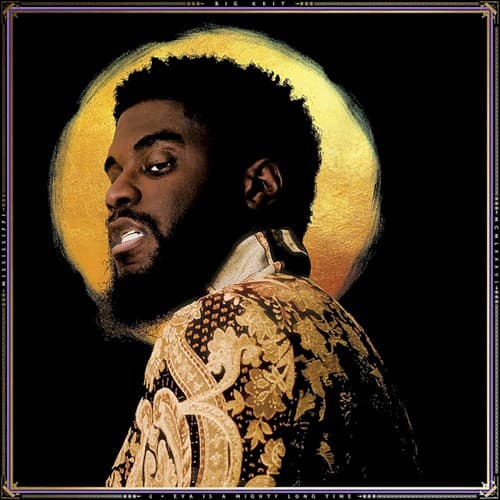
Big K.R.I.T. 4eva Is a Mighty Long Time: Two Men, Two Discs, One Long Argument
4eva Is a Mighty Long Time splits Big K.R.I.T. in two and asks the listener to pick a side. Disc one belongs to the rapper called Big K.R.I.T., the chest-out Southern star who calls T.I., Bun B and Pimp C to the table and lets Mannie Fresh drop in on the beats. Disc two belongs to Justin Scott, the man behind the name, and it is slower, more private and more spiritual. Few rap albums have had a structural idea this clear, and fewer still have put it in the title: four-ever is a long time, and the record takes its time proving it.
The thesis is that the split is the album's best idea and the sequencing is the idea's weakness. The concept gives each disc a distinct job, and the second disc is the better-written half, because dropping the stage persona lets K.R.I.T. get specific about faith, vice and the cost of attention. But at twenty-two tracks, including interludes, the album runs long, repeats a few moves and spends time on short transitions that work more as scenery than as songs. It is a good record that thinks it is a great one.
The context frames the ambition. This is his third studio album and his first full-length since leaving Def Jam in 2016, released through Multi Alumni and BMG Rights Management, so the length and the guest list read as choices rather than obligations. It debuted at number seven on the Billboard 200 with 33,000 equivalent units and fell to number 45 in its second week, while reviews were generally positive, with a Metacritic average of 80 across seven reviews.
In streaming terms, a double album is a risky shape. Listeners skip, shuffle and abandon tracklists, and an eighty-five-minute concept asks for the opposite behavior. One critic suggested that a few minutes trimmed could have fit the record on a single disc, though at the expense of the narrative, and that is the right way to frame the trade. The two-disc structure is what makes the album meaningful, and it is also what makes it heavy.
Soul Samples, Southern Bass and a Confessional Second Disc
The production is as varied as the structure suggests, and it is the most reliable part of the record. Disc one leans on a big, familiar Southern sound, with Mannie Fresh credited on two songs, Organized Noize connected to a third through Cory Mo, and K.R.I.T. himself behind several others. Disc two shifts toward a warmer, more live-sounding palette, with DJ Khalil, Supah Mario, Bekon and WLPWR among the credits, and a late collaboration with Robert Glasper and Terrace Martin that pushes into jazz. Samples are chosen with care and mostly from the soul catalog: Willie Hutch, Guy, Nat Turner Rebellion and David Ruffin are among the sources, and each is used to set a mood rather than to show off a crate. The result is a record that sounds consistently rich, with a bass-forward low end that never loses its soul.
The writing is where the split pays off. The first disc is built on bravado, craft and the sound of a Southern rapper at the height of his powers, and it is more about rhythm and presence than about detail. The second disc turns inward. Its titles, which deal with devils, gold, fame and drink, point to a rapper working through temptation, legacy and faith, and the best verses make those subjects concrete. The persona split lets him separate the voice that boasts from the voice that confesses, and one critic noted that he does a good job of keeping the two apart. That is the album's real accomplishment: it sounds like two people without sounding like two rappers.
His delivery is as strong as it has ever been. The drawl is steady and commanding on the first disc and gentler, more conversational on the second, and the hooks, often sung by backing vocalists, give the songs a gospel-adjacent warmth. The guests are mostly well chosen, from Southern veterans on the first disc to Jill Scott, Joi, Bilal and Keyon Harrold on the second, who add texture rather than competition.
The concrete weaknesses are the ones that come with length. The interludes on the second disc are a little too fond of syrup, as one critic put it, and they slow the momentum just when the writing is most engaged. The subwoofer conceit that runs through the My Sub series was already thin by the fourth installment, and while it still bumps, it is hard to argue that it adds anything new. Several songs on both discs run past four minutes on grooves that could have ended sooner, and the second disc in particular drifts when the atmosphere replaces a verse. The album is rich, but it is not lean.
A Double Album With a Plot and a Pacing Problem
Played in order, the record is a double album with a real plot. The first disc moves like a victory lap with an edge: it opens by announcing the name, rolls through a run of heavy, crowd-friendly songs and then closes on a more reflective note that sets up the second disc. The transition is the best sequencing decision on the album, because it makes the handoff between personas feel like a narrative event rather than a track-listing quirk. When the second disc begins with Justin Scott, the tone shifts decisively, and the change in mood is the most dramatic moment of the record.
The peak is the stretch just after the handoff, where the writing is at its most personal and the production is at its warmest. The soft spot is the middle of the second disc, where the pace slows and the interludes begin to accumulate. The songs are still good, but the sequence leans on mood, and a listener who arrived for the first disc's energy can lose the thread. The final run recovers by returning to a more direct, weighty tone, and the closer gives the record a sense of resolution that a double album needs.
The length is partly earned. The two-disc format gives each persona room, and the total runtime of roughly an hour and twenty-five minutes is within reason for a concept record. But the album would hit harder if it lost a handful of songs and a few of the interludes. Disc one is the more consistently energetic of the two, and disc two is the more consistently interesting, and the best version of the record would borrow a little of each quality for the other. As it stands, the structure is a strength and the pacing is a negotiation.
Ambitious in Structure, Heavy in Length, Worth the Time
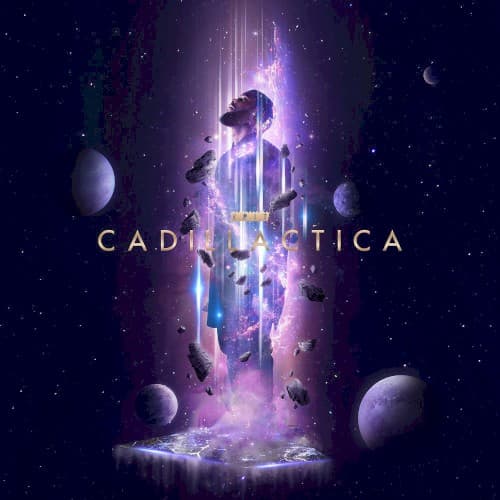
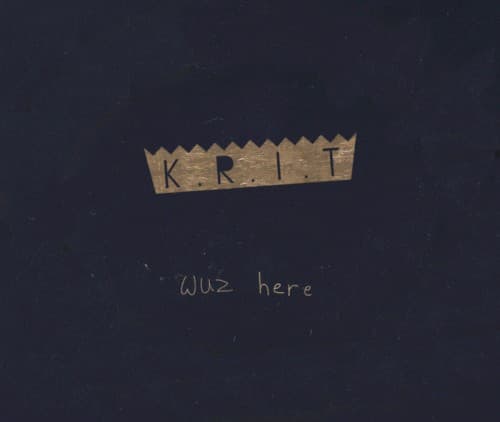
Among Big K.R.I.T.'s albums, 4eva Is a Mighty Long Time is the most ambitious in structure and the most personal in writing. No other K.R.I.T. albums are rated on the site yet, so its place in the catalog is provisional, but the order is deliberate: it sits below Cadillactica, whose concept is tighter and whose pacing is cleaner, and above the debut Live From the Underground, because the writing goes deeper and the second disc takes real risks. The mixtape K.R.I.T. Wuz Here remains the rawest of the group. This album is the one that most clearly asks to be taken as a statement.
It is for listeners who want rap albums with a thesis, who enjoy soul-rooted production and who are willing to sit through a long record for the payoff. It is for fans of Southern rap who want to hear the genre grow up without losing its sound. Skip it if you want a short, high-energy listen or a record that never slows down, because the second disc asks for patience and the length is real.
Start with Big Bank for the first disc's swagger and its soul sample, Keep the Devil Off for the second disc's weight and warmth, and Bury Me in Gold for the closer that ties the personal and the public together. If you like those three, the rest of the record will repay your time. For the next listen, go to Cadillactica for a tighter, more cohesive version of the same ambitions, or to K.R.I.T. Wuz Here for the loose, early tape that started the sound.
The album has aged well because its subject matter, faith, vice and the cost of being known, does not date, and its sound is rooted in soul. The most specific thing to say about it is that a rapper who gives his second self a whole disc has to be good enough to fill it, and for most of its runtime, K.R.I.T. is.
Track by track
Track Listing
Big K.R.I.T.
StandoutThe opener introduces the first persona with a confident, bass-forward beat that K.R.I.T. produced himself and with backing vocals from Rolynne Anderson. It is a short, effective statement of the disc's concept, and it sets the swagger the first half is built on.
Confetti
StandoutHey DJ produces this lead single, a celebratory track with a bright, bouncing beat. It is catchy and fits the first disc's victory-lap mood, though it is more about energy than about detail.
Big Bank
StandoutT.I. joins on a heavy, boastful song built on a sample of Willie Hutch, with K.R.I.T. and WLPWR producing. The soul sample gives the beat weight, and T.I.'s guest verse adds a veteran's authority. It is the first disc's clearest bid for a crowd, and a good place to hear what the record can do when it swaggers.
Subenstein (My Sub IV)
SolidMannie Fresh produces the fourth installment of the My Sub series, with Shanell on vocals. The bass is the star, and it still bumps, but the subwoofer conceit is beginning to wear thin. It is a good track in a series that has run most of its course.
1999
StandoutMannie Fresh returns with Lloyd on a nostalgic, smooth track that samples Guy. The sample and the singing give it a warm, throwback feel, and it is one of the album's more melodic moments. It is pleasant and well made, though the nostalgia is familiar.
Ride Wit Me
StandoutBun B and Pimp C join on a Southern posse track produced by Cory Mo and Organized Noize. The guests give it the weight of lineage, and K.R.I.T. sounds at home alongside them. It is one of the clearest connections between the album and the tradition it comes from.
Get Up 2 Come Down
SolidCeeLo Green and Sleepy Brown join on a groovy, Atlanta-flavored track with WLPWR producing. The guests bring a soulful, laid-back energy, and the song is among the smoother moments of the first disc, though it runs on mood more than on ideas.
Layup
SolidK.R.I.T. produces this four-minute track himself. It is competent, steady and forgettable, with a beat that does its job and a hook that does not stay.
Classic Interlude
SolidA short interlude under a minute that works as a transition. It is functional and forgettable.
Aux Cord
StandoutDJ Khalil and Chahayed produce a single that leans on a smooth, soulful hook with vocals from Nikki Grier. It is catchy and carefully built, and it shows the first disc's softer side.
Get Away
StandoutThe first disc closes on a reflective note with a sample from Bettye Crutcher and additional vocals from Rolynne Anderson. It sets up the handoff to the second persona and is the disc's most thoughtful moment. It is a strong, effective closer, and the best argument for the two-disc structure.
Justin Scott
StandoutDJ Khalil produces the second disc's opener, and the change in tone is immediate. The beat is warmer and more spare, the delivery is more personal, and the writing is more direct. It is the record's most dramatic structural moment, and it earns the concept.
Mixed Messages
StandoutSupah Mario produces and samples Barbara and Ernest on a slower, more conflicted track. The writing is reflective, and the sample gives it an old-soul warmth. It is one of the second disc's quieter highlights.
Keep the Devil Off
StandoutSingled out for good reason, this track samples Nat Turner Rebellion, with vocals by Nikki Grier and production from K.R.I.T. and WLPWR. It is the second disc's emotional center, combining a soulful sample, a spiritual theme and a patient, confessional delivery. At over five minutes it has room to build, and it earns every second of it.
Miss Georgia Fornia
SolidJoi sings on the longest song on the record, at six minutes, with production from Bekon and DJ Khalil. It is ambitious and atmospheric, and the length lets the mood develop, though it does stretch past the point where its idea has run out.
Everlasting
SolidWLPWR produces a smooth, warm track about permanence. It is pleasant, but it blends into the second disc's mellow middle.
Higher Calling
StandoutJill Scott brings her voice to a spiritual song produced by Supah Mario with a Frank Dukes sample. The guest adds real weight and the mood is sincere, though the song leans on atmosphere more than on a verse.
Weekend (interlude)
SolidA short interlude under a minute that bridges the second disc's moods. It is functional but easy to skip.
Price of Fame
StandoutWLPWR produces a reflective, weighty track about the costs of attention. The writing is thoughtful and the delivery is measured, and it is one of the album's more direct looks at success.
Drinking Sessions
StandoutKeyon Harrold's trumpet joins on a longer, moody track that samples David Ruffin. The jazz color gives it an after-hours mood, and the writing deals with vice in a sober, honest way, though at over five minutes it settles into a loop.
The Light
StandoutBilal, Robert Glasper, Kenneth Whalum and Burniss Earl Travis II join on a jazz-inflected song produced by K.R.I.T., Glasper and Terrace Martin. The live players give it an organic feel unlike anything else on the record, and it is one of the most adventurous moments of the album.
Bury Me in Gold
StandoutDJ Khalil and Chahayed produce the closer, with additional vocals from Angie Fisher, Jason Morales and Nikki Greer. It ties the personal and the public together and ends the record on a note of resolve. It is a strong, satisfying finish.