The scorecard
7.9/10 · Great
- Writing25%
- 8.0
- Production25%
- 8.5
- Delivery15%
- 7.5
- Cohesion15%
- 7.5
- Originality10%
- 7.5
- Replay value10%
- 8.0
The planet-as-mind concept frames verses that join money and meaning, though a few mid-album verses use the metaphor as a shortcut.
Raphael Saadiq, DJ Dahi, DJ Khalil, Terrace Martin and K.R.I.T. himself build a layered, live-sounding Southern soul that is the best-mixed work of his career.
A more flexible drawl that moves between conversational, sung and clipped registers, supported by well-chosen guests like E-40, Bun B and Lupe Fiasco.
The intro, interludes and closer give the fifteen-track sequence a deliberate arc, though the second half is less distinctive than the first.
It widens Southern soul rap with funk, gospel and psychedelic textures and a concept that is audible in the arrangements.
The soul and funk roots keep the production from dating, and the best songs reward repeat listens, though the weaker mid-album songs may be skipped.
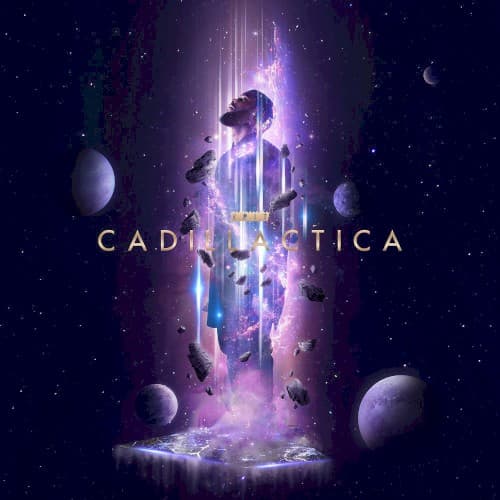
Big K.R.I.T. Cadillactica: A Planet Built Out of Southern Soul
Cadillactica is the record on which Big K.R.I.T. stops proving he can make Southern soul rap and starts using Southern soul as raw material for something stranger. The planet in the title is his own conscious mind, by his description, a place where the soul and the funk come from, and unlike most concept records, the concept is audible in the arrangements instead of stapled to the intro. The low end rolls like a Cadillac on a slow summer street, and the keys, horns and live-sounding guitars float above it like weather.
The thesis is that this is K.R.I.T.'s best-sounding record and his most fully imagined one. It has a fixed point of view, a larger cast of collaborators and the first set of beats that treats the sound of live musicians as a priority rather than a flavor. It earned the strongest reviews of his career, with a Metacritic average of 88 across eleven reviews, and the praise is mostly earned. Its flaws are the ones that come with ambition: a crowded guest list, a few songs that coast on mood, and a second half where the concept loosens into a more conventional run.
Some context explains the shift. K.R.I.T. had produced nearly everything himself, and he said before release that he wanted to work with more producers and musicians. He did: DJ Dahi, DJ Khalil, Raphael Saadiq and Terrace Martin all appear in the credits, alongside his own productions. He also described the album as free-floating, since a planet that is his own mind lets him talk about whatever he likes. That freedom is both the album's strength and the source of its loose ends.
It matters for Southern rap as well. K.R.I.T. has been seen as a keeper of a tradition, and this album widens it. E-40, Bun B and Devin the Dude represent different corners and generations of the South, and the beats borrow from funk, gospel and psychedelic soul to build a Southern sound with a larger universe around it. The record debuted at number five on the Billboard 200 with 44,000 copies, then fell to number 43 with 9,000 in its second week, which undersells how much better it is than its sales.
Rolling Bass, Real Musicians and a Concept You Can Hear
The production is the reason to care, and it is the best argument for K.R.I.T. working with outsiders. The sound is full and layered: bass that rolls rather than stabs, drums with a heavy, loose swing, and arrangements that leave room for horns, guitars and keys to breathe. Raphael Saadiq's involvement brings an old-soul warmth, DJ Dahi and DJ Khalil add a more modern, off-kilter polish, and K.R.I.T.'s own beats keep the Southern foundation anchored. It is a record that sounds expensive without sounding sterile. Reviewers pointed to the soulful production and the conscious move toward original music and instrumentation, and both observations are right: the album sounds composed rather than assembled.
The writing is more thoughtful than on his earlier work, and it is also more varied. The concept gives him a frame for material that ranges from material pursuits to philosophical questions, and the best verses collapse the two, treating money and meaning as parts of the same pressure. He is fearless in content, in the words of one critic, and he keeps the Southern, underground pride that defined his earlier records. The storytelling is detailed enough to hold attention, and the album's best lines come when he gets specific about people and places rather than about ideas. The lyrics are more convincing when they stay grounded than when they float into abstraction, and a few verses in the middle use the planet metaphor as a shortcut rather than as a source of imagery.
His delivery has grown more flexible. The drawl still sits on the beat with authority, but he now moves between a conversational register, a sung hook and a faster, more clipped flow without sounding like three different rappers. The guests are mostly well chosen. Veterans from the South, such as E-40, Bun B and Devin the Dude, bring weight and a sense of lineage, Lupe Fiasco brings a more technical contrast, and Wiz Khalifa and Rico Love lean toward the radio side. The album gets the most from guests who add a color rather than a verse, and the most from vocalists like Raphael Saadiq who deepen the sound.
The concrete weakness is that a record with this much ambition sometimes lets its planet float away. The concept is strongest in the opening third and then recedes, and the second half contains a handful of songs that feel closer to the K.R.I.T. you already know than to the one the title promises. The hits-oriented songs, built with outside writers and producers for radio, are polished but slightly generic by comparison with the rest. The interludes are short and serve the sequence, but they do not do much work as music. Even so, the album's worst moments are competent, and that is a high floor for a record of this scale.
A Full-Length Orbit With a Soft Landing
Cadillactica plays as a sequence with a deliberate shape, and that shape is its biggest advantage over his earlier work. It opens with a spacey intro that sets the planetary frame, builds through an early run of heavy, bass-forward songs that establish the world, and then opens up into a sprawling middle where the guests arrive and the moods multiply. The first third is the strongest stretch of K.R.I.T.'s career: the production is rich, the writing is focused, and the pacing never wastes a minute.
The sag, such as it is, comes after the middle. A short interlude resets the album, but the songs that follow lean more on mood and collaboration than on ideas, and the planetary frame becomes harder to hear. This is not a collapse. The album stays musical throughout, and the guests are good enough that the tempo never drops into filler, but the second half is less distinctive than the first. A listener who treats the record as a playlist will find the middle easier to skim than the opening.
The length is mostly earned. At about fifty-six minutes across fifteen tracks, it is a full record, but it avoids the bloat of many albums of its era, and almost every song has a reason to be there. The closing run settles into a reflective mood, and the final stretch gives the sequence a sense of arrival rather than of fading out. A tighter version could drop one of the mid-album collaborations, and the interludes could be shorter, but the record's pacing is a clear strength. It is an album designed to be heard in order, and it rewards that choice.
The Record Where the Ambition Finally Matches the Sound
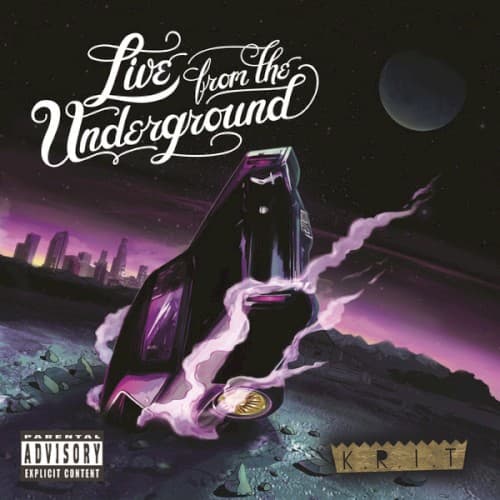
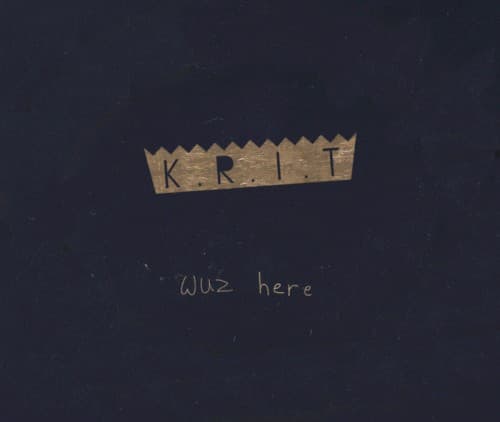
Among Big K.R.I.T.'s albums, Cadillactica is the best-realized one, the record where the concept, the production and the writing line up. No other K.R.I.T. albums are rated on the site yet, so its place in the catalog is provisional, but the order is deliberate: it sits above Live From the Underground, the debut, because it takes larger risks and mostly lands them, and above the mixtape K.R.I.T. Wuz Here because the sound is richer and the structure tighter. The mixtape is patient and raw, the debut is consistent and safe, and this one is ambitious and mostly successful.
It is for listeners who like soul-drenched Southern rap with real instrumentation, for anyone who wants to see what a producer-rapper can do when he lets other musicians in, and for fans of E-40, Bun B and the patient side of the genre. It was widely praised and ended up on many year-end lists, and the praise holds. Skip it if you want hard-edged club rap or a record that stays in a single mood, since the album's shifting texture is part of the design.
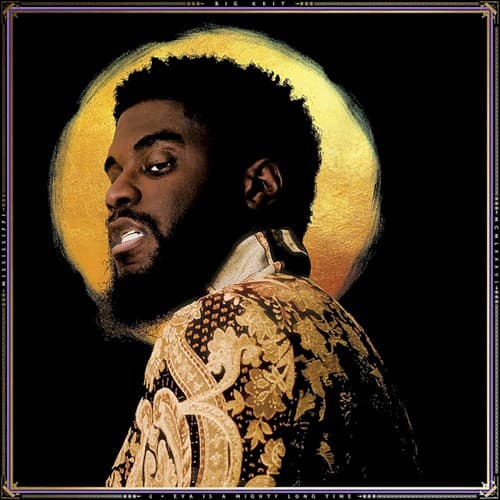
Start with Soul Food, the Raphael Saadiq collaboration, for the sound at its warmest, Mind Control for the E-40 and Wiz Khalifa pairing and the most straightforward Southern energy, and Lost Generation for the album's most direct statement of purpose with Lupe Fiasco. If those three work for you, the rest will. For the next listen, go to 4eva Is a Mighty Long Time, where K.R.I.T. stretches the same ideas across a double album, or back to Live From the Underground for the simpler, heavier version of the sound.
How it ages is easy to project. The production is rooted in soul and funk, which are not fashions, so the record has little to date. The most specific thing to say about it is that an album about a planet inside one man's head works best in the moments when it remembers that the planet is also a place with real people and real musicians on it.
Track by track
Track Listing
Kreation (intro)
StandoutA spacey opening that sets the planetary frame and sketches the album's world in a few minutes. It works as a mood-setter, and the production hints at the live-sounding warmth to come.
Life
StandoutK.R.I.T. produces this one himself, and it makes the case that the album's concept is also a philosophical one. The beat is warm and unhurried, and the writing leans toward reflection over bragging. It is an effective early signal that the record will go beyond the usual Southern boasts.
My Sub, Part 3 (Big Bang)
StandoutThe bass-focused series returns with a heavy, cosmic spin, and the title ties it to the album's creation myth. The low end is the star, and the track is a playful bridge between his earlier sound and the new one.
Cadillactica
StandoutDJ Dahi and DJ Khalil produce the title track, one of the three singles, and it is the clearest statement of the album's sound: rolling bass, a slightly off-kilter groove and a confident drawl. It is atmospheric without being vague, and the production gives the concept a physical presence: the bass has weight, the keys float, and the drums leave space for the voice to stretch out. A strong centerpiece, and one of the best arguments for working with outside producers.
Soul Food
StandoutRaphael Saadiq produces and sings on this single, and the warmth of his voice and arrangement gives the song the richest sound on the record. K.R.I.T. matches it with a heartfelt, grounded verse that treats food, family and survival as part of the same tradition. It is the album's emotional peak and a model of how a guest can deepen a record rather than interrupt it.
Pay Attention
SolidThe lead single, with Rico Love and a team of producers from a Miami session. It is polished, catchy and the most radio-friendly song on the record, and it is slightly more generic than the tracks around it. It works as a pop move without damaging the album's identity.
King of the South
StandoutK.R.I.T. produces this assertive, confident track that stakes a regional claim. The beat is heavy and the delivery is commanding, though the title promises more of a statement than the lyrics deliver.
Mind Control
StandoutE-40 and Wiz Khalifa join K.R.I.T. on a looser, more laid-back track that mixes regional personality with an easy groove. E-40's distinctive cadence provides welcome contrast, and the beat has a nice swing. It is more about energy than ideas, but the chemistry makes it one of the record's easiest listens.
Standby (interlude)
SolidA short interlude of under two minutes that resets the album between sections. It is functional rather than memorable, but it helps the pacing by giving the listener a breath before the second half and a chance to reset after the heavier songs.
Do You Love Me
SolidMara Hruby sings the hook on a tender, slower song that shows K.R.I.T.'s romantic side. The beat is soft and the writing is sincere, and the sung hook gives the song a human, intimate scale, though it is lighter than the more ambitious songs around it and could be mistaken for a detour.
Third Eye
StandoutDJ Dahi produces a spacey, slightly psychedelic track that fits the album's conceptual frame well. The sound is atmospheric, and the title ties it to the album's inward focus. It is one of the better examples of the album's more experimental side.
Mo Better Cool
StandoutDevin the Dude, Big Sant and Bun B join K.R.I.T. on the longest song on the record, at nearly five minutes. It is a laid-back, Southern posse cut with real chemistry, and the three guests give it the feel of a gathering rather than a feature list. It runs a bit long, but the groove is worth it.
Angels
StandoutMartin's production gives this track a jazzier, more reflective feel, and the writing is spiritual and earnest. It is a quieter, more introspective moment, and it shows the range the album is capable of. The pace is slower than the surrounding songs, and the song gives the second half a note of sincerity it needs.
Saturdays = Celebration
SolidJamie N Commons sings the hook and Alex da Kid shares production credit on a bright, uplifting track about weekend release. It is pleasant and well-made, but it leans a little toward pop sweetness.
Lost Generation
StandoutLupe Fiasco closes the record with a more pointed, thoughtful song that reaches beyond the personal. The writing is more direct and the tone is reflective, and it gives the album a sense of purpose at the end. A strong finish that returns the planet to Earth.