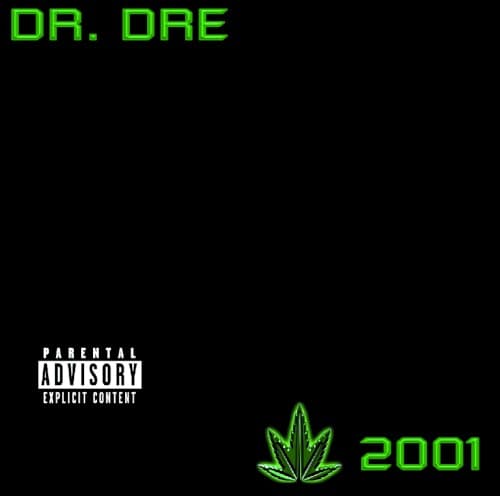
Dr. Dre 2001 — The Album That Proved Death Row Was Never the Crown
Remove this album from the timeline and half the platinum plaques hanging in rap bedrooms disappear with it. The synth stabs, the Moog bass, the way drums punch through car speakers without distortion — every producer who blew up between 2000 and 2010 was reverse-engineering this sound. Dr. Dre had been silent for seven years, watching his former label crumble while East Coast producers claimed they invented headphone music. Meanwhile, Dre was in the studio building something that would make everyone else sound like they were recording through telephone wire.
The context matters. Death Row had the name but Dre took the blueprint when he left. Suge Knight was heading to prison, Tupac was gone, Snoop Dogg had one foot out the door.
Dre's Aftermath imprint had stumbled hard with its debut compilation — critics called it a commercial failure, radio ignored it. By late 1998, the narrative was set: Dre was a relic, the G-funk era was over, and the South was about to take the throne.
What happens when a producer gets written off?
He walks into the studio with something to prove. And when that producer is the same man who made "Nuthin' but a 'G' Thang" and "Let Me Ride," the result is not a comeback. It is a hostile takeover. This album does not ask for respect.
When the Moog Replaced the Parliament Sample
The sound here is colder than anything Dre made in the nineties. G-funk had sunshine and bounce. This has fluorescent lighting and concrete. The synths are sharp, almost clinical.
The bass does not roll, it punches. Every snare hits like a car door slamming in an empty parking garage. Scott Storch and Mel-Man brought the keyboard work, but Dre shaped it into a sonic identity so specific that you can hear it within three seconds of any track. The Moog Voyager became his signature instrument, delivering bass lines that sounded futuristic in 1999 and still sound futuristic now.
Lyrically, Dre handed the microphone to everyone else. He raps more here than he did on The Chronic, but the album's thematic weight belongs to Eminem, Snoop, and a roster of Aftermath artists who would mostly vanish after this moment. The lyrical themes are status, survival, and dominance. Dre is not reflecting on the past — he is erasing it.
The references to Death Row are dismissive, almost bored. The shots at former associates feel like swatting flies. This is an album about being untouchable, and the production backs it up with a mix so clean it sounds like it was mastered yesterday.
Where does it stumble?
The skits. Multiple interlude tracks slow the momentum without adding narrative value. The album runs seventy-four minutes, and at least eight of those minutes are dead weight.
Trim the fat and this is a sixty-five-minute masterclass. Leave it as is and you have a front-loaded album that loses steam in the final stretch. The first twelve tracks could stand alone as one of the tightest runs in West Coast history. The back half feels like bonus material that should have stayed in the vault.
The First Half Ends the Argument, The Second Half Overstays
Press play and the first stretch does not waste a second. The opening run moves from scene-setting to anthems without a single misstep. By the time the sixth track fades, Dre has already proven his point. The pacing here is surgical — each song exists to display a different facet of the Aftermath sound, and every transition feels intentional.
The sequencing builds momentum, with the tempo shifts and vocal pairings creating a sense of movement even when the subject matter stays locked in the same thematic lane.
The middle section introduces more producers and more voices, and the album starts to feel like a reveal rather than a cohesive statement. The energy dips. Tracks begin to blur together. The Moog bass that sounded revolutionary ten tracks ago now feels repetitive.
The skits that were brief distractions earlier become momentum killers. By the time the album reaches its final third, it is coasting on the strength of its early highlights rather than building toward a climax.
The back half needed an editor. The sequencing loses its discipline, and the album ends not with a statement but with a shrug. The final stretch includes some solid production work, but it feels like Dre was padding the runtime to meet some internal expectation of what a major-label release should contain.
The result is an album that dominates for forty-five minutes and then lingers for another thirty. Cut five tracks and this is a flawless victory. Leave them in and it is still essential, just not perfect.
The Album That Taught a Generation How to Mix Drums
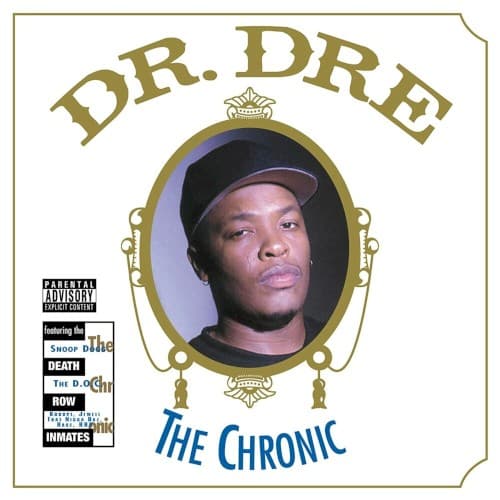
This is the best production album Dre ever made, and it is not close. The Chronic had more cultural impact. Compton was more personal. But 2001 is the technical peak, the moment where every element of Dre's sound reached its purest form.
The drums here have been sampled, copied, and studied by every producer who came after. The synth choices became a blueprint for West Coast rap for the next decade. The mix set a new standard for clarity and punch that most albums still cannot match.
Who should listen? Anyone who wants to understand what West Coast rap sounded like at the turn of the millennium. Anyone studying hip-hop production. Anyone who grew up hearing these beats on the radio and wants to revisit them in full.
Who might not enjoy it? Listeners looking for deep lyrical content or personal storytelling. This is a producer's album, and the rapping is secondary to the sonic architecture.
How has it aged? The production still sounds modern. The skits feel dated. The guest verses range from timeless to forgettable.
Essential tracks: "Still D.R.E.," "Forgot About Dre," "The Next Episode," "The Watcher," "Xxplosive." Similar albums: The Chronic, Doggystyle, Ice Cube's War & Peace Vol. 1, Jay-Z's Vol. 2... Hard Knock Life. Long-term influence: every Aftermath release for the next fifteen years, the entire synth-heavy West Coast sound of the 2000s, and the mixing techniques that became industry standard for rap albums.
This is the sound of a man who refused to be forgotten.
Track Listing
Lolo (intro)
●A thirty-second scene-setter with dialogue and no music. Functional but forgettable. Sets the tone for an album full of skits that add nothing.
The Watcher
▲The opening statement, and it hits harder than anything Dre recorded in the nineties. The piano loop is minimal, almost skeletal, letting the drums and bass carry the weight. Dre's flow here is more confident than it has any right to be — he was never a technically gifted rapper, but his delivery carries authority. The hook is understated, almost conversational, which makes it more effective than a big melodic chorus would have been. Rakim's verse should have been here, but it got cut. The final version stands as the album's thesis: Dre is watching, judging, and no longer interested in explaining himself. The mix is perfect. Every element has space. Nothing bleeds into anything else. This is the song that told every producer in 1999 that the game had changed.
Fuck You
●Devin the Dude and Snoop trade verses over a mid-tempo groove that sounds like it belongs on a different album. The production is smooth, almost too smooth for an album this aggressive. The hook is crude without being clever. Snoop sounds comfortable but uninspired. Devin brings his usual laid-back style, but it does not fit the energy Dre established on the previous track. This is filler disguised as a posse cut.
Still D.R.E.
▲The Moog line that ate the culture. Scott Storch played the keys, Dre shaped them into a weapon. The bass hits so hard it rattles car windows two decades later. Jay-Z wrote the verses, which explains why Dre suddenly sounds like a better rapper than he actually is. The rhyme schemes are sharper, the wordplay is tighter, and the delivery has more swagger than anything Dre wrote himself. The hook is a flex and a mission statement. The structure is simple — two verses, minimal changes, maximum impact. Radio played this until the groove wore into the pavement. It still sounds massive. I heard this in a parking lot outside a Best Buy in 2000, and the bass was so loud I felt it in my chest before I heard it. That is the test of a great beat: can you feel it before you hear it?
Big Ego's
▼Hittman gets his showcase, and it is immediately clear why he never became a star. The flow is competent but unremarkable. The lyrics are generic tough talk. The beat is solid, with a stuttering synth line and crisp drums, but it is wasted on a rapper who brings no personality. This is the sound of Aftermath trying to build a roster and failing.
Xxplosive
▲The smoothest moment on the album. Nate Dogg on the hook, Kurupt and Six-Two on verses, and a beat that sounds like nighttime on the freeway. The synth pads are lush, the bass rolls instead of punches, and the drums snap without overwhelming the mix. Kurupt delivers one of his best guest verses, technical and effortless at the same time. Six-Two holds his own, which is more than most Aftermath signees managed. The structure is unconventional — no real chorus, just Nate Dogg floating over the instrumental between verses. It should not work, but it does. This is the track that proved Dre could still make G-funk sound fresh without rehashing The Chronic.
What's the Difference
▲Eminem and Xzibit over a minimalist beat that lets the drums do all the work. The synth is cold, almost mechanical. The bass is understated. The track belongs to Eminem, who was still hungry in 1999 and sounds like he has something to prove. Xzibit matches his energy, delivering a verse that reminded everyone why he was one of the West Coast's most reliable rappers. Dre's verse is the weakest, but he keeps it short. Philly Blunt delivers the hook, and it works because it stays out of the way. The song drags slightly in the final minute, but the first three minutes are airtight. This was the moment Eminem proved he could rap over West Coast production without sounding like a tourist.
Bar One
▲An instrumental interlude that exists to show off the production. It works. The keys are jazzy, the bass is rubbery, and the drums knock. Thirty seconds longer and it would have been a full track.
Light Speed
▼Hittman returns and once again fails to justify his presence. The beat is serviceable, the flow is average, the lyrics are forgettable. This is what happens when a producer builds an entire album around artists who cannot carry their own weight.
Forgot About Dre
▲The second single, and the one that mattered most. Eminem wrote his own verse and half of Dre's, which explains why Dre suddenly sounds dangerous again. The beat is ugly in the best way — harsh synths, punishing drums, and a bass line that sounds like it is trying to break your speakers. Eminem's verse is one of the best he ever recorded, a masterclass in internal rhyme schemes and controlled aggression. Dre's verse is a warning shot to everyone who wrote him off. The hook is confrontational, almost taunting. I was in a college dorm room in 2000 when someone played this at full volume, and it emptied the hallway. That is the power of a beat that refuses to be ignored.
The Next Episode
▲Snoop and Nate Dogg reunite, and it sounds like 1993 again, except cleaner. The beat is built around a four-note synth pattern and nothing else. The drums are massive. Kurupt shows up for a verse and reminds everyone he was the best technical rapper in the Dogg Pound. Snoop sounds relaxed, almost lazy, but that has always been his strength. The hook is simple and effective. The song became a cultural touchstone, played at every party and every sporting event for the next twenty years. The beat still sounds modern because Dre understood that simplicity ages better than complexity.
Let's Get High
●Hittman, Kurupt, and Ms. Roq over a slow, hypnotic beat. The synths float, the bass rolls, and the drums snap softly in the background. Kurupt is the only reason to revisit this track. Hittman delivers another forgettable verse. Ms. Roq adds a female perspective but does not bring enough energy to make it memorable. The production carries the song, but it is not enough to justify its place in the tracklist.
Bitch Niggaz
▲Snoop, Kurupt, and Dre trading shots at unnamed enemies. The beat is mean — sharp synths, hard drums, and a bass line that sounds like a threat. Snoop is in attack mode, which is rare for him, and it works. Kurupt matches his energy. Dre's verse is short and effective. The hook is blunt. This is one of the harder tracks on the album, and it would have been stronger if it appeared earlier in the sequencing. Buried in the back half, it gets overlooked.
The Car Bomb
▼Mel-Man and Charis Henry on vocals, and it immediately becomes clear why neither of them became stars. The beat is solid, with eerie keys and punchy drums, but the rapping is flat. This is the third or fourth track in a row that feels like Dre trying to launch artists who were not ready.
Murder Ink
▼Hittman and Ms. Roq again, and the track suffers for it. The beat is dark, with minor-key synths and heavy bass, but the verses do not match the production's intensity. Ms. Roq tries to bring energy, but her delivery is too stiff. Hittman sounds bored. This should have been cut.
Ed‐ucation
●An instrumental interlude that shows off Dre's ear for melody. The keys are smooth, the bass is thick, and the drums are understated. It works as a breather, but it also highlights how many full songs on the back half fail to live up to the album's early promise.
Some L.A. Niggaz
▲The posse cut that should have been the album's centerpiece. Dre, Hittman, Defari, Kokane, King T, and Time Bomb trade verses over a bass-heavy beat with eerie synth stabs. Defari and King T bring the energy the track needs. Hittman is once again the weakest link. The beat is menacing, with a stop-start structure that keeps the listener off balance. This is one of the hardest tracks on the album, but it arrives too late in the sequencing to make the impact it should have.
Pause 4 Porno
▼A skit involving fake moaning and Jake Steed. It is exactly as bad as it sounds. This is the moment where the album loses all momentum and never fully recovers.
Housewife
●Kurupt and Hittman over a smooth, mid-tempo beat. The synths are lush, the bass is deep, and the drums are restrained. Kurupt delivers another solid verse. Hittman does not. The track is fine, but it feels like an album cut that should have been relegated to a bonus disc.
Ackrite
▼Hittman solo, and by this point it is exhausting. The beat is decent, with stuttering synths and punchy drums, but Hittman brings no charisma. This is the fifth or sixth track built around him, and none of them justify his presence.
Bang Bang
●Knoc-Turn'al and Hittman over a minimalist beat. Knoc-Turn'al is the more interesting rapper, with a sharper flow and better delivery, but the track still feels like filler. The beat is too sparse to carry a full song.
The Message
▲Mary J. Blige and Rell on the hook, and it is the album's only attempt at introspection. The beat is slower, more reflective, with soft keys and restrained drums. Dre's verse is more personal than anything else on the album, touching on loss and regret. Rell's sung hook is solid, and Mary J. Blige elevates the outro. This should have been the closing statement, but it arrives after twenty-one other tracks and sounds like an afterthought. If this had been sequenced earlier, it would have provided a necessary emotional shift. Instead, it feels like Dre remembered he should say something meaningful and tacked it on at the end.