Drake Honestly, Nevermind — When Toronto's Biggest Star Chased Ibiza
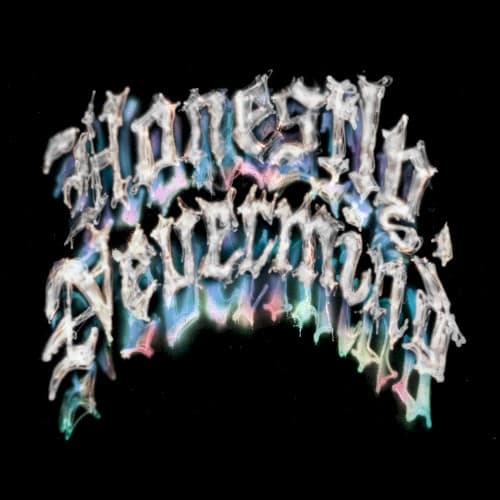
No other superstar rapper has risked this much credibility on a genre pivot. Drake dropped a full-length house album with no warning, no rollout, no explanation — just fifty minutes of four-on-the-floor beats and lovelorn verses delivered over production that sounds lifted from a Cape Town club night. The album arrived six months after Certified Lover Boy's victory lap, and the whiplash was immediate. Fans expected bars.
They got BPMs.
This is Drake operating without a safety net. The production pulls from South African amapiano, UK garage, and Baltimore club — sounds that have lived on the edges of American pop radio for years but never commanded a full Drake project. No Southside beats. No 40 mixing emotional piano loops into oblivion.
Instead, the album hands the boards to Black Coffee, Gordo, and a roster of producers who have spent their careers making people move, not making people cry in the club. Was the pivot necessary? Drake had already conquered rap, R&B, and pop radio. He had nothing left to prove in those lanes.
But dance music offered something his catalog lacked: physical release. These are songs built for sweating, not for Instagram captions. The risk is whether his core audience would follow him there.
The Sound Drake Borrowed, Not Built
The production sits in a strange zone between authentic dance music and Drake's usual melodrama. Black Coffee brings amapiano's rolling log drums and delayed vocal chops, Gordo injects jersey club's skittering hi-hats, and the UK garage influence shows up in shuffled breaks and syncopated bass. The palette is unmistakably dance-floor, but the songs rarely build or release tension the way actual club tracks do.
They simmer.
Drake's vocal approach does not adapt much. He sings in the same conversational tone he has used since Nothing Was the Same, letting AutoTune smooth the edges while his melodies float over the beats rather than locking into them. There are no ad-libs, no rhythmic tricks, no attempt to match the energy of the production.
He sounds like a man sitting in the VIP section while everyone else dances below.
The album's biggest flaw is its sameness. Thirteen of fourteen tracks run on nearly identical tempos and textures. The bass stays low and warm, the percussion stays busy, the synths stay bright.
By the halfway point, the sonic palette starts to blur. Without dynamic shifts or surprise collaborations — the album is almost entirely Drake solo — the listening experience flattens. Even the song structures repeat: verse, pre-chorus, sung hook, minimal bridge, fade. Does repetition serve the vibe, or does it expose a lack of ideas?
Lyrically, Drake sticks to his wheelhouse. Relationship regret, late-night texts, women who wanted more than he could give. The subject matter has not changed, but the context has.
Singing about heartbreak over a house beat removes the gravity. Lines that might land heavy over a 40 production feel weightless here. The irony is that dance music was born from communal catharsis, but Drake still sounds isolated.
The Album That Refuses to Peak
The sequencing offers no arc. The album opens with a ninety-second scene-setter and then locks into a groove it never abandons. There is no climax, no cooldown, no moment where the energy shifts dramatically.
The first stretch sets the template, and the middle section echoes it. By the back half, the songs start to feel interchangeable. The pacing suggests Drake wanted to create an uninterrupted vibe rather than a collection of standout moments. That works for a DJ set, but albums need peaks.
The production quality stays high throughout, but high-quality monotony is still monotony. The only real disruption arrives at the very end, and it feels like Drake remembered he was a rapper halfway through the fade-out. The album flows best when treated as background music — something playing during a long drive or a house party's quieter hours. Moment to moment, the songs function.
As a complete listening experience, they drift.
The Gamble That Half-Landed
In Drake's discography, this sits near the bottom. It lacks the emotional precision of Take Care, the confidence of If You're Reading This, the hooks of Scorpion. But it also stands alone as his most sonically adventurous project.
He could have played it safe and delivered Certified Lover Boy Part Two. Instead, he chased a sound that alienated a chunk of his base. That deserves acknowledgment, even if the execution stumbles.
Who should listen? Fans of amapiano, UK garage, or jersey club who want to hear how a pop star interprets those sounds. People who prefer Drake as a singer over Drake as a rapper.
Anyone curious what happens when the world's biggest rapper tries to make you dance instead of feel. Who might skip it? Listeners who came for bars, punchlines, or anything resembling traditional hip-hop. Anyone burned out on Drake's relationship narratives.
The album has not aged into a classic, but it has aged into a curiosity. In a catalog defined by calculated risk, this is Drake at his most reckless. A few tracks became surprise growers — songs that work better on the hundredth listen than the first.
Most of the album still feels like an experiment that never fully committed. The influence has been quiet but real: more rappers are flirting with house and amapiano now, and Drake cracked that door wider.
Standout tracks to try: Sticky and Massive capture the album's best qualities without overstaying their welcome. Similar albums: Beyoncé's Renaissance attempted a more comprehensive and successful dive into house music, while The Weeknd's Dawn FM offered another pop star's genre detour. Long-term, this will be remembered as the album where Drake proved he could shift sounds even if he could not quite master the landing.
He made a dance album that forgot to make you move.
Track Listing
Intro
●A minute and a half of scene-setting with no vocals, just warm synths and a kick drum that promises something the rest of the album never fully delivers. The production feels expensive — layered, spatial, carefully mixed — but it plays more like a thesis statement than an actual song. Intros this short either build anticipation or get skipped on every replay. This one does both.
Falling Back
▲The first full song establishes the blueprint: amapiano-style log drums, delayed vocal samples, and Drake singing about a woman who wanted commitment he was not ready to give. The hook is simple but effective, riding the beat's natural bounce without forcing melodies. The lyrics lean on familiar Drake territory — late-night regret, emotional distance, the cost of fame on relationships — but the production keeps it from feeling stale. Black Coffee's touch is all over this, particularly in the percussive details and the way the bass moves. This is one of the few tracks where Drake's vocal delivery matches the energy of the beat. He sounds engaged, almost playful. The song works because it does not overthink itself. It sets a groove and trusts the groove to carry it. The fade-out arrives too soon, which is rare for this album. You could loop this for ten minutes and it would not wear out. That restraint makes it one of the strongest moments on the project.
Texts Go Green
●Drake sings about getting blocked — when iPhone messages turn from blue to green, signaling the end of communication. It is peak Drake pettiness dressed up in a jersey club rhythm. The production borrows heavily from Baltimore club's frantic hi-hat patterns, but the tempo stays midtempo rather than pushing into true club territory. The choice makes the song feel stuck between two worlds: too fast for introspection, too slow for the dancefloor. The lyrics are sharper than most of the album. Drake admits fault, throws subtle shots, and manages to sound both wounded and dismissive. The vocal melody is one of the catchiest on the project, even if the subject matter is tired. This could have been a deep cut on Scorpion and no one would have questioned it. Here, surrounded by actual dance music, it feels like Drake could not fully let go of his comfort zone.
Currents
●The production smooths out into something closer to deep house — slower BPMs, warmer bass, fewer percussive tricks. Drake sings about going with the flow of a relationship, accepting where it leads rather than forcing direction. The metaphor is obvious but effective. The problem is the song never builds. It establishes a vibe in the first thirty seconds and then repeats that vibe for three and a half minutes. No bridge, no breakdown, no moment where the energy shifts. It is well-produced background music. The kind of song that works in a playlist but disappears in an album context. Drake's vocal performance is fine — controlled, on-key, emotionally distant in the way he has perfected. But fine is not enough when the production does not give him anywhere to go. This is the first moment where the album's lack of dynamic range starts to show.
A Keeper
●Built around a chipmunk-soul vocal sample that feels wildly out of place on a house album, then undercut by UK garage shuffle beats. The clash should not work, but it kind of does. Drake sings about recognizing someone as long-term material, which is bold coming from a man whose entire discography is about refusing commitment. The irony lands whether he intended it or not. The production stays busy — layered percussion, filtered synths, vocal chops that duck in and out of the mix. It is one of the few tracks that feels overstuffed rather than underdeveloped. The hook is weaker than it should be, relying on repetition instead of melody. Drake sounds less confident here, like he is testing a flow that does not quite fit. The song works in the first half, stumbles in the second. It needed one more revision or thirty seconds cut from the runtime.
Calling My Name
●The most overtly spiritual moment on the album, with Drake singing about a higher power or a past lover — the lyrics keep it vague enough to read both ways. The production leans into gospel-house textures: organ stabs, hand claps, a bassline that rolls like a church hymn sped up for the club. This is Black Coffee's influence at its clearest. The vocal sample in the background carries more emotion than Drake's lead performance, which is a problem. He sounds detached, like he is observing the song rather than inhabiting it. The melodies are strong, and the production is immaculate, but the two never fully connect. It is a beautifully made song that feels empty at its center. The kind of track that works better remixed by someone willing to push it harder. As it stands, it is all potential and no payoff.
Sticky
▲The closest thing to an actual banger on the album. The production finally commits to the dancefloor — faster tempo, harder kick, brighter synths. Drake adjusts his delivery to match, riding the beat with more rhythm and less melodrama. The lyrics are still relationship-focused, but they feel less important here. This is about movement, not meaning. The hook locks into a repetitive chant that would work in a club, which is the highest compliment you can give a dance record. The song does not overstay its welcome. It gets in, does its job, and exits before the energy dips. This is what the whole album could have sounded like if Drake had fully committed to making people move instead of making people feel. It proves he can do it. The question is why he did not do it more.
Massive
▲Another high-energy moment, this time pulling from South African amapiano with rolling percussion and a bassline that sounds like it is tumbling down a hill. Drake sings about a woman whose presence dominates the room, and for once the production matches the subject matter. The song feels big — wide stereo field, layered synths, drums that hit from multiple angles. This is one of the few tracks where Drake sounds like he is having fun. His vocal runs are playful, his timing is confident, and he lets the beat breathe instead of smothering it with overstuffed melodies. The structure is still too repetitive, but the energy carries it. This works at a house party, in a car, on a playlist. It does not reinvent anything, but it does not need to. It is a well-executed dance track that never forgets what it is supposed to do.
Flight's Booked
●The album's most understated moment. The production strips back to just bass, kick, and a filtered vocal sample. Drake sings about booking a flight to see someone, then second-guessing whether he should actually go. It is minimal in a way that feels intentional rather than lazy. The space in the mix gives Drake room to experiment with phrasing, and he uses it. His vocal melody wanders, dips, rises unexpectedly. It is one of his more interesting performances on the album. But the song never builds. It stays locked in its opening mood for the entire runtime. That works for ambiance, but it makes the track forgettable in an album full of forgettable moments. This is the kind of song that gets lost in the tracklist and rediscovered months later. It deserves better placement.
Overdrive
▼Another mid-tempo house track with UK garage flourishes. Drake sings about moving too fast in a relationship, which is ironic given how slow and measured the song feels. The production is clean but unremarkable. The vocal melody is fine but not sticky. The lyrics hit the same beats as five other songs on the album. This is where the lack of variety becomes a real problem. By track ten, the formula is exhausted. There is nothing wrong with this song, but there is nothing right with it either. It exists. It fills space. It will get skipped.
Down Hill
●The bleakest moment on the album. Drake sings about a relationship in decline, and the production finally matches the lyrical content — slower tempo, darker bass, fewer percussive tricks. This sounds like someone trying to dance through sadness and failing. The melodies are stronger here than on most of the album. Drake's vocal performance has weight. The song earns its runtime instead of just occupying it. But it arrives too late. By track eleven, most listeners have already tuned out or jumped to the final track. This deserved to be sequenced earlier, maybe as a mid-album reset. Here, it just adds to the fatigue.
Tie That Binds
▼A nearly identical retread of Down Hill with slightly brighter production. Drake sings about the invisible forces holding a relationship together even when both people know it is over. The metaphor is decent. The execution is lazy. This is the moment where the album fully collapses under its own repetition. There is no reason for this song to exist as a separate track. It could have been a second verse on Down Hill or cut entirely. The production is competent, the vocals are fine, but competence is not enough thirteen tracks deep.
Liability
●Drake finally admits he might be the problem. The production stays in the same amapiano-house zone as the rest of the album, but the lyrics take a harder look at his patterns. He acknowledges his emotional unavailability, his tendency to self-sabotage, the way fame has warped his relationships. It is one of the more self-aware moments on the project, even if the delivery stays detached. The song would hit harder over a more stripped-down beat. The busy production distracts from the confession. This feels like a song that needed to be a ballad but got forced into the album's sonic template. The result is lyrically strong, sonically mismatched.
Jimmy Cooks
▲The album's only full rap track, and it arrives as the final song like Drake suddenly remembered what made him famous. 21 Savage delivers the better verse — sharper writing, better pocket, more energy. Drake sounds relieved to be rapping again, but his bars are not particularly memorable. The beat is a Memphis-style trap instrumental that has nothing to do with the previous thirteen tracks. It is whiplash in song form. The inclusion makes no sense from a sequencing perspective, but it probably saved the album from complete fan revolt. This is the track that got the streams, the social media love, the playlist adds. It is also proof that Drake knows how to make a hit when he wants to. The question is why he spent fifty minutes avoiding it.