From Degrassi to Dominance: How Aubrey Graham Reshaped Hip-Hop's Sound
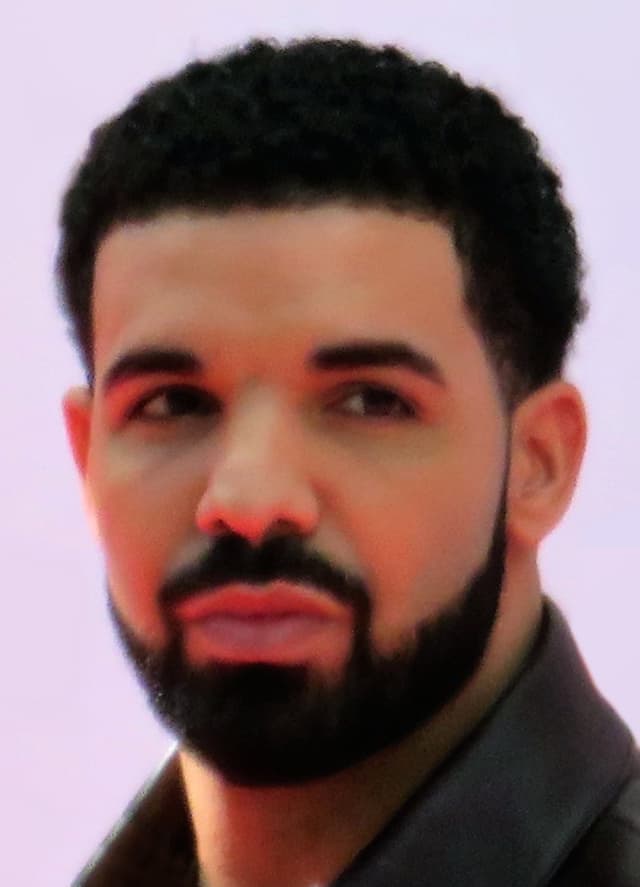
When Aubrey Drake Graham released his third mixtape in 2009, hip-hop was dominated by braggadocio and street narratives. The Toronto native offered something different: vulnerability set to minimalist production, singing woven seamlessly into rap verses, introspection delivered without apology. That project, So Far Gone, didn't just launch a career—it redefined what a successful rapper could sound like. The former Degrassi actor transformed from punchline to paradigm, building a decade-plus run that made emotional accessibility and melodic experimentation central to mainstream hip-hop.
Drake's significance extends beyond commercial dominance, though his streaming numbers and chart performance remain unprecedented. He popularized a hybrid approach that dissolved boundaries between rap and R&B, creating space for artists who refused to choose between singing and rapping, between club records and bedroom confessionals. His Toronto roots brought a distinct perspective to a genre long centered on American cities, while his collaboration with producer Noah "40" Shebib established a sonic template—atmospheric, melancholic, bass-heavy—that echoed through the 2010s and beyond. Understanding Drake means understanding how hip-hop's emotional vocabulary expanded, how regional barriers crumbled, and how one artist's willingness to reveal weakness became a superpower.
Atmospheric Melancholy: The Sonic Architecture of Drake's Sound
Drake's sonic identity rests on contradiction: moody yet accessible, minimal yet lush, introspective yet designed for mass consumption. The foundation comes from his partnership with 40, whose production aesthetic favors empty space, sub-bass weight, and carefully placed ambient textures. Early tracks employed sparse drums, allowing Drake's voice—whether rapping or singing—to occupy the foreground without competition. This wasn't the sample-heavy boom-bap of New York or the funk-driven G-funk of California. It was something colder, more nocturnal, reflecting Toronto's winter isolation and late-night contemplation.
Vocally, Drake operates in multiple registers without code-switching. He transitions from conversational rap delivery to sung melodies within single verses, treating the spectrum as continuous rather than binary. His rap flow emphasizes clarity and rhythm over technical complexity—he's rarely the fastest or most intricate, but his cadence locks into beats with precision. When singing, he employs Auto-Tune not as effect but as texture, smoothing edges while maintaining emotional transparency. This vocal approach democratized hip-hop for artists who couldn't or wouldn't commit fully to traditional rap delivery.
Production-wise, Drake's collaborations extend beyond 40 to include Boi-1da, T-Minus, and later figures like Metro Boomin and Murda Beatz. Each brought different textures—Boi-1da's sample-based warmth, Metro's trap menace—but Drake's projects maintain coherence through his vocal presence and thematic consistency. He absorbed dancehall riddims, UK grime flows, Chicago drill energy, and Afrobeats grooves without abandoning his core sound. The result is a discography that reflects hip-hop's global conversation while remaining unmistakably his.
The Slow Build and Sustained Peak: Mapping Drake's Artistic Trajectory
Drake's path began unconventionally. His acting career on Degrassi: The Next Generation provided visibility but also skepticism—rappers didn't come from teen dramas. His early mixtapes, particularly 2009's So Far Gone, flipped that narrative by leaning into rather than away from his background. Tracks like "Marvin's Room" and "The Resistance" showcased emotional vulnerability uncommon in mainstream rap, while "Best I Ever Had" demonstrated commercial viability. The mixtape's success led to a bidding war won by Lil Wayne's Young Money Entertainment, positioning Drake within hip-hop's establishment while maintaining his outsider perspective.
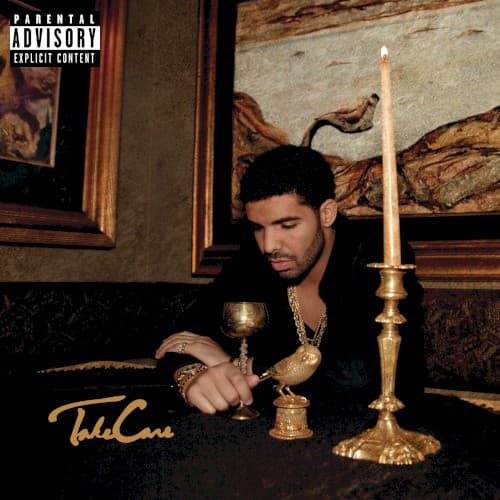
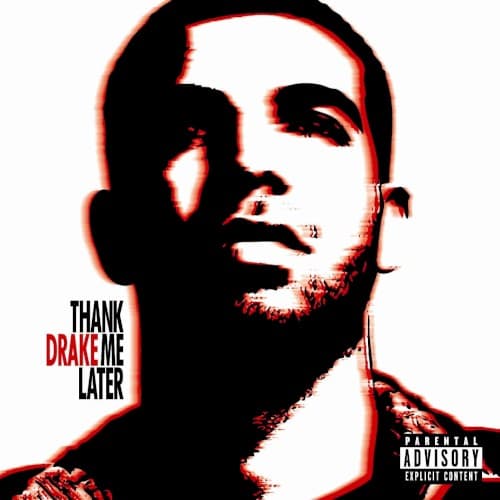
His 2010 debut album Thank Me Later arrived with massive expectations, debuting at number one but receiving mixed critical response. The album captured an artist navigating sudden fame's disorientation—simultaneously grateful and overwhelmed, confident and insecure. Sonically, it refined the So Far Gone template while expanding sonic palette. His sophomore effort, Take Care (2011), solidified his artistic vision. Working primarily with 40, the album stretched to 80 minutes of nocturnal reflection, featuring collaborations with The Weeknd (then an unknown) and Rihanna. It balanced commercial singles with deep album cuts, establishing Drake's capacity for both.
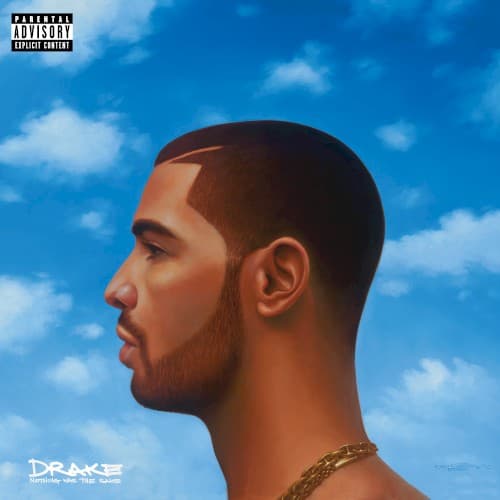
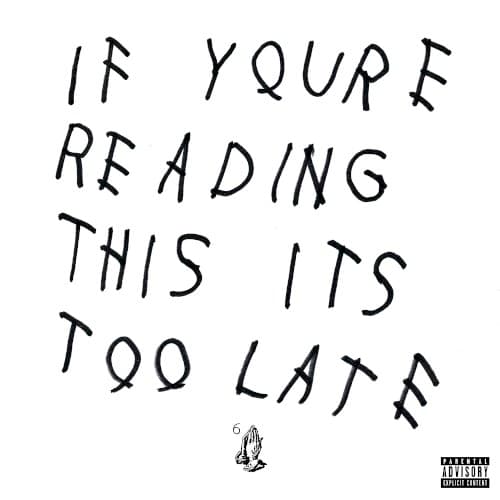
Nothing Was the Same (2013) marked stylistic consolidation. Tracks like "Tuscan Leather" and "Pound Cake" showcased improved technical ability, while "Hold On, We're Going Home" demonstrated his pop instincts. The album sold over a million copies in its first week, cementing his commercial dominance. If You're Reading This It's Too Late (2015), surprise-released as a mixtape, took a harder turn—more aggressive flows, darker production, less singing. It revealed his range while quieting critics who questioned his credibility.
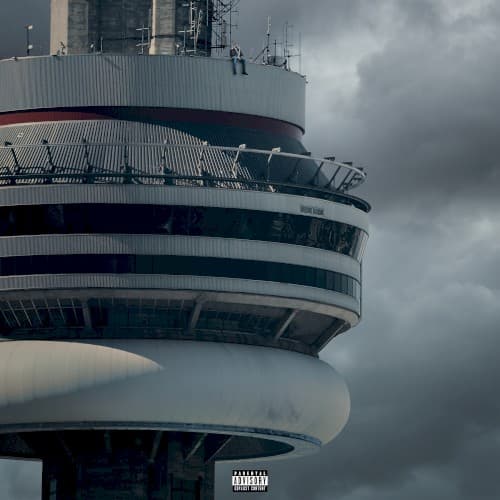
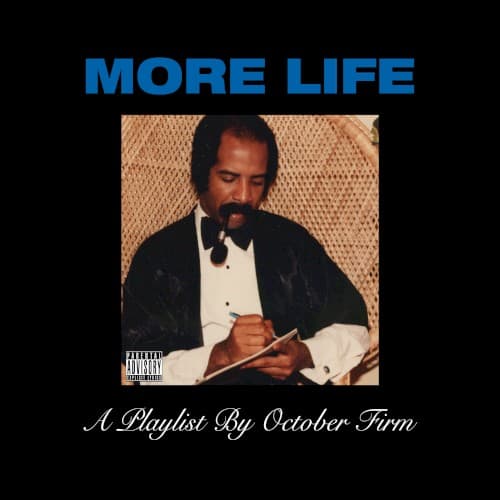
Views (2016) represented both peak and plateau. The album broke streaming records and spent 13 non-consecutive weeks atop the Billboard 200, propelled by singles like "One Dance" (which incorporated Afrobeats and UK funky) and "Controlla" (built on dancehall). Its 81-minute runtime and Toronto-centric themes divided opinion—some heard artistic statement, others heard bloat. More Life (2017), labeled a "playlist" rather than album, continued his genre-hopping approach, featuring UK grime artists and South African producers.
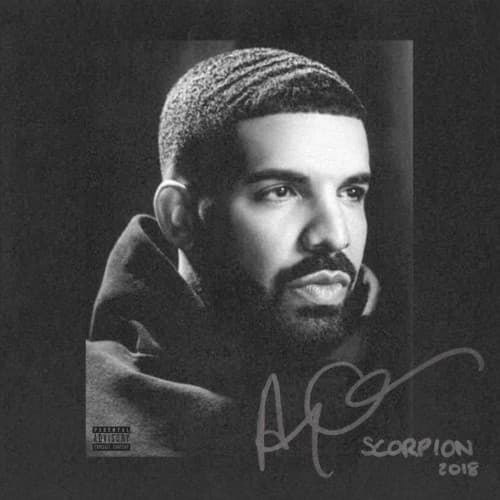
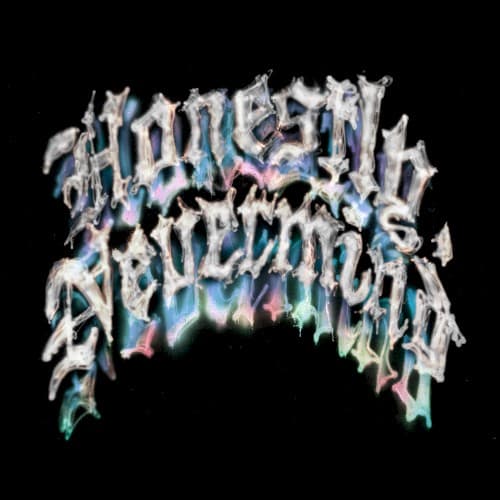
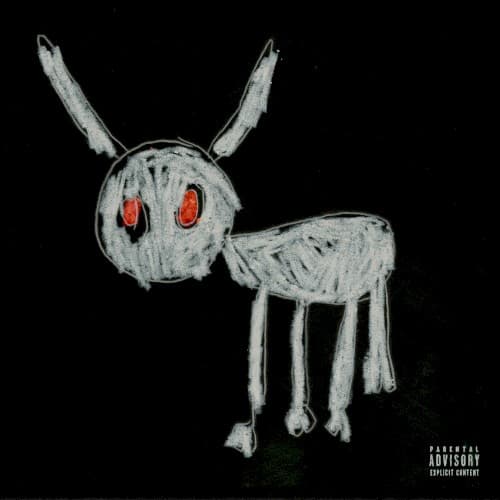
Scorpion (2018) pushed the double-album format to excess—25 tracks split between rap-focused and R&B-focused sides. "God's Plan" became ubiquitous, but the album's length felt indulgent. His subsequent releases—Care Package (2019, a compilation of loosies), Dark Lane Demo Tapes (2020), Certified Lover Boy (2021), Honestly, Nevermind (2022, a dance/house pivot), and For All the Dogs (2023)—showcased restless experimentation and commercial consistency but sparked debate about quality control. The sheer volume of output, combined with evolving hip-hop landscape, raised questions about artistic focus.
Throughout his career, Drake's beef with other rappers—Meek Mill, Pusha-T, Kanye West—provided narrative fuel. These conflicts revealed his competitive nature while sometimes exposing vulnerabilities, particularly when personal information became ammunition. His ability to weather controversy while maintaining commercial success speaks to his audience's loyalty and his strategic acumen.
The Template Maker: How Drake Rewired Hip-Hop's Commercial DNA
Drake's influence operates on multiple levels. Most immediately, he made emotional vulnerability commercially viable in hip-hop. Before him, introspection existed—see Kanye West's work or the reflective moments in Jay-Z's catalog—but rarely as the primary mode. Drake centered it, proving that songs about relationship regret and self-doubt could dominate charts. This opened doors for artists like J. Cole, who similarly prioritizes introspection, and for an entire generation of melodic rappers who blend singing and rapping without apology.
The Toronto sound he and 40 developed became a global export. That specific combination of sparse drums, heavy bass, and ambient texture influenced producers worldwide. You hear it in the work of artists far removed from Drake's style, absorbed as part of hip-hop's production vocabulary. His willingness to incorporate global sounds—dancehall, Afrobeats, grime—accelerated hip-hop's international turn, validating non-American influences within the genre's mainstream.
His business approach set precedents too. The OVO Sound label, though not prolific in discovering major artists, established a brand encompassing music, fashion, and Toronto civic identity. His streaming strategy—surprise releases, playlist dominance, feature maximization—became industry standard. His longevity at the commercial peak, sustaining relevance across format shifts and generational changes, provides a blueprint for career management in streaming's fragmented landscape. Whether his artistic legacy matches his commercial impact remains debated, but his reshaping of hip-hop's sonic and emotional boundaries is undeniable. He proved that you could be from Toronto, that you could sing, that you could admit weakness—and still dominate.