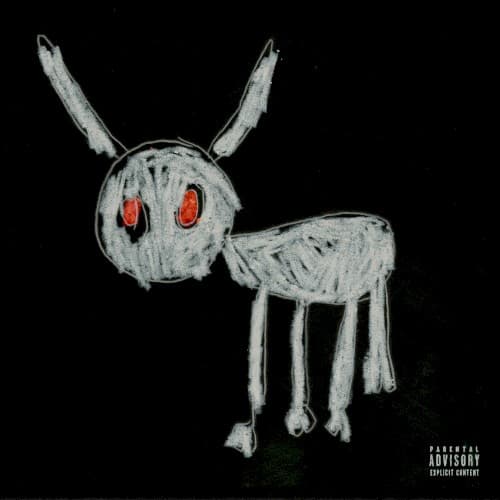
Drake For All the Dogs — When Quantity Became the Strategy
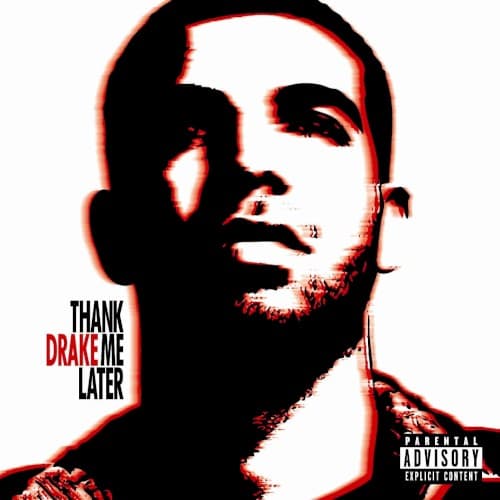
Twenty-three tracks. Eighty-three minutes. The math tells you everything you need to know about where Drake's head was when he assembled this. There is no universe where this needed to be longer than *Scorpion*, no argument for why a project arriving in 2023 should demand more time than *Nothing Was the Same* and *Take Care* combined.
But here we are.
The album sprawls not because the material demands it, but because the streaming era has trained the biggest rapper alive to treat albums like playlists. More songs equal more streams equal more chart dominance. The artistic cost of that equation? That is somebody else's problem.
Drake has spent the past five years locked into a formula that works commercially but diminishes him creatively. The man who once sequenced albums like emotional arcs now dumps twenty-three tracks into the marketplace and calls it a project. Some of them are excellent. Some of them sound like they were finished on the ride to the mastering session.
Most of them exist in the frustrating middle ground where you can hear the talent fighting through the exhaustion. Is this still the voice that defined a generation? Or is this what happens when an artist stops editing himself because nobody around him has the authority to say no?
The Sound of Running in Place
Sonically, *For All the Dogs* feels like Drake raiding his own vault and hoping nobody notices he has been here before. The production palette toggles between sleek R&B minimalism and sample-heavy throwback boom-bap, but the switches feel arbitrary rather than intentional. 40 remains present but no longer dominant. Conductor Williams, Boi-1da, and Vinylz contribute across the tracklist, and their work is competent but rarely inspired.
The piano loops sound expensive.
The drums hit clean. The whole thing feels professionally assembled and emotionally distant. Lyrically, Drake is still capable of sharp, self-aware moments, but they arrive surrounded by filler bars about exes who wronged him and women who want him now that he is famous.
The catalog of grievances has become repetitive. We have heard this song before, multiple times, on multiple albums. His vocal delivery remains technically proficient. He can still ride a beat, still locate pockets that less talented rappers would miss.
But there is a weariness creeping into his tone, a sense that he is going through motions rather than discovering new territory. The melodic passages feel like muscle memory. The rap verses feel like contractual obligations. Where is the hunger?
The problem is not that Drake cannot rap or sing anymore.
The problem is that he has stopped challenging himself. He has found a lane that generates hits and critical thinkpieces, and he has parked there. When Kendrick Lamar drops an album, you hear an artist pushing against his own limits. When Drake drops an album now, you hear a brand maintaining market share.
The Journey Through the Bloat
The first stretch of *For All the Dogs* moves with purpose, cycling through moods and tempos with enough variety to suggest Drake still understands how to build momentum. Then the middle section arrives and the whole thing starts to sag under its own weight. You can feel the sequencing decisions getting lazier, the transitions getting sloppier, the runtime becoming a liability rather than an asset.
There are moments where the album threatens to cohere. A three-song stretch will lock into a vibe, establish a groove, make you believe Drake has a larger vision for the project. Then an interlude lands that adds nothing, or a feature arrives that disrupts the flow, or a track overstays its welcome by a full minute.
By the time you reach the back half, the exhaustion is mutual. Drake sounds tired. You feel tired. The album is not building toward anything, it is just continuing.
The closing run attempts to recapture urgency but mostly underlines how much stronger the project would have been at fifteen tracks. This is not a listening journey. This is a streaming-era dump truck backing up and unloading everything that cleared sample rights. The pacing is nonexistent, the arc is imaginary, and the sense of bloat is overwhelming.
Drake once knew how to end an album. This one just stops.
The Diminishing Returns of More
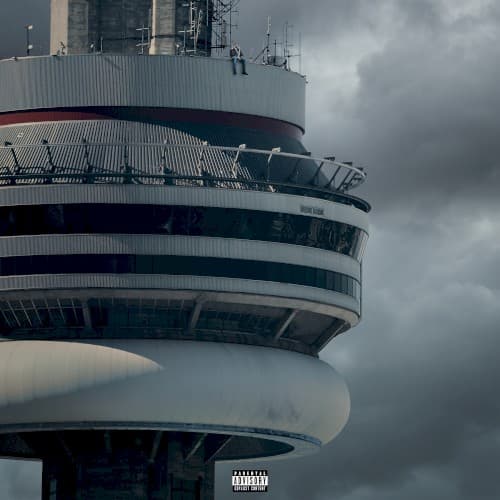
Within Drake's discography, *For All the Dogs* ranks somewhere in the overcrowded middle tier with *Views* and *Certified Lover Boy* — albums that contain excellent individual songs but fail as cohesive artistic statements. This is the work of a rapper who has lost interest in making albums and started making content. Fans who loved *Take Care* and *Nothing Was the Same* will find moments worth revisiting here, but they will also spend a lot of time skipping. Casual listeners will cherry-pick the singles and move on.
Nobody is playing this front to back twice. The album works best as background music for long drives or late nights when you are not paying full attention. It does not demand focus because it was not made with focus.
If you are new to Drake, do not start here. Go back to *Take Care* or *If You're Reading This It's Too Late* to hear what he sounds like when he still cares about every song. For longtime fans, *For All the Dogs* confirms a troubling pattern: the more music Drake releases, the less essential each individual project becomes.
Standout tracks worth returning to include 8am in Charlotte, First Person Shooter, and Calling for You. If you enjoyed this, try *Honestly, Nevermind* for a more focused exploration of Drake's house music ambitions, or revisit *More Life* to hear him execute the playlist concept with more intention.
Long-term, this album will be remembered as another entry in Drake's late-career drift away from artistic rigor. He is still capable of greatness. He just chooses volume over curation now.
Track Listing
Virginia Beach
●Drake opening an album with a relatively low-key, introspective track signals ambition, but "Virginia Beach" never justifies its six-minute runtime. The production is spacious and melancholic, built around a piano loop that feels expensive but emotionally inert. Drake's vocal delivery is restrained, almost drowsy, as he cycles through familiar themes: fame fatigue, romantic regret, industry politics. The structure meanders. There is no hook strong enough to anchor the song, no lyrical revelation compelling enough to justify the length. By the three-minute mark, you are checking how much time remains. This is Drake in his most self-indulgent mode, prioritizing vibe over substance, mistaking atmosphere for depth. Album openers should either punch you in the face or pull you into a narrative. This does neither.
Amen
▲Drake teams with Teezo Touchdown for a weird, off-kilter moment that almost works. The production is skeletal and strange, built around distorted vocal samples and minimal percussion. Teezo's raw, unpolished energy injects chaos into Drake's usually controlled universe. The contrast is jarring but effective. Drake sounds more alive here than he did on the opener, riding the beat with a looseness that suggests he is actually enjoying himself. The hook is repetitive but sticky. The verses are slight but committed. This is Drake experimenting, taking a risk, allowing a lesser-known artist to shape the song's identity rather than dominating it. The song is too short to fully develop its ideas, but that brevity works in its favor. In and out before you have time to overthink it.
Calling for You
▲The 21 Savage feature and the somber, piano-driven production make "Calling for You" one of the album's most emotionally resonant moments. Both rappers sound genuinely invested, trading verses that explore loyalty, loss, and the cost of maintaining relationships while navigating fame. The production is stark and beautiful, giving both voices room to breathe. Drake delivers one of his strongest vocal performances on the album, his melody winding through the verses with precision. 21 Savage matches him with a verse that is both hard and vulnerable, a balance he has perfected over the past few years. The song builds slowly, earning its emotional weight rather than demanding it. This is the kind of collaboration that justifies its existence, two artists pushing each other to do better work than they might have done alone. One of the project's clear highlights.
Fear of Heights
●J. Cole arrives for a duet that feels like two talented artists politely taking turns rather than actually engaging with each other. The production is lush and soulful, built around a warm sample and gentle percussion. Both rappers deliver technically proficient verses about success, pressure, and the isolating effects of fame. The problem is that nothing here feels urgent or revelatory. We have heard both of these men say these things before, in these exact cadences, on multiple other songs. The chemistry is fine but not electric. The hook is pleasant but forgettable. The whole thing sounds like a B-side that made the album because both names carry commercial weight. It is not bad. It is just unnecessary. Cole and Drake have collaborated multiple times over the years, and this ranks near the bottom of those efforts.
Daylight
●A breezy, mid-tempo R&B cut where Drake leans fully into his singing voice. The production is sun-drenched and smooth, evoking late summer evenings and expensive vacations. Lyrically, Drake is back in his comfort zone: women, distance, complicated relationships. The melody is strong enough to carry the song, but the verses feel like filler. There is no narrative arc, no emotional progression, just Drake cycling through familiar romantic territory without adding new insight. The song is pleasant background music. It will work in a playlist. It will not demand repeated listens. This is Drake on autopilot, delivering a competent but uninspired performance that sounds like ten other songs in his catalog. Fans of his R&B mode will find it serviceable. Everyone else will hit skip.
First Person Shooter
▲J. Cole returns for the album's most successful collaboration and one of its few genuine bangers. The production is sharp and aggressive, built around a menacing piano loop and hard-hitting drums. Both rappers arrive with competitive energy, trading bars that feel genuinely engaged rather than phoned in. Drake sounds focused, his flow sharp, his lyrics laced with quotable lines about legacy and dominance. Cole matches him bar for bar, delivering a verse that reminds you why he remains one of the best pure rappers of his generation. The hook is simple but effective, built for arenas and headphones alike. This is the version of Drake that fans have been waiting for — hungry, precise, willing to actually rap rather than float over beats. The song feels like a mission statement, an attempt to reclaim territory in a landscape where younger artists are encroaching. It works. This is the kind of track that justifies the album's existence, proof that Drake can still deliver when he chooses to focus.
IDGAF
▼Yeat shows up for a chaotic, high-energy collaboration that highlights how far apart these two artists are sonically. The production is abrasive and blown-out, filled with distorted bass and frenetic percussion. Yeat delivers his verse in his signature warbly, effects-heavy style, and the contrast with Drake's cleaner, more controlled delivery is jarring. Drake sounds out of place here, like he is trying to code-switch into a younger generation's language but does not fully commit. The song is messy and overlong, with neither artist finding a comfortable middle ground. This is Drake chasing trends rather than setting them, and the desperation is audible. The hook is grating, the verses are forgettable, and the whole thing feels like a failed experiment. Skip.
7969 Santa
●A solid, mid-tempo rap track where Drake returns to his braggadocious mode. The production is clean and polished, built around a looped sample and crisp drums. Drake's flow is confident and relaxed, cycling through bars about success, wealth, and the women who come with both. The verses are technically proficient but lyrically unremarkable. The hook is serviceable but not sticky. This is Drake doing what he does well — delivering a competent rap performance that sounds expensive and professional but lacks emotional depth or narrative ambition. The song will satisfy fans who just want to hear him rap over a good beat, but it will not stand out in his catalog. Solid filler.
Slime You Out
●SZA arrives for a collaboration that sounds like it was designed in a boardroom rather than a studio. The production is sleek and minimalist, built around sparse percussion and atmospheric synths. SZA delivers a strong hook and a verse that outshines Drake's contribution, her vocal performance bringing more texture and emotion to the song than anything he offers. Drake's verses are lethargic and uninspired, cycling through familiar complaints about dishonest women and failed relationships. The chemistry between the two is nonexistent. They sound like they recorded their parts in separate time zones and never spoke to each other. The song is not actively bad, but it is deeply disappointing given the potential of this pairing. SZA deserved a better Drake verse. Fans deserved a better collaboration.
Bahamas Promises
▼A forgettable R&B cut that vanishes from memory the moment it ends. The production is pleasant and tropical, evoking island vacations and luxury resorts. Drake sings about promises made and broken, romantic entanglements that complicate his lifestyle. The melody is fine but generic, the lyrics are vague and unspecific, and the whole thing feels like it was assembled from leftover pieces of better songs. There is nothing offensively bad here, but there is also nothing worth remembering. This is the kind of track that exists solely to pad a tracklist, to push the album closer to the ninety-minute mark because more content equals more streams. Skip.
Tried Our Best
●Drake reflects on a failed relationship with a weary, resigned tone that almost works. The production is subdued and melancholic, built around a looped vocal sample and minimal percussion. Drake's delivery is understated, his lyrics cycling through regret and hindsight with more vulnerability than he has shown on most of the album. The problem is that the song never builds to anything. It just lingers in its sadness without offering resolution or insight. The hook is repetitive but not memorable. The verses are confessional but not revelatory. This is Drake doing wounded introspection, a mode he has perfected over the years, but here it feels tired rather than affecting. The song is not bad, it is just redundant. We have heard him say all of this before, and he has said it better.
Screw the World (interlude)
▼A brief, atmospheric interlude that adds nothing to the album. Thirty seconds of ambient noise and vague vocal fragments. Why is this here? What purpose does it serve? Interludes should transition between moods or provide breathing space in a narrative arc. This does neither. It just exists, taking up space on an already bloated tracklist. Skip.
Drew a Picasso
●A mid-tempo track where Drake attempts to weave metaphors about art and relationships. The production is smooth and jazzy, built around a piano loop and understated drums. Drake's vocal delivery is relaxed, his flow unhurried, his lyrics cycling through comparisons between romantic chaos and abstract expressionism. The metaphor never fully coheres. The song feels like a sketch rather than a finished piece, ideas introduced but not developed, references made but not earned. The hook is weak, the verses meander, and the whole thing feels like Drake trying to sound clever without putting in the work to actually be clever. This is filler pretending to be substance.
Members Only
▲PARTYNEXTDOOR shows up for a moody, atmospheric collaboration that leans heavily into dark R&B textures. The production is cavernous and hypnotic, built around reverb-drenched synths and slow, trudging percussion. Both artists deliver understated vocal performances, their voices blending together in a way that suggests genuine creative chemistry. The song's vibe is its greatest asset — this sounds like music made for 3am drives through empty cities, windows down, no destination in mind. Lyrically, both Drake and PARTY explore themes of hedonism, detachment, and the emptiness that comes with endless access. The song is too long and probably could have been trimmed by a minute, but it works better than most of the album's collaborations because both artists are operating in the same emotional register. This is the kind of moody, late-night Drake that fans still show up for.
What Would Pluto Do
▼Future appears for a hyperactive, high-energy collaboration that feels like it belongs on a different album entirely. The production is aggressive and chaotic, built around distorted bass and rapid-fire hi-hats. Future delivers his verse in full Pluto mode — ad-libs everywhere, vocal effects cranked, energy relentless. Drake tries to match that intensity but sounds uncomfortable, like he is wearing somebody else's clothes. The chemistry is off. The song lurches between their two styles without finding a coherent middle ground. The hook is repetitive and grating, the verses are forgettable, and the whole thing feels like a misfire. This is Drake trying to keep pace with an artist whose natural mode is chaos, and the strain is audible. Future has made dozens of better songs with other collaborators. Drake has too. This one will be forgotten immediately.
All the Parties
●A breezy, upbeat track where Drake adopts a sing-songy flow over bright, dancehall-influenced production. The vibe is carefree and summery, evoking Caribbean beaches and endless champagne. Drake's melody is catchy, his delivery is relaxed, and the whole thing goes down easy. The problem is that it is also completely insubstantial. There is no lyrical depth here, no narrative ambition, just Drake coasting on vibes and hoping the production carries him. The song will work in playlists and at parties, but it will not demand repeated listens. This is Drake doing what he has done a hundred times before, delivering a pleasant but forgettable piece of pop-rap that sounds expensive and feels empty. Solid background music. Nothing more.
8am in Charlotte
▲One of the album's clear standouts and a reminder of what Drake is capable of when he actually focuses. The production is menacing and minimalist, built around ominous keys and sparse drums that give Drake's voice room to dominate. This is Drake in full rap mode — no singing, no melody, just bars. His flow is sharp and precise, his delivery confident, his lyrics filled with shots at unnamed enemies and reflections on his position in the game. The song feels like a mission statement, Drake reasserting his dominance in a landscape where younger artists are challenging his throne. The verses are dense and quotable, the energy is relentless, and the whole thing feels like Drake actually cared about every line. This is the kind of track that reminds you why he became the biggest rapper alive. No features, no gimmicks, just Drake over a hard beat doing what he does best. Essential.
BBL Love (interlude)
▼Another pointless interlude. Forty seconds of Drake talking over minimal production. Why? What is the purpose? This does not advance the album's narrative, does not provide a meaningful transition, does not offer insight or humor. It just exists, padding the runtime for no artistic reason. Skip.
Gently
●Bad Bunny arrives for a bilingual collaboration that feels half-finished. The production is tropical and upbeat, built around Latin-influenced percussion and bright synths. Bad Bunny delivers his verse with his usual charisma and energy, his Spanish flow adding texture to the song. Drake's contribution is weak by comparison — his verse is short and uninspired, his melody is generic, and he sounds like he is going through the motions. The song has potential but never realizes it. The collaboration feels like a missed opportunity, two massive artists from different worlds briefly crossing paths but never fully engaging with each other. This will disappear from memory within a week.
Rich Baby Daddy
▼Sexyy Red and SZA both appear on a chaotic, overstuffed track that tries to do too much and ends up doing nothing particularly well. The production is cluttered and busy, cycling through multiple beat switches and tempo changes without establishing a coherent vibe. Sexyy Red delivers her verse with raw, unpolished energy, but her style clashes with the song's polished production. SZA's hook is strong but underutilized. Drake's verses are forgettable, buried under too many competing elements. The song feels like three different ideas forced into one track because somebody thought having multiple big names on the same song would guarantee a hit. It does not work. The song is messy, overlong, and frustrating. All three artists have done better work elsewhere.
Another Late Night
●Lil Yachty shows up for a sleepy, atmospheric collaboration that sounds like both artists recorded their parts half-asleep. The production is hazy and minimalist, built around dreamy synths and sparse percussion. Both Drake and Yachty deliver understated vocal performances, their voices blending together in a way that is pleasant but unmemorable. The song drifts by without demanding attention, content to exist as background music for late-night drives or early-morning comedowns. There is no hook strong enough to anchor the track, no lyrical moment compelling enough to justify repeated listens. This is music designed for playlists, not albums. It will work in the right context and vanish in every other. Forgettable.
Away From Home
●A reflective, mid-tempo track where Drake explores the isolation and exhaustion of his lifestyle. The production is subdued and melancholic, built around a looped sample and minimal drums. Drake's vocal delivery is weary, his lyrics cycling through familiar themes: distance from loved ones, the cost of fame, the emptiness of success. The song feels genuine in its vulnerability, but it also feels redundant. Drake has been making songs like this for over a decade, and he has not found new ways to say these things. The melody is pleasant, the production is professional, and the whole thing sounds expensive. But there is no insight here that he has not offered before, no emotional revelation that justifies another entry in this particular subgenre of his catalog. Solid but unnecessary.
Polar Opposites
●The album closes with a subdued, introspective track that attempts to tie together the project's themes of duality, contradiction, and self-examination. The production is sparse and haunting, built around a simple piano loop and distant percussion. Drake's vocal delivery is understated, his lyrics exploring the tension between his public persona and private reality. The song is too long and meanders through its ideas without arriving at a satisfying conclusion. As a closer, it is anticlimactic. Albums should either end with a bang or a quietly devastating emotional statement. This does neither. It just fades out, leaving the listener with the sense that Drake ran out of things to say but kept recording anyway. A weak ending to an overstuffed album.