Drake Views — When Toronto Conquered the World and Forgot Why
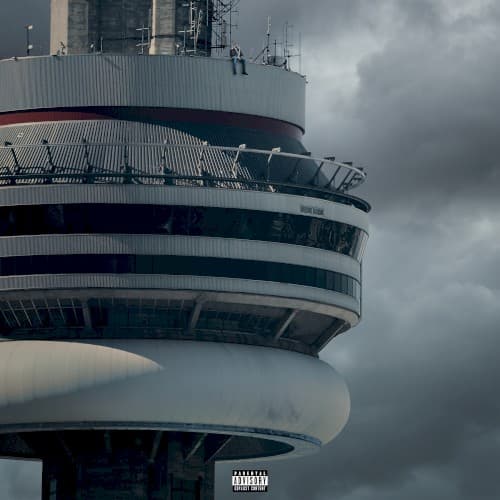
Remove this album from the timeline and dancehall never becomes a global pop template. The patois-inflected flows, the Afrobeats drum patterns, the way Caribbean rhythms bleed into North American rap — all of it traces back to April 2016, when Drake decided Toronto's multicultural sprawl was ready to colonize every radio format simultaneously. The album sold a million copies in its first week. One Dance became the most-streamed song on Spotify.
By summer every rapper from Atlanta to London was chasing that same fusion of island heat and Northern melancholy. But success this massive creates its own problems. At twenty tracks and eighty-one minutes, Views feels less like a statement and more like a victory lap that forgot to end.
The triumph is real — this is the sound of Drake at his commercial peak, dictating trends instead of chasing them. The fatigue is equally real. How much brooding can one album contain before the mood curdles into self-parody?
The answer depends on whether you showed up for the hits or the journey. Views delivers both, then overstays its welcome by about fifteen minutes. It is the album where Drake became too big to fail and too comfortable to take risks.
When Cold Meets Heat
The production pulls in two directions at once. 40 and his OVO collaborators build soundscapes that feel like standing outside a Toronto club at three AM — cold air, warm bass, the hum of a city that never quite sleeps. Then the Caribbean influence crashes in like summer vacation, all steel drums and dancehall bounce, sunshine imported to thaw the permafrost.
The fusion works when Drake commits fully to either pole. The problem is the middle distance, where songs drift in synthetic R&B limbo, neither hot nor cold, just expensive and pleasant. Nineteen Eighty Five and Boi-1da anchor the Toronto side with their usual sparse precision. Wizkid and Nineteen Eighty Five bring the island heat.
The tension between these modes should create dynamic contrast. Instead it creates bloat, because Drake refuses to choose.
Lyrically he is locked in the same three topics that defined If You're Reading This It's Too Late: fake friends, real women who left, fake women who stayed. The difference is IYRTITL had urgency. Views has leisure. He sounds like a man narrating his own life from behind glass, untouchable and slightly bored by his own untouchability.
The vulnerability that made Take Care compelling has calcified into performance. When he raps about struggle it feels like method acting. The vocal delivery stays in that same half-sung cadence for entire stretches, the flow so relaxed it borders on horizontal. Is this confidence or complacency?
The Album That Could Not Decide What It Wanted to Be
The first third moves with purpose. Drake establishes the mood, introduces the sonic palette, hints at actual stakes beneath the posturing. You believe he might build toward something.
Then the middle section loses all momentum. Songs begin to blend together, differentiated only by whether they lean more R&B or more dancehall, more introspective or more celebratory. The sequencing makes no emotional sense — a club record crashes into a ballad, a flex track into a heartbreak confession, with no connective tissue beyond the fact that Drake recorded all of them.
The back half tries to recover with a late stretch of stronger material, but by then the album has already exhausted its goodwill. This is the central failure of Views: it has no arc. It has vibes, plural and conflicting, stitched together by proximity rather than intention.
The deluxe edition adds Hotline Bling at the end like an afterthought, a song that dominated 2015 now demoted to bonus status. That decision alone reveals how confused the album is about its own identity. Take Care understood pacing. Nothing Was the Same understood restraint.
The Empire That Peaked Too Comfortable
This sits somewhere in the middle of Drake's discography — better than Scorpion, weaker than Take Care, more ambitious than Certified Lover Boy but less focused than If You're Reading This. It is the album where he became the biggest rapper alive and lost the hunger that got him there. The hits are hard to argue with. One Dance, Controlla, and Hotline Bling reshaped pop music for the next three years.
But the album tracks reveal an artist coasting on formula, convinced that more is better, unwilling to kill his darlings or tighten the edit. New listeners should start with the singles and move backward through his catalogue. Longtime fans will find moments to appreciate but nothing that justifies the bloat.
The influence is enormous — every rapper who blended rap with Afrobeats or dancehall after 2016 owes Drake a check. But influence and quality are not the same thing. This album opened doors it did not fully walk through.
Twenty years from now people will remember the singles and forget the deep cuts. That is not the mark of a classic. That is the mark of a playlist disguised as an album.
Track Listing
Keep the Family Close
●The opener sets the tone for everything that follows — lush, expensive, emotionally guarded, and way too long for its own good. The production sounds like standing in an empty penthouse at dawn, all reverb and negative space, piano chords echoing off marble floors. Drake sings almost the entire track, his voice hovering in that wounded falsetto he uses when he wants you to know he is vulnerable but not weak. The sentiment is classic Drake paranoia: everyone who got close betrayed him, success breeds isolation, the family is the enemy now. It is effective for about three minutes. Then it keeps going for another six, the same idea circling back on itself until the melancholy curdles into self-pity. The song never builds, never releases tension, just sustains one mood until it becomes wallpaper. As an album opener it establishes atmosphere. As a song it overstays by half.
9
▲The cleanest rap performance on the album arrives four minutes in. The beat sounds like frost forming on glass — minimal, brittle, hypnotic in its repetition. Drake finally raps with the cadence and precision that made him dangerous, the flow locked tight to the drums, every syllable placed with purpose. He is back in flexing mode, talking about chart dominance and OVO superiority, the kind of boasting that works because he has the receipts to back it up. The hook is simple repetition but it lands. The song structure is airtight — no bloat, no wasted bars, just three minutes of controlled aggression. This is what the entire album should have sounded like if Drake cared more about impact than runtime. Instead it becomes an outlier, a reminder that he still knows how to write a proper rap song when the mood strikes.
U With Me?
▼Another slow-motion R&B meditation that confuses patience with depth. The production is gorgeous in that expensive OVO way — synths that shimmer like heat haze, drums that barely touch the ground, vocals processed into silk. Drake is back in his feelings, questioning a woman's loyalty, cycling through the same passive-aggressive accusations that filled half of Take Care. The problem is the delivery. He sounds bored by his own questions, like he is reading from a script he has performed a hundred times before. The song drifts for five minutes without ever arriving anywhere. No climax, no revelation, no moment that justifies the runtime. It is mood music for people who mistake vibe for substance.
Feel No Ways
▲This one almost works. The beat has actual texture — a sample chopped and flipped with care, drums that knock without overwhelming the space, a bassline that actually moves. Drake splits the difference between rapping and singing, finding a pocket that feels natural instead of calculated. He is lamenting a relationship that ended before it began, the usual regret-and-resentment cocktail, but the specificity is sharper here. You can picture the argument, the unanswered texts, the way she moved on faster than he expected. The hook has staying power. The runtime is reasonable. The production choices show restraint. If the entire album sounded like this — focused, melodic, emotionally direct without drowning in its own drama — Views would have been a different conversation. Instead this becomes one of the few deep cuts worth returning to.
Hype
▲Finally, some energy. The beat bangs hard enough to justify its existence — heavy drums, menacing bass, the kind of trunk-rattling production that rappersactually get to flex over. Drake sounds awake for the first time in five tracks, his flow aggressive and direct, none of the half-sung languor that makes so much of this album feel sedated. He is talking his shit, reminding everyone he runs the game, dismissing competition with casual arrogance. The hook is a chant designed for arenas. The verses are punchy and quotable. For three minutes Drake remembers he is a rapper, not just a vibe curator, and the album benefits immediately. This should have been sequenced earlier to inject momentum. Instead it arrives after twenty minutes of slow-motion melancholy, a brief spike of adrenaline before the album sinks back into its comfort zone.
Weston Road Flows
●Drake returns to Toronto, literally and sonically, for six minutes of nostalgia-soaked storytelling. The production is warm and dusty, built around a sample that sounds like flipping through old family photos. He is rapping about his come-up, the neighborhood that raised him, the people who doubted him and the ones who believed before it was cool. This is the kind of song that works best for longtime fans who have followed the arc from Degrassi to dynasty. For everyone else it feels like an artist convincing himself his origin story still matters. The flow is relaxed but deliberate, the tone reflective without tipping into sentimentality. The problem is length — the song has maybe four minutes of actual content stretched across six. Drake loves the sound of his own reminiscing too much to edit himself. Still, this is one of the more human moments on an album that often feels like it was made by an algorithm trained on Drake's greatest hits.
Redemption
▼A slow jam that substitutes atmosphere for songcraft. The production is all mood and no movement, synths washing over drums that barely register, vocals floating in reverb like smoke. Drake is singing about a woman who might save him or might destroy him, the kind of vague romantic anxiety that filled every R&B album in 2016. The melody is pretty but forgettable. The lyrics are generic. The song drifts by without leaving an impression, the kind of deep cut that exists only to pad the tracklist and signal that Drake can still do sultry even when he has nothing new to say about desire. Skip.
With You
●Wizkid shows up for co-writing and co-production, bringing the Afrobeats pulse that will define the album's biggest moments. The beat bounces with that Lagos swing, drums that shuffle and skip, rhythm guitar that feels like sunshine. Drake sings the entire track, his voice lighter and more playful than the funeral march that dominated the first half. He is talking about summer love, easy desire, the kind of low-stakes romance that requires no introspection or emotional labor. It is a palate cleanser, a brief escape from the brooding, and it works precisely because it does not try to be deep. The song is too slight to be memorable but pleasant enough to not skip. Drake sounds like he is actually enjoying himself for once.
Faithful
▼Pimp C appears via posthumous sample, his voice ghosting over a beat that sounds like Houston slowed down and draped in velvet. PARTYNEXTDOOR shows up for an uncredited verse that adds nothing. Drake is back to worrying about loyalty and infidelity, the same thematic loop he has been running since the album started. The production is interesting — thick bass, eerie keys, a sense of dread lurking beneath the surface — but the song never capitalizes on the tension. It just sits in one gear for four minutes, atmospheric but inert. This is the third or fourth time Drake has covered this exact topic on this exact album. The diminishing returns are setting in hard.
Still Here
▼The title promises perseverance. The song delivers monotony. The production is minimal to the point of anemic, just a skeletal beat and some ambient texture, Drake's voice floating untethered with nothing to anchor it. He is reflecting on his career, the grind, the fake friends, the pressures of staying on top. All of it delivered in that half-asleep cadence that makes every word feel like it is costing him energy he does not have. The song has no hook, no structure, no reason to exist beyond giving Drake another four minutes to remind you he is tired of being Drake. Skip without regret.
Controlla
▲The island heat finally arrives in full force, and the album wakes up. The beat is pure dancehall fire — skittering drums, bass that bounces instead of rumbles, guitar licks that sound like Port Antonio at sunset. Popcaan contributes vocals that give the track authenticity Drake cannot manufacture on his own. Drake adopts a patois-inflected flow that will get him dragged on Twitter for cultural appropriation, but the song is too infectious to deny. The hook is a weapon, designed to dominate summer playlists and festival sets. The production is immaculate. The vibe is undeniable. This is Drake understanding that sometimes you just need to make people move instead of making them think. The influence this track had on pop music for the next three years is staggering — every artist with a passport started chasing this exact fusion of Caribbean rhythm and North American rap. Whether Drake earned the right to mine this sound is a different conversation. What is undeniable is that he executed it better than almost anyone who followed.
One Dance
▲The biggest song of Drake's career, and deservedly so. Wizkid and Kyla show up for the perfect collaboration, their voices blending into something bigger than any individual contribution. The production is a masterclass in restraint — Afrobeats percussion, a piano loop that sounds like memory, bass that throbs without overwhelming. The song is about dancing away heartbreak, using movement and touch to forget someone who refuses to leave your head. It is simple, direct, emotionally resonant without overexplaining itself. The runtime is tight. The hook is eternal. The groove is inescapable. This is what happens when Drake stops overthinking and lets the music carry the emotion. The song became the most-streamed track on Spotify for a reason — it works in the club, in the car, at the wedding, in the breakup playlist. It transcends the album it came from. In twenty years when people talk about Drake's legacy, this song will be in the top five. Everything else on Views is context. This is the text.
Grammys
▼Future shows up for a feature that feels phoned in from a completely different album. The beat tries to split the difference between Atlanta trap and Toronto gloom, and the result is a muddy compromise that serves neither artist. Drake is back to flexing about awards and chart dominance, the kind of boasting that worked better when he still sounded hungry. Future delivers his verse in that signature mumble, barely present, his energy so low it feels like he recorded it half-asleep. The song has no momentum, no chemistry between the two artists, no reason to exist beyond reminding listeners that Drake and Future made a mixtape together once. The hook is weak. The production is cluttered. Skip and revisit What a Time to Be Alive instead.
Childs Play
▲Drake gets petty, and the album benefits from his specificity. The production is bouncy and playful, built around a sample that sounds like childhood innocence twisted into adult resentment. He is airing out a relationship that ended badly, calling out immature behavior, turning personal grievances into quotable punchlines. The Cheesecake Factory line becomes an instant meme. The song is funny in a way Drake rarely allows himself to be — self-aware, sharp-tongued, willing to look ridiculous if it lands the joke. The runtime is reasonable. The energy is consistent. The concept is clear. This is the kind of deep cut that rewards fans who stick around past the singles. It is not essential, but it is fun, and fun is in short supply on an album this determined to brood.
Pop Style
●The Throne shows up — Jay-Z and Kanye West on a posse cut that should have been a historic moment. Instead it is a missed opportunity buried on a bloated tracklist. The original version had both verses. The album version keeps only Kanye, and even his contribution feels like a rough draft. The beat is menacing, all low-end threat and eerie keys, the kind of production that demands top-tier performances. Drake delivers, his flow sharp and aggressive, remind everyone he can still rap when he wants to. But the song feels incomplete, a sketch instead of a finished work. The decision to bury this deep in the tracklist and strip it of Jay-Z's verse suggests even Drake knew it did not live up to its potential.
Too Good
●Rihanna arrives for a duet that sounds like two superstars recording in separate rooms and hoping the engineer could make it work in post. The production is sleek and dancehall-adjacent, drums that shuffle with island ease, keys that shimmer like heat on asphalt. Both artists are singing about a relationship that looks good from the outside but feels hollow within. The concept is solid. The execution is tepid. Rihanna sounds engaged but not invested, like she is doing a favor instead of collaborating. Drake matches her energy, which means both of them are operating at seventy percent. The song is pleasant, radio-friendly, forgettable. For two artists who have undeniable chemistry on other tracks, this feels like a wasted opportunity. It is the kind of collaboration that exists because both artists were hot in 2016, not because either of them had something urgent to say together.
Summers Over Interlude
●Forty-five seconds of Majid Jordan crooning over minimalist production. It functions as a palate cleanser, a brief exhale before the album's final stretch. The interlude is pretty but inessential, the kind of textural moment that works in the sequencing but has no standalone value. It is fine. It is forgotten thirty seconds after it ends.
Fire & Desire
▼Drake spends nearly eight minutes trapped in his own head, spiraling through jealousy and obsession, unable to let go of a woman who clearly moved on. The production is lush and slow, synths washing over barely-there drums, the entire track suspended in amber. He is singing almost the entire runtime, his voice processed into something ghostly and distant, like he is narrating the breakup from another dimension. The lyrics are specific enough to feel personal — references to Paris, to other men, to conversations that ended in silence. But the song is too long, too formless, too willing to wallow in its own misery without offering catharsis or resolution. It is Drake at his most self-indulgent, convinced that his pain is interesting enough to sustain eight minutes of repetition. It is not. The song has maybe four minutes of actual content. The rest is padding, atmosphere stretched past its breaking point. For fans who love Drake's introspective side, this will resonate. For everyone else, it is a bathroom break.
Views
●The title track shows up with three songs left, which tells you everything about how much thought went into this album's structure. The production is cold and aquatic, synths that sound like ice melting underwater, drums that barely register. Drake is rapping about loyalty and legacy, the weight of expectation, the view from the top of the city he put on the map. The lyrics are reflective without being revelatory. The flow is measured, almost academic, like he is reading from a manifesto instead of living in the moment. The song is fine. It is well-crafted. It is also completely inessential, a title track that carries no weight, no climax, no sense that this is where the album was building toward. It is just another song on an album that has too many songs.
Hotline Bling
●The song that dominated 2015 gets tacked onto the end of the album like an afterthought, a decision that makes zero sense from any artistic or commercial perspective. By the time Views dropped, everyone had already heard Hotline Bling a thousand times. The memes had peaked. The Erykah Badu comparisons had been made and dismissed. Adding it as the closing track does not recontextualize the song or the album. It just makes the album feel longer. The song itself is still great — the minimalist production, the sing-song flow, the way Drake turns romantic insecurity into a global phenomenon. But it belongs on a different project, or as a standalone single, not as the final word on an album that already struggled with identity and cohesion. This is the equivalent of a director adding a post-credits scene that was shot for a different movie. It confuses instead of clarifies.