The scorecard
7.3/10 · Good
- Writing25%
- 7.0
- Production25%
- 7.5
- Delivery15%
- 7.5
- Cohesion15%
- 7.0
- Originality10%
- 7.5
- Replay value10%
- 7.5
Olu and WowGr8 write with a strong sense of place and character, using Atlanta landmarks, shifting rhyme patterns and a lived-in point of view on the best verses.
The record draws on funk, blues, gospel and 90s R&B with a warmth and variety that few rap albums of its year matched, and the Bink! and Childish Major beats stand out.
The pair swap between rapping and singing with ease, and the hooks on Wings and Trippin stick because the performances sell them.
The Oz-style concept is more mood than plot and a few mid-album songs blur together, but the sequence holds a clear identity across fourteen tracks.
The mix of Southern soul lineage, film-score ambition and eccentric rapping gives the album a voice that is not a copy of any one peer.
The singles and the closing stretch repeat well, while some of the quieter cuts reward patience more than urgency.
EarthGang Mirrorland — Writing Atlanta as a Place You Can Walk Through
The most interesting thing about Mirrorland is how much of its writing is about geography. Olu and WowGr8 treat Atlanta as a setting with its own weather, roads and social codes, and they build the album as a walk through it rather than a list of songs. The thesis of this review is that the writing is the album's real achievement. The production is warm and the hooks are strong, but what lifts Mirrorland above the competition is the way the two rappers turn specific, local detail into a coherent point of view, and the way they let that detail carry feeling instead of just decorating it.
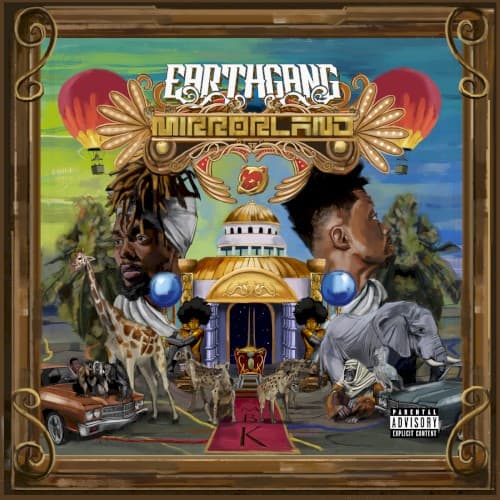
The framing helps. The duo described the record as an attempt to build another world in the spirit of a classic film musical, and the first track plays like an overture: loud, colorful, slightly dangerous and long enough to wander into a gospel-style outro. That ambition could have produced something bloated, and the album does sag in places, but the concept works because it gives the writing a frame. Songs become scenes, and the verses read as characters, with a speaker who has a voice, a location and a mood rather than a set of generic boasts.
What the lyrics do well, mechanically, is shift register without breaking the line. A typical verse here moves from a joke to a grievance to a small, precise image, and the rhyme patterns follow the turn: tight internal rhyme when the mood is playful, looser and more spoken when it is serious. Neither rapper writes for the quotable line alone. They write for the arc of a verse, and the best of them end somewhere different from where they started.
That approach makes the album more literate than most debuts and more disciplined than the group's earlier, looser work. It does not make it flawless. Some of the quieter songs lean on mood where the writing should supply an idea, and a few hooks are better than the verses that surround them. But the pattern holds: this is a record where the words are doing as much work as the beats, and that is rarer than it should be.
Place, Voice and the Mechanics of a Good Verse
The strongest writing on the album is built from place. A reviewer noted that one song name-checks airports, highways and a stadium, and that habit runs through the whole record: the lyrics anchor feeling in specific locations, so a mood becomes a map. This is an old technique in Southern rap, but it works here because the references are not decoration. They tell the listener who is speaking, what he has seen and why he sounds the way he does. A song about a city is more persuasive when it can point at the things that make it that city, and EarthGang do this better than most of their peers.
The verses are also unusually careful about structure. Olu tends toward dense, rapid stacking of images with internal rhyme that tightens as a verse builds, while WowGr8 is more conversational, letting a thought run a little longer before landing it with a short, dry turn. The contrast gives the album a natural rhythm, and the best songs let the two styles argue with each other. When the writing works, a verse makes a statement, complicates it, and then resolves it in the last two bars.
The themes are broader than the duo's reputation for eccentricity might suggest. Family, grief, ambition, love, money and faith all appear, usually treated with some irony and without lecture. The album is described by one critic as a love letter to Southern Black culture, and that is a fair summary of its spirit: the writing is affectionate without being sentimental, and willing to include discomfort alongside pride.
The production supports the writing by staying warm and varied. Funk, blues guitar, gospel structure and slick 90s-style R&B all appear, and the beats are built to leave room for the voices. Producers including Bink!, Childish Major and Elite supply some of the strongest moments, and several tracks have the sort of texture that rewards headphones. The sound is eclectic without feeling scattered, mostly because the duo's voices keep it together.
The weakness is that the writing is more consistent in its skill than in its stakes. A number of songs share a similar mood of cool, relaxed confidence, and the ideas in them are less sharp than in the best material. The guest appearances are mostly well chosen, but a few of them take attention away from the main voices without adding to the point. And the concept, while charming, does not generate a plot, so the album's story is a feeling rather than a narrative. Those are small complaints. The larger fact is that Mirrorland is a record that rewards close reading, which is the highest compliment that can be paid to a rap album from a debut-era act.
A Walk Through the Neighborhood, With a Few Slow Blocks
As a sequence, Mirrorland is built like a trip with a clear opening and a quieter second half. The first few songs are loud and fast, introducing the characters and the mood in rapid succession, and the energy carries the listener past the point where a weaker album would start to lose focus. It is a strong opening that establishes the world, and the pacing within it is well judged: each song gives way to the next without a visible seam.
The center of the record is more uneven. Several tracks of similar tempo and tone run together, and the guest appearances, while pleasant, do not always add a new color. The album makes good use of space and quiet, but the mood is sometimes more consistent than the material deserves, and a few songs would benefit from sharper edges. This is the stretch where the length is felt, and where the weaker writing is easiest to notice.
The last third recovers well. A run of songs that mix blues guitar, melodic singing and the album's most vivid local detail brings the energy back and gives the record a satisfying second wind. The final track closes the story on a high, funk-driven note that feels earned, and it leaves the listener with the impression of a journey that has actually arrived somewhere.
Fourteen tracks is a reasonable length, and the album is not padded in the way that many streaming-era records are. Trimming one or two of the middle songs would sharpen the pacing, but the record does not drag, and its running time of under an hour is easy to justify. The peaks are high, the valleys are mild, and the overall flow is smoother than most debuts manage. It is not a perfectly built sequence, but it is a coherent one, and that coherence is what separates it from a collection of good songs.
The Rare Debut Where the Words Match the Sound
There is no other EarthGang album rated on this site yet, so the placement is a question of context. Mirrorland is the group's major-label debut, and it works as a strong statement of identity: confident, distinct and clearly the product of years of preparation. It debuted at number 40 on the Billboard 200 with just under twelve thousand units, which is modest, and critics were broadly positive, with a Metacritic average of 79. The commercial numbers say less about the record's quality than about the difficulty of breaking an eccentric act, and the reviews are close to the mark.
It is for listeners who like their rap literate, melodic and rooted in a specific place, and for anyone who wants to hear what Southern rap sounds like when it is allowed to be strange. It is also a good entry point to the duo for fans of Dreamville and the broader Atlanta scene. It is not for listeners who want hard-edged, minimalist rap or a tightly plotted concept record, and it will frustrate anyone who expects the Oz framing to deliver a story.
The album has aged well. The writing holds up because it is built on specific detail, which does not date the way trend-following does. The production remains warm and distinctive, and the melodic hooks are still easy to remember. The concept has not become a distraction, because it was never allowed to take over the songs.
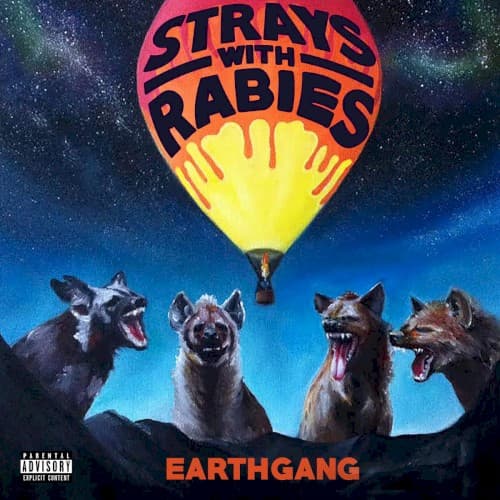
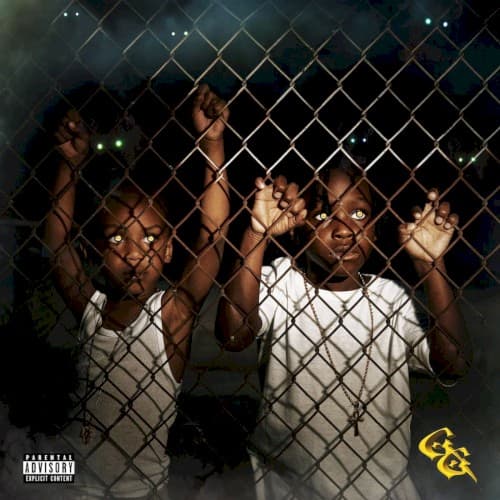
Start with the funk-driven closer, the opening overture, and the blues-guitar cut near the end. Together they show the range of the record: the ambition of the opening, the local detail of the closer and the emotional register of the quiet song. After that, move to Ghetto Gods, the follow-up, which keeps the same concerns and tests how the duo handles a bigger frame, or back to the earlier, rougher Strays With Rabies for the raw version of the same ideas.
Mirrorland is a record that makes a city sound like a person, and its best verses are the reason to believe it.
Track by track
Track Listing
LaLa Challenge
StandoutA long, colorful overture that sets out the album's world with fast, playful verses, a quick turn through the duo's references and an extended outro that has the feel of a gospel service. The production is busy but controlled, and the writing introduces the album's habit of mixing humor with ambition. It is a confident opening, and the outro gives it a sense of occasion that most intros lack. This is the record's overture in every sense, and it makes a strong case for the concept.
UP
StandoutA loud, high-energy single built on interpolated pop and rock references. The delivery is aggressive and the hook is bright, and the song works as a statement of intent. The writing is more about momentum than meaning, but the energy is hard to resist.
Top Down
StandoutA breezy, melodic cut that captures the feel of a car ride through the city. The Childish Major beat is warm and loose, and the verses glide over it with a relaxed confidence. It is one of the album's most accessible songs and a good example of its easy chemistry.
Bank
SolidA hard, rhythmic track about money and ambition with a clipped delivery. The beat is functional and the hook is simple, but the writing does not add much beyond the title's idea. It is solid, if not essential.
Proud of U
StandoutA melodic, emotional single with Young Thug, built on a warm sample and a hook that sells the sentiment. The guest vocal adds a distinct color, and the duo's verses work as a counterweight, giving the song a bittersweet feel. It is one of the more accessible tracks on the record, and the production gives it room to breathe. A strong, sincere moment that shows the group can write for the heart as well as the head.
This Side
StandoutA slower, more reflective cut with additional vocals from Mereba. The mood is intimate and the writing turns inward, which gives the sequence a needed change of pace. It is quiet and effective, though it asks for patience.
Swivel
StandoutA hard, bass-heavy track produced by Bink! that gives both rappers a more aggressive setting. The delivery is sharp and the verses have a physical, almost percussive feel. It stands out because it shows the group can be as hard as anyone when the beat calls for it. One of the album's best performances.
Avenue
SolidA short, groove-driven track with a confident delivery and a light, bouncy beat. It is pleasant and well made, though it leaves less of an impression than the songs around it.
Tequila
SolidA smooth, melodic song with T-Pain on the hook and a polished Elite production. The mood is relaxed and sensual, and the hook is easy to remember. It is more mood than substance, but the collaboration works.
Blue Moon
StandoutA blues-tinged track with scratchy electric guitar that connects the record to Southern soul and blues lineage. The writing is looser and more atmospheric, and the production gives it a lived-in feel that suits the voices. It is one of the most distinctive songs on the album, and it shows how the duo can draw on older traditions without sounding like a tribute act. The mood is memorable and the performance is assured.
Trippin
StandoutA smooth R&B-leaning song with Kehlani that pays homage to the turn-of-the-century sound. The hook is silky and the delivery is controlled, and the collaboration fits naturally. A slick, charming change of mood that does not try to be more than it is.
Stuck
SolidA melodic single with Arin Ray, built on a warm, emotional hook. The writing deals with feeling trapped and the delivery is sincere, though the song stays close to a familiar template. A solid, easy listen.
Fields
StandoutA slow, gospel-inflected track with Malik and additional vocals from BJ the Chicago Kid. It is the longest song on the record and a deliberate change of pace, and the mood is reflective and almost spiritual. The writing is patient and the production is spacious, which gives the voices room to land. It is a strong, serious moment that gives the closing stretch its weight, though it will test listeners who want more energy.
Wings
StandoutA funk-driven closer with a bulbous, rolling groove and a vivid sense of place. The writing is full of local detail, the hook is joyful and the production is rich, and the song feels like the natural end of the walk the album has taken. It is the strongest argument for the record's central idea, which is that specific detail can carry real feeling. A high point and a fitting finish.