The scorecard
7.3/10 · Good
- Writing25%
- 7.5
- Production25%
- 7.5
- Delivery15%
- 7.5
- Cohesion15%
- 7.0
- Originality10%
- 6.5
- Replay value10%
- 7.0
The family-minded, faith-driven material brings unusual empathy and restraint, but the stretches where he defends his public image turn defensive and repetitive.
Choirs, pianos and organs, with No I.D. and Cool & Dre at the controls, give the record a warm, full-bodied sound that stands apart from current trap.
Mike keeps the bark but eases the pressure, and he sounds loose and flexible beside Young Thug on "RUN" and André 3000 on "SCIENTISTS & ENGINEERS".
The gospel-and-soul palette holds the fourteen songs together, but the arrangements repeat and the guest-heavy middle drifts.
A major-label rapper building an Atlanta rap record out of gospel, soul and funk was a clear break from the 2023 mainstream, even though the formula is established.
As a projection from a recent release, the best songs look durable and the sound is warm enough to revisit, while the weaker stretches may fade.
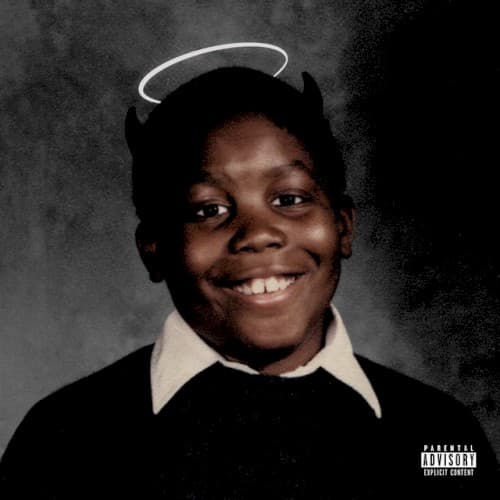
Killer Mike Michael: A Southern Rapper Walks Back Into the Church
Michael is a gospel-soaked, soul-heavy homecoming from a rapper best known for fury, and the record is strongest when it lets the anger go quiet. The thesis here is that Killer Mike's sixth album is a warm, handsomely built and uneven record, one whose best songs are among the most affecting he has made, and whose weakest stretches mistake defensiveness for depth.
The frame is personal. Mike has described the album as a return to the music that shaped him, and as a surrender to faith, and the sound follows through: choirs, pianos and organs sit at the center of most arrangements, with funk and old-school Southern rap running underneath. It is the first solo album he had put out in eleven years, since R.A.P. Music, and the gap shows in what is on the record. The production is bigger, the guest list is packed and the writing turns toward his own family and past instead of the political targets that dominated his earlier work.
That shift is the album's real subject. Michael is an origin story, and its most convincing passages deal with the people and the beliefs that shaped him: faith, money, loss. The loudest voice in the room is now a more patient one. Where earlier records used volume as an argument, here he can slow down and let a verse breathe, and the effect is more affecting than a harder shout would have been.
The risk is obvious. A record this dependent on a single palette can get heavy, and an artist writing about himself can slip into protecting his image. Michael avoids the first trap more often than the second. It runs fourteen songs on the main edition, with a brisk handful of guests and several producers, and its Grammy win for Best Rap Album in 2024 reflects how well the sound landed. Still, the awards do not settle the question of whether it is as sharp as his best work. It is warmer, but not as tight, and the difference is worth examining.
Choirs, Organs and a Bark Turned Down to a Growl
The production is the first thing to understand about Michael. No I.D. is credited on several of the central songs, Cool & Dre handle others, and a long list of additional producers fills out the rest, but the sound stays remarkably unified: choirs that sound like they were recorded in a real room, pianos that lean on gospel chords, organs that give the drums a church floor to stand on. Slant Magazine noted that the reliance on a similar arrangement of choirs, pianos and organs risks becoming tiresome, and that is a fair criticism, yet its divergence from most mainstream rap in 2023 is refreshing. From a Southern angle, it is a return to a Black church influence that has always run under Atlanta rap, here made explicit.
Mike's delivery adjusts to the setting. He keeps the bark, but it is rounder and more patient than on his earlier work, and he lets melodic hooks from guests carry the emotional lift while he fills in detail. The result is a record where he sounds comfortable sharing the room. Young Thug and André 3000 show up and Mike matches them instead of fighting them, and the arrangements give him pockets to slide into instead of a wall to shout over.
The writing is at its best when the subject is personal. Reviewers pointed to the record's emphasis on his late mother and grandmother, and that is where his restraint and empathy come through most clearly. He tells a story and lets the scene carry the feeling, avoiding the sermon that sometimes shadows his earlier political work. The sex, money and faith framing of his past gives the record a shape, and the best passages show how each of those pulled at him.
The weaknesses are equally concrete. When Mike turns to the criticism of his public persona and his status as a multimillionaire, the tone becomes petulant, and the verses sound like a man arguing with a comment section rather than telling a story. Pitchfork's review made the same point, noting that these stretches are harder to stomach than the origin-story material. The arrangements, handsome as they are, also lean on a fixed set of devices; once you hear a choir swell behind a verse a few times, the effect loses its force. AllMusic's description of the album as sometimes overbearing is not wrong.
The guest list is generous, and mostly a strength. It gives the record variety and lets Mike play host, but it also means several songs feel like collaborations first and Killer Mike songs second. The best guests add something distinct. The weaker ones simply fill space.
Fourteen Songs, One Sermon, A Sagging Middle
As a sequence, Michael begins with real force and then loses some of its shape in the middle. The opening run is the album at its most confident: a big, choir-lifted starter, a heavier cut about loss and then a loose, funny, guest-driven track that establishes the record's range. By the time the first handful of songs have played, you understand the project: gospel arrangements, rap authority, and enough humor to keep it from feeling like a lecture.
The middle is where the pacing begins to slide. The guest-heavy stretch brings in a long list of names, melodic hooks and rap features, and the songs begin to blend. Each is well made individually, but the arrangement choices repeat, and several tracks cover similar emotional ground without a clear sense of progression. A short, hard-hitting interruption from DJ Paul's production helps restore energy, and a few later songs sharpen the focus again, but the run through the center never builds the cumulative power that the opening promised.
The closing stretch pulls the album back together. The last handful of songs return to the personal and spiritual material that gives the album its purpose, and the finish feels earned, with the faith-driven framing arriving as a destination rather than a theme. A brief, rough guest-lined cut with El-P gives the final third a spike of aggression before the closer settles into a calmer mood.
Length is mostly earned. Fourteen songs on the main edition is substantial, and the shortest tracks keep the pace moving, but the record would hit harder with two or three of the middle cuts removed. The strongest sequencing instinct is the decision to give the heavier tracks space between the lighter ones, and the weakest is the stack of guest-focused songs in the center.
Warmer Than R.A.P. Music, Less Sharp, Still Worth Owning
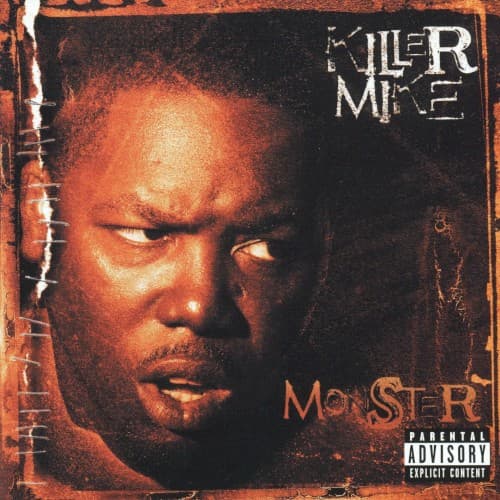
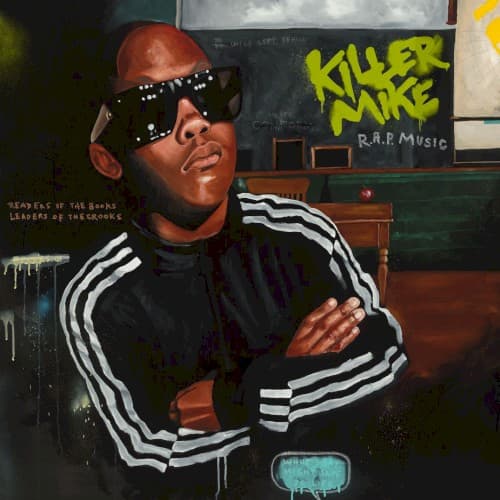
Michael is a very good album that sits one tier below R.A.P. Music in Killer Mike's catalog. R.A.P. Music is tighter, angrier and more consistent, with one producer and one sustained argument, while Michael is more personal and more musically generous, but looser and more prone to repetition. Against Monster, his debut, it is a clear step up in focus and craft: where that record scattered a big voice across too many styles, this one finds a single sound and mostly sticks to it. The Grammy it won for Best Rap Album reflects the quality of the best songs, but the scores here separate that recognition from the record's weaker sections.
It is for listeners who want rap with gospel, soul and funk textures, for fans of Atlanta artists who treat the church as part of the region's musical DNA, and for anyone interested in the human side of a rapper known for politics. People who want the sharp, political Killer Mike of his earlier work may find it too soft, and listeners who dislike guest-heavy albums may find the middle stretch frustrating. If the arrangements turn tiresome for you after a few tracks, the album will not change your mind.
It looks likely to age well. The sound is warm, unfashionable in the right way and rooted in traditions that do not date quickly, and the personal material has a durability that topical writing lacks. The petulant stretches may age worse, but they are a small part of the record.
For a first listen, start with "DOWN BY LAW" for the choir-lifted opening and CeeLo Green's lift, "SCIENTISTS & ENGINEERS" for the André 3000 collaboration and its futuristic synths, and "MOTHERLESS" for the album's most restrained and personal writing. Then hear R.A.P. Music for the sharper, angrier version of the same voice, and Monster to trace where it started. The strongest sentence the album offers is the one it makes with its sound: that a hard-edged Atlanta rapper can sound completely himself in a church.
Track by track
Track Listing
DOWN BY LAW
StandoutProduced by Cory Mo and Cal A, with CeeLo Green taking the hook, this is the album's thesis in under four minutes: a choir-lifted Atlanta opener where Mike's bark sits comfortably beside a soul voice. CeeLo's skyscraping vocal gives the song a sense of occasion, and Mike's verses set up the personal, faith-minded tone that runs through the record. It is the best possible way to start the album, and an easy first listen for anyone sampling the sound.
SHED TEARS
StandoutA No I.D. production with Mozzy, heavier and more reflective than the opener. The mood is somber, the arrangement is controlled, and the guest verse gives the song a West Coast counterweight to Mike's Atlanta voice. A strong early signal that the album will carry emotional weight.
RUN
StandoutYoung Thug and Dave Chappelle appear on this No I.D. production, which brings looser energy and humor to the early stretch. Mike sounds relaxed and sharp, trading the stage with Young Thug without losing authority, and the track gives the album its most playful, memorable early moment. It shows a side of him that the heavier songs do not.
NRICH
SolidA Cool & Dre production with 6lack and Eryn Allen Kane, built on a smooth, melodic arrangement. It is well made and the hook is pleasant, but it is more polished than distinctive and blends into the run of mid-tempo songs around it.
TALK’N THAT SHIT!
StandoutA short, hard-hitting cut produced by DJ Paul and Twhy Xclusive that brings Memphis-flavored aggression into the album's church-heavy sound. At under three minutes it is a welcome jolt of energy, and Mike sounds fully at home with the rougher beat.
SLUMMER
SolidJagged Edge brings an R&B hook to a Cool & Dre production, giving the song a soft, smooth surface. The arrangement is pleasant and the vocals are polished, but it covers familiar emotional ground and does little to break up the middle stretch.
SCIENTISTS & ENGINEERS
StandoutThe album's most ambitious track, with André 3000, Future and Eryn Allen Kane joining Mike over futuristic synths. Produced by a group that includes André 3000, DJ Paul and No I.D., it sounds like nothing else on the record, pushing the sound forward rather than back toward the church. André 3000's presence gives it a sense of event, and Mike meets the moment by sharpening his writing instead of simply sharing the spotlight. The song works as both the commercial peak of the album and its most adventurous experiment, and it shows how much range the project has when it steps outside its main palette.
TWO DAYS
SolidTy Dolla Sign joins Mike on a Don Cannon and Cal A production, with a smooth hook and a relaxed groove. It is pleasant and well executed but light on ideas, and it plays more as a mood piece than a statement.
SPACESHIP VIEWS
SolidCurrensy, 2 Chainz and Kaash Paige help make this the record's most laid-back, guest-heavy stretch. The production by Honorable C.N.O.T.E. is breezy, and the verses are easy to enjoy, but the song feels like a showcase for the guests more than a Killer Mike track.
EXIT 9
SolidShort and sharp at under three minutes, this Beat Butcha and Willy Will Yanez production features Blxst. It keeps the pace moving and gives the late-middle stretch some needed momentum, though it does not stay in the memory the way the album's biggest songs do.
SOMETHING FOR JUNKIES
StandoutFabo joins a three-producer team on a track that returns to harder subject matter. The tone is serious and the beat has weight, and Mike's delivery is direct. A solid cut that helps refocus the album after the lighter middle.
MOTHERLESS
StandoutA No I.D. production with Eryn Allen Kane, and one of the most restrained and personal moments on the album. The title and the quiet arrangement point toward the family-centered writing that critics singled out, and Mike lets the subject carry the song instead of leaning on volume. It is among the clearest examples of the empathy and restraint that make Michael more than a repeat of his earlier work, and it is the track most likely to stay with a listener after the record ends.
DON’T LET THE DEVIL
StandoutEl-P joins Mike with Thankugoodsir on a rough, short track that brings back the heavier, more aggressive sound of R.A.P. Music. At under three minutes it is a burst of intensity, and a reminder of the partnership that would later become Run the Jewels.
HIGH & HOLY
StandoutTy Dolla Sign returns for the closer, produced by Tec Beatz and the longest track on the main edition. The title sums up the album's blend of faith and street life, and the mood is calm and reflective, giving the record a gentle landing after its busier stretches. A fitting end, if a slightly low-key one.