The scorecard
6.6/10 · Good
- Writing25%
- 7.0
- Production25%
- 6.5
- Delivery15%
- 7.5
- Cohesion15%
- 6.0
- Originality10%
- 5.5
- Replay value10%
- 6.5
Jadakiss still stacks dry punchlines and street observation with a veteran's economy, but the album's victory-lap theme rarely goes deeper than status and loyalty.
The beats are bigger and cleaner than his earlier work and Just Blaze and Bangladesh bring real weight, but several trap-leaning and radio-ready instrumentals are interchangeable.
His raspy, unhurried cadence is intact and the Styles P and Sheek Louch appearances sharpen it, though he is sometimes outshone on his own songs by a loud hook or a hungry guest.
Three skits, a long run of guests and a bonus track pad the sequence, and the back half spends its length on heavy mid-tempo cuts without enough contrast.
The record is a polished version of what Jadakiss does best rather than an expansion of it, and its guest-heavy template was already familiar by 2015.
The Lil Wayne song, the Just Blaze beat and the Nas posse cut reward repeat plays, while the filler is easy to skip.
Jadakiss Top 5 Dead or Alive — A Veteran's Victory Lap, Polished and Predictable
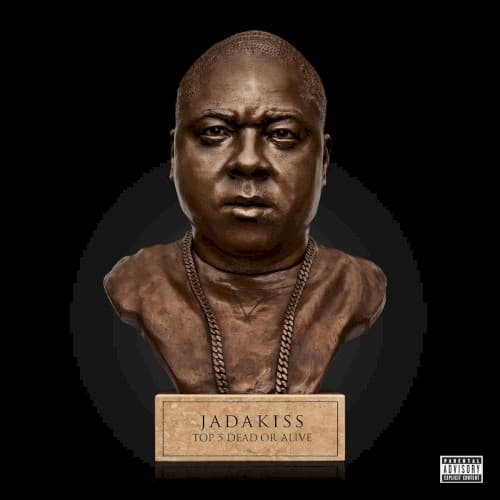
Top 5 Dead or Alive is built on a question that rap fans have argued about for decades: who belongs in the conversation of the greatest, and who is simply a very good rapper with a long career? Jadakiss answers it by taking the question as a title, putting it on the cover as if he were being inducted into an unofficial hall of fame, and then spending seventy minutes sounding like a man who is entitled to the seat. The thesis of this review is that the album delivers the confidence and the craft but not the argument. It is a victory lap, pleasant and professional, and it is most convincing when it stops celebrating and goes back to the dry, specific street writing that earned him the claim in the first place.
The context explains the tone. Jadakiss had been talking about this record for years before it arrived, and by the time it came out he was well into his second decade as a recording artist and the longtime voice of The LOX. That patience shows in the sound. The beats are larger and glossier than anything on his earlier solo records, the guest list is wide, and the writing leans toward boasting and loyalty rather than the grim vignettes that defined his early work. One reviewer called it his most celebratory album, and the description is accurate: it plays like a party thrown by someone who knows the room already respects him.
What saves the record from being a parade is the voice. Jadakiss has never needed to be loud, and on his best songs here the understatement still works, with a punchline sliding into the pocket of a beat and a verse that makes its point without raising its volume. In lineage terms, this is the late-career New York street rapper who has outlasted the era that made him and now has to decide whether to chase the sound of the present or hold his own ground. He does a little of both, and the album's quality depends on which side wins on each song.
The answer is mixed. When he works with weight underneath him, the record is excellent. When the production tilts toward the sounds of the moment, he sounds like a visitor in his own sequence. That tension, rather than the victory lap, is what makes the album worth discussing.
Bigger Beats, Same Dry Wit, Fewer Surprises
The writing on Top 5 Dead or Alive is the most reliable part of the album, and it is also the most predictable. Jadakiss is a compression artist: the strongest bars are short, deadpan and built around a turn at the end, and he still delivers them with the patience of someone who knows the listener will wait. He writes about loyalty, money, rivals and survival from the position of a man who has already won most of those arguments, which gives the verses a calm authority. The cost of that calm is a lack of tension. The earlier solo records had a hungry edge, and here the stakes feel lower. Many verses confirm his status rather than test it, and the theme of being a top-five rapper is asserted more often than it is argued.
The production is where the album is most ambitious and also most uneven. The credit list is long and includes Swizz Beatz, Just Blaze, Bangladesh, Scram Jones and a number of producers who are less well known, and the instrumentals move between orchestral boom-bap, ringing mid-tempo grooves and the sparse, heavy drums of the era's trap records. The best of them give Jadakiss something to push against. The Just Blaze beat is rich and propulsive, and the Bangladesh track is tight and hard enough to make the verses feel urgent. The Scram Jones tracks bring an older New York weight that suits the voice well.
The weakness is the middle ground. Several of the radio-oriented productions are competent but generic, and the album leans on a familiar combination of a guest hook, a heavy bass line and a sparse melody. These songs do not embarrass him, but they could belong to any rapper with a similar budget, and that anonymity is the clearest sign that the album has chosen scale over character. The hooks are particularly interchangeable, and some of the guest verses are more energetic than his own.
Delivery is the constant. The rasp is intact, the pocket is as patient as ever, and he is still one of the few rappers who can sound menacing without increasing the volume. The guests are mostly used well: the LOX reunion pieces carry a chemistry that no outside guest can match, and the Nas appearance holds its own on a long, serious track. Others are less effective, and a few appearances are there mainly for the name on the cover.
The overall picture is of a polished, confident record that rarely makes a mistake and rarely takes a risk. That consistency is a strength in a genre where many veterans fall apart on long projects, and it is why the album remains a solid listen. It is also the reason it feels less essential than its title suggests. A top-five argument needs surprises, and Top 5 Dead or Alive mostly offers reassurance.
A Long Victory Lap With a Strong Final Stretch
The sequencing begins with a clear plan. An intro and a short skit set the tone, and the first few songs move quickly through a run of confident, hard-edged material with the singles placed near the front. The album establishes its mood early, and the energy holds through the first third. The opening is the best advertisement for the record, and it gives the impression of a tightly built project.
The middle is where the pace softens. Three skits and interludes are spread across the running time, and none of them adds much to the story. They interrupt the flow rather than reinforce it, and they make a long album feel longer. The songs in this stretch share a similar tempo and a similar guest-driven structure, and the result is a series of tracks that are individually pleasant but do not build on each other. Without contrast, the record settles into a groove that is comfortable rather than exciting.
The closing stretch is the strongest part of the sequence. The long group track near the end brings back the crew energy that makes the best Jadakiss records feel communal, and the heavy posse cut that follows it gives the album a real climax. The final song then closes the record on a reflective note without overstaying its welcome. It is a good ending, and it shows that the album understands where its best material lies.
Is the length earned? Only partly. At around seventy minutes it is generous, and the three skits and the filler songs in the middle make the case for a tighter cut. A sharper sequence would remove the least distinctive guest features and let the best material run closer together. As it stands, the peaks are high enough to justify much of the runtime, but the valleys are long enough to make the album feel like an event that goes on a little past its welcome. The best version of the record is the one you build by skipping the middle.
A Safe Hall of Fame Case
There is no other Jadakiss album rated on this site yet, so the placement is a matter of context rather than ranking. Top 5 Dead or Alive is the fourth studio album, and it works best as a statement of position: a veteran still working at a high level, supported by a deep list of collaborators, making a record that confirms his standing. It debuted at number four on the Billboard 200 with 60,000 copies in its first week, which is respectable rather than spectacular, and critics were broadly positive, with a Metacritic average of 73. That seems about right. It is a solid, polished album from a rapper with plenty left, but it is not the record that settles the argument its title raises.
It is for listeners who already like Jadakiss and want a well-made, guest-rich record with a few clear highlights. It is also a good entry point for fans of the LOX who want to hear the group chemistry in a modern setting. It is not for anyone who wants a lean, tightly sequenced record or who prefers the grim, story-driven side of his earlier work.
How it ages will depend on how you value consistency. The strongest songs hold up well, and the production on those tracks has a lasting weight. The more radio-driven material is already beginning to sound like a particular year. The album does not date badly so much as it fades into the background of a crowded era.
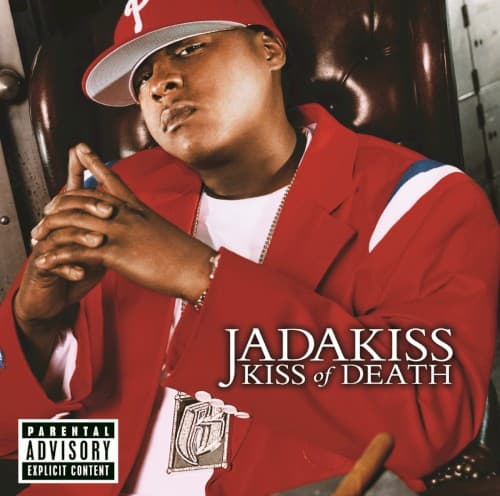
Start with the Lil Wayne collaboration, the Just Blaze-produced track with Styles P, and the long Nas song near the end. Together they show the range of the record at its best. After that, go back to the early Jadakiss album Kiss of Death, which makes the same case with a grittier tone and a more uneven sequence, and which is the natural comparison point for how a New York veteran can work inside a major-label setting.
The real test of the title is not whether Jadakiss belongs in the conversation, which this record assumes, but whether he is willing to sound hungry again, and the best three songs here suggest that he still can.
Track by track
Track Listing
First 48 (Intro)
StandoutA confident, scene-setting opener produced by Ty Fyffe, with Jadakiss framing the album as a coronation. It runs longer than a typical intro and the beat has a suitably grand weight, though the writing is more about posture than detail.
Shop Talk (Skit)
SolidA short skit that adds atmosphere and nothing else. Skippable after the first listen.
You Don't Eat
StandoutA short, hard track with Puff Daddy and a Swizz Beatz production that keeps the pace moving. Jadakiss is blunt and efficient, and at three minutes the song has no time to wear out its welcome. A fast, punchy way into the record, though it is more attitude than substance.
You Can See
SolidA radio-ready track with Future on the hook and a glossy, trap-leaning beat. The hook is catchy and Jadakiss adapts smoothly to the style, but the song sounds like it could belong to any rapper on the guest list. Competent and forgettable.
Y. O. (Youthful Offenders)
SolidAkon produces and sings the hook on a song about young people caught up in street life. Jadakiss brings a rare reflective tone and the subject matter is more serious than most of the album, which gives the track some weight. The melodic hook leans toward the pop side and softens the message slightly.
Jason
StandoutThe lead single, produced by Swizz Beatz and featuring him on the hook. The beat is big and the energy is high, with Jadakiss delivering confident, stacked punchlines that fit the celebratory mood of the record. It is a strong opener for the album's campaign and one of the most effective examples of the party-minded approach, though the hook is more shout than song.
Kill
StandoutLil Wayne appears on a short, aggressive Bangladesh beat, and the result is one of the highlights of the record. At under three minutes it is lean and hard, the two voices trade a menacing energy, and Jadakiss responds to the guest with a sharp, focused verse. This is the album's best argument for the guest-heavy approach: a pairing that actually raises the stakes. It is quick, hostile and replayable.
Man in the Mirror
StandoutA reflective solo track with a soulful, atmospheric beat. Jadakiss turns inward and the writing is more personal than usual, which is welcome after a run of boasts. It is not a major song but it gives the sequence a needed change of mood.
Synergy
StandoutJust Blaze supplies a rich, driving beat and Styles P joins for a partial LOX reunion. The chemistry between the two rappers is immediate, the verses trade easily, and the production gives the song a sense of occasion. It is one of the few tracks where the album fully lives up to its scale, and it is a clear high point of the middle section.
Aint Nothin New
SolidThe second single with Ne-Yo and Nipsey Hussle, a smooth, melodic track about continuing to do what has always worked. The hook is polished and the beat is easy on the ear, but the song plays safe and does not give Jadakiss much to push against. Pleasant radio material.
So High
WeakA laid-back track with Wiz Khalifa that is exactly what the title promises. The mood is relaxed and the beat is smooth, but Jadakiss sounds out of his depth in a smoky, mellow setting, and the song adds little. Filler.
Ahaa Interview (Skit)
WeakA mock interview skit that breaks the momentum of the sequence. It is brief and forgettable.
Critical
SolidJeezy joins on a heavy, trap-influenced Rico Beats production. The hook is solid and Jadakiss gives a steady, authoritative verse, but the beat is nearly identical to the track before it, and the song fails to separate itself from the middle of the album.
Confetti
WeakA short interlude with Young Adz that works as a skit more than a song. It offers a pause, but it does not do much with it.
Cutlass
SolidA mid-tempo cut with EX.OD.US on the hook, built on a restrained POSTA and Stevie Nick XX beat. Jadakiss raps with a steady, unhurried confidence, but the track blends into its neighbors and has little to distinguish it.
Realest in the Game
StandoutThe longest song on the album, a street-minded posse cut with Young Buck and Sheek Louch over a heavy Arkatech Beatz instrumental. The group dynamic works well, with Sheek Louch bringing the same gruff energy that makes LOX records feel communal. At almost six minutes it runs a little long, but the chemistry carries it and the track restores some of the grit the earlier songs lacked.
Rain
StandoutNas and Styles P join Jadakiss on a serious, slow-burning Scram Jones production, and the three rappers trade verses over a dark, rainy beat. This is the best group song on the album: the writing is patient, the voices complement each other, and the track has the weight and mood of the best New York street rap. Nas holds his own and the song gives the record its real climax.
One More Mile to Go
SolidA closing track from Pitchshifters with a reflective, determined tone that suggests the work is not finished. It is a satisfying end to the album, if not a memorable one, and it avoids the temptation to end on a victory-lap flourish.