The scorecard
6.6/10 · Good
- Writing25%
- 7.0
- Production25%
- 6.5
- Delivery15%
- 7.5
- Cohesion15%
- 5.5
- Originality10%
- 6.0
- Replay value10%
- 6.5
Compact, twisting punchlines carry the best verses, as on Kiss Is Spittin', though familiar boasts and shock-driven cuts pull the average down.
The credits span The Alchemist, Timbaland and DJ Premier, so the beats move between dark New York textures and glossier hook-forward sounds without settling on one identity.
Jadakiss's dry, gravelly, conversational voice stays convincing at medium volume and outclasses several of the guests on the record.
Twenty-one tracks including four skits, frequent tonal shifts and a long guest list make the sequence sprawl far beyond what the material supports.
It sits between mid-nineties New York street rap and the glossier early-2000s sound without adding a clear new angle of its own.
The strongest verses hold up on repeat, but the skits, club-oriented tracks and filler are easy to skip.
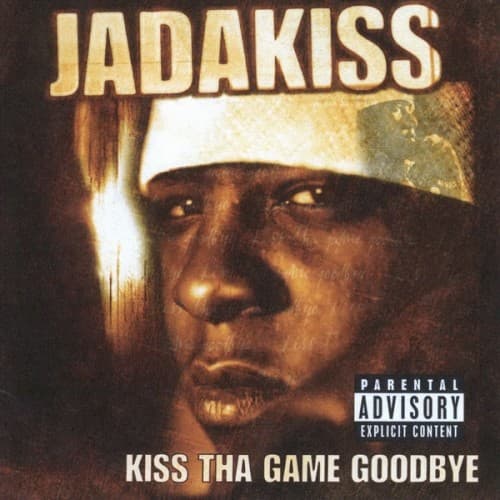
Jadakiss Kiss tha Game Goodbye: A Great Rapper Lost in a Big Debut
Kiss tha Game Goodbye is the album of a great verse-writer who was handed a major-label budget and a Rolodex, and it sounds like both. Jadakiss arrived as a rapper with a reputation for sharp, compact punchlines and a gravelly, conversational delivery, and the record never loses that. What it loses, in places, is a point of view about itself. The credits read like a summit: The Alchemist, Timbaland and DJ Premier among the producers, and a guest list that runs from Nas and DMX to Snoop Dogg, Nate Dogg and Eve. That is a lot of hands for one debut, and the album plays like a demonstrate of what a Ruff Ryders-era New York rapper could access.
My argument is that this is a good album and an uneven one, and the unevenness comes from the gap between the rapper and the record. As a performer, Jadakiss is consistently excellent: each verse has an economy and a bite that make most of his guests sound slightly overextended. As an album, the record has twenty-one tracks, four of them skits, plus a long guest list that keeps pulling the focus away from the person whose name is on the cover. The best stretches are the ones where he is allowed to rap into a hard beat for a few minutes with no one to impress.
There is a lineage worth tracing. The record sits between two moments in New York rap: the grimy, sample-heavy street records of the mid-nineties that the DJ Premier and Alchemist credits point back to, and the glossier, hook-forward sound that Timbaland and the Ruff Ryders camp were helping to push into the early 2000s. The album tries to hold both, and its tension between them is its most interesting feature and its most visible weakness.
The commercial result was solid. After a release that had been planned for April 2000 and arrived in August 2001, it debuted at number five on the Billboard 200 with 204,000 copies in its first week and went on to gold certification. That is a respectable debut for a rapper whose reputation rested largely on guest verses, and it showed that the demand for his voice was real. The question this review tries to answer is whether the record deserved its length, and the short answer is that it did not.
Compact Punchlines, Producer Summit, and Too Many Guests
The strongest thing about the record is Jadakiss himself. His writing is built on compression: a line sets up an image, a second line twists it, and a third lands the point before the listener has finished processing the first. The rhyme patterns are tight without being showy, and the delivery has a dry, almost casual menace that lets the punchlines land without being forced. He is a rapper who sounds more convincing at medium volume than at full shout, and the best verses play to that strength by keeping the tone level and the content sharp.
The subject matter is the standard material of a New York street-rap debut: threat, loyalty, money, women and the cost of the life. What separates the better verses from the average ones is detail. When he uses a specific image rather than a general claim, the writing is vivid, and the mood has real grain. When he falls back on familiar boasts, the verses blur into the genre. The ratio of the first kind to the second is good but not great, and over twenty-one tracks the weaker verses accumulate.
The production is where the album's scope shows. With The Alchemist, Timbaland and DJ Premier among the credited producers, the record draws from several different traditions at once, and the contrast is audible. Some beats are dark and sample-driven, in the style of New York in the previous decade, and others are bouncier and more hook-oriented, aiming at the radio. The variety keeps the record from becoming monotonous, but it also means there is no single sonic identity. A listener moving from one track to the next may feel as if the album is changing rooms every few minutes.
The guest list is the other major factor, and it cuts both ways. Nas, Styles P, Sheek Louch, DMX, Snoop Dogg, Nate Dogg, Eve, Drag-On, Swizz Beatz, 8Ball and a long list of others appear, and the sheer number is a problem. Even with strong names, a rapper's debut is better served by letting his own voice dominate, and several tracks hand away too much of their running time. The hooks, often supplied by singers and rappers outside the core group, give the album polish but not character.
The weaknesses are therefore easy to name. The first is length: twenty-one tracks, including four skits and several guest-driven songs, is too much for the material, and the record would be stronger at fourteen or fifteen. The second is identity: the producer roll call is impressive, but the album does not sound as if it knows what it wants to be. The third is the skits, which are the least necessary pieces of the sequence and do not add much beyond comic relief or atmosphere.
Still, the central skill holds. Even when a beat is generic or a hook is flat, Jadakiss rarely drops below competent, and the best verses stay with the listener long after the beat has faded. For a first album from a rapper best known for being a great guest, that is a meaningful achievement, and it is the reason the record remains worth hearing despite its sprawl.
Twenty-One Tracks and a Sag in the Middle
The sequence is the album's clearest problem, and it is a familiar one for debuts of this era. The record opens with a short introduction and a run of songs that establish the voice and the scale. The early stretch is confident, with the rapper front and center and the production at its most focused, and it makes the case that this is a serious record by a serious lyricist. If the album ended at the halfway point, the impression would be strong.
The middle of the tracklist is where the pacing begins to sag. Songs aimed at different audiences follow one another without a clear logic: a hard street cut, a track aimed at clubs, a skit, a collaboration with a singer. Each piece is competent, but the shifts in tone are frequent enough to make the listening experience feel like a playlist assembled by committee. The skits, spaced across the sequence, add little. A skit can break up a long record, but these arrive so often that the momentum keeps stopping.
The closing stretch recovers some focus, with a few of the more serious tracks coming late and giving the record a sense of weight. The final songs are among the better ones, and they leave a better impression than the middle suggests. But the sag is long enough to be felt, and the late recovery cannot undo the fact that the album has by then spent well over an hour.
Is the length earned? No. Twenty-one tracks is far more than the material can carry, and a tighter version of this album, with the skits removed and the guest-driven songs trimmed to the strongest few, would be a much better record. The long gap between the planned release and the actual one may explain the bulk, but the result is an album that feels like a collection of strong ideas stretched across too much space. The best moments are worth the trip, but the sequence is the reason this is a good record rather than a great one.
Better Rapping Than Record
This site has no other Jadakiss albums rated yet, so the placement is provisional. As a debut, Kiss tha Game Goodbye is a strong statement of craft and a weaker statement of identity. It established the voice that made him a respected name in New York rap, and it showed that his writing could carry a full album, but it also showed the risk of a major-label debut that tries to do too much. The scores reflect that: high marks for writing and delivery, a decent mark for production and a clear deduction for cohesion.
Who is it for? Listeners who care about lyricism, especially tight, punchline-driven rap in the New York tradition, and anyone who wants to understand how the Ruff Ryders era balanced street credibility with chart ambition. It is also a good record for people who like to hear a voice in a variety of settings, since the production moves across several styles. Who should skip it? Anyone who needs a short, coherent album, or who is put off by skits and long guest lists, will find the sprawl frustrating, and those who want the most refined version of the rapper's work should start with a later record.
How has it aged? Unevenly. The best verses still sound sharp, and the production credits give some of the tracks a lasting texture. The more radio-oriented songs have aged less well, and the skits are dated in the way that skits from the era usually are. The record is best treated as a document of its moment and a demonstrate for a distinctive voice.
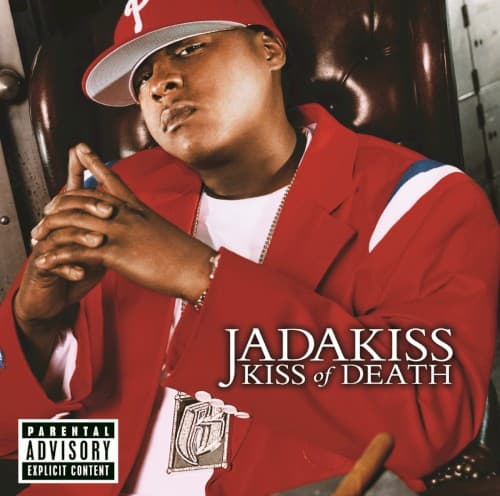
To start, play Jada's Got a Gun, Kiss Is Spittin' and Keep Ya Head Up. They are among the cuts where the rapper's voice and the production line up most clearly, and they give a fair picture of what he does well. For further listening, move on to his follow-up Kiss of Death, which refines the approach, or to Nas, who appears here and whose own approach to street storytelling offers a useful comparison for anyone interested in the lineage.
The most honest summary is that the rapping is better than the record around it, and the record is still worth hearing for the rapping.
Track by track
Track Listing
Intro
SolidA short opening piece that sets the album's tone. It does its job quickly and offers little to revisit.
Jada’s Got a Gun
StandoutA statement-of-intent cut that puts the rapper's voice front and center early in the sequence. The title promises menace, and the delivery supplies it with dry, controlled aggression rather than volume. The writing is compact, and the beat leaves room for the verses. A strong early moment and a good first taste of the album's character.
Show Discipline
StandoutA harder, more serious track that gives the verses room to develop. The writing leans on discipline and respect as themes, and the delivery stays level and measured. Solid, with enough detail to stay interesting, though it does not stand out from its neighbors.
Knock Yourself Out
SolidAn early single-style cut that aims for punch and replay. The hook is catchy and the verses are brisk, but the writing is more routine than on the album's best songs. Competent and energetic, though not essential.
We Gonna Make It
SolidA more hopeful, anthemic piece, built around the idea of making it out. The tone is a change from the harder material, and the mood suits the rapper's conversational style. It is pleasant, if a little predictable, and it adds variety to the sequence.
None of Y’all Betta
SolidA boastful, confrontational cut that leans on the rapper's punchlines. The tempo is strong, and the verses are sharp, but the song follows a familiar formula. Solid filler with a few good lines.
Stick Yourself (skit)
WeakA skit that breaks up the sequence and adds little.
I’m a Gangsta
SolidA bravado track built around the rapper's street persona. The delivery is convincing and the writing has a few strong images, but the theme is well-worn and the song covers ground the album has already covered. Good rather than great.
Nasty Girl
WeakA track about a woman, aimed at radio and clubs, and one of the more commercial moments on the record. The writing is lighter and less detailed than the street cuts, and it does not play to the rapper's strengths. A weaker entry and a likely skip.
Put Ya Hands Up
WeakA club-oriented song built for crowd response. The energy is high, but the writing is generic, and the title tells you most of what the song has to say. Competent but forgettable.
Jay Jerkin’ (skit)
WeakA skit that interrupts the flow without adding much.
On My Way
StandoutA mid-tempo, forward-looking cut about progress and persistence. The mood is more reflective than the surrounding tracks, and the verses are well paced. A solid, understated moment that gives the record a little depth.
Cruisin’
SolidA smoother, more relaxed song built for cruising, with a mellow tone and a hook-forward structure. The rapper's voice fits the laid-back mood, and the song works as a breather. It is pleasant but light, and it does not hold much weight on repeat.
Kiss Is Spittin’
StandoutA showcase for pure rapping, with the title announcing its purpose. The verses are tight, the punchlines land, and the beat stays out of the way. This is the album at its most focused, with the rapper's craft in the foreground. A key track and the best argument for his skill.
Fuckin’ or What?
WeakA short, aggressive cut with a provocative title and a hard-edged tone. The energy is high, but the writing leans on shock rather than craft, and it adds little to the album's argument. Filler with a loud title.
It’s Time I See You
StandoutA more serious, emotionally weighted song that gives the late sequence some gravity. The delivery is restrained and the writing is more personal than on the club-oriented material. A strong late moment and one of the better changes of pace.
What You Ride For?
SolidA confrontational track that questions loyalty and motive. The question in the title drives the song, and the verses answer it with conviction. Solid and pointed, if slightly repetitive in its attitude.
Un‐Hunh!
SolidA short, punchy cut with a conversational hook. The title is an interjection, and the song has the same loose energy. Fun in small doses and easy to forget.
Feel Me (skit)
WeakA skit that adds atmosphere and little else.
Keep Ya Head Up
StandoutA reflective, encouraging closer that shares its title with a well-known 1993 Tupac song, which invites comparison. The tone is sober and the writing is more earnest than the album's average, and it ends the record on a note of weight rather than bluster. A strong finish and one of the three tracks to hear first.
Charge It (skit)
WeakA closing skit that adds little and extends a record that is already long.
Frequently Asked Questions
Is Jadakiss Kiss tha Game Goodbye good?
How well did Kiss tha Game Goodbye sell?
Who produced Kiss tha Game Goodbye?
Styles