The scorecard
6.4/10 · Mixed
- Writing25%
- 7.0
- Production25%
- 6.5
- Delivery15%
- 7.5
- Cohesion15%
- 5.5
- Originality10%
- 5.0
- Replay value10%
- 6.0
Jadakiss still snarls a punchline better than most of his peers, and the best verses here are dense with street detail, but the hit-chasing tracks fall back on stock hooks and generic boasting.
Names like Buckwild, The Neptunes and The Alchemist are in the credits and the best beats earn them, but the beat pool spreads across a dozen hands and the sound shifts between gritty and glossy without a plan.
His raspy, clipped voice remains one of the genre's most recognizable, and it carries even the weaker material.
Eighteen tracks including a remix of an earlier song, a mix of radio singles and street cuts, and no clear sequencing logic make it run long and drift.
Lacking the focus and street edge of the earlier records, it mostly recycles the established Jadakiss formula of hard rapping plus radio concessions and adds little to his own catalog or to his peers' work.
A handful of tracks hold up and the rest invite skipping, which means a playlist works better than the whole album.
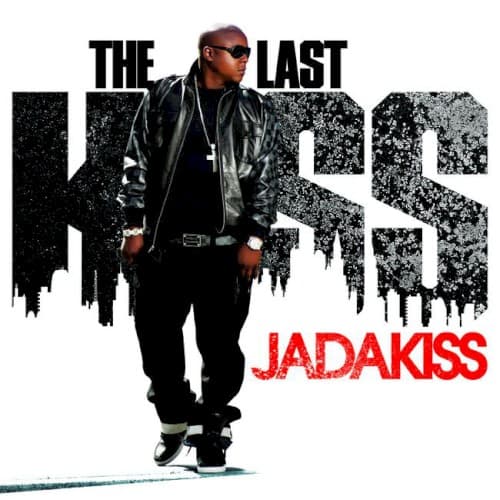
Jadakiss The Last Kiss — A Great Rapper Stuck Between the Street and the Radio
The Last Kiss has one of the strangest histories of any major-label rap album of its era, and you can hear that history in the finished product. It was pushed back, retitled and reworked over several years, and by the time it arrived in 2009 many of the strongest street records Jadakiss had recorded for it had already been given away to mixtapes, compilations and soundtracks. What remained was a polished album with a few strong moments and a lot of careful positioning.
That is the argument of this review: the problem with The Last Kiss is not the rapper but the packaging. Jadakiss was one of the sharpest lyricists of his generation, with a voice that cuts through any beat and a punchline style that rewards close listening. On this record he still raps well, and the best verses are packed with the kind of cold, specific street detail that made his reputation. But the album around him is built to satisfy too many audiences at once: the radio, the street, the label and the guest list. The record wants to be hard and glossy at the same time, and the seams show.
The lineage matters here. Jadakiss came out of the Ruff Ryders and D-Block world, where hardness was the brand, and this was his debut for a new label home after leaving Interscope. The result is an album that keeps one foot in that gritty tradition and the other in the pop-friendly guest-heavy model that dominated rap at the time. The collaborators range from R&B singers to Pharrell Williams to Lil Wayne, and the effect is closer to a compilation than to a statement.
The critical response reflected that split, landing in mixed to positive territory, and a score of 61 on Metacritic from seven critics. HipHopDX called it a solid entry from a great rapper, and that is about right. It is a decent album rather than a bad one, but it never earns the stature of his best work.
Eighteen Tracks Looking for a Shape
The sequencing of The Last Kiss is its most obvious weakness. With eighteen tracks, including a remix of an earlier song placed near the end, the album runs far longer than the material justifies, and the length works against the stronger songs. A tighter version of twelve or thirteen tracks would have been a better record, and the bloat is a direct consequence of the album's troubled development: the tracklist reads like a collection of survivors rather than a planned arc.
The opening is the best part of the run. The first track sets a hard, serious tone and gives Jadakiss room to rap without a guest, and it is the closest the album comes to a statement of purpose. Critics noted that the kickoff is misleading, because it promises a grittier record than the one that follows. That is fair, and it is the first sign that the album's identity will not hold.
The middle section is where the record sags. Radio-minded tracks with R&B hooks and pop-leaning guests alternate with harder material, and the shifts in tone break the momentum before it can build. A listener could easily lose track of where the album is trying to go. The pacing also suffers from the density of features, since each new voice resets the energy.
The closing run recovers some of the lost ground. A tribute record and a final collaboration with a major guest give the end of the album more weight than the middle, and the finish is the strongest in terms of emotion and focus. Even so, the length is not earned. The record would have benefited from cutting the duplicate and a few of the filler cuts, and the mixed reception reflects the sense that a good album is buried inside a longer and more scattered one.
A Solid Entry in a Better Catalog
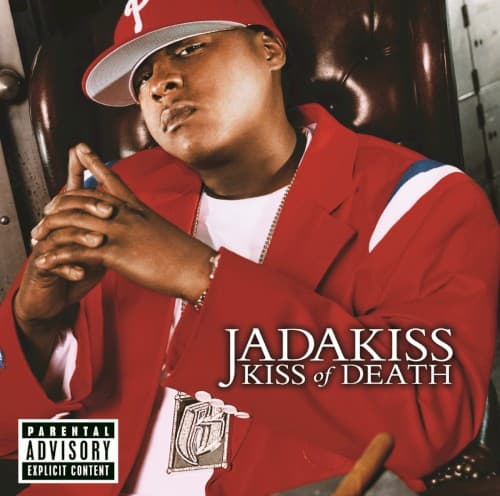
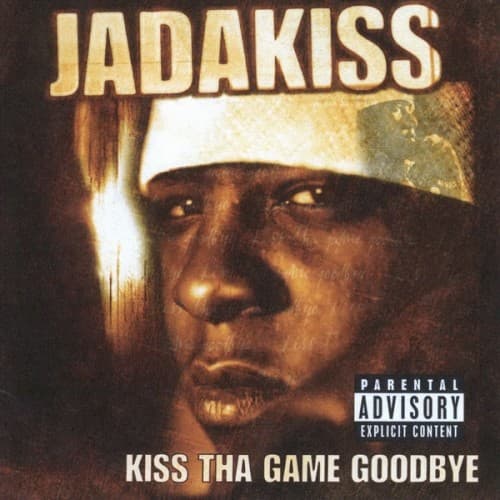
The Last Kiss belongs in the middle of the Jadakiss catalog, and that placement is the fairest verdict. It is described as the closing of a trilogy that began with Kiss tha Game Goodbye and continued with Kiss of Death, and it lacks the focus and the street edge that made the earlier records more convincing. HipHopDX called the second album disgracefully underrated, and I agree that it is the stronger record. Commercially it did well, debuting at number three on the Billboard 200 with 134,520 copies sold in its first week, but those numbers reflect anticipation after years of delays more than the strength of the songs.
The album is for fans of the rapper who want to hear him in a polished setting and for listeners who enjoy guest-heavy records with a mix of street and radio material. It is also useful for anyone studying how major-label rap in the late 2000s tried to balance hardness with commercial appeal. Skip it if you are looking for the tightest, grittiest version of Jadakiss, because that record is elsewhere, and skip it if you dislike long, uneven tracklists.
The album has aged reasonably well on its best tracks and less well as a whole. The radio-oriented material now sounds tied to its moment, while the hard verses still hold up, which is a common pattern for records that try to serve two audiences.
Start with Letter to B.I.G. for the album's most emotional moment, Pain & Torture for the hard opening statement, and Cartel Gathering for a team-up that plays to his strengths. For what to hear next, Kiss of Death is the obvious choice, since HipHopDX ranked it above this album, and a D-Block compilation or a recent Styles P project would show the group's raw side. The sharpest way to put it is that The Last Kiss proves Jadakiss could still rap with the best of them, and that nobody around him was sure what kind of album he should be making.
Track by track
Track Listing
Pain & Torture
StandoutProduced by Buckwild around a sample of a Ray Russell piece, this is the album's hardest and most focused opening. Jadakiss raps solo and without concessions, and the track promises a grittier record than the one that follows. Critics called it misleading for exactly that reason. As a standalone piece it is among the best things here, and it is the clearest reminder of what the album could have been.
Can’t Stop Me
SolidA radio-leaning single built on an interpolation of an old soul standard, with production by Neo da Matrix. It is polished and energetic, but it sounds designed for a chart more than for the rapper, and the hook is the least distinctive element of his writing. It was the second single, peaked at number 78 on a chart, and works better as a promotional piece than as an album highlight.
Who’s Real
SolidA loud, club-ready record with Swizz Beatz and OJ da Juiceman, and the final single from the album. The energy is high and the beat is built for volume, but it leans on a formula that Jadakiss does not need, and his verse is better than the setting.
Grind Hard
StandoutMary J. Blige adds a hook to a track about relentless work. The pairing is a natural one for the Ruff Ryders tradition, and the song gives the album a more soulful, emotional texture. It is solid rather than striking, but the hook gives it a lift that many of the other guest features lack.
Something Else
SolidA collaboration with Young Jeezy over a Fiend beat. The two voices fit together well, and the track has a steady, confident rhythm. It is competent and enjoyable, if not a standout, and it is repeated later in a longer remix that adds little.
One More Step
StandoutA D-Block family affair with Styles P, produced by Sean C and LV. The chemistry between the two is real, and the verses are the kind of hard, direct rapping that fans of the group will recognize. It is a quietly strong track that fits the album's best instincts.
Stress Ya
SolidThe first of two Neptunes productions, with Pharrell Williams on the hook. The sound is glossy and rhythmically playful, but it sits awkwardly beside the harder material, and Jadakiss sounds like a guest on a Neptunes track rather than the center of the song.
What If
StandoutA pairing with Nas over a ChopHouze beat, and the kind of veteran-to-veteran meeting the album needed more of. Both rappers keep the pace steady and let the writing carry the track. A good example of how the album works when its guests match its intensity.
Things I’ve Been Through
StandoutA reflective, soulful track built around a Luther Vandross sample, produced by Mr. Devine. It gives Jadakiss a chance to move beyond boasting and show some vulnerability, which is a welcome change of tone. One of the more personal and more effective moments on the record.
I Tried
SolidA melodic track with Avery Storm, produced by Baby Grand. It is sincere but familiar, and the hook leans on the kind of R&B pattern that appears throughout the album. It is a respectable mid-album piece that does not stand out.
Rocking With the Best
SolidA second Neptunes production, this time with Pharrell and Bobby V. It is bright and bouncy, and it is the track most clearly aimed at the radio. Jadakiss raps competently, but the song is lightweight and sounds out of place on a record that also contains his hardest material.
Smoking Gun
StandoutJazmine Sullivan sings the hook on this Mr. Porter production, a more restrained piece that gives his rasp room to work. The song leans on mood rather than chasing a hit, and it is one of the album's quieter successes.
Cartel Gathering
StandoutA team-up with Ghostface Killah and Raekwon, produced by Eddie F and Swiff D around a sample of an old Rare Earth record. This is the album's best piece of rap-for-rap's-sake: three experienced voices trading verses over a smooth but hard beat. The chemistry is obvious, and the track gives the record a high point in its middle stretch.
Come and Get Me
SolidA D-Block cut with Sheek Louch and S.I. over a beat built on a Chaka Khan sample. It is a tough, energetic track that fits the group's identity, though it covers familiar territory and could easily have been trimmed.
By My Side
SolidThe first single, with Ne-Yo and production by Eric Hudson built on an interpolation of a Teena Marie song. It is smooth and radio-ready, and it reached the Hot Rap Songs chart. It is effective for what it is, but it is a pop record with a rapper in it, and the least characteristic song on the album.
Letter to B.I.G.
StandoutA tribute with Faith Evans, produced by Needlz and built on an interpolation of an old Gwen Guthrie song. It was released as a promotional single and included on the soundtrack to the film Notorious. The track is emotional and sincere, and it gives the record its most affecting moment. Jadakiss sounds committed, and the subject brings out his best writing.
Something Else (remix)
WeakA longer version of an earlier track with a crowd of D-Block and affiliated voices added. It repeats an idea the album has already used, and it is the clearest sign of padding in the tracklist. Filler.
Death Wish
StandoutA closing collaboration with Lil Wayne, produced by The Alchemist around a sample of a Croatian pop song. It was released as the third single, and it gives the album an unusual and memorable final track. The beat is strange and atmospheric, and both rappers sound engaged. A strong finish that is more adventurous than most of what comes before it.