Scorecard: 8.3/10 · Great
How we score- Writing(25%)
- 8.5
Abrasive cultural commentary that names specific targets like Tomi Lahren and Whole Foods while maintaining the contradictions and sarcasm of someone terminally online, with sharp threats and specific mockery outweighing the general gestures at unrest
- Production(25%)
- 9.0
Glitch and noise elements chopped into trap and punk rap structures with percussive distortion that works melodically and rhythmically, making chaos feel deliberate and pushing the album into more freeform territory than its peers
- Delivery(15%)
- 8.0
Vocal shifts from crooning to staccato to smooth rapping within single tracks like Thug Tears prove the range, with pulled-back moments like DD Form 214 standing out even as the aggression sometimes flattens
- Cohesion(15%)
- 7.0
Nineteen tracks with wildly different lengths suggest editing that could have gone further, but the deliberate sequencing and improved back-half pacing make it work as a collection with real strengths
- Originality(10%)
- 9.0
Pushes past Death Grips and clipping into more chaotic freeform territory while applying noise and glitch production to 2018 political rage in a way no other rap album did
- Replay value(10%)
- 7.5
The jagged edges and deliberate ugliness reward attention in bursts with tracks like Baby I'm Bleeding and Real Nega holding up, though the relentless aggression and reference-heavy lyrics make full revisits demanding
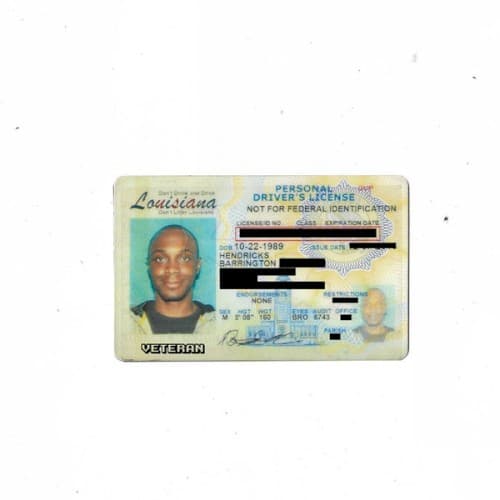
JPEGMAFIA Veteran — The Sound of Being Terminally Online and Barely Holding It Together
The thesis of Veteran is that chaos organized just enough becomes a weapon. JPEGMAFIA recorded 120 songs in Baltimore, whittled them to 19, then chopped those 19 into glitch and noise fragments held together by trap drums and rage. The result is the most chaotic hip-hop album that still functions as hip-hop, more freeform than Death Grips or clipping because it refuses even their structural discipline. Tracks end abruptly, beats switch without warning, and the vocal performance lurches from crooning to staccato rapping to shouted threats within the same song. The disorder is the point: this is what 2018 sounded like to someone who spent too much time online and not enough time pretending any of it made sense.
The album works because the ugliness is deliberate and the editing is severe. JPEGMAFIA cut Dayum from three beats down to 86 seconds and removed his own verse from Libtard Anthem because it was not needed. The percussive distortion and frayed edges are not accidents but the atmosphere itself, a collage of Tigerbeat6 glitch styles, punk rap aggression, and space-age R&B crooning applied to targets like Morrissey, the alt-right, gentrification, and Whole Foods Market. The lyrics reference video games, anime, Tomi Lahren, and WWE in the same breath because that is how the internet presents information: everything at once, all of it urgent, none of it resolved. The weakness is that the chaos becomes exhausting over 19 tracks, and the editing that cut Dayum and I Cannot Fucking Wait Until Morrissey Dies down to 90 seconds each did not go far enough to make the full album as sharp as its best moments.
Noise as Percussion, Rage as Texture
The production on Veteran treats distortion and chaos as structural elements rather than effects. JPEGMAFIA built the beats from glitch and noise in the vein of Mille Plateaux and Tigerbeat6, then layered them over trap drums and punk rap aggression to create something that functions as rap music while sounding like it is falling apart. The frayed edges of the samples and the percussive distortion work melodically and rhythmically at the same time, which is why Baby I'm Bleeding can pivot from abrasive noise to a hazy soul sample without the transition feeling forced. The Travis Scott sample on Williamsburg gets chopped into a cold, empty beat that mirrors the economic hollowing-out the lyrics describe. The Ol' Dirty Bastard sample on Real Nega gets distorted until it sounds like a transmission from a broken radio, which is the correct treatment for a song about the alt-right.
The writing is sharp when it names specific targets and weak when it gestures at general unrest. The threats on Rock N Roll Is Dead to put hands on a blogger and make them beg for their life are specific and funny; the repeated "I don't care" on My Thoughts on Neogaf Dying over a hazy beat captures jaded indifference to scandal culture better than any rant could. The gentrification commentary on Williamsburg works because it mocks yuppies buying overpriced coffee and Phoenix Suns shirts, not because it makes a general point about Brooklyn. The references to video games, anime, Rudy Giuliani, and The X-Files pile up like a Twitter feed, which is both the appeal and the problem: the density makes the album feel urgent and of-the-moment, but the reliance on 2018 references means some lines will age into footnotes.
The vocal performance is the album's most uneven element. JPEGMAFIA moves from crooning to staccato rapping to smooth flow within Thug Tears, and the abruptness of the shifts proves he has the range. The problem is that the aggression often flattens into one register, and 19 tracks of shouted threats and sneering commentary start to blur together. The moments where he pulls back, like the hazy singing on DD Form 214 or the calm delivery on Panic Emoji, stand out because the rest of the album rarely gives the listener room to breathe. The uncredited guest verse from Freaky on Libtard Anthem is the best vocal moment on the album, which is why JPEGMAFIA removed his own verse to make room for it. That decision shows good judgment, but it also suggests the album could have used more editing elsewhere.
Nineteen Tracks That Could Have Been Twelve
The sequencing of Veteran is deliberate but overlong. The album opens with a stretch of abrasive material that moves without much variation in mood or pacing, which makes the early peaks feel less impactful than they should. The middle sags with interstitial pieces that gesture at ideas without developing them, and the one-minute runtime on several tracks suggests they were whittled down from longer songs but not cut entirely. The editing that JPEGMAFIA applied to individual tracks did not extend to the album as a whole, and the result is 19 songs that feel like a collection rather than a cohesive statement.
The back half improves the pacing with longer tracks that allow the beats and vocal performances to develop, but by that point the relentless aggression of the first 40 minutes has already worn the listener down. The album would be sharper at 12 or 13 tracks, with the interstitials and one-minute fragments cut entirely. The chaos works in individual songs because the editing is severe; over 19 tracks the chaos starts to feel like clutter. The final moments end the album without resolving anything, which is thematically appropriate but leaves the album feeling unfinished rather than complete.
A Breakthrough That Shows the Limits of Chaos
Veteran is JPEGMAFIA's breakthrough because it applies noise and glitch production to the political and cultural chaos of 2018 in a way that no other rap album did. The aggression and sarcasm feel incisive rather than performative, and the production pushes past the avant-garde rap of Death Grips and clipping into more freeform and chaotic territory. The album works best in bursts: Baby I'm Bleeding, Real Nega, and Williamsburg are sharp and specific, and the moments of soul sampling and space-age R&B crooning show a range that the rest of the album does not always explore. The weakness is that 19 tracks of relentless chaos and reference-heavy commentary become exhausting, and the editing that cut individual tracks down to 90 seconds should have extended to cutting five or six tracks from the album entirely.
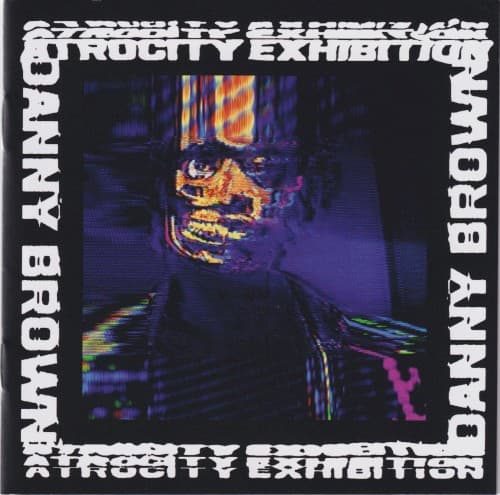
This is essential listening for anyone interested in experimental hip-hop or the sound of being terminally online in the late 2010s, but it is not an album to start with if you are new to abrasive or chaotic rap. The production will alienate listeners who want conventional beats, and the aggression rarely lets up enough to make the album welcoming. Start with Baby I'm Bleeding, Real Nega, or Williamsburg to hear the album's best balance of chaos and structure, then move to Thug Tears or Rainbow Six for the vocal range. If those tracks work, the full album is worth the effort. If they do not, the rest will not change your mind. For a sharper and more focused statement, listen to All My Heroes Are Cornballs next, which applies the same production approach with better sequencing and less clutter. For comparison, Atrocity Exhibition offers a similarly abrasive approach to experimental hip-hop with more conventional song structures.
Track Listing
1539 N Calvert
▲The opener establishes the album's chaotic aesthetic immediately with distorted production and abrasive vocal delivery. The beat lurches between glitch fragments and trap drums without settling into a groove, which sets the tone for an album that refuses to let the listener get comfortable. The title references a Baltimore address, grounding the chaos in a specific place rather than abstract aggression.
Real Nega
▲The Ol' Dirty Bastard sample gets chopped and distorted into a percussive element rather than a melodic one, creating a beat that sounds like a broken transmission. The vocal delivery is staccato and aggressive, matching the threat in the lyrics about the alt-right wanting war. The production captures the ugliness of the subject matter without making the song unlistenable, which is a difficult balance that the album does not always maintain. The beat switch midway through is abrupt but effective, showing how chaos can be structured without losing its edge.
Thug Tears
▲The best showcase of JPEGMAFIA's vocal range on the album, moving from crooning to staccato rapping to smooth flow within three minutes. The Matrix sample adds a surreal quality to the production, and the abruptness of the vocal shifts mirrors the disorienting beat. The track proves that the chaos is not just aggression but a deliberate aesthetic choice that serves the performance. This is one of the album's clearest arguments for why the ugliness and disorder are necessary rather than indulgent.
Dayum
●Cut from three beats down to 86 seconds, and the editing shows. The track feels like a fragment of a longer idea rather than a complete thought, which makes it one of the album's weaker moments. The brevity suggests discipline, but the result is a song that does not develop enough to justify its inclusion.
Baby I'm Bleeding
▲The album's most immediate track, pairing a hazy soul sample with abrasive noise in a way that makes both elements work. The production uses distortion percussively, so the frayed edges of the sample become part of the rhythm rather than a layer on top of it. The vocal delivery is aggressive but controlled, and the hook is one of the album's most memorable moments. The beat switch in the final third adds a melodic reprieve without softening the aggression, showing how the album's chaos can be shaped into something that rewards repeat listens. This is the track that makes the case for Veteran's approach most clearly.
My Thoughts on Neogaf Dying
●A one-note joke stretched to 94 seconds: the repeated "I don't care" over a hazy beat captures jaded indifference to online scandal culture, but the track does not develop the idea beyond the title. It works as a momentary reprieve from the aggression, but it is one of several interstitial tracks that could have been cut to tighten the album.
Rock N Roll Is Dead
▲The threat to put hands on a blogger and make them beg for their life is funny and specific, grounding the aggression in a real target rather than abstract rage. The production is abrasive without being chaotic, giving the vocal performance room to land. The critique of mainstream press and online critics feels urgent rather than performative, and the track's three-minute runtime allows the idea to develop without overstaying. One of the album's best balances of aggression and structure.
DD Form 214
●The title references a military discharge form, tying the track to JPEGMAFIA's Air Force background. The production is hazier and less abrasive than the surrounding tracks, and the guest vocal from Bobbi Rush adds a melodic layer that the album rarely explores. The slower pace and crooning delivery make this one of the album's few moments of calm, which helps the sequencing even if the track itself is not as sharp as the peaks. The three-minute runtime is justified by the mood shift rather than the lyrical content.
Germs
●The production is dense and chaotic, layering noise and glitch elements over a trap beat until the track feels claustrophobic. The vocal delivery is aggressive and urgent, but the track does not develop a clear idea beyond the mood it establishes. It is one of several mid-album cuts that blur together, suggesting the sequencing could have used more variation in pacing and tone.
Libtard Anthem
▲JPEGMAFIA removed his own verse to make room for Freaky's guest performance, which is the best vocal moment on the album. The verse captures the contradictions and flaws of liberal politics with specificity and humor, and the decision to step back shows good judgment. The track is short at 80 seconds, but the editing works here because the idea is complete. One of the album's sharpest moments of political commentary.
😱
●The production is abrasive and percussive, using distortion as a rhythmic element rather than a melodic one. The three-minute runtime allows the track to develop, but the aggression flattens into the same register as the surrounding songs. The track works as part of the album's chaotic aesthetic, but it does not stand out as a peak or a low point. Solid but unremarkable.
DJ Snitch Bitch Interlude
▼An 83-second interlude that does not develop an idea or shift the mood enough to justify its inclusion. It is one of several short tracks that feel like remnants of the editing process rather than complete thoughts.
Whole Foods
▲The gentrification commentary is specific and funny, mocking the cultural markers of wealth like overpriced coffee and organic groceries. The production is cold and minimal, mirroring the economic hollowing-out the lyrics describe. The two-minute runtime is tight, and the track is one of the album's best examples of how specificity makes political commentary land. The humor keeps the critique from feeling preachy, and the beat is one of the album's most effective uses of minimalism.
Macaulay Culkin
▼The title references the actor, but the track does not develop the reference into a clear idea. The production is abrasive and the vocal delivery is aggressive, but the track blurs into the surrounding songs without standing out. At under two minutes, it does not overstay, but it also does not add much to the album. Filler.
Williamsburg
▲The strongest track in the back half, pairing a Travis Scott sample chopped into a cold, empty beat with gentrification commentary that mocks yuppies and their cultural signifiers. The three-and-a-half-minute runtime allows the production and lyrics to develop, and the vocal delivery is controlled enough to let the specificity of the critique land. The line about selling art to yuppies captures the contradiction of making political music for an audience that is part of the problem, and the beat mirrors the economic emptiness the lyrics describe. One of the album's clearest arguments for why the chaos and ugliness are necessary.
I Cannot Fucking Wait Until Morrissey Dies
●The title is the joke, and the 87-second runtime does not develop it beyond the premise. The track was cut from a longer version, and it shows: the result feels like a fragment rather than a complete thought. It works as a momentary burst of aggression, but it is another example of a track that could have been cut to tighten the album.
Rainbow Six
▲The longest track on the album at nearly five minutes, and the extended runtime allows the production to develop through multiple movements without feeling bloated. The guest vocal from Yung Midpack adds variety to the album's vocal performances, and the beat shifts between abrasive noise and hazy melody in a way that rewards attention. The track is one of the album's best examples of how chaos can be structured into a cohesive song rather than a collection of fragments. The pacing in the back half improves with longer tracks like this one, though by this point the relentless aggression of the first 40 minutes has already worn the listener down.
1488
▲The title references a white supremacist slogan, and the track confronts fascism directly with aggressive production and vocal delivery. The two-and-a-half-minute runtime is effective, and the track is one of the album's sharpest political moments. The aggression feels earned here because the target is specific and the stakes are clear.
Curb Stomp
●The closer ends the album without resolving the chaos or shifting the mood, which is thematically appropriate but leaves the album feeling unfinished. The production is abrasive and the vocal delivery is aggressive, continuing the album's aesthetic rather than offering a conclusion. The two-minute runtime is tight, but the track does not provide the kind of ending that makes the full 19-track journey feel necessary. A sharper album would have ended five tracks earlier.