The scorecard
6.4/10 · Mixed
- Writing25%
- 6.5
- Production25%
- 6.5
- Delivery15%
- 7.5
- Cohesion15%
- 5.5
- Originality10%
- 6.0
- Replay value10%
- 6.0
KRS-One still writes with a teacher's authority and a battle rapper's sting, but the album's slogans about real hip-hop repeat themes he had already covered better.
Beats come from KRS-One himself plus Showbiz, DJ Muggs, Domingo and others, and the range is wide but uneven, with the self-produced cuts sounding thinner than the outside contributions.
His commanding, declamatory voice stays authoritative on even the weakest beats, and the Redman features bring out a looser, funnier side.
The basketball-quarter framing gives the record a concept, but nineteen tracks with several brief interludes and a remix slow its momentum.
It extends his earlier approach with a sharper push toward the mainstream, and the crossover moves feel more like adaptation than invention.
The strongest cuts hold up well and the rest mostly work as background, which makes it a record to pick from rather than play whole.
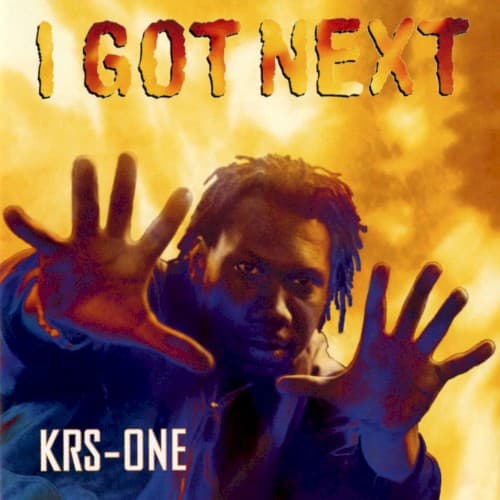
KRS-One I Got Next — The Teacher Takes a Shot at the Charts
I Got Next is organized like a basketball game, with spoken commentary marking each quarter and a halftime break in the middle, and the metaphor tells you what KRS-One was trying to do in 1997. The game was commercial rap, the scoreboard was the pop charts, and the man who had spent a decade as hip-hop's self-appointed teacher decided to prove he could play on that court without giving up his authority. The album debuted at number three on the Billboard 200 and went Gold, so by the numbers he won.
The argument of this review is that the album is a better record than its reputation as a crossover bid suggests, and a weaker one than its best songs imply. It carries real strengths: a voice that commands attention on any beat, a sharp sense of what a hook should do, and a handful of tracks that stand with his finest work. But it also carries the compromises of a moment when rap's biggest stars were flirting with the pop machine, and KRS-One, a rapper who built his name on refusing that bargain, was visibly negotiating with it.
The lineage is the interesting part. He came up as the voice of Boogie Down Productions, in a tradition where the MC was a teacher, a street reporter and a battle champion in one. By the late 1990s that identity was under pressure from a new, glossier generation, and this record is his answer. It reaches for the sound of the time, with guests like Redman and Angie Martinez on one side and Puff Daddy on a remix on the other, while keeping the preaching intact.
The result is a mixed success. The conviction is real, and some of the writing and delivery is excellent. But the record is long, uneven and caught between two agendas, and it never quite decides whether it is a statement or a bid for the radio. It earns a place as a transitional record, not a peak.
A Preacher's Voice on Borrowed Beats
The strongest element on I Got Next is KRS-One's voice. He has a deep, declamatory delivery that treats every verse as a lecture and every hook as a slogan, and on the best tracks that presence turns simple ideas into commands. The writing leans on his usual themes: the purity of hip-hop, the failures of pretenders and the authority of the MC. These themes are familiar, but they are delivered with a force that few of his peers could match.
The production is where the album splits. KRS-One produced a large share of the tracks himself, alongside outside names including Showbiz, DJ Muggs, Domingo and Jesse West, and the difference in approach is audible. The self-produced material tends to sound thin and spare, built more around his voice than around a rich beat. The outside contributions are fuller and more varied, with a harder bass and sharper drums, and they give the album its stronger moments. The gap between the two approaches is one of the reasons the record feels uneven.
The guest list adds a little life. Redman appears on two tracks, and his looser, funnier style provides a useful contrast to the teacher's seriousness. Angie Martinez, Mic Vandalz and Thor-El round out the guest roster, with Puff Daddy appearing only on a remix near the end. The collaborations are well chosen, but none of them turns into the kind of meeting that redefines either rapper.
The most noticeable weakness is repetition. The album returns again and again to the same set of messages about authenticity, and a listener who knows his earlier work will recognize many of the arguments. The preaching is consistent, but it is not always fresh, and some tracks sound like reminders rather than discoveries. A record that wants to speak to the mainstream and also to scold it has to choose between the two, and this one does not choose.
The structure helps and hurts. The basketball concept, with its brief commentary pieces between tracks, gives the album a visible framework and a sense of fun, but it also adds length and interrupts the flow. The short interludes work as jokes the first time and as obstacles on repeat plays. The idea is clever, and the execution is about as good as an idea like this can be, but it makes a long record longer.
Overall, the album works best when it trusts his voice and gets out of the way, and worst when it tries to chase a sound that is not his own.
Four Quarters, Too Many Timeouts
The sequencing is built around the basketball concept: spoken commentary pieces mark the quarters, a halftime break sits in the middle, and the album ends with a free-throw closer and a remix. It is a playful structure that gives the record a sense of identity at a time when many rap albums were simply stacks of singles, and it deserves credit for the ambition.
The cost is length. Nineteen tracks, including five or six short interludes and a long remix of an earlier song, make the album run much longer than its best material justifies. The brief pieces are charming the first time and a drag after that, and the remix, which adds Puff Daddy, is the clearest example of an addition that exists for the market rather than the music.
The pacing moves in two halves. The first half sets the tone, with a strong opening run that mixes hard rhymes and a clear sense of purpose. The second half drifts, partly because the interludes break the energy and partly because the later tracks lean on the same ideas as the early ones. The sag is not dramatic, but it is real.
There are strong moments in the second half, and the best of them comes from a DJ Muggs production that gives the album a harder, more menacing sound than most of what surrounds it. That track and one other late highlight keep the back half from collapsing, and they show what the record could have been with a tighter tracklist. A twelve-song version of this album would have been a clearly better record, and the extra length does more to dilute the best material than to enrich it.
A Transitional Record With a Few Lasting Cuts
Within the KRS-One catalog, I Got Next sits below the two solo albums that preceded it. It is his third solo album, and it came after two records that were sharper, more focused and less compromised by the pull of the market. This one is the sound of a rapper adjusting to a changing field, and the adjustments cost him some of the fire that made the earlier work essential.
It is for fans of his voice who want to hear him in a more polished setting, and for listeners interested in how a veteran from the previous generation responded to late-1990s pressures. It is also a useful record for anyone studying how the idea of authenticity was negotiated at a time when rap was becoming a mainstream pop language. Skip it if you want the leanest, most uncompromising version of KRS-One, because those records are elsewhere, and skip it if you dislike long, uneven albums.
The album has aged unevenly. The best songs still hold up because they depend on his voice and a strong beat, and the slogans about real hip-hop are less urgent now that the argument has moved on. The concept framing is charming, but it is also tied to a particular moment.
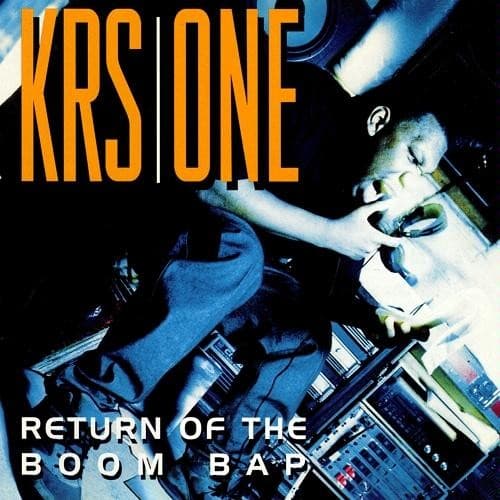
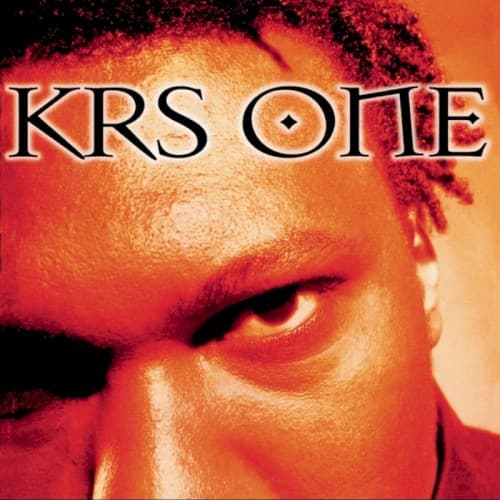
Start with Can't Stop, Won't Stop for the album's hardest and most memorable production, Step Into a World (Rapture's Delight) for the clearest look at his crossover instincts, and Heartbeat for the Redman and Angie Martinez team-up. For what to hear next, go back to the earlier solo albums Return of the Boom Bap and the self-titled follow-up, which show him with a sharper edge and fewer compromises. The clearest way to put it is that I Got Next is a very good rapper playing a game he did not need to play, and winning it in the only way that mattered to the box office.
Track by track
Track Listing
1st Quarter — The Commentary
SolidA brief spoken opener, under twenty seconds, that sets up the basketball concept. It is a gag, and it works as one, but it is not a song.
2nd Quarter — Free Throws
SolidA short, self-produced warm-up that gives KRS-One a few minutes to rap over a spare beat. It is solid but slight, and it sets a tone of confidence more than it delivers a memorable moment.
The MC
StandoutDomingo's production gives the track a harder, more modern sound, and KRS-One uses it to deliver a lecture on what an MC should be. The theme is a familiar one, but the delivery is forceful and the beat gives it weight. One of the early highlights, and a clear example of how the album works when the outside producers are in charge.
I Got Next / Neva Hadda Gun
SolidThe title track, self-produced, is a statement of intent: the veteran claims his place in a changing game. It is confident and clear, with a steady beat and a strong vocal, though the production is thin compared with the outside contributions. It works as an anthem, even if it does not break new ground.
Heartbeat
StandoutA team-up with Redman and Angie Martinez, produced by KRS-One. Redman's looser, more playful voice contrasts well with the teacher's seriousness, and the track has an easy, replayable bounce. It is one of the more fun and accessible songs on the record, and a good demonstration of how the album can lighten its tone without losing its identity.
Step Into a World (Rapture’s Delight)
SolidJesse West's production aims squarely at the radio, and KRS-One uses it to deliver a message about hip-hop's reach and responsibility. It is the clearest sign of the album's crossover instincts, and it works on its own terms as a polished single. The sheen is also what some of his older fans disliked, and the song shows both the strength and the cost of the approach.
A Friend
StandoutShowbiz produces this more reflective track, and KRS-One uses the space to move beyond slogans into something more personal. The change of tone is welcome, and the beat gives the song a warm, grounded feeling. A quiet but effective moment.
H.I.P.H.O.P.
SolidA short, self-produced track with Thor-El that covers territory he had covered before. It is brisk and energetic, but it plays more like a reminder of his philosophy than a new statement.
Halftime
SolidA forty-second interlude produced by Commissioner Gordon that fits the basketball concept. It is a brief breather, not a song.
3rd Quarter — The Commentary
WeakAnother very short spoken piece that resets the concept. It is a joke the album did not need to repeat, and it is filler.
Klassicks
SolidA brief track under a minute, produced by DJ Cipher and Thembisa. It is quick and lively, but it is over before it develops into anything and works more as a sketch.
Blowe
StandoutRedman returns for another team-up, with Showbiz on production. The beat is looser and funnier than much of the album, and the two rappers have easy chemistry. It is one of the more entertaining songs on the record, and it shows the benefit of letting a guest change the mood.
Real Hip-Hop, Part II
SolidA self-produced sequel with Mic Vandalz that returns to his most familiar theme. It has energy and conviction, but it covers old ground, and the production is thinner than the outside-produced tracks.
Come to da Party
WeakA short, self-produced party record that tries for a lighter touch. It is brisk and harmless, and one of the album's more forgettable moments.
Can’t Stop, Won’t Stop
StandoutDJ Muggs produces the album's hardest and most atmospheric track, and KRS-One responds with one of his most forceful performances. The beat is dark and dense, and it gives the verses a menace the rest of the album rarely reaches. A clear highlight, and the best argument that the record could have been much better with more outside production like this.
Over Ya Head
SolidA short track produced by KRS-One and Commissioner Gordon, built around a lecture on rapping that goes beyond listeners' heads. It is clear and direct, but the production is spare, and it does not leave a lasting impression.
Just to Prove a Point
StandoutA longer, self-produced track with additional production credits, and one of the album's more substantial late moments. KRS-One has room to build an argument across the length, and the delivery is committed. It is a good late-album piece that gives the second half some needed weight.
4th Quarter — Free Throws
SolidA closing piece that wraps up the basketball concept with a short, self-produced rap. It is a neat conclusion to the framing device, but it is slight on its own.
Step Into a World (Rapture’s Delight) (remix)
WeakA seven-and-a-half-minute remix of the earlier single that adds Puff Daddy. It is the most overt play for the mainstream on the album, and it adds length without adding much substance. A bonus-style closer that feels like it belongs to a marketing plan rather than a record.
Frequently Asked Questions
Is KRS-One I Got Next a good album?
How did I Got Next perform on the charts?
Why does I Got Next use basketball quarters?
Styles