The scorecard
8.2/10 · Great
- Writing25%
- 8.0
- Production25%
- 8.5
- Delivery15%
- 8.5
- Cohesion15%
- 7.5
- Originality10%
- 8.0
- Replay value10%
- 8.5
Sound of da Police and Black Cop turn police brutality into sharp, quotable argument, and the history lessons come from his own experience rather than borrowed slogans, though the second half leans on some familiar ideas.
DJ Premier, Showbiz, Kid Capri and KRS-One himself build bass-heavy, hook-driven beats with sirens, horn stabs and beatboxing that make the album feel like a single, coherent sound.
His booming, rhythmic voice works almost like a drum and turns the hooks into chants, and he rides the beats with the confidence of someone who has done it for years.
Fourteen tracks with a consistent bass-heavy sound and no skits make it feel like one piece of work, though the looser middle and a few lesser tracks in the second half keep it from being tighter.
It gave KRS-One a fresh solo identity built on stripped-down, hook-driven beats, and its title became shorthand for a style, though the approach is deliberately plain rather than radically new.
The hooks are durable and the beats still hit hard, so the record rewards return visits.
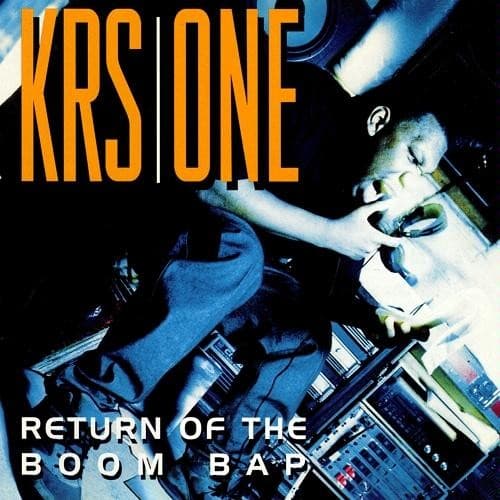
KRS-One Return of the Boom Bap — The Teacher Builds His Own Beats
Return of the Boom Bap makes a promise in its title and keeps it. KRS-One had spent the late 1980s as the voice of Boogie Down Productions, and when he stepped out on his own in 1993 he did not try to reinvent himself. He asked a simpler question: what would rap sound like if the beats were as direct as the rhymes? The answer is a record built on heavy bass, plain drums and repeated hooks, and it is a better, more durable solo debut than most of the genre's famous first albums.
The argument of this review is that the album is the best expression of his method, and that its quality comes from a rare balance. The lectures are still there, and so is the battle-rap swagger, but the music finally gives them something to push against. Robert Christgau, writing in The Village Voice, called it his best because the music had finally caught up with the words, and I think that observation is exactly right. This is a record where the beats have personality.
The lineage is clear. KRS-One was a teacher in a tradition that treated the MC as a street reporter, a historian and a battle champion at once, and this album carries that tradition into the sound of the early 1990s. Producers including DJ Premier, Showbiz and Kid Capri bring a new, harder, sample-driven approach that stripped the funk-heavy density of the late 1980s down to bass, snare and a hook, and KRS-One takes to it immediately.
The result is a record with real historical weight. Its title became shorthand for a style, and The Source later named it one of the 100 best rap albums. It is not a perfect album, since some of the later tracks are lesser, but the high points are very high, and the whole thing hangs together as a confident statement from a rapper at the top of his game.
Simple Beats, Sharp Argument
The first thing that separates this album from its peers is how plainly it is built. The beats rely on a small set of strong ideas: a deep bass line, a clean drum pattern and a single memorable sound, whether a horn blast, a siren imitation, a snatch of guitar or a human beatbox. Those elements recur throughout the record, and the repetition is hypnotic. Christgau described the effect as leaving the listener hungry for more, and that is an accurate way to describe how well the arrangement uses simplicity.
The production credits show how varied the sources are without the sound ever fragmenting. DJ Premier supplies several of the strongest tracks, with his dusty, hard-hitting loops. Showbiz, Kid Capri and Norty Cotto each contribute, and KRS-One produces several tracks himself. The result is a consistent sonic identity, built around bass and rhythm, that makes the record feel like one piece of work rather than a compilation of producers. The sampled sources are varied, including rock, soul and jazz records, but the treatment is always the same: strip it down and make it heavy.
The writing is the second strength. KRS-One's lyrics combine street reporting with argument, and the best tracks make their case with precision. Sound of da Police is the clearest example: it turns a catchphrase into a thesis about how authority operates, and the hook is so direct that it has been quoted ever since. Black Cop works in a similar way with a tighter, angrier focus. The album also has a teaching strand, and Christgau noted that the history he teaches is mostly his own, which is exactly right: the lessons come from his own experience, not from borrowed slogans.
His delivery ties it together. The voice is booming and rhythmic, almost like a drum, and he rides the beats with the confidence of someone who has done it for years. The guest features are minimal, with Ill Will and Kid Capri the only credited names, and the lack of crowding helps the record keep a single point of view.
The weakness is unevenness in the second half. A few tracks lean on familiar ideas without adding much, and some of the self-produced material lacks the bite of the outside contributions. The album also leans on a limited set of moods, with hard and heavy dominating, so a listener looking for emotional variety will find less than the writing suggests. These are real limits, but they are small beside what the record accomplishes.
A Record With Its Best Moments Up Front
The sequencing of Return of the Boom Bap is clear and confident. It opens with a short, aggressive statement from KRS-One that announces the record's tone, and then moves quickly into a run of tracks that establish the album's core sound. There are no skits, no long interludes and very little throat-clearing, and the 14-track length is well judged for the material.
The early part of the album is its strongest stretch. The singles arrive in the first half, and the early tracks combine a hard, direct style with a high level of craft. The pacing is brisk and the energy is high, and the record has a sense of forward motion that few debuts of its time could match. A listener can start at the beginning and feel pulled through the sequence.
The middle is where the album shifts its attention. A series of tracks with guests and a lighter, more playful touch break up the intensity of the opening, and while a few of them are less memorable, they provide useful variety. The pacing here is looser, and the record loses a little of its early urgency, but it never loses its identity.
The closing stretch brings back the weight. The final tracks include the title song and a longer closer that gives the album an ending with a sense of scale. The album's length is earned: at roughly fifty-five minutes it never drags, and the best material is spread evenly enough that no stretch feels like filler. A few trims in the second half would have made the record tighter, but the overall shape is solid and the arc is satisfying. It is a record that knows exactly how long it needs to be.
The Record That Named a Sound
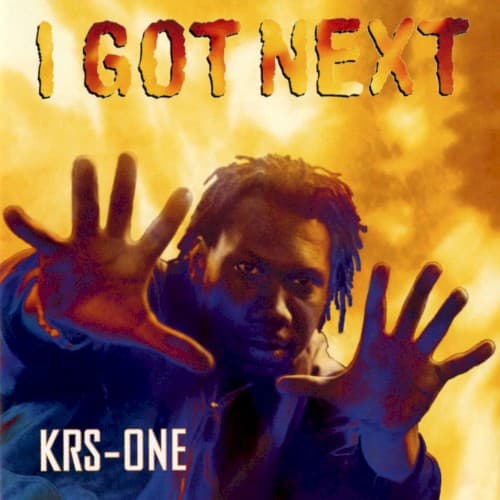
Within the KRS-One catalog, Return of the Boom Bap is the standard against which the rest of his solo work is measured. It is a better, more consistent record than the self-titled album that followed it, which has the stronger guest list but a looser tracklist, and clearly better than I Got Next, which chases the market at the cost of focus. The debut has the hooks, the clarity and the sense of purpose that made his reputation, and The Source's decision to name it one of the 100 best rap albums in 1998 looks sound.
It is for anyone who wants to understand how rap sounded when it stripped away decoration and focused on the voice and the beat. It is essential listening for fans of boom bap, a useful starting point for anyone new to his work, and a good companion for listeners interested in how rappers engaged with politics and policing in the early 1990s. Skip it if you want elaborate production, melodic hooks or a lighter tone, because the album is deliberately plain and serious.
It has aged very well. The beats sound current because they were never tied to a trend, and the arguments in the writing, particularly about policing and power, remain relevant. The hooks have been quoted and sampled for decades, which is the strongest evidence of their durability.
Start with Sound of da Police for the album's best-known song and sharpest argument, Black Cop for the angrier, shorter companion, and Outta Here for the lead single. For what to hear next, go to the self-titled follow-up for a wider guest list and a bigger roster of producers, and to I Got Next to hear how the sound changed at the end of the decade. The most direct way to put it is that this is the album where KRS-One turned a style into a sound, and the sound has outlasted nearly everything built to compete with it.
Track by track
Track Listing
KRS-One Attacks
StandoutDJ Premier produces this short, aggressive opener, which sets the tone with a hard beat and a direct introduction to the album's attitude. It works as a statement of intent more than a fully developed song, and it gets the record moving quickly.
Outta Here
StandoutThe lead single, produced by DJ Premier, announces the album's boom-bap identity with a hook that is as simple as the title suggests. The beat is lean and heavy, and KRS-One's delivery is playful and confident. It is one of the most accessible tracks on the record and an effective introduction to the sound.
Black Cop
StandoutProduced by KRS-One and originally released as a single and on a film soundtrack, this is a short, angry piece about a Black police officer's role in a system of harm. The focus is tight and the writing is sharp, and the brevity keeps the argument from losing force. It is one of the album's best examples of how he turns a social issue into a precise, memorable song.
Mortal Thought
SolidDJ Premier supplies a dusty, hard-hitting beat that gives KRS-One room to rap with weight and clarity. It is a solid, forceful track that fits the album's central sound, even if it does not stand as one of the highlights. The verses stay close to the beat, and the track shows how little KRS-One needs in order to command a song.
I Can’t Wake Up
StandoutA collaboration between KRS-One and DJ Premier on production, and a track that leans toward a darker, more reflective mood. The beat is steady and the delivery is controlled, and the song provides a change of pace without losing the album's tone.
Slap Them Up
SolidIll Will appears on this Norty Cotto production, and the track has a rougher, more street-level feel than much of the record. It is energetic and competent, though not as sharply written as the album's best, and it works as a secondary highlight. Ill Will's presence adds a second voice that helps break up the album's single-narrator feel.
Sound of da Police
StandoutThe album's most famous song, produced by Showbiz around a sample of a Grand Funk Railroad record, and the clearest demonstration of how well the record combines argument and hook. The siren-like chant turns a simple phrase into a thesis about authority and its abuses, and the beat is dense with a rhythmic urgency that keeps it moving. It reached the Hot 100 and has been quoted ever since, and it earns its status as the defining track of the album.
Mad Crew
SolidA self-produced track that celebrates his circle and puts his voice front and center. It is lively and confident, though the beat is simpler than the outside-produced tracks and the song does not develop much beyond its opening idea. It is the kind of crew-celebrating cut that fits the era, but it gives way to stronger material.
Uh Oh
SolidA self-produced track with a playful, quick-moving delivery. It adds variety to the second half and is a fun listen, but it is not among the album's most memorable cuts.
Brown Skin Woman
SolidKid Capri produces this lighter, warmer piece, and KRS-One uses it to pay tribute to women. The tone is a clear change from the hard-edged material around it, and the beat is smooth, but the track is a lesser entry in the sequence and the writing is more straightforward than sharp.
Return of the Boom Bap
StandoutThe self-produced title track puts the album's idea into a single statement, with a heavy bass line and a rhythm that practically defines the style the title names. KRS-One raps with authority and the hook is simple and effective. It is a fitting centerpiece, and it gives the record a clear identity.
“P” Is Still Free
StandoutDJ Premier produces this track, which appeared on a film soundtrack credited to Boogie Down Productions. It is a hard, atmospheric piece with a steady groove, and KRS-One delivers it with focus. One of the strongest late-album tracks.
Stop Frontin’
SolidKid Capri produces and appears on this track, which is built around a jazz sample. The mood is lighter and looser, and the track gives the record some breathing room near the end. A good change of pace, if not a highlight.
Higher Level
StandoutDJ Premier closes the album with a longer, more spacious track built around a sample from a film score. KRS-One uses the room to deliver a reflective, philosophical statement, and the track gives the record a sense of scale at the end. A strong closer that sends the album out on a thoughtful note.
Frequently Asked Questions
Is Return of the Boom Bap a good album?
What are the best songs on Return of the Boom Bap?
Who produced Return of the Boom Bap?
Styles