KRS-One: The Bronx Teacher Who Turned Hip-Hop Into a Classroom
The story of KRS-One starts with a shelter, a library card and a social worker who moonlighted as a DJ. Lawrence Kris Parker left school at thirteen, read philosophy and religion by day, practiced rhyming in the shelters where he slept at night, and tagged walls with the name that would follow him for the rest of his life. At the Franklin Avenue Armory Shelter he met Scott Monroe Sterling, who DJed as Scott La Rock. Together they formed Boogie Down Productions, and the KRS-One artist profile you are reading begins there.
Parker was born in 1965 and rose through the mid 1980s as the voice of the Bronx. Boogie Down Productions arrived at the center of the first great rap feud, the Bridge Wars, with "South Bronx" aimed squarely at MC Shan, Mr. Magic and the Queens-based Juice Crew. It was a loud, territorial way to announce a debut, and it worked. The 1987 album Criminal Minded is considered by hip-hop scholars to be a classic gangsta rap album.
Then Scott La Rock was shot and killed in August 1987, and Parker had to decide what the group was without him. His answer shaped everything afterward. He kept the name, brought in his brother Kenny, D-Nice and Ms. Melodie, and slowly moved the project from street reportage toward education and politics. By the time he went solo in 1993, KRS-One was no longer just a rapper. He was a self-appointed teacher with a very loud voice, a taste for debate and a catalog that mattered to people who thought of hip-hop as more than entertainment.
Booming Voice, Boom-Bap Drums and the Rapper as Lecturer
Listen to KRS-One for two minutes and the first thing you notice is the voice. It is a big, barking, preacher-meets-drill-sergeant delivery, built to carry across a park or a packed club without a microphone doing much of the work. He commands a track instead of gliding over it, and he tends to stress his points with sharp, clipped endings that make an argument feel like a verdict.
The second thing is the subject matter. Where many of his East Coast peers wrote vignettes, Parker wrote lessons. He talked about the history of the culture, the ethics of the MC, police power, nonviolence and the responsibilities of anyone holding a microphone. That instructional streak explains why his songs often feel like a challenge to the listener rather than an invitation. Sometimes this makes for riveting, rewatchable argument. Other times it tips into sermon, and a few of his later albums lean on the sermon more than the song.
Sonically, he is the standard-bearer for the boom-bap sound the title of his first solo album named outright: hard drums, dusty samples, minimal ornament and plenty of space for the voice. He often treated the beat as a stage for the voice, not the star of the song. The throughline from Boogie Down Productions to his solo work is a refusal to soften either the production or the message.
From Criminal Minded to I Got Next: A Career in Three Acts
Act one belongs to Boogie Down Productions. Criminal Minded came out in early 1987 on B-Boy Records, sold around 300,000 copies in its first year and peaked at number 73 on the Top Black Albums chart. The label was an unreliable business partner, allegedly underpaying the group, so Parker and Scott La Rock were preparing a move to Warner Records when Scott died. Warner withdrew its offer, but the group signed to Jive Records and released By All Means Necessary in 1988.
A turning point followed that year, when a young fan was killed during a Boogie Down Productions and Public Enemy concert. Parker responded by organizing the Stop the Violence Movement, a collective of prominent East Coast rappers. Their single "Self Destruction" came out in 1989, with proceeds going to the National Urban League. It topped the Hot Rap Songs chart for ten weeks. Under his direction, Boogie Down Productions grew steadily more political with Ghetto Music: The Blueprint of Hip Hop, Edutainment and Live Hardcore Worldwide. The group's last album, Sex and Violence, arrived in 1992 and sold about 250,000 copies.
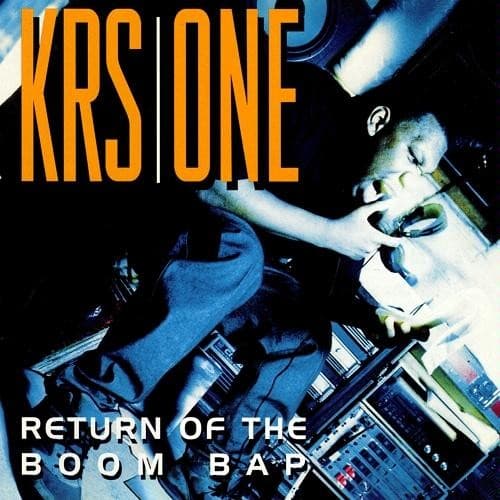
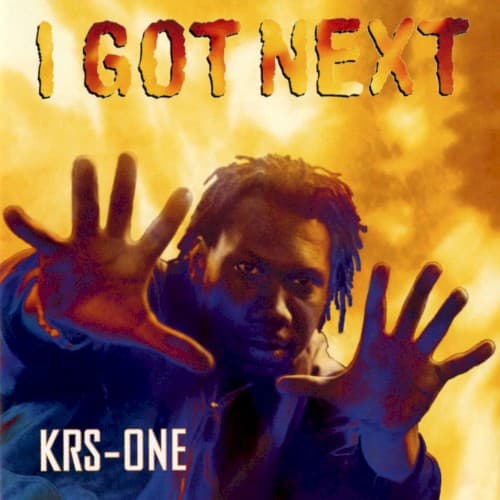
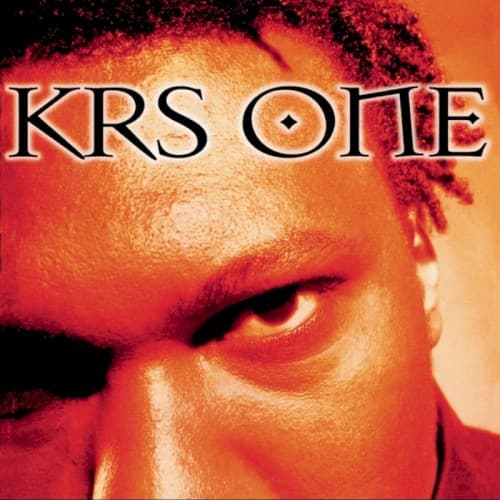
Act two is the solo run on Jive. Return of the Boom Bap landed in 1993, reached number 37 on the Billboard 200 and produced "Sound of da Police," a golden age classic and one of the defining anti-police anthems of the era. Our review of Return of the Boom Bap scored it 8.2 out of 10, and it remains the best entry point. The self-titled KRS-One followed in 1995, peaked at number 19, and pulled in guests like Busta Rhymes and Das EFX. It earned a 7.4 from us, with "Rappaz R.N. Dainja" standing out as a comeback single. Then came I Got Next in 1997, his highest-charting record at number 3, powered by "Step into a World (Rapture's Delight)" and its Blondie sample. We rated it 6.4, and the gap tells the story: the commercial peak was also the point where the polish started to outrun the bite.
Around that period Parker widened his reach beyond records. He self-published The Science of Rap in 1996, founded the Temple of Hiphop the same year, and in 1999 became a vice president of A&R at Reprise Records, a job he left in 2001. He ended his relationship with Jive and released A Retrospective in 2000.
Act three is independence. The Sneak Attack and Spiritual Minded followed on Koch, and his 2002 spat with Nelly, sparked when "Clear Em Out" was read as a diss, ended without much damage to either side. Hip Hop Lives with Marley Marl in 2007 formally closed the Bridge Wars, and Adventures in Emceein in 2008 was the last of his albums to chart on the Billboard 200. Maximum Strength arrived the same year and was widely seen as a return to form. Since then he has put out roughly an album a year, including collaborations with Buckshot, True Master and Showbiz. The later catalog is deep but uneven, and fans have to dig for the high points.
Why KRS-One Still Matters: His Place in Hip-Hop History
KRS-One's biggest contribution may be the idea that a rapper could be an intellectual authority without losing the street. Boogie Down Productions helped define both hardcore and conscious rap within the same few years, which is a trick few artists have repeated. When people later argued about what hip-hop owed its audience, they were often arguing on ground he had marked out.
He also built infrastructure for that belief. The Stop the Violence Movement proved that East Coast rappers could organize around a cause, and the Temple of Hiphop, plus books like The Science of Rap and The Gospel of Hip Hop, treated the culture as something worth teaching. Whether you buy his philosophy or not, he did more than most to give hip-hop a language for explaining itself.
The flip side is a catalog that is hard to recommend wholesale. His public statements have sometimes drawn criticism, and in the 2000s the albums became more frequent but less urgent. That is the honest trade: a seminal run from 1987 to 1997, followed by a long career of working to remind people why that run mattered.
Still, put on "Sound of da Police" or the early Boogie Down Productions records today and the authority hasn't faded. Listeners who love Public Enemy, Gang Starr or later boom-bap revivalists will find a common ancestor here. For anyone tracing how hip-hop decided what it wanted to say, KRS-One is required reading, and the best place to start is Return of the Boom Bap.