Scorecard: 8.9/10 · Essential
How we score- Writing(25%)
- 9.5
The concept of miseducation on love is executed with specificity across relationship dissolution, motherhood, faith and self-worth, with patois switching and biblical allusion earning the introspection.
- Production(25%)
- 9.0
Live instrumentation from harps to Hammond organs to Carlos Santana's Spanish guitar creates a warm, layered sound that avoids late-90s overproduction while anchoring neo soul to hip-hop.
- Delivery(15%)
- 9.0
Hill's rap-singing style shifts from confrontational toasting on Lost Ones to delicate harmonies on Ex-Factor, with D'Angelo and Mary J. Blige matching her range on their features.
- Cohesion(15%)
- 8.0
The classroom interludes and narrative arc from anger to forgiveness to optimism hold the record together, though the two hidden covers at the end feel tacked on.
- Originality(10%)
- 9.0
In 1998 no other rapper was building a concept album on neo soul live instrumentation with this level of vocal range and thematic ambition, setting the template that neo soul would follow.
- Replay value(10%)
- 8.5
The warmth of the production and the specificity of the writing have kept the album in rotation for over two decades, though some slower ballads drag on repeated listens.
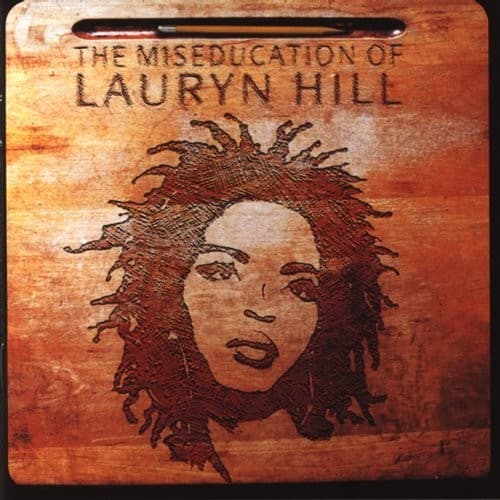
Lauryn Hill The Miseducation of Lauryn Hill — The Album That Made Neo Soul Necessary
The Miseducation of Lauryn Hill argues that a woman can leave the biggest rap group of the decade, reject the overproduced gloss of late-90s R&B, and build a concept album on live strings and personal reckoning that still sells ten million copies. The thesis is stated in the first classroom interlude: Hill is the one student missing from the roll call, off getting the education the system could not provide. The stakes are whether Hill can hold a solo album together without the Fugees safety net, whether the neo soul experiment can work in a hip-hop frame, and whether an album this personally specific can speak broadly enough to matter. Hill answers all three by the second verse of Lost Ones, and spends the next seventy minutes proving it.
The context is narrow: after The Score made the Fugees unavoidable, Hill became pregnant with Rohan Marley's child, faced pressure to terminate the pregnancy for her career, wrote thirty songs in her attic instead, then flew to Bob Marley's Tuff Gong studio in Kingston to finish the record with a team called New Ark. The concept came from Carter Woodson's The Mis-Education of the Negro and the structure from Hill's insistence on live harps, clarinets and timpani recorded with the human element intact. The album opens with poet Ras Baraka taking attendance in a classroom full of children in Hill's living room, establishing the frame: Hill is absent because she is learning what the institutions will not teach.
Live Instrumentation as Argument Against the Mainstream
Hill rejected Wyclef Jean's offer to produce and turned down RZA when Columbia floated the idea, insisting on writing and producing the album herself with New Ark. The result is a sound that pulls from 1960s Aretha Franklin and Al Green rather than 1998 Billboard trends, built on live piano, Hammond organ, Spanish guitar and layered harmonies instead of programmed beats. Carlos Santana plays rolling acoustic licks on To Zion, D'Angelo handles electric piano on Nothing Even Matters, and John Legend makes his commercial debut on the keys for Everything Is Everything. The production is warm and patient, letting the instruments breathe: Ex-Factor ends with a full guitar solo, Final Hour floats on jazz flute, and the titular track builds slowly on organ and strings.
The reggae influence is structural rather than decorative, with roots riddims anchoring When It Hurts So Bad and Forgive Them Father, the latter a full interpretation of Bob Marley's Concrete Jungle. Doo Wop That Thing takes a sharper route, fusing doo-wop harmonies with soul horns and turntable scratching before pivoting into an R&B chorus, covering decades of Black music in five minutes. Hill plays guitar herself on Superstar, which interpolates The Doors' Light My Fire over harpsichord and harp.
The writing is specific where it needs to be and vague where it earns mystery. Lost Ones addresses the Fugees breakup in patois-switched verses with confrontational toasting, while Ex-Factor handles the romantic side of that same dissolution with enough detail to sting. To Zion is the clearest statement: Hill chose motherhood over the career advice to terminate the pregnancy, and the song is her justification, sung with the range her pregnancy reportedly expanded. Every Ghetto Every City lists childhood memories from New Jersey with the specificity of street names and bus routes, built on a Stevie Wonder funk backbone.
The gospel influence is present but not heavy-handed: Final Hour warns against hedonism in favor of the afterlife, Forgive Them Father asks God to pardon those with hidden agendas, and Tell Him functions as a sung prayer to God, her son Zion, and Rohan Marley.
The weakness is length. Seventy-seven minutes is a lot to ask, and some of the ballads earn their runtime while others test it. When It Hurts So Bad runs nearly six minutes on a relatively simple idea about unrequited love, and the two hidden covers at the end, while charming, feel like bonuses that should have stayed separate from the album proper. The classroom interludes provide thematic scaffolding but add to the bulk.
The Arc from Confrontation to Reflection to Prayer
The sequencing builds a narrative: anger and confrontation in the first third, introspection and heartbreak in the middle, optimism and faith at the end. The opening stretch clears the emotional deck with Fugees reckonings. The wounded center gives way to self-critical reflection that only arrives after distance from the pain. The Mary J. Blige feature works because both voices carry the same weariness.
The second half shifts toward hope: the bright, intimate love song Hill wrote for Rohan Marley aims for Roberta Flack and Donny Hathaway warmth with D'Angelo providing the counterpoint. The closing stretch critiques adult cynicism and pushes for individual destiny, functioning as the thesis statement the classroom interludes have been building toward. The pacing sags slightly in the middle stretch where three long ballads run back to back, and the album would be tighter at sixty minutes, but the peaks justify the length.
The two hidden tracks break the ending rather than extend it. The album ends better if you stop at track fourteen.
The Album That Proved Neo Soul Could Carry Hip-Hop Weight
The Miseducation of Lauryn Hill is the best argument for neo soul as a viable hip-hop subgenre and one of the most fully realized concept albums in rap history. It sits alone in Hill's catalog as her only solo studio album, which makes it both a debut and a completed statement. The ambition is audible: live instrumentation, rap-singing fusion, a concept about self-education on love, and enough thematic range to cover relationship dissolution, motherhood, faith, systemic critique and personal destiny without feeling scattered. It works because Hill's writing is specific enough to ground the big ideas in real moments and her vocal range is wide enough to shift between confrontational rapping and delicate harmonies without either mode feeling like a reach.
The production avoids the trap of late-90s overproduction by recording live takes and letting the performances breathe, which has kept the album sounding warm rather than dated twenty-five years later. The album is for listeners who want hip-hop that makes room for introspection and singing, and for R&B fans who need the writing and delivery to have some edge. Skip it if you want hard beats and no ballads, or if seventy-seven minutes of one voice feels like too much commitment. The weaknesses are real: the length could be tighter, some ballads test patience, and the hidden covers dilute the ending.
Start with Doo Wop That Thing for the sharpest writing and production in one track, then To Zion for the motherhood thesis and Everything Is Everything for the self-education argument. After that, Lost Ones and Ex-Factor give you the Fugees dissolution from both sides. If those five tracks work, the full album earns the runtime. The closest comparison in Hill's catalog does not exist since this is her only solo record, but for similar ambition in 90s rap try The Score for the Fugees sound she left behind, or Erykah Badu's Baduizm and D'Angelo's Voodoo for the neo soul experiments that followed in Hill's wake.
Track Listing
Intro
●Poet Ras Baraka takes attendance in a classroom of children recorded in Hill's living room, establishing the miseducation frame. Hill is the one student absent, off learning what institutions will not teach.
Lost Ones
▲The Fugees dissolution addressed in confrontational patois-switched verses over tight snares and reggae toasting, with the hook interpolating Sister Nancy's Bam Bam. Hill rejects both the business relationship and the betrayal with specificity: this is karma catching the people who took credit. The production is spare and the delivery is sharp, setting the tone for the entire album as a clearing of the deck. Recorded at Tuff Gong with the Marley grandchildren chanting the last word of each line, which gives the track a communal energy that undercuts the bitterness. One of the album's best rap performances and the thesis stated early: Hill does not need the Fugees.
Ex-Factor
▲The romantic side of the Fugees breakup, built on 60s soul influence with comparisons to Minnie Riperton and Aretha Franklin. The writing is specific enough to sting, detailing the end of Hill's relationship with Wyclef Jean, and the production replays elements of Wu-Tang Clan's Can It Be All So Simple before ending with a full guitar solo by Johari Newton. The vocal performance is delicate and the pacing is patient, letting the heartbreak settle. One of the album's most emotionally direct moments and a career-defining ballad.
To Zion
▲Hill's decision to have her first child despite pressure to terminate the pregnancy for her career, sung with the expanded vocal range her pregnancy reportedly gave her. Carlos Santana plays Spanish guitar in the background, and the production is warm and celebratory rather than defensive. The song justifies motherhood as a choice that mattered more than industry advice, and it works because Hill sings it with enough conviction to make the argument feel lived rather than theoretical. Che Pope produced the track in twenty minutes in a Brooklyn apartment, and the speed shows in the simplicity: one idea, fully realized.
Doo Wop (That Thing)
▲A short trip through Black music history, fusing doo-wop harmonies, soul horns, hip-hop and turntable work before transitioning into an R&B chorus. The writing is the sharpest on the album: Hill critiques both Black women for engaging with deceitful men and succumbing to superficial trends, and Black men for portraying false lifestyles of affluence while avoiding responsibility. The production covers decades in five minutes and the delivery shifts between sung hooks and rapped verses without either feeling like filler. The song peaked atop the Billboard Hot 100 and broke chart records, and the music video won Video of the Year at the MTV VMAs, making it both a commercial and artistic peak.
Superstar
●An R&B, hip-hop and soul blend with an interpolation of The Doors' Light My Fire over percussion, harpsichord and harp. Hill plays guitar herself, and the track was widely speculated to be another Fugees attack, though the lyrics are vague enough to avoid confirmation. The production is busy but cohesive, and the vocal performance is confident. Solid but not essential.
Final Hour
▲A jazz and hip-hop fusion with flute accompaniment, warning against hedonistic overindulgence in favor of focusing on the afterlife. The gospel influence is present but not preachy, and the production is patient. Recorded partly at Metropolis Studio in London, which gives it a slightly different sonic texture than the Tuff Gong sessions. A strong track that earns its runtime.
When It Hurts So Bad
●Roots reggae, traditional soul and contemporary R&B fused into a ballad about unrequited love. Originally intended for another artist before Hill retained it for personal content. The track runs nearly six minutes on a relatively simple idea, and while the vocal performance is strong, the length tests patience. The production is warm but the writing does not have enough specificity to justify the runtime.
I Used to Love Him
▲The protagonist reflecting on a concluded relationship with self-critical distance, featuring Mary J. Blige. Both voices carry the same weariness, and the feature works because Blige matches Hill's emotional range rather than competing with it. The sequencing is deliberate: this track follows logically from When It Hurts So Bad, offering the reflection that only arrives after the pain has settled. Strong writing and a well-placed feature.
Forgive Them Father
▲A roots reggae interpretation of Bob Marley's Concrete Jungle, sung and rapped in patois, asking God to forgive individuals with hidden agendas. Widely speculated to be another Fugees track, with the warning about betrayal landing clearly. Julian Marley contributed guitar elements during the Tuff Gong sessions. The Marley influence is structural and the spiritual theme is earned by the writing. One of the album's best reggae moments.
Every Ghetto, Every City
▲Hill reminiscing about her childhood in New Jersey over a Stevie Wonder funk backbone, with replayed elements from David Axelrod's Tony Poem and Steve Silk Hurley's Jack Your Body. The writing lists specific memories with the detail of street names and bus routes, making the nostalgia feel grounded rather than sentimental. The production is playful and the delivery is relaxed. A strong mid-album shift in tone.
Nothing Even Matters
▲A neo soul ballad collaboration with D'Angelo, who plays electric piano, interspersed with guitar and Hammond organ. Hill wrote the track for Rohan Marley, aiming for Roberta Flack and Donny Hathaway warmth, and the result is the album's brightest love song. The production is intimate and the vocal interplay between Hill and D'Angelo is the album's tenderest moment. A highlight and a necessary tonal shift after the heavier emotional material.
Everything Is Everything
▲A jazz-influenced track built on Hammond organ, piano and strings, with John Legend playing piano on his commercial debut. The writing critiques adult cynicism and advocates for individual destiny, functioning as the thesis the classroom interludes have been building toward. The production is layered and the pacing is deliberate, letting the argument land. The music video shows Hill walking around New York City on an enormous spinning phonograph, and the visual matches the song's ambition. One of the album's best closing statements.
The Miseducation of Lauryn Hill
▲The titular track encouraging self-examination and pursuit of individual destiny, branding traditional education insufficient. Built on Hammond organ, piano and strings, with the production matching the reflective tone. The writing ties the concept together, and the vocal performance is warm. A strong thematic closer that earns the album's title.
Can’t Take My Eyes Off of You
●A hidden cover of Frankie Valli's song, merging 60s soul with contemporary hip-hop and beatboxing. The arrangement is fun and the vocal performance is playful, but the track feels like a bonus rather than part of the album's narrative. It breaks the ending established by the titular track.
Tell Him
●A fingerstyle guitar-driven hidden track functioning as a sung prayer to God, Hill's son Zion, and Rohan Marley. The track is quiet and devotional, and while the writing is sincere, it does not have the weight to follow Everything Is Everything or the titular track. A gentle closer that would work better as a separate release.