Scorecard: 7.7/10 · Great
How we score- Writing(25%)
- 8.5
Lamar paints the crack generation with uncommon specificity, from Keisha's death wish to Reagan Era's systemic analysis, handling dense ideas with clarity beyond most debut writers
- Production(25%)
- 7.5
Digi+Phonics strips jazz and boom bap to their bones with Rigamortis and A.D.H.D succeeding, but the sparse approach leaves some tracks thin where the rapping needs help
- Delivery(15%)
- 7.0
The technical ability is clear on Rigamortis but the voice hasn't fully settled, wavering between authoritative and strained on longer tracks like Kush & Corinthians
- Cohesion(15%)
- 7.0
The Tammy/Keisha narrative threads bind the middle, but the 16 tracks dilute focus with skits that interrupt momentum and the tonal shift from Rigamortis to Kush & Corinthians jars
- Originality(10%)
- 8.0
Few 2011 debuts framed millennial numbness against Reagan's policies this clearly; the concept predates the crossover pivot but the jazz-rap fusion was emerging elsewhere
- Replay value(10%)
- 7.5
A.D.H.D and HiiiPoWeR remain fixtures, Keisha's Song still cuts, but the skits and lesser tracks like No Makeup skip easier each year
Kendrick Lamar Section.80 — The Blueprint Before the Mansion
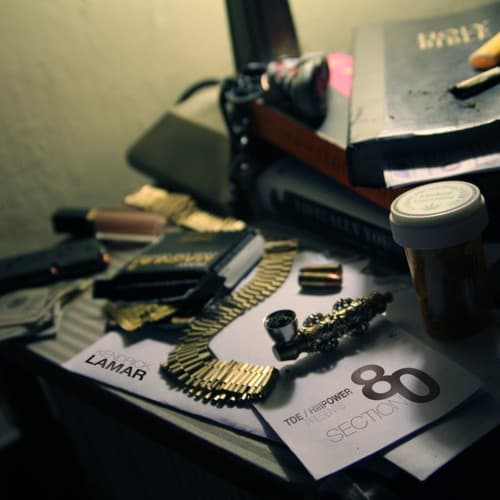
Before the Compton opus and the Pulitzer, Kendrick Lamar staked his claim with a premise so specific it still sounds bold: Section.80 diagnoses the generation born into Reagan's crack epidemic, raised on Ritalin and taught to self-medicate until morality blurred. He calls them Section 8 babies, children of subsidized housing and government failure, and he raps like someone who knows the diagnosis includes himself. The album opens by telling every listener to leave their assumptions at the door and closes by naming a movement that sounds like doctrine but plays like a rallying cry. In between, it assembles character sketches, policy critiques and personal confessions into the most cohesive argument any West Coast debut had made in years, and it does so without a major label or a guest verse that could carry it.
The thesis is both sociological and personal: the numbing of a generation explains the party drugs, the failed relationships, the prostitution, the aimlessness, and Lamar positions himself inside that numbness even as he tries to narrate his way out. It is the work of someone who studied the conscious rap playbook but refuses to preach from above it. Where many concept albums collapse under their own scaffolding, Section.80 holds because Lamar grounds every idea in a specific person or a specific failure of the system. Tammy sleeps with women because men betrayed her, Keisha dies in a prostitution scheme seeking control, and Ronald Reagan's policies become the unnamed third character in half the tracklist. The album's flaw is also its youth: at 16 tracks with skits and interludes, it cannot quite sustain the focus it demands, and the production sometimes leaves Lamar unsupported when the writing reaches furthest.
Spartan Beats and a Voice Still Finding Its Weight
The production came almost entirely from Top Dawg's Digi+Phonics collective and a handful of TDE-adjacent beatmakers, all committed to a stripped-down aesthetic that privileges space over density. Sounwave anchors the sound with jazz loops reduced to their sparest elements: A.D.H.D pulls a drowsy keyboard line and lets it float, Hol' Up chops a Turkish folk sample into something disorienting and bright, and Rigamortis builds a frantic piano loop that forces Lamar into one of the most technically impressive flows he has put on record. Willie B and Tae Beast provide grittier boom bap on tracks like Poe Mans Dreams and Keisha's Song, while J. Cole's HiiiPoWeR closes the album with a soul chop that feels more triumphant than anything else here. The sequencing keeps the tempos varied, but the production philosophy is consistent: minimal drums, live instrumentation or heavily processed samples, and almost no ornamentation that would distract from the rapping.
The strategy works when Lamar's writing and flow are strong enough to fill the gaps, which is most of the time. A.D.H.D captures numbed-out youth culture with a beat that sounds sedated, the drums barely there, the hook a slurred mantra. Ronald Reagan Era layers Lamar's policy autopsy over a horn loop and uncredited RZA vocal snippets, the spareness underlining the bleakness. Rigamortis is the album's technical peak, Lamar accelerating through the piano without losing clarity, proving he can rap circles around the competition when the beat demands it.
But the approach shows its limits when the writing thins or the performance flags. No Makeup drags despite Colin Munroe's hook, the beat too slight to justify nearly four minutes. Blow My High meanders without enough lyrical payoff to earn its runtime. Kush & Corinthians runs over five minutes with a drowsy, filtered groove that sounds like an idea stretched past its breaking point, BJ the Chicago Kid's vocals adding atmosphere but not urgency.
Lamar's delivery at this stage is technically proficient but not yet the weapon it becomes on later albums. On Rigamortis and The Spiteful Chant he raps with precision and aggression, the flow locked to the beat's pockets. On Keisha's Song and HiiiPoWeR the voice carries authority, the slower tempos letting him emphasize each line's weight. But on longer, mid-tempo tracks his voice strains to hold interest: Poe Mans Dreams sags under GLC's bland guest spot, and Chapter Six offers narrative context but no momentum.
The skits Chapter Ten and Chapter Six feel like remnants of a mixtape structure the album outgrew, breaking up the flow without adding meaning the surrounding songs don't already provide. Ab-Soul's Outro works better, his verse contributing a different perspective on the same themes, but at nearly six minutes the track overstays its welcome even as a closer before the true closer. The album is front-loaded with its best writing and tightest beats; the back half keeps the concept intact but loses energy.
A Narrative Arc That Holds Until It Stretches
Section.80 sequences its 16 tracks like a diagnosis delivered in stages: the opener rejects identity politics, the early stretch captures the haze, the middle introduces Tammy and Keisha as case studies, and the ending pivots to solutions or at least slogans. Fuck Your Ethnicity sets the tone by dismantling racial and social categories, a confrontational thesis statement with none of the caution a debut is supposed to show. From there the album dives into the numbness: the early stretch captures the party fugue state, A.D.H.D becoming the album's most enduring single because it names the condition without lecturing. The Tammy and Keisha tracks land hardest in the middle stretch, the narrative specificity cutting through where abstraction would have dulled the point.
But the album loses its grip as it stretches toward the hour mark. The two skits add under four minutes total but break the momentum at moments when the thematic threads need to tighten. The middle section once featured The Spiteful Chant with Schoolboy Q, now removed from streaming over sample clearance issues, but its absence doesn't collapse the sequence because the tracks around it already felt like the album reaching for one more idea. The back half meditates on contradictions and moral ambiguity, worthy subjects that don't justify their length.
The closing run offers a moment of relative levity but reads as filler next to the sharper songs that precede it. The penultimate track works thematically, but by the time it arrives the album has been making its case for fifty minutes and the additional six feel like a lap around the same block. The finale redeems the ending with the most radio-ready production and a clear call to action, but it also highlights the tonal whiplash: the album can't decide whether it wants to leave the listener drained or energized, so it tries both and the final third sags under the contradiction.
The Foundation That Earned Everything After
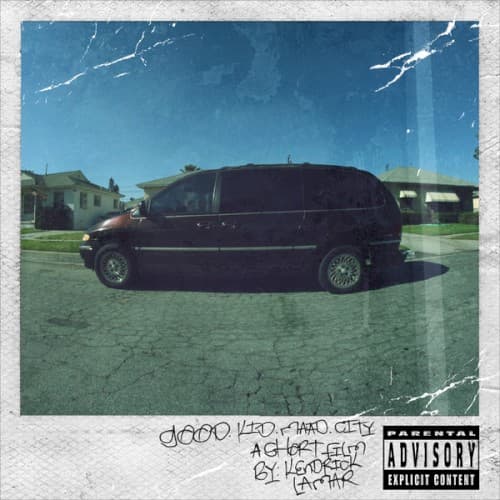
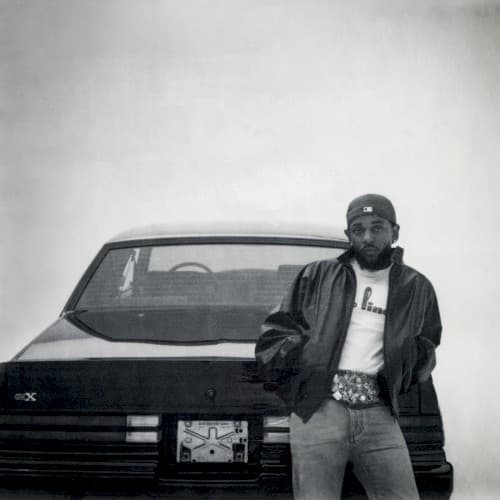
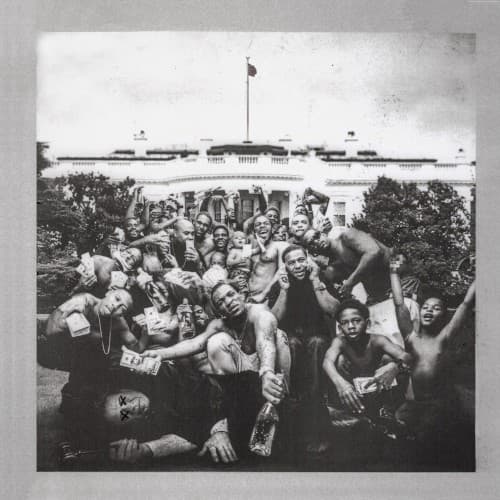
Section.80 ranks fifth in Kendrick Lamar's catalog by overall rating but first in the story the catalog tells, the album where he proved the voice was real before the budget and the crossover calculation arrived. It sits below the major label triptych of good kid, m.A.A.d city, To Pimp a Butterfly and DAMN because those records have better production, sharper sequencing and a clearer sense of when to end, and it sits above GNX because the concept here holds even when the execution wobbles. For fans who arrived at Lamar through the later albums, Section.80 is required listening to understand where the writing came from: the systemic critiques on To Pimp a Butterfly and the character work on good kid both start here, in rougher form but with the same fearlessness. For fans who want conscious rap that earned the label through specificity rather than sloganeering, the album delivers more clearly than most of its 2011 peers.
The album is not for casual listeners. The spartan production and the 16-track runtime demand patience, and the skits will test it. Start with A.D.H.D, Keisha's Song and HiiiPoWeR to hear the range: the numbed-out anthem, the narrative heartbreak and the movement-building closer. If those three tracks hold, the album is worth the full hour despite the sag in the back half.
If they don't, skip to good kid, which refines every idea here into something tighter and more visual. Fans of Section.80 should hear Overly Dedicated next to trace the mixtape-to-album evolution, then jump to To Pimp a Butterfly to see where the jazz experiments and systemic analysis led. Fans of socially conscious West Coast rap in the boom bap tradition should hear The Predator by Ice Cube and The Cold Vein by Cannibal Ox for the lineage Lamar was working within, though Section.80 pushes the generational angle further than either. The album's limitation is that it announces a major artist without yet being a major work; its achievement is that every major work that followed had to start here.
Track Listing
Fuck Your Ethnicity
▲The album's confrontational opener dismantles identity categories and dares the listener to engage with the music on Lamar's terms alone, setting a thesis that the Reagan-era policies and cultural failures cut across race and class. THC's minimal production leaves space for Lamar to spit the demands clearly, the aggression in the title softened by the specificity of the argument. It functions as both a mission statement and a filter: if this track alienates, the rest of the album will too.
Hol’ Up
▲Sounwave flips a Turkish folk sample into something bright and disorienting, the chipmunk pitch and staccato drums capturing the manic energy of youth culture Lamar describes. The hook is infectious, the verses impressionistic rather than narrative, and the track works as a palate cleanser after the heavy opener. It doesn't advance the concept but it proves Lamar can make a song that moves without sacrificing intelligence, a balance the album needs in its first act.
A.D.H.D
▲The album's breakout single and its most enduring track, A.D.H.D captures the sedated haze of a generation raised on prescriptions and self-medication with a drowsy keyboard loop and Lamar's slurred, half-sung hook. The verses describe parties and numbness without moralizing, Lamar positioning himself inside the behavior he's diagnosing. Sounwave's production is skeletal, the drums barely present, the whole track floating in a haze that matches the subject. It became the album's most-streamed song because it names a condition an entire demographic recognized, and it holds up because Lamar never pretends he's above it.
No Makeup (Her Vice)
●Colin Munroe's sung hook gives the track a pop-rap sheen that feels out of place next to the stripped-down aesthetics elsewhere, and Lamar's writing here is more conventional, describing women without makeup as a metaphor for authenticity. The beat is pleasant but slight, the message familiar, and the track drags despite clocking under four minutes. It fits the album's gender-focused narrative threads but doesn't match the specificity of Tammy or Keisha's songs, reading more like a gesture toward radio appeal that the album didn't need.
Tammy’s Song (Her Evils)
▲The first of the album's two character studies, Tammy's Song describes two women who turn to each other after men betray them, Lamar narrating the spiral with empathy and specificity. THC's production is sparse and ominous, the minor-key melody underlining the song's tragedy without overdramatizing it. At under three minutes the track doesn't overstay, and Lamar's writing here is sharp, tracing causality without judgment. It sets up the Tammy/Keisha narrative arc that gives the middle of the album its spine, proving Lamar could write characters as vividly as he could write manifestos.
Chapter Six
●A brief interlude that provides narrative connective tissue between the Tammy introduction and the Reagan critique, Chapter Six features a woman's voice describing the fallout of betrayal over minimal production from Tommy Black. It's functional but inessential, the kind of skit that reads as a mixtape holdover the album could have cut without losing coherence. At under three minutes it doesn't derail momentum, but it also doesn't add what the surrounding songs don't already convey.
Ronald Reagan Era (His Evils)
▲Lamar traces the crack epidemic and mass incarceration directly to Reagan's policies, his delivery clipped and urgent over Tae Beast's spare horn loop and uncredited RZA vocal snippets. The production feels deliberately harsh, no warmth in the mix, the whole track sounding like a history lesson delivered from a jail cell. Lamar's writing here is some of the album's most specific, naming the systemic failures that the Tammy and Keisha stories personalize. It's a centerpiece track that justifies the concept album structure, the kind of clear-eyed policy critique most rappers avoid because it's easier to blame individuals than institutions.
Poe Mans Dream (His Vice)
●GLC's guest verse is the album's weakest contribution, coasting on generic wealth-fantasy clichés that Lamar's more grounded writing exposes as hollow. Willie B's beat is solid boom bap but unremarkable, and Lamar's own verses describe dreams deferred without the specificity that makes his best writing cut. The track feels like an obligation, the kind of struggle-to-success narrative that every debut is supposed to include, but it sags next to the sharper social commentary around it. It's not bad, just unnecessary.
The Spiteful Chant
▲Removed from streaming in 2019 over sample clearance issues involving Woodkid's Iron, The Spiteful Chant featured a venomous Schoolboy Q guest verse and some of Lamar's most aggressive rapping on the album. The loss is notable because the track provided a tonal shift toward raw confrontation after the concept-heavy middle stretch, but its absence doesn't collapse the album's structure. Most listeners encountering Section.80 now will never hear it, and the album still works without it, which suggests it was a highlight but not a load-bearing pillar.
Chapter Ten
▼Another brief interlude, this one even shorter and less justified than Chapter Six, featuring a woman's voice delivering cryptic dialogue that doesn't clarify the concept or advance the narrative. At 75 seconds it barely registers, but it breaks the momentum between The Spiteful Chant's aggression and Keisha's Song's tragedy, a structural mistake that suggests the album needed a firmer editorial hand. It's the kind of connective tissue that works on a mixtape but feels indulgent on a proper album.
Keisha’s Song (Her Pain)
▲The album's emotional nadir, Keisha's Song tells the story of a woman driven to prostitution seeking control over her circumstances, only to be murdered in a scheme she couldn't see coming. Lamar narrates with forensic detail, tracing her decisions without sentimentalizing or exploiting the tragedy, and Tae Beast's production stays minimal, letting the horror speak. The song works because Lamar refuses easy moralizing: Keisha is a product of the same systemic failures Reagan Era outlined, and her death is presented as inevitable given the options she was given. It's the album's most devastating track and one of Lamar's best early narrative achievements, the kind of writing that separates character studies from caricature.
Rigamortis
▲The album's technical showcase, Rigamortis builds a frantic piano loop and challenges Lamar to keep pace, which he does with the most intricate flow on the record. Willie B and Sounwave's production is relentless, the piano circling back on itself without resolution, and Lamar matches it with multi-syllabic internal rhymes and tempo shifts that prove he could out-rap anyone when the beat demanded it. The track doesn't advance the concept but it doesn't need to: it's a pure skill exhibition that reminds the listener why the concept is worth following in the first place. It remains one of Lamar's most technically impressive songs and a fan favorite for good reason.
Kush & Corinthians (His Pain)
●A meditation on moral ambiguity and the contradictions of faith and vice, Kush & Corinthians tackles a worthy subject but stretches it past the breaking point. Wyldfyer's production is drowsy and filtered, BJ the Chicago Kid's vocals adding atmosphere but not momentum, and the track runs over five minutes without enough lyrical density to justify the length. Lamar's writing here is thoughtful, pairing scripture with drug use to explore the rationalizations his generation makes, but the execution feels like an idea that needed another draft. It's not a skip, but it's the album's clearest example of ambition outpacing craft.
Blow My High (Members Only)
●A functional mid-tempo track about wanting space and solitude, Blow My High offers a relative breather after the heavier material but doesn't deliver enough memorable writing or production to justify its placement in the album's final stretch. Tommy Black's beat is pleasant, Lamar's flow is relaxed, and the track works as a moment of calm, but it reads as filler next to the concept-driven songs that precede it. It's the kind of track that makes sense on a 16-track album but would have been cut on a tighter 12-track version.
Ab‐Soul’s Outro
●Ab-Soul delivers a strong verse that mirrors Lamar's generational diagnosis from a slightly different angle, his writing dense with wordplay and his delivery more conversational than Lamar's sharper attack. The track works as a thematic bookend, reinforcing the album's core arguments through a different voice, but at nearly six minutes it tests patience, especially following an album that has already made its case over 50 minutes. As a showcase for TDE's roster depth it succeeds, but as a structural choice it highlights the album's inability to edit itself. The track would have been stronger at four minutes, or as a standalone loosie.
HiiiPoWeR
▲The album's true closer and its most triumphant moment, HiiiPoWeR builds a J. Cole soul chop and positions Lamar's generational critique as a movement with a name and a doctrine. The production is the album's warmest, the drums knocking harder than anywhere else, and Lamar's delivery splits the difference between authoritative and aspirational. The song became a rallying cry for TDE and a mission statement that Lamar would spend the next albums fulfilling. It's the album's most overtly political track and its most radio-ready, proof that consciousness and accessibility don't have to contradict. The track redeems the album's tonal confusion in its final stretch, ending on a clear call to action that justifies the preceding hour of diagnosis.