The scorecard
6.3/10 · Mixed
- Writing25%
- 6.5
- Production25%
- 6.5
- Delivery15%
- 7.0
- Cohesion15%
- 5.0
- Originality10%
- 6.0
- Replay value10%
- 6.0
The later women-focused songs fall back on autopilot, though the confessional material on "Don't Cry" and "Mona Lisa" is Wayne's most direct writing.
"Took His Time" and "Mess" are generic, though Zaytoven on "Problems", Mannie Fresh on "Perfect Strangers" and Swizz Beatz on "Uproar" deliver.
The cadence repeats over 23 songs, though Wayne's flow stays rubbery and fast and he holds his own with Kendrick Lamar.
Close to 90 minutes with a flat, repetitive middle; the best material is scattered across the running order.
The emotional openness is new for Wayne, but the trap templates and bravado verses are familiar from his earlier work and from peers.
The length makes a full listen tiring, though the opening run and the Mannie Fresh songs reward repeat plays.
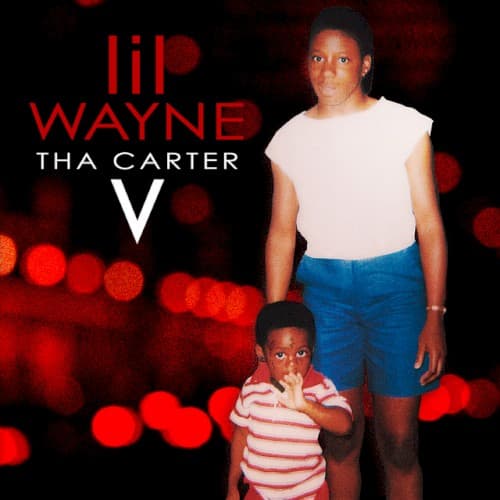
Lil Wayne Tha Carter V: A Good Album Buried in a Long One
Tha Carter V is two albums fighting for the same running time, and the better one is buried inside the other. The good album opens with a mother's voice, moves through a grieving chorus, and lets Lil Wayne sound like a man taking stock. The other album is a 23-song streaming-era sprawl that drifts for long stretches without a plan. The first is worth hearing. The second is why most listeners will remember the record as long.
The back story makes the shape understandable. This was supposed to be a 2014 release, and the delays came from a legal fight with his label over control of the music. Some of the songs on the finished album were recorded years before it came out, and the sheet notes that "Mona Lisa" dates from 2014 and "What About Me" from 2015. That mix of old and new is audible. A few tracks have the clipped, hungry feel of a rapper racing to finish before the deadline, and others sound like they were assembled at the last minute from whatever was available.
Reviews were generally positive, with a Metacritic average of 72, and many critics called it his best since Tha Carter III while complaining about the length. That assessment holds. It is better than Tha Carter IV, which had a larger budget and a smaller pulse, and it is far from the highs of Tha Carter II and III. What it adds is something Wayne rarely offered before: open emotional exposure. The first third of the album is more personal than anything in his catalog, and when he stays in that register the record has a real argument to make.
Through a Southern lens, the album is also a homecoming of sorts. Mannie Fresh returns for the first time in years, Zaytoven and DJ Mustard get a song each, and the New Orleans drawl runs through every verse. The problem is not geography or voice. It is editing. A leaner version of this record, perhaps twelve or fourteen tracks, would be a clear return to form. As released, it is a good album with a bad sequence, and the sequence is the part that decides how many people finish it.
Confession, Bravado, and a 90-Minute Beat Pile
Wayne's rapping is the reason the album works at all. The flow is still fast, still rubbery, and still capable of turning a syllable into a hinge. What has changed is the amount of weight he puts behind the words. On the strongest cuts he writes in plain sentences, lets the beat carry the atmosphere, and delivers bars that sound like they cost him something. One critic noted that his breathless, accelerating flow is still present but not varied enough to land the way it once did, and that is fair: over 23 songs the cadence repeats, and the same stacked-punchline structure starts to feel like a template.
The lyrics split into three modes. The first is confessional: family, regret, anger, and the strain of the long fight with his label. These are the best moments, because they give the voice something to push against. The second is classic Wayne bravado, the boasts and wordplay that built his reputation, and they are still funny and quick but rarely surprising. The third is the lower tier of women-centered material that critics flagged, which is the album's least appealing writing and the part that sounds most like autopilot. The third mode takes up more of the second half than it should.
Production is a long list with an uneven payoff. Infamous and Onhel show up repeatedly, Swizz Beatz helps on one of the louder songs, Zaytoven brings a clean, bouncy Atlanta pulse, DJ Mustard supplies a stripped West Coast skeleton, Metro Boomin adds a late moody beat, and Mannie Fresh brings the old Cash Money bounce back on two songs. The best beats leave room for Wayne's voice; the weakest are generic trap templates that could belong to any album from the period. Some tracks have a slick, expensive finish that feels more like an assembly line than a vision.
The central weakness is bloat. The album runs close to 90 minutes, and the songs between the midpoint and the late stretch tend to blur together. There is also a stylistic wobble: the opening half pairs grief with energy, while the later half settles into a generic trap register that does not use the cast's strengths. The weak spots are not offensive. They are just forgettable, and a listener who sits through the middle stretch will wonder why the best material was spread so thin.
The guests are a mixed bag but mostly useful. Kendrick Lamar delivers one of the record's sharpest verses and does not overshadow the host. Travis Scott and Nicki Minaj fill their roles, and Snoop Dogg turns up on a track that is more fun than substantial. The result is an album with a strong voice in the lead and a lot of supporting players, which suits Wayne's strengths but also exposes the lack of a unifying idea.
A Strong First Six and a Long Flat Middle
The first six songs are the best-paced stretch of the album. A spoken-word opener with his mother's voice leads straight into a somber, hook-driven song, and the effect is immediate: before the beats arrive, Wayne has already told the listener that this is a different kind of Carter. The pivot into the louder material works because the emotional setup has earned it. Within that first stretch the record moves from grief to bounce to boast in a way that feels intentional rather than arbitrary.
The middle is where the sequence stops working. Around the time the Kendrick Lamar duet ends, the album should be building toward a second peak, and instead it enters a long flat plain of mid-tempo trap and ordinary guest features. The songs are not bad one at a time, but there are too many of them with nearly the same speed, nearly the same drums, and nearly the same punchline structure. The pace slumps, the energy drains, and the listener starts checking the clock. That is what the "too long" complaint really means: not that every song is weak, but that the good ones are not allowed to breathe.
The late stretch recovers some ground. The Mannie Fresh songs bring a bounce that feels like Wayne's own history, and the closing song has room to stretch and reflect. A listener who skips the middle and plays the first six and the last six would hear a tight, honest album of about fifty minutes.
The sequence also shows the limits of the streaming-era format. A 23-song track list is commercially smart, because every extra track is more plays, and it explains the record's huge streaming week. It does not explain why the best songs are scattered across the running order. An album that cuts its own material to the strongest dozen is a statement; one that releases everything is a library. Tha Carter V is closer to the library, and the listener has to curate it personally.
The Record Wayne Owed Us, Twice as Long as It Should Be
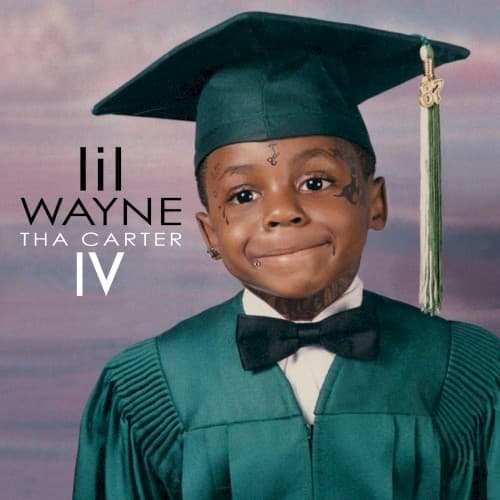
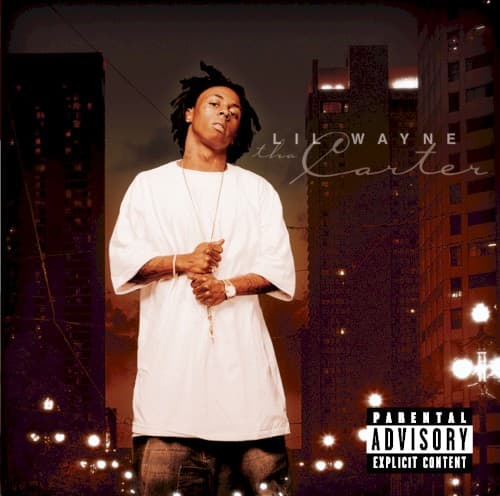
Tha Carter V ranks third among the Wayne albums rated here, ahead of Rebirth at 3.8 and well behind Tha Carter III at 7.9 and Tha Carter II at 7.6. The order is deliberate: the first two Carters had a clear sense of what Wayne was doing and why, while this one has moments of clarity surrounded by a lot of filler. It also sits above Tha Carter IV, which we rated lower for polish without risk. This album takes the risk, even if it does not always land it.
It is for listeners who followed the Cash Money saga and want to hear the resolution, for fans who want Wayne's most personal writing, and for anyone who needs a late-career Southern rap record with real feeling. It is not for newcomers, who should start with the earlier Carters, or for listeners with little patience for long streaming-era albums. Skip the middle if you can.
On aging, the album improves with a playlist. The best tracks hold up well, and the personal material gains weight with time. The weaker half does not, and the sheer length makes the album harder to love than to admire. Still, it fares better than most late-career records from the era.
Start with "Mona Lisa" for the Kendrick Lamar story-song, "Uproar" for the loudest and most replayable beat, and "Don't Cry" for the album's emotional center. If you want the old New Orleans bounce, add the Mannie Fresh song with Ashanti and Mack Maine. Then go to Tha Carter III for the full version of what he was at his peak, or to Tha Carter II for the sharper, hungrier writing. Tha Carter V is a good record that proves Wayne still had something to say, even if it needed an editor to say it in half the time.
Track by track
Track Listing
I Love You Dwayne
StandoutA two-minute spoken opener with vocals from Wayne's mother, Jacida Carter. It is a rare, vulnerable way to start a rap record, and it frames everything that follows. Short and effective.
Don’t Cry
StandoutThe emotional center of the album. The chorus comes from the late XXXTentacion, and the production by Ben Billions and Z3N lets the melody breathe while Wayne writes in a plain, reflective voice. It is not flashy, but it is the song that most clearly shows what this album wants to be. A real highlight, and the strongest argument for the record's personal side.
Dedicate
StandoutA confident statement song with a sample of a 2009 speech and a callback to 2 Chainz. The engineer says it took Wayne only fifteen or twenty minutes to record, and it sounds like it: loose, quick, and charming. A solid performance that fits the opening run.
Uproar
StandoutSwizz Beatz and Avenue deliver a loud, stomping beat built on a sample, and Wayne rides it with relish. It sparked a viral dance challenge, but its real strength is the drum sound, which is among the most physical on the record. Easy to replay.
Let It Fly
SolidTravis Scott adds a hazy hook on top of Sevn Thomas and Drtwrk's production. It works as a mood piece, though Wayne does little to distinguish his verse from the dozens of similar trap songs of the period.
Can’t Be Broken
SolidAn uplifting, melodic cut with uncredited vocals from Thomas Troelsen and a bright, pop-leaning beat. It is a slight change of tone and a pleasant one, though not a very memorable song.
Dark Side of the Moon
SolidNicki Minaj joins Wayne on a moody duet, and the pairing is the draw. Bloque and Christian leave them space to trade lines. A decent entry, if not essential.
Mona Lisa
StandoutThe best rap performance on the record. Kendrick Lamar and Wayne trade verses in a noir-style story that plays out like a short film, and Infamous and Onhel give them a tense, minimal bed. Wayne holds his own against a rival at his peak, which is no small compliment. Recorded in 2014, it also stands as a reminder of the album that might have been. Essential, and the first song to play for anyone unsure about the project.
What About Me
SolidA Sosamann feature that replaced a planned version with a different guest. The result is smooth and slightly generic, a late-night trap-pop song that fits the mood but does not add much.
Open Letter
StandoutA reflective, personal track produced by a trio that includes Infamous. Wayne sounds measured and direct. It is one of the more honest moments in the middle of the album and helps it avoid total drift.
Famous
SolidA song with his daughter Reginae Carter, which gives it a family angle but not much else. The beat is pleasant and the verse is competent, though the song feels like a curiosity more than a standout.
Problems
StandoutZaytoven's clean Atlanta bounce is the draw. The piano-and-drums bed gives Wayne a groove that suits his drawl, and the song moves without strain. A solid, quiet highlight in the mid-album stretch.
Dope Niggaz
SolidThe Snoop Dogg collaboration, built on a sample from a West Coast classic. It is looser and more playful than the surrounding songs, and Snoop's smooth delivery works well against Wayne's rasp. More fun than substantial, and a decent change of pace.
Hittas
SolidA hard cut with a Boosie Badazz sample and uncredited vocals from Drake. The darker tone is welcome, and the track is more focused than most of its neighbors. Solid but not outstanding.
Took His Time
WeakA weak spot. The beat is flat, the hook is thin, and Wayne never finds a way to make it interesting. One critic singled it out as a lame beat, and the criticism holds. Filler.
Open Safe
SolidDJ Mustard supplies a stripped, bouncy beat that gives Wayne something to ride, but the song lacks personality. A pleasant but disposable cut.
Start This Shit Off Right
StandoutMannie Fresh produces a smooth, melodic throwback with Ashanti and Mack Maine, a deliberate early-2000s crossover moment. It is nostalgic and warm, and the New Orleans bounce is welcome. Critics called it the one track that returns to the old days, and it works because the history is real.
Demon
StandoutCool & Dre and 808-Ray build a dark, rumbling beat. The dark, rumbling bed suits Wayne's rasp, and the song is one of the more convincing hard cuts in the late section. A solid, atmospheric track.
Mess
WeakInfamous produces a mid-tempo track that blurs into its neighbors. Wayne is fine but unremarkable. Filler.
Dope New Gospel
SolidNivea adds a hook over the R!O and Kamo production. The gospel feel suits the title and gives the late section a lift, though the writing is conventional.
Perfect Strangers
StandoutMannie Fresh returns for a second production, a warm, melodic cut that again points back to Wayne's roots. It is easy to enjoy and a good contrast to the colder trap songs around it.
Used 2
StandoutMetro Boomin and Prince 85 deliver a moody, spacious beat. Wayne sounds reflective rather than boastful, and the song fits the album's second-half mood. A quiet success.
Let It All Work Out
StandoutA closing song with a Sampha sample and a longer running time. It stretches past five minutes and gives the album a slow, reflective finish. It is a fitting finale, though it comes after a long journey and does not quite match the force of the opening.
Frequently Asked Questions
Is Tha Carter V a good album?
Why did Tha Carter V take so long to release?
What are the best songs on Tha Carter V?
How well did Tha Carter V sell?
Genres
Styles