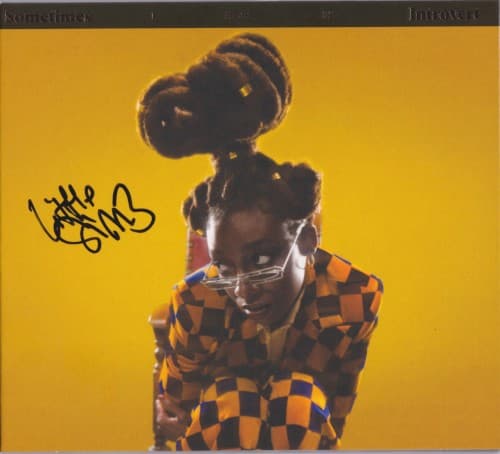
Little Simz Sometimes I Might Be Introvert — When North London Stopped Playing Small
Strip away the budget and the strings and this is still an artist gambling her entire career on a single artistic statement. Most rappers who make it to album four play it safe. Little Simz's artistic evolution led her to walk into Abbey Road Studios and demand an orchestra. The nerve alone deserves recognition. But nerve without execution is just expensive failure, and that is where this album separates itself from the pack of overambitious concept records that collapse under their own weight.
UK rap had spent the previous five years proving it could compete commercially with American hip-hop. Grime had its moment. Drill owned the streets. But nobody in London was making albums that sounded like this. Nobody was writing with this level of narrative ambition. The production budget alone suggested either total confidence or total delusion, and the difference between those two states is about eighteen tracks of proof.
What does it mean to be an introvert in a genre built on performance and ego? Simz spends seventy minutes answering that question without ever sounding preachy or defensive. She moves between confrontation and retreat, pride and doubt, anger and forgiveness. The album breathes. It pauses. It refuses to rush. That patience is the entire point.
The Sound of Ambition Without Apology
Inflo produced the entire album, and his vision sits somewhere between classic soul orchestration and modern rap minimalism. Strings swell and recede. Horns punctuate verses. Drums hit hard but never overwhelm the arrangements. The palette is lush without being cluttered. Every element serves the emotional arc. This is not background music for a workout playlist. This is music that demands attention and rewards repeated listens.
Simz raps with controlled intensity. Her flow shifts between rapid-fire clarity and measured deliberation. She never shouts when a whisper will do. Her vocal presence commands space without demanding it. The confidence is earned, not performed. When she addresses her parents, her critics, her younger self, the delivery adjusts to match the emotional stakes. Technique follows intention.
Lyrically, the album tackles identity, family trauma, self-doubt, cultural pride, and the weight of expectations. Simz writes about her Nigerian heritage, her North London upbringing, her complicated relationship with fame, and her refusal to compromise for commercial acceptance. The themes are heavy, but the writing never feels like homework. She uses storytelling and direct address in equal measure. The balance keeps the album from sliding into therapy session territory.
The album runs long. Nineteen tracks is a gamble, and not every moment justifies its inclusion. Some interludes feel more like album padding than narrative necessity. A tighter tracklist would have sharpened the impact. But even the weaker moments never derail the overall experience. The sequencing compensates for the length. The momentum rarely flags.
What is the difference between ambition and overreach? This album knows the answer. It swings big and connects. It takes risks and earns them. It refuses to play small, and it has the execution to back up every bold choice.
The Journey From Self-Doubt to Self-Possession
The opening stretch establishes the album's emotional scope immediately. Simz moves from introspective vulnerability to defiant pride within the first fifteen minutes. The sequencing feels intentional, not accidental. She is building an argument track by track. The first third of the album introduces the central tension between public persona and private doubt.
The middle section shifts into storytelling mode. Simz explores family dynamics and personal history with forensic detail. The interludes break up the momentum without killing it. They function as breathing room, short narrative resets before the next emotional wave. The pacing here is deliberate. She is controlling the listener's emotional journey with precision.
The back half delivers the album's most direct and confrontational moments. Simz stops questioning herself and starts asserting her place. The production swells to match her confidence. The energy builds toward resolution without forcing a neat conclusion. The final stretch does not tie everything into a bow. It leaves space for ambiguity. The album ends with the same complexity it began with, but the perspective has shifted.
The Album That Announced a New Standard
This is the best album in Little Simz's discography, and it is not particularly close. Grey Area was excellent. This is better. It is more ambitious, more cohesive, more emotionally resonant. She raised the bar for herself and cleared it with room to spare. Few artists in UK hip-hop have made an album this complete. Few artists anywhere have made an album this willing to take risks without losing focus.
Who should listen to this? Anyone who thinks modern rap lacks substance or emotional depth. Anyone who believes UK hip-hop cannot compete artistically with American production. Anyone who wants to hear what ambition sounds like when it is backed by technical skill and clear vision. Who might not enjoy it? Fans looking for bangers and party records. Listeners allergic to orchestral arrangements. People who need every track to hit immediately. This album rewards patience and demands engagement.
How has it aged? Three years later, it sounds even better. The production has not dated. The themes remain urgent. The writing holds up under scrutiny. If anything, the album has gained stature as more listeners have caught up to its vision. It will continue to age well because it was never chasing trends. It was setting them.
Start with the opening track to understand the album's scope. Move to the back half for the most direct and powerful moments. If you respond to this, explore Kendrick Lamar's good kid, m.A.A.d city for similar narrative ambition, or Noname's Room 25 for introspective lyricism over jazz-influenced production. Little Simz proved that UK rap could build monuments, not just hits. She built hers with intention, intelligence, and zero compromise.
Track Listing
Introvert
▲The opening track announces the album's ambition immediately. Inflo builds a soundscape that moves from sparse piano into a full orchestral swell, and Simz matches the production's scope with a performance that balances vulnerability and defiance. Her flow shifts between measured and rapid, and the vocal delivery never oversells the emotion. The hook lands with quiet force. This is not an intro that teases the album. This is the album in miniature, every theme and sonic idea present in condensed form. The decision to open with a seven-minute statement piece is bold, and it works because Simz has the technical skill and emotional range to justify the length. New listeners will know within three minutes whether this album is for them.
Woman
▲The drums hit harder here, and Simz delivers one of the album's most direct performances. She is writing about Black womanhood, cultural pride, and the exhaustion of constantly proving herself in a male-dominated industry. Cleo Sol's hook provides the emotional anchor. The production stays minimal to let the lyrics breathe. Simz raps with controlled anger, never shouting but never softening her message either. The verses are tightly constructed, each bar earning its place. This is the album's most overtly political moment, and it never feels like a lecture because the writing is grounded in lived experience rather than abstract ideology. The sequencing places this early to establish the album's willingness to confront difficult subjects head-on.
Two Worlds Apart
▲Simz addresses her relationship with her father over a melancholic piano loop and understated percussion. The vulnerability here is uncomfortable in the best way. She is not looking for sympathy or resolution. She is documenting a complicated relationship without editorializing. The verses feel like letters that were never sent, questions that were never answered. The production stays sparse to keep the focus on the lyrics. This is one of the album's most emotionally raw moments, and it works because Simz refuses to soften the edges or provide easy answers. The track functions as a thematic anchor for the album's exploration of family and identity.
I Love You, I Hate You
▲The contradiction in the title is the entire point. Simz writes about her strained relationship with her mother with forensic honesty. The production is minimal, just piano and subtle strings, because anything more would distract from the lyrical content. She moves between resentment and understanding, anger and empathy, without forcing a neat resolution. The writing is specific enough to feel personal and universal enough to connect beyond her individual experience. This is the album's most vulnerable moment, and it is difficult to listen to in the way that all honest confessions are difficult. The track's placement in the first third of the album establishes the emotional stakes early and makes everything that follows feel earned.
Little Q, Pt. 1 (interlude)
●Emma Corrin's narration provides a brief interlude that resets the emotional tone before the album's second movement. The interlude is short and functional, more palette cleanser than standalone piece. It works as a transition without demanding too much attention.
Little Q, Pt. 2
▲Simz addresses her younger self with a mix of pride and protectiveness. The production builds gradually, starting minimal and adding layers as the track progresses. Her flow is more relaxed here, less urgent than the earlier tracks. She is offering advice and reassurance to the version of herself that doubted whether she belonged in this industry. The writing avoids cliché by staying specific. She references concrete moments and decisions rather than abstract platitudes. The hook is simple and effective. This is one of the album's more accessible tracks without sacrificing depth or emotional weight. It functions as a bridge between the album's introspective first half and the more assertive second half.
Gems (interlude)
●Another brief narration break. Emma Corrin's voice guides the listener through a short reflection on self-worth and identity. The interlude is atmospheric rather than lyrical, and it serves its purpose as a moment of pause before the album's energy shifts upward.
Speed
▲The tempo increases and Simz delivers one of the album's most technically impressive performances. Her flow is rapid and precise, every syllable landing exactly where it needs to. The production is busier here, drums more prominent, strings more aggressive. She is rapping about momentum, forward motion, refusing to slow down for anyone's comfort. The writing is sharp and confident. This is the album's first real banger, and it works because the confidence feels earned rather than performed. The placement in the middle of the tracklist provides an energy boost exactly when the album needs it. The hook is minimal, just a repeated phrase, but it lands because the verses are so dense and technically impressive.
Standing Ovation
▲Simz demands recognition without apologizing for it. The production is triumphant, horns and strings building to a crescendo. She is writing about the gap between her technical skill and her commercial recognition, and the frustration bleeds through every bar. The verses are confrontational without being defensive. She lists her accomplishments and then asks why she is still being overlooked. The hook is direct and memorable. This is the album's most defiant moment, and it works because the writing backs up the attitude. The placement in the middle section keeps the momentum building. This is the sound of an artist who has stopped asking for permission.
I See You
▲A moment of gratitude and acknowledgment for the people who supported her before the recognition arrived. The production is warmer here, less aggressive than the previous tracks. Simz raps with appreciation rather than anger. She names names and gives credit where it is due. The verses feel personal without being exclusionary. The hook is simple and effective. This is the album's most generous moment, and it provides emotional balance after the confrontational energy of the previous tracks. The placement here is smart. It humanizes Simz after several tracks of justified anger and self-assertion.
The Rapper That Came to Tea (interlude)
●Emma Corrin returns for a brief spoken-word piece about ambition and self-doubt. The narration is more abstract than the earlier interludes, and it feels slightly unnecessary. The album would function fine without it.
Rollin Stone
▲The production is sparse and hypnotic, just bass and subtle percussion. Simz raps about isolation and forward motion, the cost of ambition and the loneliness of success. Her flow is deliberate and measured. The writing is introspective without being self-pitying. She is documenting the emotional toll of her career without asking for sympathy. The hook is minimal and effective. This is one of the album's quieter moments, and it works because the production gives her voice space to breathe. The placement in the back half provides a moment of reflection before the album's final push.
Protect My Energy
▲Simz sets boundaries and refuses to let outside negativity affect her focus. The production is mid-tempo, drums steady and insistent. She raps with calm authority, not anger but firm resolve. The verses are about maintaining mental health and protecting creative space in an industry that constantly demands more. The writing is practical rather than abstract. She is offering advice as much as making a statement. The hook is direct and memorable. This is one of the album's most accessible tracks without sacrificing substance. The placement here reinforces the album's overall arc from doubt to self-possession.
Never Make Promises (interlude)
●The shortest interlude on the album, just a brief vocal moment that transitions into the next track. Functional but forgettable.
Point and Kill
▲Obongjayar's feature adds a new vocal texture, and the chemistry between the two artists is immediate. The production is Afrobeat-influenced, percussion more prominent, rhythm more danceable. Simz raps about her Nigerian heritage and cultural pride with energy and joy. This is the album's most celebratory moment, and it arrives exactly when the tracklist needs a burst of unfiltered positivity. The verses are sharp and playful. The hook is infectious. The placement in the back half provides contrast to the heavier emotional material that surrounds it. This is the album's most purely enjoyable track, and it works because it feels earned rather than forced.
Fear No Man
▲The production is aggressive, drums hitting hard, strings adding tension. Simz delivers one of the album's most assertive performances. She is done questioning herself and done justifying her presence. The verses are declarative and confrontational. She names her fears and then dismisses them. The writing is direct without being simplistic. The hook is powerful and memorable. This is the album's climax, the moment where all the self-doubt and vulnerability from the first half gets answered with unshakable confidence. The placement here is perfect. This is the album's knockout punch.
The Garden (interlude)
●A brief moment of calm before the final two tracks. Emma Corrin's narration is softer here, more reflective than instructive. The interlude provides necessary breathing room after the intensity of the previous track.
How Did You Get Here
▲Simz reflects on her journey without sentimentality or false modesty. The production is lush and contemplative, strings returning in full force. She raps about the decisions and sacrifices that brought her to this point. The writing is honest and self-aware. She acknowledges luck and privilege alongside hard work and talent. The verses are introspective without being navel-gazing. The hook is understated and effective. This is the album's penultimate track, and it functions as both reflection and transition. The placement here allows the album to wind down without losing momentum.
Miss Understood
▲The album closes with a six-minute statement that mirrors the opening track's scope and ambition. Simz raps about being underestimated and overlooked, but the tone is not bitter. She is simply stating facts and moving forward. The production builds gradually, adding layers as the track progresses. Her flow is confident and unhurried. The writing ties together threads from earlier in the album without feeling overly neat. The final verse lands with quiet power. This is not a triumphant ending. This is an artist who has made peace with the complexity of her identity and her career. The album ends without resolution, which is exactly the point.