The scorecard
5.4/10 · Weak
- Writing25%
- 5.0
- Production25%
- 6.0
- Delivery15%
- 6.0
- Cohesion15%
- 5.0
- Originality10%
- 5.0
- Replay value10%
- 5.0
Removing politics leaves a personal, feel-good album whose lines lean on catchphrases and earnest reassurance instead of the specific observation that made the best Macklemore verses stick.
The sound is bright, polished and consistent, with big hooks, horn lines and current drum patterns built for large rooms and playlists, but it is competent rather than surprising and lacks the live-ensemble warmth of his earlier records.
Macklemore is energetic and clear, and he sounds relaxed beside younger guests, but the earnest, needy edge noted by critics surfaces whenever a hook asks for belting.
The loose mixtape structure is more flaw than charm: the strongest material is front-loaded, the middle repeats similar guest-and-hook templates, and the thinner late stretch has no clear ending, so sixteen tracks feel unearned.
Chasing current sounds with Lil Yachty, Offset and Kesha shows adaptability but little that sounds new.
Replay value is limited, since the singles are tied to the sounds of their moment and the sentimental, belted tracks wear out quickly, leaving only a few uptempo cuts that hold up.
Macklemore Gemini — A Post-Fame Reset That Chose Fun Over Argument
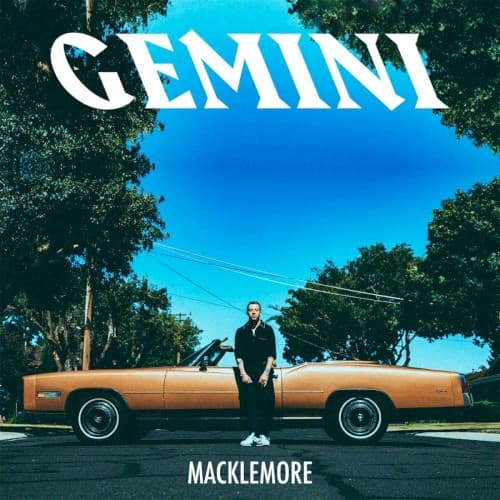
Gemini is a career reset that sounds like one. After two albums with Ryan Lewis that carried political weight and a great deal of expectation, Macklemore made a solo record explicitly designed to be fun, and the album is exactly as light and as uneven as that plan implies. The argument of this review is that the strategy was sound and the execution was not: removing the pressure freed him to experiment, and it also removed the sharpness that made him distinctive.
The context frames the choice. Gemini was released in September 2017 on Bendo, distributed by Warner Music, and the fact sheet describes it as his second solo studio album and the first record he made without Lewis since his 2005 debut The Language of My World. It is also described as devoid of political subject matter. In interviews quoted in the fact sheet, he said the album was not heavily concept-oriented but the music he wanted to hear, music for the car, and that he wanted it to be fun. The Beats 1 explanation, that happiness in life would be reflected in the music, is a straightforward account of the record.
The industry reading is the interesting one. This is a post-fame album by an artist who had won major awards and then spent a record carrying public criticism, and it is a deliberate attempt to reset expectations. The singles reflect that: Glorious with Skylar Grey, Marmalade with Lil Yachty, and Good Old Days with Kesha, a lineup that mixes pop, current rap and radio-friendly collaborations. It is a record built to move between formats rather than to defend a position.
The results are mixed. Metacritic averaged 63 from eight reviews, with some critics welcoming the looser approach and others calling the sound overstuffed and the delivery needy. It is a likable, sometimes irritating album that proves Macklemore can function without his producing partner and also proves how much the partnership contributed. As a career move it was necessary, and as a record it is a minor entry.
Kitchen-Sink Pop, Earnest Delivery, Thin Edges
The production is the clearest change from the earlier albums. Budo and Dopps handle most of the tracks, with Macklemore co-producing several, and a few late tracks bring in Swish, Jake One and Sam Wish. The sound is bright, layered and radio-ready, with big hooks, horn lines and drum patterns that reflect current rap and pop trends. It is polished and consistent, and it is clearly built for large rooms and for playlists, but it also lacks the live-ensemble warmth that made his earlier records distinctive. The result is competent, with fewer surprises.
The writing is lighter, and also the main weakness. Without the political frame, the lyrics turn to celebration, personal reflection and playful boasting, and the tone is warm and often funny. What is missing is the sharp observation and the willingness to be uncomfortable. The A.V. Club's complaint about drop-out catchphrases and sentimental belting is harsh, but it identifies something real: the album often reaches for a slogan where a detail would do. The line between loose and lazy is thin here, and several tracks fall on the wrong side of it.
Delivery is where the critics' split is most audible. Macklemore sounds energetic and at ease beside younger guests, and the more rhythmic tracks show a flexible, playful voice. The same critic who disliked the record pointed to a needy, earnest quality, and it is easy to hear on tracks that ask for a big sung hook, where the earnestness stops charming and starts pleading. The moments where he relaxes and raps for the pleasure of it are the album's best.
The guest list is long and uneven. Skylar Grey, Lil Yachty, Offset, Kesha, Reignwolf, King Draino, Dave B, Travis Thompson, Xperience and several singers appear across the sixteen tracks, which gives the album a mixtape-like variety. The Entertainment Weekly note about a loose mixtape quality is the kindest accurate description, because the guests keep the tracklist moving even when the writing does not. The danger is that the album reads as a demonstrate of connections rather than a record with its own identity.
One structural weakness is that the album is trying to do too many things. It wants to be a pop crossover, a rap record, a rock-adjacent experiment and a sincere personal statement, and it does not commit fully to any of them. The result is a record with several good songs and no single strong sense of who is speaking. That is a real cost, and it is the reason the record feels minor despite its competence.
Front-Loaded Fun and a Fading Finish
The album opens at a high point of energy. The first few tracks are built around the singles and the guest stars, and the sequence moves quickly from a confident opener to the lead single to a rap-leaning collaboration. If you stop after the first quarter, you will have heard the strongest and most focused material. The pacing here works, and the album sounds like it knows what it is for.
The middle is where the mixtape quality becomes a problem. Several songs follow similar templates, with a guest voice, a big hook and a bright production, and the transitions between humor and sincerity are inconsistent. A listener can enjoy any single track and still find the stretch tiring, because the album does not vary its structure enough to reward attention. This is also the section where the sentimental, belted tracks cluster, and they are the weakest part of the record.
The late stretch is thinner. The final tracks include a few more personal and reflective pieces, and a few shorter, more rhythmic songs bring the energy back, but the sequence does not build toward a clear ending. The closing track is a quiet finish rather than a statement, which suits the album's relaxed intent but does not leave a strong final impression. The tour setlist in the fact sheet is revealing here: the live show drew heavily on the early and middle songs and left much of the late material behind.
The length is not fully earned. Sixteen tracks at an average of less than four minutes is a standard length for a streaming-era release, and the Entertainment Weekly critique that the project is uneven in length fits the evidence. A tighter version of twelve or thirteen tracks would have kept the singles, the best guest features and the livelier cuts, and lost most of the filler. It is a loose album, which was the intention, and the looseness is both its charm and its flaw.
A Likable Reset, Not a Reinvention
No other Macklemore album is rated on the site yet, so the useful comparison is with the genre and with the context of his own career. Gemini sits in the mixed range, with a few strong singles, polished production and a pleasant, relaxed attitude, balanced by weak writing, uneven sequencing and a lack of new ideas. The scores place it in the mid-fives, a verdict that is closer to the cooler reviews than to the warm ones and agrees with a Metacritic average of 63.
The album is for listeners who want light, upbeat, radio-friendly rap with big hooks and a rotating cast of guests. If you liked the party side of his earlier work and you do not mind that the political edge is gone, this is an easy listen. It is also an interesting document for anyone following his career, because it shows what he does when he is trying not to carry the weight of expectation. People who want sharp writing, strong storytelling or the live-band richness of the earlier records should skip it.
As a career move, the record does what it set out to do. It shows he can work without Ryan Lewis, it gives him a set of current-sounding singles and collaborations, and it takes him out of the political spotlight. How it has aged is likely to be mixed, because the singles are tied to the sounds of their moment and the sentimental tracks tend to wear out quickly. The best songs are the ones that sound like they were fun to make.
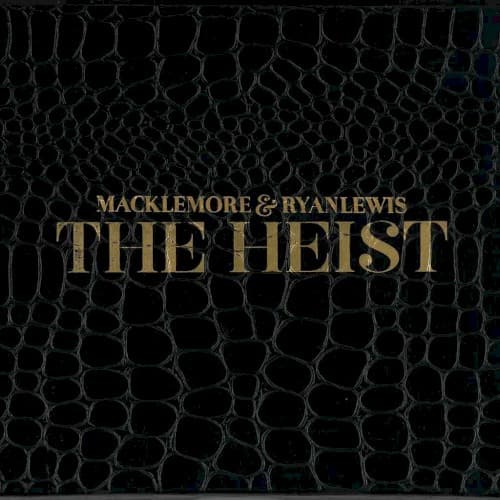
Start with Glorious, Marmalade and Good Old Days, the three singles that define the album's sound. For a deeper cut, try Corner Store, a longer track with a different producer lineup and a more grounded feel. For what to hear next, go back to The Heist, the debut that shows the duo at its best, or to This Unruly Mess I've Made, the follow-up that went the other way and chose a heavier subject. The sharpest summary is that Gemini is the record of an artist who wanted to be liked again and mostly succeeded.
Track by track
Track Listing
Ain’t Gonna Die Tonight
StandoutA short opener at about three and a half minutes with Eric Nally, produced by Macklemore himself. It sets the tone of the album as a more personal, upbeat record, and the live show opened its setlist with it. It is a confident, direct start, with a big hook and a clear sense of purpose, though the writing leans on declared optimism.
Glorious
StandoutThe lead single, released in June 2017, with Skylar Grey and a large group of background vocalists. The video follows Macklemore around Modesto, California with his grandmother. The production, by Dopps and Budo, is bright and anthemic, and the hook is built for a large crowd. It is the album's clearest statement of its mood and its most radio-friendly song. The writing is plain and the sentiment is broad, but the track is well made and effective at what it sets out to do.
Marmalade
StandoutThe second single, with Lil Yachty, released in July 2017. It is a bouncy, current-sounding collaboration that gives the album a more rap-leaning moment. The pairing is a clear nod to the younger generation and the production is lively. It is playful and light and works as a single, though the slight material does not give it much staying power.
Willy Wonka
StandoutA collaboration with Offset, with a video teaser released in September 2017 showing behind-the-scenes footage of the recording. The production is trap-influenced and the guest verse adds a different texture. It is one of the album's most rhythmic cuts and a good example of the more rap-driven side of the record. The tour setlist included it, which suggests it works live.
Intentions
SolidFeaturing Dan Caplen, with Budo, Dopps and Macklemore all credited on production. The track has a melodic hook and a more reflective tone, and it is a solid mid-album song that made the live set. It is sincere and well made, but it follows the album's familiar template of a guest-sung chorus.
Good Old Days
SolidA collaboration with Kesha, released as a promotional single in September 2017 and later sent to adult contemporary radio as the third single. It is a nostalgic, sentimental track built for a broad audience, with Budo as sole producer. The hook is big and warm. The track is exactly the kind of earnest belting that critics found hard to take, and it is also the clearest example of the album's pop ambitions. It works as a radio single and wears out quickly on repeat.
Levitate
SolidFeaturing Otieno Terry, with Macklemore and Budo producing. A light, upbeat track that fits the album's feel-good mood and made the live setlist. It is pleasant and unfussy, if forgettable.
Firebreather
StandoutA track with Reignwolf and background vocals from Grace Love and Tyler Andrews, produced by Budo. It brings a harder, rock-leaning energy that gives the record a change of texture, and it was one of the early setlist choices on tour. It is among the more distinctive tracks on the album, and the guest vocal adds grit to a record that is otherwise smooth.
How to Play the Flute
SolidA track with King Draino, produced by Dopps and running under three and a half minutes. It is playful and rhythmic, and the quirky title matches a looser, more experimental mood. A light, brief change of pace, though not a highlight.
Ten Million
StandoutThe shortest song on the album, at just under three minutes, produced by Budo and Dopps. It is a brisk, solo track that puts the focus on the rapping. A tight, unfussy cut that shows the benefit of keeping things short.
Over It
SolidFeaturing Donna Missal, with four producers credited, including Swish and Macklemore. It runs nearly four minutes and has a melodic, sung hook. Competent and polished, but it sounds like many of the other guest-hook tracks.
Zara
SolidA collaboration with Abir, produced by Dopps. It is a mid-tempo track with a different vocal color than the rest of the record, and it gives the late stretch some variety. Solid, though it does not stick.
Corner Store
StandoutThe longest song on the album, at four and a half minutes, with Dave B and Travis Thompson and production from Jake One, Sam Wish and Dopps. It is the track with the most distinct personality in the late sequence, giving the guests space to rap and Macklemore a more grounded setting. It was part of the live set, and it is the best case on the album for a more rap-focused approach. The shift away from the pop-leaning hook is a real relief, and the track shows what the album could have been with more of this energy.
Miracle
SolidFeaturing Dan Caplen again, produced by Dopps and Budo. A reflective, melodic track that is competent but largely repeats the mood of earlier songs.
Church
SolidA track with Xperience and additional vocals from Jerome Welch, produced by Budo and Macklemore. It is among the more sincere pieces on the late stretch, and the tone is earnest. It is solid but does not add much to the album's argument.
Excavate
SolidThe closer, with Saint Claire and background vocals from Tyler Andrews, produced by Budo. It ends the album on a quiet, reflective note, which suits the record's relaxed intent. It was included on the tour setlist, and it works as a mellow final track even if it is not a strong statement.