The scorecard
6.0/10 · Mixed
- Writing25%
- 6.0
- Production25%
- 6.5
- Delivery15%
- 6.5
- Cohesion15%
- 5.5
- Originality10%
- 5.5
- Replay value10%
- 5.5
White Privilege II is a serious, self-implicating piece of writing, but too many verses elsewhere announce their conscience instead of dramatizing it, so the strengths and weaknesses roughly cancel out.
Ryan Lewis keeps the debut's live-instrument ambition and gives Light Tunnels and the eight-minute closer a real sense of scale, though the skill disguises the lack of a standout single without filling that gap.
Macklemore is clear and committed throughout, and he trades well with Chance the Rapper and YG, though the earnest register rarely relaxes.
A dozen guests, a novelty single, a six-minute opener and an eight-minute closer give the thirteen tracks a scattered shape.
Turning a post-Grammy platform on the artist's own race and fame is an unusual move, but the execution leans on the debut's template, so the novelty and the familiarity roughly balance.
The best tracks reward return visits, while the album's mid-section is dated by its own topicality and tone.
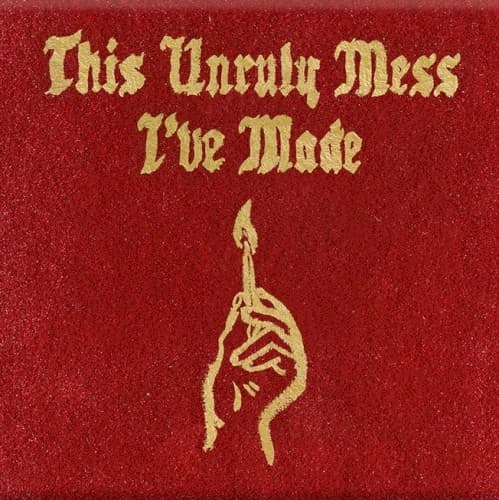
Macklemore & Ryan Lewis This Unruly Mess I've Made — The Cost of Being Taken Seriously
This Unruly Mess I've Made is a career decision with a good album buried inside it. After a debut that won Grammys and sold more than a million copies, the duo could have repeated the formula. They chose instead to spend their credibility on the harder questions of race, fame and media scrutiny, and the cost of that choice is audible across the record. The ambition is real, the production is strong, and the result is an uneven album that is more interesting to analyze than to replay.
The context matters because the album is a response to its predecessor. The fact sheet describes it as the second and final studio album by Macklemore & Ryan Lewis, released in 2016 on their own label, Macklemore LLC, with Alternative Distribution Alliance, following the success of The Heist. It turned toward political and social subjects, including white privilege, the pressures of fame and the way tabloids and the media treat public figures. That is a pivot from the hit-single formula that made the first album a phenomenon, and it is a risky one, because the audience that bought the debut did not necessarily ask for a lecture.
The commercial result confirms the risk. The album debuted at number four on the Billboard 200 with 61,000 album-equivalent units, including 51,000 in sales, and topped the Top R&B/Hip-Hop Albums chart. In its second week it fell to number 31, and it left the chart after its seventh week. For an act that had just reached number one on the singles chart, that is a steep drop, and it shows how closely the commercial success of the debut was tied to a few unusually strong songs.
The argument of this review is that the record is stronger as a statement than as an album. White Privilege II is its most serious piece of work, and the guest list gives the project range, but the sequence is scattered and the writing too often announces what it means. Critics were divided, with a Metacritic average of 59 from seventeen reviews and a Pitchfork score of 5.1 out of 10, and the split is fair. It is a record worth hearing for what it tries, and a harder one to recommend for what it achieves.
Big Arrangements, Heavy Conscience, Thin Hooks
The production is the album's most consistent strength. Ryan Lewis is credited on every track, with Karp as co-producer on two and Oboohoo contributing to the closer, and the sound keeps the live-instrument ambition of the debut. The arrangements are large, layered and willing to run long, which gives the record a sense of scale that few rap albums of its moment attempted. Light Tunnels at over six minutes and White Privilege II at over eight are not the work of an act chasing radio.
The guest list is the second defining feature. The album features a dozen or so collaborators from very different lanes, including hip-hop veterans such as KRS-One, DJ Premier, Melle Mel, Kool Moe Dee and Grandmaster Caz, a younger rapper in Chance the Rapper, YG, singers such as Ed Sheeran and Leon Bridges, and Idris Elba and Anderson .Paak on the dance-leaning single. That range gives the project texture and credibility, and the choices read as deliberate attempts to place the duo within a wider tradition. It also contributes to the scattered feel of the sequence.
The writing is where the album divides. At its best, it is direct, self-implicating and willing to sit in discomfort, and the response from critics who called it equal parts witty and serious, and a record that demands careful listening, is fair. At its weakest, it is exactly what the harsher reviews described: corny, preachy and aimed at an audience already inclined to agree. The EW assessment that the album embraces the role of social justice champion for a mostly young, white, suburban audience points at a real structural problem, which is that the songs often address the listener's conscience instead of showing the situation.
Delivery is competent throughout. Macklemore raps clearly and with conviction, and he holds his own beside heavyweight guests, particularly in the more rhythmic, hard-edged moments. The earnest register is consistent to a fault, and the album rarely allows a moment of looseness or humor of the kind that made the biggest hits of the debut so effective. The loss of that levity is the clearest creative cost of the pivot.
One structural weakness deserves a direct name: the album has no obvious single of the debut's caliber. The lead single and its follow-up are respectable, but neither has the hook of the earlier hits, and a record that depends on its message needs at least one song that people hum without being asked to think. The production is skilled enough to disguise that gap in places, but not to fill it.
Scale at Both Ends, Scatter in the Middle
The sequence begins with a statement of ambition. A long opener at more than six minutes tells the listener that this is not a record chasing a quick hit, and the lead single follows with a polished, collaborative energy. The first third is the most coherent stretch, with the production at its fullest and the writing at its most focused.
The middle of the album is where the shape starts to scatter. The guest-led cuts, the personal pieces and the lighter songs pull in different directions, and the transitions between them are not always graceful. A tribute-style track with veteran rappers sits near a gentle, melodic ballad, which sits near a dance track. Each is well made, but the sequence reads as a collection of ideas rather than an argument, and the energy dips.
The late stretch is the album's strongest argument for its own existence. The closing track runs more than eight minutes, which is an extraordinary length for a rap record, and it carries the heaviest material on the project. It gives the album an ending that justifies much of what comes before, and it reframes the record's scattered middle as a build toward the central question. Whether that reframing works depends on how much patience the listener has for a sequence that makes its case so late.
Is the length earned? In running time, the thirteen tracks are not excessive, but the weight of a few very long songs makes the album feel larger than its track count. A tighter sequence that placed the strongest tracks closer together would have helped, and a shorter running time for the opener and the closer would have given the lighter middle more room. As it stands, the record's two ends are stronger than its center, and the center is where most listeners will drift.
An Ambitious Second Album That Cost the Duo Its Momentum
No other album by this duo is rated on the site yet, so the comparison that matters is with the genre and with the act's own earlier record. This Unruly Mess I've Made sits in the mixed range, with strengths in production and ambition and weaknesses in writing, cohesion and hit-making. The scores place it just above six, which agrees with the Metacritic average of 59 more closely than with the warmest reviews, and it ranks below The Heist on every measure except nerve.
The album is for listeners who admire the pivot more than the formula. If you value an artist who spends commercial capital on difficult subjects, and if you want to hear how a Grammy-winning act used its platform, this is an important document. It is also for fans of the guest list, since the combination of veteran rap figures and younger collaborators is one of the album's real pleasures. People who came for the party songs of the debut should skip it, as should anyone who finds earnest social commentary in rap tiring.
It has aged as a record about its moment. The commercial results show how quickly the audience moved on, with a number four debut that dropped to 31 and left the chart after seven weeks, and the album's second and final status within the duo's catalog gives it a bittersweet shape. The best moments, particularly the long closing track, hold their weight, while the lighter songs feel more like detours.
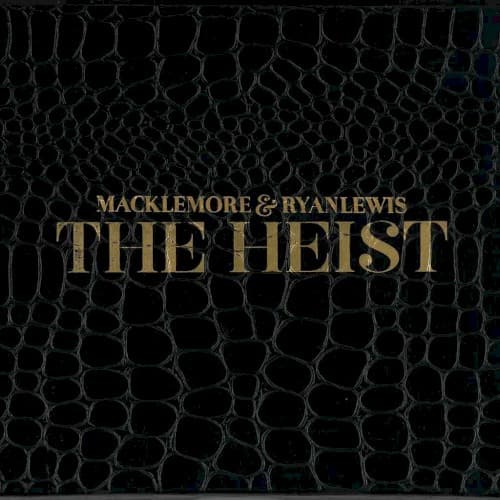
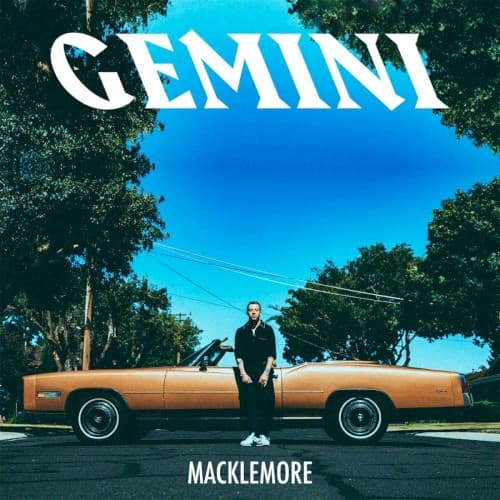
Start with White Privilege II, Downtown and Buckshot, which together show the album's seriousness, scale and respect for rap history. After that, try Need to Know for a strong rapping partnership with Chance the Rapper. For what to hear next, go back to The Heist, the debut that remains the better record, or forward to Gemini, the later solo album made without Ryan Lewis. The sharpest summary is that this album traded a hit for a conscience and got less of both than it wanted.
Track by track
Track Listing
Light Tunnels
StandoutA six-and-a-half-minute opener with Mike Slap, and a deliberate statement of scale. The production is expansive and the length signals that the duo has no interest in a radio-friendly start. It sets a serious tone and gives the album a strong first impression, though it asks for patience and does not offer a hook.
Downtown
StandoutThe lead single, released in August 2015, with Eric Nally, Melle Mel, Kool Moe Dee and Grandmaster Caz. Ryan Lewis produced and co-wrote it with Macklemore. The track builds a collaborative, high-energy tribute to old-school rap through its guest list, and the production has genuine bounce. It is the album's most polished attempt at a crowd-pleaser. It runs nearly five minutes and its novelty is partly in the guests, but it works as an announcement of intent.
Brad Pitt’s Cousin
SolidA short, light track with Xperience that was released as a promotional single in Australia and New Zealand. It is a comic breather, brisk at barely over three minutes, though the humor is slight.
Buckshot
StandoutA track with KRS-One and DJ Premier, two of the most respected names in rap history. It is brisk, at barely over three and a half minutes, and it reads as a deliberate tribute to hip-hop tradition. The guest pairing gives it real credibility and the rapping is energetic. It is among the album's most direct moments of rap craft, and the sense of lineage is its main appeal. It would be stronger with more surprises in the arrangement.
Growing Up
StandoutFull title Growing Up (Sloane's Song), with Ed Sheeran, released in August 2015 as a promotional single. At just over five minutes, it is the album's most personal track, a gentle piece with a melodic hook. It is sincere and well made, and a clear change of pace from the heavier material, though it is tonally distant from the rest of the sequence.
Kevin
StandoutFeaturing Leon Bridges, with a video released just before the album. The soul-leaning hook gives the track a distinctive warmth and sets it apart from the more rap-driven cuts. It is a serious song with a clear emotional pull, though its length and tone make it feel like part of a run of slower material.
St. Ides
SolidA short, solo track at under four minutes that keeps the focus on Macklemore's own voice. It is direct and well delivered, though it sits in a stretch of the album where the energy is lower and it does not stand out.
Need to Know
StandoutA collaboration with Chance the Rapper and one of the most successful pairings on the record. The two trade lines with good chemistry and the production gives them space. It is brisk, loose and less weighed down by message than much of the album, which makes it one of the more replayable cuts. A strong mid-album highlight.
Dance Off
SolidThe second single, with Idris Elba and Anderson .Paak, released in selected markets but not in the United States. Karp co-produced it with Ryan Lewis. It is a high-energy, comic dance track and a deliberate return to the party mode of the debut. It is fun and well produced, but it does not have the hook strength to match the earlier hits, and its limited release shows how uncertain the campaign was.
Let’s Eat
SolidThe shortest song on the album, at under three minutes, with Xperience. It is a light, quick track that works as a small change of pace. Filler in the best sense: brief, harmless and forgotten quickly.
Bolo Tie
StandoutA collaboration with YG, and a deliberate attempt to link the duo's sound to a harder West Coast voice. The guest verse adds contrast and the beat is sharp. It is a solid, short track that gives the late stretch some edge.
The Train
SolidFeaturing Carla Morrison, co-produced by Karp, and one of the shortest tracks at about three minutes. The sung presence gives the closing stretch a softer texture and a change of language and mood. It sets the table for the closer without drawing attention to itself.
White Privilege II
StandoutThe album's centerpiece, at over eight and a half minutes, with Jamila Woods and production credited to Ryan Lewis, Oboohoo and Karp. It was released ahead of the album as a promotional single and is the clearest reason the project exists. The track is self-implicating, willing to question the artist's own position, and the length gives it space to move through arguments, doubts and quiet. It is uneven in places and sometimes overlong, but it is the most serious and affecting writing on the record. A track like this explains why the album divided critics: it is brave, and it asks a lot of the listener.
Frequently Asked Questions
Is This Unruly Mess I've Made a good album?
How did This Unruly Mess I've Made perform?
Who is on This Unruly Mess I've Made?
Is this the last Macklemore and Ryan Lewis album?
Genres
Styles