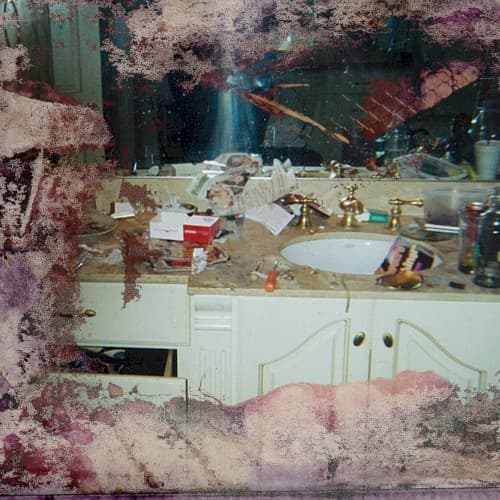
Pusha T DAYTONA — Twenty-One Minutes of Pure Cocaine Arithmetic
No other album has been this efficient with its violence. Seven tracks, twenty-one minutes, zero mercy. The entire runtime is shorter than a Migos album intro, yet it lands harder than anything released in 2018.
This is precision work. Every bar calculated, every sample chopped to inflict maximum damage. The label wanted sixteen tracks. Kanye West cut it down to seven and dared them to argue.
Push agreed because he has spent two decades proving that less is more when you have nothing left to prove. This is the sound of a forty-one-year-old drug dealer who refuses to pretend he ever left the block. While the rest of rap chased streaming numbers and radio spins, Pusha T delivered a clinic in staying on topic. The album opens with piano keys that sound like they were recorded in a mansion built on blood money.
It closes with a diss track that ended a career. Everything between those two points is coke rap at its most unforgiving. No hooks designed for TikTok. No features chasing playlists.
Why does this album still dictate conversations six years later?
Because it reminded the culture what focus sounds like. The Wyoming sessions produced five albums in five weeks. Ye, Kids See Ghosts, Nasir, KTSE, and this. Four of those records feel like experiments.
DAYTONA feels like a final exam. Every verse is written by someone who knows the difference between moving weight and moving units. Every beat is built by someone who understands that luxury and paranoia occupy the same frequency. The Clipse reunion never happened, but this is what maturity sounds like when you stop waiting for your brother to show up.
Wyoming Minimalism Meets Virginia Maximalism
Kanye West produced all seven tracks, and the sonic signature is unmistakable. Dusty soul samples flipped into chest-caving loops. Drums that hit like depositions. No 808s, no melody, no room for weakness.
The production philosophy is surgical removal. Every element that does not serve the central narrative gets deleted. What remains is the kind of beat selection that only happens when the producer respects the rapper enough to get out of the way. Ye brought the canvas.
Push brought the blood.
The sample choices reveal intent. Rick James on the opener. A Cissy Houston flip on track two. Freeway on track three.
These are not samples designed to spark nostalgia. These are samples gutted and repurposed as threats. The pianos sound expensive. The drums sound cheap on purpose.
The mix leaves space for Push's voice to sit front and center, no reverb, no hiding. This is the opposite of modern trap production, where the beat does half the work. Here the beat simply holds the door open while Push walks through and dismantles everything in sight. What producer works this hard to make themselves invisible?
Lyrically, this is drug dealing as economic philosophy. No apologies, no redemption arc, no pivot to conscious rap. Push has built an entire career on a single subject, and DAYTONA is him doubling down. The product, the profit, the paranoia, the pride.
He raps like someone reading from a ledger, every bar a line item, every verse an audit. The flow is deliberate, almost conversational, the cadence of someone who has told these stories so many times he no longer needs to shout. The confidence is suffocating.
But the album is not flawless. The Drake diss on the closer, while effective, shifts the focus away from the thematic consistency that defines the first six tracks. It turns an album about legacy into an album about beef. The decision to end on that note prioritizes moment over permanence.
It is the only track that feels reactive instead of inevitable. Everything else on DAYTONA sounds like Push knew exactly what he wanted to say before he stepped in the booth. That last track sounds like he wanted to say something while he still had the mic.
Vocally, Push has never sounded more locked in. The delivery is cold, almost clinical, each syllable enunciated with the precision of someone who has done this math too many times to miscalculate now. There are no wasted words. No filler bars.
No hooks designed to let you off easy. When the beat loops, Push is already three bars deep into the next thought. The pacing is relentless because the subject matter demands it. You do not get to coast when you are counting money that could disappear tomorrow.
Seven Tracks, Zero Wasted Motion
The album opens with a threat disguised as an invitation, the first stretch daring you to keep up. By the time the second track fades, the tone is established. This is not an album that builds to a climax. It arrives fully formed and maintains altitude for twenty-one minutes.
The sequencing is brutal. No breathers, no interludes, no room to second-guess what you just heard. Each track locks into the next like evidence presented in order.
The middle section shifts from autobiography to accusation. The production gets darker, the samples more distorted, the drums more insistent. This is where the album stops being about Push and starts being about everyone who doubted him.
The pacing tightens. The bars get meaner. By the time you reach the back half, the album has become a closing argument.
The final stretch pivots from legacy to warfare. The penultimate track feels like a victory lap. The closer feels like a grenade thrown on the way out the door. The sequencing is intentional, the emotional arc compressed into a runtime shorter than most opening acts.
There is no fade-out, no gradual exit. The album ends the way it started: abruptly, unapologetically, with no interest in your comfort. You either survived the ride or you did not. Push does not care which.
The Best Seven Songs He Ever Sequenced
This is the best album Pusha T has ever made, and it is not particularly close. My Name Is My Name had higher peaks. King Push and Darkest Before Dawn had deeper benches. But DAYTONA is the only project where every decision feels locked in.
No wasted space. No commercial concessions. No features brought in to chase a different audience. This is Push at his most distilled, working with the only producer who could match his level of focus.
Who should listen? Anyone who wants to hear what happens when two veterans strip rap down to its foundation. Anyone tired of bloated albums designed to game streaming numbers. Anyone who believes that twenty-one minutes of focus beats seventy minutes of filler.
Who might struggle? Listeners who need hooks to latch onto. Fans looking for emotional range beyond cold calculation. Anyone hoping Push would finally talk about something other than cocaine.
Six years later, the album has aged like fine bourbon. The production still sounds futuristic. The bars still cut. The Drake beef gave it a second life, but the album did not need the controversy to stand up.
It remains the blueprint for the seven-track album format that Kanye briefly made a movement. Ye experimented with the concept. Push perfected it.
Standout tracks to start with: If You Know You Know for the purest distillation of the album's sound, Hard Piano for the only feature worth discussing. Similar albums: Freddie Gibbs and Madlib Piñata for comparable cocaine craftsmanship, Griselda Records Pray for Paris for East Coast grit meets luxury production, Clipse Hell Hath No Fury for the early blueprint. Long-term influence: every rapper who cut an album down to eight tracks after 2018 owes royalties to this project.
DAYTONA is twenty-one minutes of a man proving he has nothing left to prove. It is the sound of someone who has been rapping about the same subject for twenty years and still finds new ways to make it suffocating. Press play and realize how much space most albums waste.
Track Listing
If You Know You Know
▲The Rick James flip opens with piano keys that sound like they cost six figures to clear. Kanye chops the sample into a loop that inhales and exhales, creating space for Push to deliver one of the coldest opening verses in recent memory. The production is minimal, almost skeletal, just drums and keys and the faint ghost of the original vocal buried in the mix. Push enters with the cadence of someone who has done this speech before, voice flat and unbothered, every bar about weight and money and the consequences of both. The hook is barely a hook, just a repeated phrase that functions more as a thesis statement than a sing-along. No features, no safety net, just Push walking through a beat that was designed to let him operate without interference. The verse structure is tight, no wasted bars, every line advancing the narrative. By the time the track fades, the album's entire aesthetic is locked in. This is what focus sounds like when you strip away everything that does not serve the core mission. I heard this for the first time in a rental car leaving the airport, summer of 2018, and had to pull over to run it back twice before I made it to the highway.
The Games We Play
▲Tony Williams drums and a Cissy Houston sample form the backbone here, Kanye flipping the source material into something that sounds like luxury purchased with dirty money. The production is more layered than the opener but just as cold, strings floating underneath the drums, creating a sense of paranoia that matches the lyrical content. Push spends the entire track calculating risk versus reward, every bar a ledger entry, the flow more conversational than aggressive. The verse about his brother is the only moment on the entire album where Push sounds like he is writing from a place of loss instead of dominance. Pusha T has always been better at writing about the product than the people, but this track comes closest to acknowledging the human cost. The beat switch never arrives, the loop just tightens and intensifies, the drums getting more insistent as the track progresses. The structure is simple, almost too simple, which makes the execution more impressive. No tricks, no gimmicks, just a rapper and a beat and a story about survival. The mix places Push's voice so far forward in the pocket that it feels like he is rapping directly into your ear, no reverb, no distance.
Hard Piano
▲The Freeway sample is vicious, Kanye stripping it down to just piano and drums, no bass, no melody, nothing to soften the blow. This is the hardest beat on the album and Push treats it accordingly, the flow more aggressive, the bars more declarative. Rick Ross shows up for a verse that sounds like he recorded it in a different room on a different day, his voice mixed quieter than Push's, almost like he is calling in from a distance. Ross does his job, the mafioso persona fitting the aesthetic, but the track belongs to Push. The second verse is pure coke arithmetic, numbers and locations and the kind of detail that only comes from someone who lived it or studied it obsessively. The piano loop never changes, just repeats for two minutes straight, hypnotic and unforgiving. Some listeners will find the repetition exhausting. I find it transfixing. This is what happens when a producer trusts the rapper enough to build a beat out of a single idea and let it ride. No drops, no switch-ups, no relief. Just pressure applied consistently until the track ends.
Come Back Baby
▲The sample sounds like it was pulled from a record collection in a house that no longer exists, Kanye chopping it into a loop that feels haunted. The production is more atmospheric than anything else on the album, strings and vocal fragments creating a sense of dread that Push matches with some of his most vivid writing. The flow is slower here, more deliberate, Push taking his time with each bar instead of rushing through the pocket. The hook is minimal, just a repeated phrase that barely qualifies as a chorus, more of a mantra than a melody. The content is pure drug dealing memoir, no metaphor, no abstraction, just the mechanics of moving product and the paranoia that comes with it. The second verse contains one of the best sequences on the entire album, six bars about money and loyalty that land like a thesis statement. The beat never builds, never crescendos, just maintains the same level of tension from start to finish. This is the track casual listeners will skip and deep fans will play on repeat.
Santeria
▲070 Shake provides the hook, her voice floating over a beat that sounds like it was constructed out of spare parts and bad intentions. Kanye samples a vocal loop that barely qualifies as a melody, more of a texture than a tune, the drums hitting harder than anything else on the album. Push spends both verses in full flex mode, the subject matter shifting from product to profit, every bar about the spoils instead of the process. The flow is faster here, more rhythmically complex, Push riding the pocket with the kind of precision that only comes from decades of practice. The 070 Shake hook should feel out of place, her melodic approach clashing with the album's aesthetic, but somehow it works. Her voice provides the only moment of softness on the entire project, a brief exhale before Push returns to apply more pressure. The second verse contains the line about his fiancée that sparked a thousand think pieces, Push turning his personal life into ammunition the way he turns everything into ammunition. The beat never switches, never offers a resolution, just loops until it cuts off abruptly.
What Would Meek Do?
▲Kanye flips a soul sample into something that sounds expensive and illegal, the drums punching through the mix with the kind of clarity that makes you check your speaker settings. This is the only true posse cut on the album, Kanye taking a full verse for the first time in the project. Ye's verse is exactly what you expect in 2018, half-baked politics and luxury brand references, delivered with the manic energy of someone who has not slept in three days. It is the weakest verse on the album by a significant margin, but it does not ruin the track. Push's two verses are among his best, the first one pure braggadocio, the second one veering into introspection before snapping back to the usual subject matter. The production is the richest on the album, layers of samples and vocal chops creating a sense of opulence that matches the lyrical content. The hook is built around a question that never gets answered, Kanye and Push trading bars over a loop that sounds like it cost six figures to clear. This is the most commercially accessible track on DAYTONA, which means it still sounds nothing like anything else on radio in 2018. I played this at a party once and watched half the room leave to smoke. The other half stayed and ran it back twice.
Infrared
●The diss track that launched a war, built on a sample that sounds like it was recorded in a church basement in 1973. Kanye strips the production down to just drums and a vocal loop, giving Push all the space he needs to dismantle Drake's credibility in under three minutes. The bars are surgical, each one designed to expose a specific weakness, the flow more aggressive than anything else on the album. This is the only track on DAYTONA that feels reactive instead of intentional, Push pivoting from legacy talk to beef talk in the final seconds of the project. The decision to end the album here shifts the entire narrative, turning a focused statement into a provocation. The beat is menacing, the drums hitting with the kind of weight that makes the bars land harder, but the content feels almost like an afterthought compared to the thematic consistency of the first six tracks. The second verse contains the line about Drake using a ghostwriter, the spark that ignited the entire beef, leading to The Story of Adidon and the exposure of Drake's hidden son. As a moment in hip-hop history, this track is undeniable. As the final statement on an otherwise perfect album, it is a distraction. Still, the bars are vicious, the execution flawless, and the impact undeniable. Just wish it had been a loosie instead of the closer.