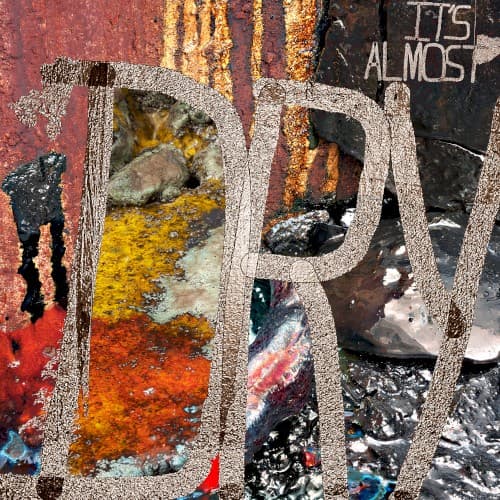
Pusha T It's Almost Dry — When Two Gods Built a Temple
Remove this album from 2022 and the year loses its sharpest blade. Pusha T returned at forty-four with twelve tracks split between Pharrell Williams and Kanye West, two producers who had spent the previous decade working in opposite sonic universes. One architect of minimalist menace, the other chasing maximalist gospel. Both delivered the exact canvas Pusha needed.
The result sits among the tightest albums in modern rap, where every bar carries weight and every beat choice feels inevitable. This is not a comeback album because Pusha never left. Daytona proved in 2018 that brevity and precision beat bloat every time. It's Almost Dry builds on that philosophy while expanding the sonic palette.
Where Daytona felt like seven consecutive gut punches, this album moves through different temperatures. The Pharrell tracks glide with icy elegance. The Kanye tracks hit like sermons delivered in parking lots. Together they create an album that never loosens its grip.
Pusha spent two decades perfecting one subject and refused to pivot when trends demanded it. While the rest of rap chased melodic hooks and trauma dumping, he doubled down on the only story he knows how to tell. That confidence makes every word land harder.
The Virginia cocaine trade shaped his entire aesthetic, and he treats that legacy with the care of a jeweler examining stones.
Some called it repetitive. He called it mastery. But when you listen to the precision in every line, the obsessive attention to craft, can you really blame him for staying the course?
The Twin Engine System
Split production between Pharrell and Kanye was not a gimmick. It was architectural strategy. Pharrell handles six tracks with the skeletal funk that defined early Clipse records. Spare drums, negative space, basslines that rumble under your ribs.
These beats do not compete with Pusha. They create runways for his voice to cut through. Kanye contributes the other six with his gospel-soul maximalism sharpened into weapons. Chopped vocals, layered samples, drums that stomp instead of knock.
His beats feel like arguments won in real time.
The sequencing alternates between the two producers carefully, never letting one voice dominate too long. This split creates natural tension. Pharrell's minimalism forces Pusha into rhythmic pockets where every syllable counts. Kanye's density allows Pusha to stretch across wider sonic real estate.
Both approaches demand precision but reward it differently.
Lyrically Pusha operates in the same territory he has mined for twenty years. Cocaine metaphors, luxury signifiers, warnings to rivals who thought he softened with age. His flow remains conversational but ruthless, sentences that snap closed like bear traps. He never yells.
He does not need to. The calmness in his delivery makes every threat feel more real. What saves this from repetition is specificity. He names stores, references exact prices, describes scenes with the detail of someone who lived them.
The album does sag slightly in the back half. Two tracks feel like strong B-sides rather than essential inclusions. But even the weaker moments maintain a baseline quality most rappers never reach. No filler, just varying degrees of excellence.
Pusha's voice has aged into something even colder. Where younger rappers chase vocal effects and melodic runs, he stays locked in his monotone pocket. That refusal to evolve his delivery is exactly why it still works. Like other East Coast veterans, he found his frequency two decades ago and never looked back—so why would he abandon what continues to cut this deep?
The Precision of Twelve
Thirty-three minutes. Twelve tracks. No skits, no interludes, no wasted seconds. The album moves like a tightly edited film where every scene earns its place.
The opening stretch establishes tone immediately. Three consecutive Pharrell productions that feel like walking through empty hallways in expensive buildings. Drums crack against silence. Bass hums underneath.
Pusha sounds more focused than ever, sentences chopped into exact measurements. The middle section shifts into Kanye's terrain. Heavier drums, layered vocals, beats that feel constructed rather than programmed. This is where the album expands its emotional range without losing intensity.
The sequencing never lets momentum slip. Just when one producer's approach starts feeling predictable, the album switches lanes. The Pharrell tracks provide breathing room. The Kanye tracks add weight.
Neither side overstays its welcome. The back half maintains quality but loses a fraction of the urgency that defined the first seven tracks. The final stretch still delivers moments of brilliance but feels slightly less essential than what came before. Two songs here could have been trimmed without damaging the album's impact.
Even with that minor weakness, the pacing remains superior to ninety percent of modern rap albums. Pusha understands that leaving listeners wanting more beats overstaying your welcome. The album ends before fatigue sets in. No victory lap, no extended outro.
The Standard He Set Twice
This is the second-best album in Pusha's solo catalog. Daytona remains untouchable for its seven-track perfection, but It's Almost Dry expands the template without diluting it. Both albums prove that focused vision beats scattered ambition every time. Where most rappers his age chase relevance through features and trend-hopping, Pusha sharpened the blade he has been holding since Clipse.
Casual listeners looking for melodic hooks or radio singles will find nothing here. This album demands your full attention. It rewards close listening. It does not apologize for its singular focus.
Fans of Griselda's raw minimalism, early Clipse, or anyone who values writing over vibes will find this essential. First-time Pusha listeners should start with Daytona, but this album sits comfortably beside it.
The album aged beautifully in the two years since release. While 2022 rap trends already sound dated, these twelve tracks feel built to last. No trap clichés, no melodic pandering, no attempts to chase streams. Just a master craftsman working at the height of his powers.
Essential tracks to start with include the opening run and the Kanye-helmed middle section. Similar albums worth exploring include Daytona, Griselda's recent output, and vintage Clipse records. Long-term influence is already visible in younger rappers who studied Pusha's commitment to theme and precision. He proved that staying in your lane beats swerving for trends.
This album will be referenced in best-of-decade conversations, and it deserves that spot. Pusha built a twelve-track temple where every brick was placed with intention, and both architects brought their A-game.
Track Listing
Brambleton
▲Pharrell opens the album with a beat that sounds like it was recorded in an empty warehouse at three in the morning. Kick drum, hi-hat, bassline. Nothing else. Pusha uses the space to deliver origin-story bars about his Virginia upbringing with the clarity of someone who has told this story a thousand times and refuses to embellish. The hook is barely a hook, just a repeated phrase that drills into your skull. No wasted motion. Every line serves the narrative. By the time the track fades, Pusha has established exactly who he is and what this album will deliver. This is not an invitation. It is a statement.
Let the Smokers Shine the Coupes
▲Pharrell keeps the minimalism locked in. The beat crawls forward with skeletal percussion and a bassline that vibrates under the floor. Pusha's flow tightens into quick bursts, sentences that snap closed before you catch all the layers. He is flexing here but with surgical precision, naming brands and prices like someone reading from receipts. The production never blooms into anything lush. It stays cold and clinical, which forces every bar to land harder. No melodic escape hatch, no sung hook to soften the edges. Just Pusha in his element, describing luxury and menace in the same breath.
Dreamin of the Past
▲Kanye arrives with chopped soul and layered vocals. This is the first temperature shift on the album. The beat feels warmer than the Pharrell cuts but no less intense. Pusha adjusts his cadence to match the denser production, stretching syllables across Kanye's gospel-tinged backdrop. He reflects on the cost of the life he chose without apologizing for it. Kanye's production creates space for that introspection without turning the song into therapy rap. The drums hit harder here, more live-sounding than programmed. This track proves the split-production concept works because both producers are sharpening different sides of Pusha's voice.
Neck & Wrist
●Pusha recruits Jay-Z and Pharrell for what should be the album's centerpiece. Jay delivers a strong verse. Pharrell's beat knocks. Pusha holds his own. But something about this track feels too expected. The luxury rap on display here lacks the edge that defines the album's best moments. It is technically excellent, well-crafted, and completely forgettable compared to what surrounds it. The chemistry between all three artists works, but the song feels like it was assembled from a template rather than built from necessity. Still a solid track, just not essential.
Just So You Remember
▲Kanye flips the script with a beat that sounds like a threat being whispered in your ear. The drums march forward slowly. Pusha unloads some of the album's coldest bars, reminding everyone exactly who he is and what he has survived. This is the song you play when someone questions Pusha's relevance. Every line feels like evidence being presented in court. No embellishment, no metaphors that require a doctorate to decode. Just facts delivered with the calm of someone who has nothing left to prove but chooses to prove it anyway. Kanye's production stays out of the way, providing just enough atmosphere to let Pusha's voice carry the weight.
Diet Coke
▲Pharrell delivers one of the album's iciest beats. Synth stabs, minimal drums, a bassline that rumbles like distant thunder. Pusha sounds more locked in here than anywhere else on the album. His flow rides the pocket perfectly, syllables landing exactly where they need to. He is rapping about the same subject matter he always does, but the writing feels sharper. Every bar has been edited down to its essential components. No wasted words. The hook is a simple repetition that burrows into your brain. This is Pusha and Pharrell operating at the level that made early Clipse records so lethal. I heard this track for the first time in a parked car in Brooklyn, and it sounded like the best thing either of them had made in years. Still does.
Rock n Roll
●Kanye brings drums that stomp and a sample that feels pulled from a forgotten gospel record. Kid Cudi appears on the hook, adding a melodic element that the album has avoided until now. Pusha adjusts his approach slightly, letting the beat breathe more between verses. The song works as a palette cleanser, a brief moment where the album loosens its grip without losing focus. Not essential, but effective. Cudi's contribution adds texture without softening Pusha's core message. Kanye's production here feels more adventurous than his other contributions, layering sounds that could have clashed but somehow coexist. A strong B-side elevated by its placement.
Call My Bluff
●Pharrell returns with another skeletal beat. This one feels like the evil twin of Diet Coke, same minimalist DNA but darker in tone. Pusha delivers threats with the calm of someone who never raises his voice because he never needs to. The production stays locked in its pocket, refusing to expand or soften. By this point in the album, the minimalism starts feeling slightly repetitive. Not bad, just predictable. Pusha's bars remain sharp, but the track lacks the urgency that defined the first half. Still better than most rappers' best work, but a notch below the album's peaks.
Scrape It Off
▲Kanye flips a sample that sounds like it came from a seventies crime film. Drums knock hard. Pusha attacks the beat with renewed energy, syllables tumbling out in quick succession. Lil Uzi Vert shows up for a verse that adds youthful chaos to Pusha's calculated menace. The contrast works. Don Toliver provides the hook, his melodic approach creating a counterbalance to the verses. This is one of the album's most complete songs, every element serving the larger structure. Kanye's production here feels alive, less rigid than some of his other contributions. The track proves that Pusha can share space without losing his identity.
Hear Me Clearly
●Pharrell keeps it minimal again. The beat feels like an echo of earlier tracks, same toolkit deployed with slightly less impact. Pusha remains locked in, but by this point the album's singular focus starts feeling like a limitation. The bars are strong. The production is clean. Nothing is wrong with the track. It just does not add anything new to the conversation the album has been having for thirty minutes. Fans will appreciate the consistency. Skeptics will point to this as evidence that Pusha's approach has limits. Both views are valid.
Open Air
▲Kanye delivers one of the album's heaviest beats. Drums that sound like they were recorded in a cathedral. A sample that swells and recedes. Pusha uses the space to unload some of his most personal bars, reflecting on loss and survival without veering into sentimentality. This is the emotional center of the album, the moment where Pusha allows a crack in the armor without shattering it completely. The production supports that vulnerability, giving the words room to breathe. Not the catchiest song on the album, but the most human. Kanye understood the assignment here, building a beat that could hold the weight of what Pusha needed to say.
I Pray for You
▲The album closes with Pusha alone on a Pharrell beat that feels more contemplative than confrontational. No guests, no extended outro. Just Pusha wrapping up the themes he has been exploring for thirty-two minutes. The production stays minimal, letting his voice carry the final message. He does not beg for forgiveness or pivot into inspirational mode. He simply states where he is and what he survived. The track ends abruptly, no fade-out, no lingering notes. The album stops because Pusha said everything he needed to say. That confidence in knowing when to exit defines the entire project. A strong closer that reinforces the album's disciplined vision.