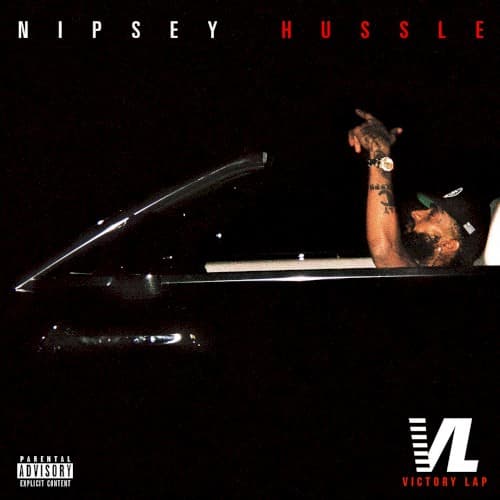
Nipsey Hussle Victory Lap — The Marathon That Finally Crossed the Finish Line
Ten years between mixtapes and major label release is not a career gap. It is a statement. While every rapper around him chased record deals and quick hits, Nipsey Hussle turned down offers and sold physical copies of Crenshaw and Mailbox Money for a hundred dollars each. He built a clothing store on Slauson Avenue. He invested in strip malls and parking lots.
He turned down Atlantic Records multiple times because he refused to give up ownership. By the time Victory Lap arrived in February 2018, it was not just an album drop but the final proof of concept for an entire business philosophy that the industry had dismissed as stubborn and naive.
The album arrived at a moment when West Coast rap had fractured into a dozen micro-scenes. YG was pushing the ratchet sound. Kendrick owned the critical lane. The new wave was coming up on SoundCloud with distortion and no regard for the tradition.
Victory Lap sounded like none of them. It sounded like someone who understood that Los Angeles rap has always been about narrative clarity and compositional patience. Every beat gives you room to breathe. Every verse builds toward a thesis.
This is not music for passive listening or background noise.
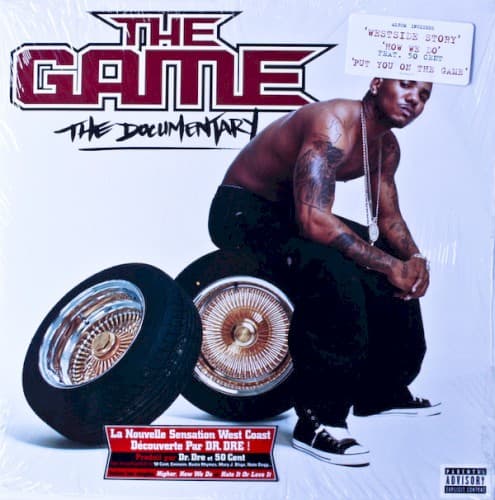
What happens when a rapper spends a decade refining the same vision instead of chasing trends? Victory Lap answers that question with sixteen tracks of West Coast classicism built on live instrumentation, soul loops, and motivational content that never tips into self-help cliché. Nipsey raps about ownership, generational wealth, gang politics, and neighborhood loyalty with the cadence of someone who has already lived through the consequences of every decision he describes. The album sits in the same lineage as The Documentary and good kid m.A.A.d city — Los Angeles albums that use personal storytelling to explain systemic realities without preaching or posturing.
The Architecture of Patience
Victory Lap sounds expensive but not extravagant. The production budget went toward live musicians, not celebrity features or radio chasing. Mike & Keys handle the majority of the album and bring a sonic palette rooted in Seventies soul, Eighties funk breaks, and the kind of bass presence that only works in a car with proper speakers. The drums never rush.
The samples breathe. The arrangements leave space for Nipsey's voice to sit in the center of the mix without competing for attention. This is West Coast production philosophy at its most disciplined — every element serves the storytelling rather than demanding its own spotlight.
Lyrically, Nipsey operates in the narrow lane between street memoir and entrepreneurial motivation. He references Rollin 60s Crips history alongside stock portfolios and real estate acquisitions. The duality never feels forced because he presents both as survival strategies from the same ecosystem. His flow remains conversational throughout — no rapid-fire technical flexing, no melodic experimentation, just clear multi-syllable phrases that land on beat with the precision of someone who has been refining the same cadence for fifteen years.
The vocal delivery stays in the same register across the entire album, which becomes both a strength and a limitation depending on your tolerance for consistency over variety.
The album's greatest weakness is its length. At sixteen tracks, Victory Lap includes at least three songs that repeat thematic ground already covered more effectively earlier in the tracklist. The sequencing front-loads the strongest material, which means the back half requires patience to navigate. Several tracks blur together not because they are poorly executed but because they explore the same lyrical territory with similar production templates.
The album would have been sharper at twelve tracks.
What happens when guests appear on a debut from someone who already earned his stripes? Guest appearances are handled with West Coast professionalism. Kendrick shows up, YG shows up, Puff Daddy shows up. None of them overshadow Nipsey on his own record, which speaks to both his confidence as an artist and his ability to structure verses that maintain narrative control even when sharing space with bigger names.
The features feel like co-signs rather than rescue missions, which is exactly how they should function on a debut album from someone who has already earned his credibility through a decade of independent hustle.
The Long Game Pays Off
The first six tracks establish Victory Lap as a complete artistic statement before most albums finish their intro. The opening run moves from autobiographical reflection to street confrontation to motivational anthem without losing sonic cohesion. By the time the album reaches its midpoint, Nipsey has already justified the ten-year wait with production craftsmanship and thematic clarity that most rappers never achieve across an entire career. The sequencing operates like a west-to-east drive across Los Angeles — long stretches of consistent energy occasionally broken by scenic detours that reward attention but test patience.
The middle section tilts heavily toward entrepreneurial content and features that broaden the album's appeal beyond the core Crenshaw audience. This is where Victory Lap makes its bid for crossover relevance without sacrificing the foundational West Coast sound that defines its identity. The pacing slows down intentionally, giving listeners room to absorb the lyrical detail rather than rushing toward the next banger. Some tracks in this stretch feel like extended epilogues to ideas already explored, which creates occasional redundancy but never outright filler.
The back half reintroduces street-level storytelling after the motivational detour, closing the album with the same narrative balance that opened it. The final stretch rewards listeners who made it through the full runtime with some of the album's most vulnerable and technically precise moments. The sequencing brings the album full circle without feeling overly engineered or thematically heavy-handed. Victory Lap ends where it started — with Nipsey explaining why the marathon continues, why ownership matters, and why the neighborhood is still home even after the real estate investments and industry validation.
The Blueprint They Ignored Until It Worked
Victory Lap ranks as Nipsey Hussle's best work and one of the most important West Coast albums of the 2010s. It sits below The Documentary and good kid m.A.A.d city in the California canon but above everything else released from Los Angeles in its release window. The album works best for listeners who value narrative cohesion and sonic classicism over experimentation or trendchasing. If you need constant tempo shifts and melodic risks, this will test your patience.
If you want West Coast rap that sounds like West Coast rap without apology or compromise, Victory Lap delivers exactly what it promises. The album has aged remarkably well in the years since release. The production still sounds current because it never chased the moment. The motivational content feels more relevant now than it did in 2018 as more artists embrace independent ownership models.
The tragedy of Nipsey's death in 2019 adds retrospective weight to every bar about legacy and generational wealth, but the album stands on its own merits without requiring that context. Victory Lap sounds like someone who knew exactly what he wanted to say and waited until he had the resources and skill to say it correctly. Essential tracks for new listeners: the title track establishes the album's thesis, Hussle & Motivate became the signature anthem, and Blue Laces 2 display the storytelling at its sharpest. For similar West Coast albums that balance street content with entrepreneurial ambition, check out The Documentary by The Game or My Beautiful Dark Twisted Fantasy for the same obsessive attention to sonic detail.
Nipsey's influence echoes through every independent rapper who now sells limited physical releases and builds businesses alongside music careers. He proved the model works if you are willing to take the long road.
Track Listing
Victory Lap
▲A thesis statement disguised as an opening track. Stacy Barthe's vocals float over a soul sample that sounds like it was recorded in a church basement in 1973, all warmth and dust. Nipsey uses the first verse to recount the ten-year journey from Crenshaw and Proud to major label validation, hitting every biographical milestone without ever sounding like he is reading from a resume. The hook is simple repetition — "running laps around these niggas" — but it works because the confidence is earned rather than performed. By the time the beat fades, Nipsey has made it clear this album will not apologize for sounding expensive or taking its time. The sequencing choice to open with this track rather than a banger is a power move that only works when you trust your audience to pay attention.
Rap Niggas
▲The first confrontational moment on the album, built on a bassline that rattles trunks and a piano loop that refuses to resolve. Nipsey spends two verses separating himself from rappers who fake the lifestyle, listing receipts and calling out the industry's tolerance for fraud. The flow tightens up here compared to the opener, moving from conversational to accusatory without raising his voice. No hook, just two long verses and an outro that lets the beat ride. This is West Coast shit-talking at its most controlled — no screaming, no theatrics, just clarity and consequences. The track works as a palette cleanser after the reflective opener, reminding listeners that Nipsey can still get disrespectful when necessary.
Last Time That I Checc'd
▲YG shows up for the album's most accessible radio moment, and the collaboration feels inevitable. The production is stripped-down g-funk — synth bass, hand claps, and a whistle riff that could have appeared on a DJ Quik record in 1995. Both rappers stay in their comfort zones, trading verses about gang affiliation and neighborhood politics without trying to outrap each other. The hook is designed for call-and-response in a packed venue. This is the track that convinced program directors Victory Lap could get West Coast airplay without chasing the mainstream sound dominating 2018. It aged better than most radio bids because it never compromised the foundational aesthetic to chase a trend that would be dead in six months.
Young Nigga
▲Puff Daddy executive-produced this album, and you hear his influence most clearly here. The sample is pure Bad Boy — a Seventies soul loop chopped and flipped with strings that sound like they were pulled from a Blaxploitation soundtrack. The verses focus on mentorship and generational knowledge transfer, with Nipsey addressing younger listeners directly about the cost of street life and the value of long-term thinking. It is motivational content that avoids the usual clichés because Nipsey grounds every piece of advice in specific Crenshaw geography and Rollin 60s history. The second verse contains one of the album's most quotable lines about ownership versus employment. Not a single or a standout moment, but essential to the album's thematic architecture.
Dedication
▲Kendrick Lamar appears for a single verse and somehow does not hijack the track. Both rappers use the same flow pocket, same cadence, same West Coast conversational delivery. The production is minimal — bass, drums, a vocal sample that repeats every eight bars. Kendrick's verse functions as a co-sign rather than a feature, placing Nipsey in the same lineage without overshadowing him. The lyrics focus on the cost of staying loyal to the neighborhood after achieving success elsewhere. No theatrics, no competition, just two Crenshaw-adjacent rappers explaining the same reality from slightly different vantage points. The track works because both artists understand restraint is more powerful than technical flexing when the subject matter demands respect.
Blue Laces 2
▲The sharpest storytelling on the entire album. Nipsey structures three verses around different time periods in his life, using the same sample flip and drum pattern across all three to create thematic continuity. The first verse covers childhood and early gang involvement. The second verse details the mixtape era and label negotiations. The third verse addresses fatherhood and legacy building. The production stays out of the way — just bass, keys, and a vocal loop that never distracts from the narrative. This is the track that showcases Nipsey's greatest strength: converting autobiography into universal commentary about systemic poverty and survival strategy. The closing bars about leaving assets rather than debts to the next generation hit different now, but they landed with full weight even before the tragedy.
Hussle & Motivate
▲The album's signature anthem and the track that introduced Nipsey to listeners who had ignored the mixtape run. The sample is Rodney-O & Joe Cooley's "Everlasting Bass" flipped into a slow-rolling motivational loop that sounds like sunrise over Crenshaw Boulevard. The hook is pure repetition — "Hussle and motivate" — but the simplicity is the point. Nipsey raps about real estate investments, stock portfolios, and neighborhood reinvestment without ever sounding preachy or disconnected from the street reality that funds those moves. The video shot on Slauson Avenue in front of The Marathon Store became iconic before the tragedy made it a pilgrimage site. This track aged into something bigger than its original intent, but even in February 2018 it was clear this was the moment Nipsey had been building toward for a decade.
Status Symbol 3
▲The third installment in a series that spans Nipsey's discography, and the most polished version. The production is luxurious — live bass, string arrangements, and a piano loop that sounds like it cost more than most rappers' entire album budgets. Nipsey uses the verses to explain the difference between looking rich and being rich, detailing specific investments and business moves alongside the expected luxury-rap flex content. Buddy shows up for the hook and adds melodic texture without softening the track's edge. This is where Victory Lap makes its clearest bid for crossover appeal, packaging entrepreneurial content in a sonic template accessible enough for listeners outside the core West Coast audience. The gamble works because Nipsey never dilutes the message to chase radio play.
Succa Proof
●A two-minute dismissal built on a bassline that sounds like it is trying to break your speakers. No hook, just one extended verse calling out fake friends, industry politics, and rappers who switch up after achieving minor success. The production is intentionally spare — bass, drums, and a vocal sample that repeats four words for the entire runtime. Nipsey's flow stays locked in the pocket, never speeding up or adding melodic variation. This is a functional interlude disguised as a full track, designed to break up the album's motivational stretch with a reminder that Nipsey can still get disrespectful when necessary. It works as a palate cleanser but does not demand repeated listens outside the full album context.
Keyz 2 the City 2
●Another sequel track, this time focusing on the transition from street credibility to industry validation. The production is built around a flipped soul sample and a drum pattern that moves slower than most West Coast tracks from 2018. Nipsey uses the verses to address the tension between staying authentic and evolving past the limitations of regional sound. TeeFlii handles the hook with melodic runs that add texture without softening the track's foundational edge. The verses cover familiar thematic ground — ownership, independence, neighborhood loyalty — but the execution is sharp enough to justify the repetition. Not essential on its own, but it serves the album's larger narrative about patience and long-term strategy.
Grinding All My Life
●A mid-tempo track about work ethic and delayed gratification. The sample is pure Seventies funk — live bass, congas, and a horn section that sounds like it was recorded in one take. Nipsey raps about the mixtape grind, the hundred-dollar Crenshaw sales, the real estate investments that industry insiders dismissed as gimmicks. CeeLo Green appears for a sung hook that adds gospel texture without tipping into inspiration-porn territory. The verses are solid but cover thematic ground already explored more effectively earlier in the tracklist. This is where Victory Lap starts to feel long — not bad, just redundant. The production craftsmanship keeps it from becoming skippable, but it would not be missed if the album had been trimmed to twelve tracks.
Million While You Young
●The Weeknd shows up uncredited for a hook that sounds like it was recorded in a different studio on a different day. The production is the most overtly commercial moment on the album — polished synths, trap hi-hats, and a tempo faster than anything else on Victory Lap. Nipsey adjusts his flow to match the beat, speeding up his delivery and adding melodic inflection he avoids elsewhere. The verses focus on enjoying success while young rather than waiting until old age to reap the rewards of hard work. The track feels like a label compromise — not bad, but disconnected from the sonic identity that defines the rest of the album. It would work on a different project. Here it disrupts the flow.
Loaded Bases
●CeeLo Green returns for another hook, this time on a track built around a baseball metaphor about opportunity and execution. The production is clean but forgettable — synth bass, trap drums, and a vocal sample that repeats the same four-bar loop for three minutes. Nipsey raps about seizing moments and capitalizing on hard-earned positioning, which is thematically consistent with the rest of the album but delivered with less urgency than earlier tracks. The baseball metaphor feels forced in places, and the hook leans too heavily on repetition without earning it. This is the weakest full track on Victory Lap — not offensively bad, just unnecessary. The album would have been stronger ending two tracks earlier.
Real Big / Double Up / Right Hand 2 God
▲A three-part closing suite that brings Victory Lap full circle. The first section is a victory lap in miniature — Nipsey recounting the journey one more time over a minimalist beat that lets every word breathe. The second section speeds up the tempo and tightens the flow, with Nipsey detailing specific business moves and real estate acquisitions. The third section is the most vulnerable moment on the album, with Nipsey addressing mortality, legacy, and the responsibility of generational wealth building. The production shifts across all three sections but maintains sonic continuity through bassline consistency and sample choices rooted in the same Seventies soul aesthetic that defines the entire album. Marsha Ambrosius appears for vocals that add emotional weight to the closing moments. This is how you end an album that took ten years to arrive — not with a banger, but with a statement of purpose that justifies every decision that led to this moment.