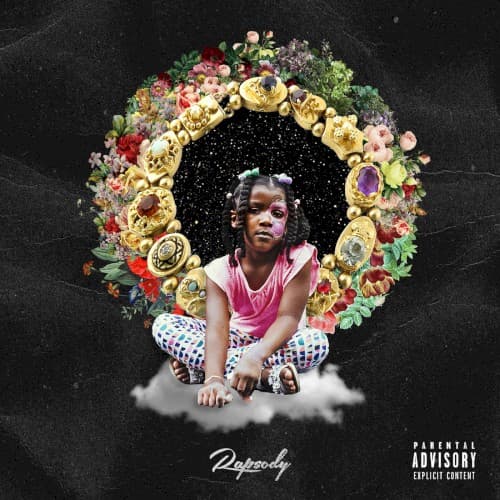
Rapsody Laila's Wisdom — The Pen Nobody Wanted to Acknowledge
You cannot name ten rappers with sharper internal rhyme schemes than Rapsody in 2017. Go ahead, try. The issue was never her pen — critics who actually listened knew that. The issue was airspace.
Radio had no category for a North Carolina MC who built verses like architectural blueprints, who treated multisyllabic rhyme patterns like required reading, who refused to dumb down for playlist algorithms. Rapsody had been perfect for a decade and the industry kept asking when she would get good.
Jay-Z signed her to Roc Nation before this album dropped.
That signature did not make her a better rapper. It made people finally pay attention to what had always been there. Laila's Wisdom arrived during the streaming explosion, when most rappers were chasing two-minute singles and TikTok moments. Rapsody delivered fourteen tracks of dense literary rap, 9th Wonder soul samples, and the kind of writing that demands you rewind bars to catch what you missed.
This was not a commercial calculation. This was a statement album from someone who had watched lesser technicians get crowned while she perfected her craft in silence.
The album is named after her grandmother. That tells you everything about Rapsody's North Star. While peers like J. Cole chased trends, she chased legacy. While others optimized for streams, she optimized for the kind of respect that outlasts album cycles.
The result is the most complete highlight of pure rapping skill released that year, a project that proved technical excellence and emotional depth are not opposing forces. The question was never whether Rapsody could rap. The question was whether the culture still valued the kind of writing she was doing?
The Blueprint and the Sample
9th Wonder built this album like he was constructing a thesis on soul rap. Every beat carries the warmth of a Donny Hathaway record, the grit of a forgotten funk 45, the precision of a producer who understands that sample selection is curation. The drums knock without overwhelming. The basslines sit in the pocket.
The loops breathe.
This is not bombastic production — it is the sound of someone who learned from Little Brother sessions and never forgot that space matters as much as sound.
Rapsody's pen operates at a different altitude than most of her generation. She writes in layered metaphor, internal rhyme, and narrative perspective shifts that would make English professors pull out highlighters. Listen to how she structures a sixteen — the way she builds momentum across bars, the way she plants a thematic seed in line two and harvests it in line fourteen. The way she uses slant rhyme to create unexpected pockets of melody?
This is not punchline rap.
This is sustained literary construction.
Her voice carries the weight of southern Black womanhood without performing it for white critics. She speaks directly to her community — about colorism, about self-worth, about navigating an industry built to diminish her. The writing never panders. When she addresses Black beauty standards, she does it through personal memory and sharp observation, not slogans.
When she tackles systemic issues, she grounds them in concrete detail. The lyricism has the rigor of Talib Kweli and the soul of Lauryn Hill, but the perspective is entirely her own.
The album's one structural flaw is its unwillingness to take creative risks with the production palette. Every beat sounds like a 9th Wonder beat, which is both a strength and a limitation. By track ten, the soul-sample formula starts to feel predictable.
A sharper album might have introduced one left-turn production choice, one moment that challenged the listener's expectations. Instead, the sonic consistency that makes the first half so cohesive begins to flatten the back half. The writing never dips, but the soundscape does not evolve enough to match the lyrical ambition.
The Long Game
The first stretch establishes authority. Rapsody does not ease you in — she opens with the title track and immediately demonstrates why lesser rappers avoid sharing stages with her. The writing is dense, the flow is surgical, and the confidence is earned.
By the time the album hits its middle section, you are either locked in or you never will be. This is not background music. This is the kind of rap that demands full attention or reveals nothing.
The sequencing understands momentum. The project moves between self-affirmation anthems and introspective storytelling without jarring transitions. Rapsody knows when to flex her technical skill and when to pull back and let the narrative breathe. The pacing never drags, even across fourteen tracks, because each song feels like a deliberate step in a larger argument about what rap can be when the MC actually has something to say.
The back half maintains the quality but loses some of the urgency. The album does not build toward a climactic finish — it settles into a steady groove and rides it out. A tighter closing sequence might have elevated the project from excellent to essential.
Instead, the final three tracks feel like victory laps rather than the knockout punch the writing deserves. The consistency is admirable, but great albums know when to shift gears, and Laila's Wisdom stays in fourth when it should hit fifth.
The Respect She Already Earned
This is Rapsody's best album, the definitive entry point for anyone who claims to care about lyricism. It sits comfortably in the top tier of 2017 releases, a year that produced plenty of commercially successful rap but very little writing this sharp. The album aged beautifully — nothing here sounds dated, nothing here chased a trend that expired six months after release. In a decade, this will still sound like a masterclass in technical rap, while half the albums that outsold it will sound like digital artifacts.
Who needs this album? Anyone who complains that modern rap lacks substance. Anyone who thinks technical skill died with the boom-bap era. Anyone who wants to hear what happens when an MC treats every bar like it matters.
Who might skip it? Listeners who need melodic hooks and playlist-ready singles. People who think conscious rap means boring rap. Anyone allergic to soul samples.
Start with "Black & Ugly" if you want to understand Rapsody's thematic core, "Chrome (Like Ooh)" if you want the cleanest display of technical skill, "Nobody" if you want to hear her navigate self-doubt without losing authority. For similar albums, check Common's Be for the same 9th Wonder soul-sample blueprint, Little Brother's The Minstrel Show for North Carolina conscious rap, or Black Star's Mos Def & Talib Kweli Are Black Star for the literary-rap tradition Rapsody descends from. The long-term influence is already visible — every young MC who prioritizes pen game over viral moments owes something to this album's refusal to compromise.
Rapsody proved you do not need to sacrifice intelligence for impact. The culture just needed to stop pretending they were opposites.
Track Listing
Laila's Wisdom
▲The opening salvo does not waste time introducing you to Rapsody's world — it throws you directly into the deep end of her pen game. Over a warm 9th Wonder soul loop, she constructs verses that operate like thesis statements, each bar building on the last with the precision of someone who understands that album openers set the terms for everything that follows. The internal rhyme schemes are intricate without feeling forced, the flow is conversational without sacrificing complexity. She name-checks her grandmother and establishes the thematic foundation: wisdom as inheritance, rap as documentation. The hook is understated, almost academic in its restraint, which might alienate casual listeners but serves the song's larger purpose. This is Rapsody announcing that she will not simplify her vision for easier consumption. The production breathes without demanding attention, a deliberate choice that lets the writing remain the focal point. I first heard this in a coffee shop in Durham and had to leave halfway through because I could not focus on anything else.
Power
▲The Kendrick Lamar feature here functions as co-sign and collaboration in equal measure. Rapsody holds her own across her verses, deploying multisyllabic internal rhyme patterns that refuse to let Kendrick's presence overshadow her pen. The production is slightly more aggressive than the opener, the drums hitting harder, the sample chopped with more urgency. Thematically, the track addresses systemic oppression and personal resilience without resorting to sloganeering — both MCs ground their politics in lived experience and sharp observation. Kendrick's verse is characteristically dense, full of perspective shifts and voice modulations, but Rapsody matches his energy with writing that is just as layered. The hook is functional rather than memorable, a rare misstep in an otherwise powerful statement. The song's placement as track two signals intent: Rapsody is not easing you into the album, she is demanding you keep pace. The chemistry between the two rappers elevates what could have been a standard posse cut into something closer to a lyrical summit.
Chrome (Like Ooh)
▲This is Rapsody at her most technically proficient, a three-minute clinic in how to construct a verse with zero wasted syllables. The Anderson .Paak hook provides melodic relief without softening the song's sharp edges. Rapsody's flow navigates the beat with the confidence of someone who has internalized every rhythm pocket, every breath break, every opportunity for a slant rhyme that catches you off guard. The writing addresses self-worth and ambition through automotive metaphor — the chrome as both armor and reflection, the shine as earned rather than given. The production is brighter than most of the album, the sample flipped with a playful energy that matches Rapsody's delivery. What makes this track essential is the way she balances technical showmanship with genuine emotional stakes. Lesser rappers treat skill and substance as separate pursuits. Rapsody proves they are the same thing. The bridge features some of the album's most inventive wordplay, layered internal rhymes that demand multiple listens to fully appreciate. This is the song you play for anyone who claims Rapsody lacks charisma.
Pay Up
▲9th Wonder's production here leans into a darker, more ominous sound palette, the sample looped with a sense of unresolved tension. Rapsody uses the sonic shift to address industry politics and the double standards she has navigated as a woman in a male-dominated genre. Her writing is direct without being didactic, each bar grounded in specific examples rather than abstract complaints. The hook is minimal, almost chanted, which reinforces the track's confrontational energy. What stands out is Rapsody's refusal to perform victimhood — she speaks from a position of power, demanding recognition rather than begging for it. The verses are dense with industry critique, calling out gatekeepers and tastemakers who overlook her work while praising lesser talents. The flow is deliberately aggressive, syllables landing like accusations. The song's one weakness is its lack of dynamic range — the intensity never shifts, which makes the track feel slightly one-dimensional compared to the more layered writing elsewhere on the album. Still, this is necessary work, the kind of statement that clarifies exactly where Rapsody stands.
Ridin'
▲A love letter to hip-hop disguised as a car anthem. The production is smooth, the sample flipped with the kind of warmth that makes you nostalgic for an era you might not have lived through. Rapsody's writing here is more playful, less focused on proving technical dominance and more interested in capturing the feeling of music as escape, as companionship, as the thing that makes long drives bearable. The hook is infectious without being simplistic, a rare moment of pure accessibility on an album that generally resists easy consumption. Her verses reference specific hip-hop moments and artists with the reverence of a true student of the culture. The flow is relaxed, conversational, the kind of rapping that sounds effortless even though the rhyme schemes remain intricate. This track works as a breather in the album's sequencing, a moment of joy that does not sacrifice intelligence but also does not demand the same level of focused attention as the surrounding songs. The BJ the Chicago Kid outro adds a soulful layer that ties the track to a lineage of Black music beyond just rap.
Sassy
▲Rapsody flips the script on how female rappers are expected to discuss sexuality and confidence. Instead of performing for the male gaze, she centers her own perspective, writing from a place of self-possession that refuses objectification. The production is uptempo, the drums knocking with a bounce that invites movement without demanding it. Her verses are sharp, full of the kind of wordplay that proves you can be provocative without being vulgar, confident without being performative. The hook is catchy, one of the album's most radio-friendly moments, though it is hard to imagine this actually getting airplay in a landscape dominated by trap and melodic rap. What makes the track succeed is Rapsody's unwillingness to code-switch — she maintains her literary approach to writing even when the subject matter is lighter. The second verse includes some of the album's cleverest internal rhymes, syllables stacking in ways that reward close listening. This is a celebration of Black femininity that does not pander to anyone's expectations.
Nobody
▲The most vulnerable moment on the album. Rapsody addresses imposter syndrome and self-doubt over sparse, melancholic production that strips away the warmth of earlier tracks. Her writing here is nakedly honest, detailing the mental battles that accompany perfectionism and ambition. The verses move between second-person address and internal monologue, a structural choice that mirrors the song's exploration of how we talk to ourselves versus how we present to the world. The hook is haunting, a repeated confession that lingers long after the track ends. What makes this song powerful is Rapsody's refusal to offer easy resolution — the doubt does not disappear by the final bar, it simply exists as part of the reality of being an artist who refuses to compromise. The flow is slower, more deliberate, each word weighted with the heaviness of the subject matter. The Black Thought feature in the second half adds gravity, his verse operating as both empathy and echo. This is the kind of writing that separates great rappers from technical rappers — the willingness to be seen struggling.
Black & Ugly
▲This is the album's thematic core, Rapsody's most essential statement on colorism and the internalized racism that shapes how Black women navigate the world. The writing is unflinching, moving through personal memory, cultural critique, and historical context without ever losing narrative focus. She addresses the specific trauma of being told you are not beautiful because your skin is too dark, your features too broad, your hair too natural. The verses are structured like arguments, each bar building toward an inevitable conclusion about the violence of white supremacist beauty standards. The production is understated, intentionally avoiding anything that might distract from the words. The hook is simple, a repeated mantra that functions as both wound and weapon. What makes this track extraordinary is Rapsody's ability to write about systemic issues through intensely personal detail — this is not abstract politics, it is lived experience rendered with precision and pain. I have returned to this song more than any other on the album, not because it is easy to listen to, but because it says things that need to be said and are rarely said this well.
You Should Know
▲A celebration of arrival without arrogance. Rapsody catalogs her journey from underground MC to Roc Nation signee, detailing the work that made the moment possible. The production is triumphant, the sample flipped with a brightness that matches the song's confident energy. Her verses are packed with references to her come-up, shout-outs to North Carolina peers, acknowledgments of the mentors and collaborators who helped her reach this point. The writing balances pride with gratitude, never tipping into self-aggrandizement. The hook is direct, almost conversational, as if Rapsody is simply stating facts rather than making proclamations. What keeps this from being a standard victory-lap track is the specificity of her storytelling — she does not deal in vague platitudes about hard work paying off, she names names and describes specific moments of doubt and breakthrough. The flow is assertive without being aggressive, the kind of rapping that sounds like someone who has earned the right to speak with authority.
A Rollercoaster Jam Called Love
▲The title references an Ohio Players track and the song delivers on that promise — a meditation on love's instability wrapped in smooth production and vulnerable writing. Rapsody navigates the contradictions of romantic relationships with the same analytical precision she applies to societal critique. The verses move through different stages of love, from infatuation to disillusionment to the hard-won wisdom that comes from repeated heartbreak. The hook is melodic, one of the album's most overtly soulful moments, which helps the track stand apart from the surrounding material. Her flow is more relaxed here, less focused on technical pyrotechnics and more interested in capturing the emotional texture of the subject matter. The writing includes some of the album's most vivid sensory detail — specific moments that anchor abstract feelings in concrete experience. The production carries the warmth of classic soul without feeling dated, a testament to 9th Wonder's understanding of how to honor tradition while remaining present.
U Used 2 Love Me
▲Built around a flip of a classic soul sample, this track examines how relationships change when success enters the equation. Rapsody addresses fair-weather friends, industry opportunists, and the loneliness that accompanies professional achievement. The writing is sharper than the subject matter might suggest — instead of simply lamenting betrayal, she dissects the psychology of people who only value proximity to power. The verses include pointed observations about how people rewrite history to align themselves with your wins while erasing their roles in your struggles. The hook is melancholic, a repeated question that never gets answered because the answer is already obvious. The production is lush, the kind of sound that invites head-nodding even as the lyrics cut deep. What makes this more than a standard diss track is Rapsody's willingness to examine her own complicity — she acknowledges the ways she might have changed, the ways success creates distance even when you do not intend it. The self-awareness elevates the writing beyond simple grievance.
Knock on My Door
▲Pure lyrical flexing. No thematic weight, no narrative arc, just three minutes of Rapsody reminding you why her pen game remains untouchable. The production is uptempo, the drums hitting with a bounce that invites movement. Her verses are packed with internal rhymes, multisyllabic patterns, and wordplay that exists purely for the craft of it. This is the kind of track that hardcore hip-hop heads will rewind repeatedly, catching new layers with each listen. The hook is minimal, almost an afterthought, which keeps the focus on the verses where it belongs. What makes this work in the album's sequencing is its placement late in the tracklist — by this point, Rapsody has established her thematic concerns and earned the right to just rap without higher purpose. The flow is relentless, syllables stacking with the precision of someone who has spent years perfecting their approach. This is not the album's most important track, but it might be the most fun.
OooWee
▲Anderson .Paak returns for another collaboration, this time on a track that blends Rapsody's literary approach with .Paak's funkier sensibilities. The production is the album's most playful, the sample flipped with a groove that feels almost anachronistic in the best way — like something that could have existed in 1997 or 2017 without sounding out of place in either era. Rapsody's verses address self-love and body positivity without falling into the trap of empty affirmation. The writing is specific, grounded in the reality of navigating a world that constantly tells Black women their bodies are either hypersexualized or invisible. The hook is catchy, genuinely infectious in a way that few moments on this album are. .Paak's contributions add texture without overwhelming Rapsody's presence. The track functions as a palette cleanser after the heavier material that precedes it, a moment of joy that does not sacrifice intelligence. The sequencing choice to place this near the end keeps the album from ending on too somber a note.
Jesus Coming
▲The album closer pulls no punches. Rapsody delivers a sprawling meditation on faith, doubt, mortality and legacy over production that feels deliberately sparse, almost reverent. The verses are structurally ambitious, moving through different perspectives and time periods, addressing God directly in some bars and speaking to herself in others. The writing grapples with what it means to live righteously in a corrupt world, how to maintain spiritual integrity while navigating an industry built on exploitation. The hook is minimal, a repeated phrase that functions more as prayer than chorus. What makes this a fitting closer is Rapsody's refusal to offer neat resolution — the questions she raises remain open, the tensions unresolved, which feels more honest than a tidy ending would. The flow is measured, each word given space to breathe and resonate. BJ the Chicago Kid's vocals on the outro add a gospel layer that ties the track to a Black spiritual tradition older than hip-hop itself. This is not a triumphant finale, it is a moment of reckoning, which makes it the perfect end to an album about wisdom, growth and the long game of building a legacy that matters.