Style & Context
Influences
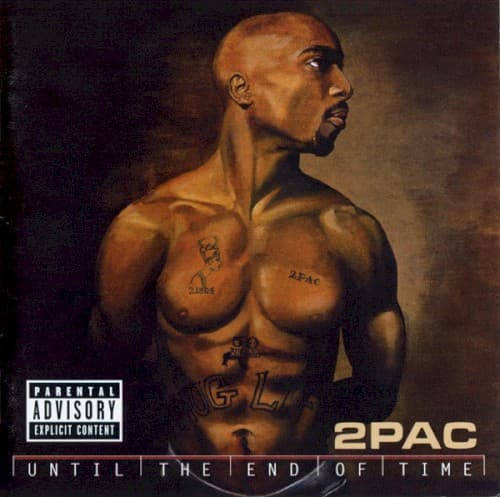
Rembrandt, Caravaggio, classical European portraiture, Renaissance humanism
Location
This cover transcends geographic specificity to claim Tupac as universal figure beyond West Coast borders.
Visual Language
The technique intentionally clashes high art tradition with hip-hop subject matter to claim equal historical importance.
Symbols
Classical profile pose
The side view mirrors Renaissance nobility portraits, elevating Tupac to historical figure status beyond contemporary rapper.
Exposed chest and tattoos
Vulnerability and authenticity clash with classical form, refusing to sanitize his street identity for posterity.
Upward gaze
Eyes fixed beyond the frame suggest prophetic vision and spiritual ascension beyond mortal concerns.
Where Sound Meets Image
The album's reflective, spiritual content matches the contemplative pose and reverent artistic treatment. Songs exploring mortality, legacy, and redemption align with the portrait's museum-worthy gravitas. The exposed tattoos keep the image grounded in Tupac's real body and biography while the lighting technique reaches for eternal themes. This visual perfectly captures the album's mission: preserving Tupac's voice and philosophy beyond death, treating unreleased verses as scripture rather than simple outtakes.
This cover established the template for treating deceased rappers as historical figures worthy of fine art treatment. It influenced how posthumous releases would be marketed—not as cash grabs but as cultural preservation. The painting approach has been echoed in Biggie tributes, Nipsey Hussle memorials, and countless tribute murals that dot hip-hop neighborhoods. It proved that hip-hop imagery could borrow from classical art without feeling forced or inauthentic.