Style & Context
Influences
Distressed graphic design, gospel iconography, late-90s hip-hop typography
Location
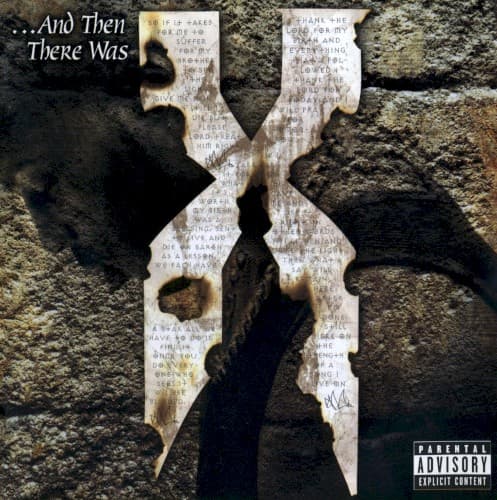
No neighborhood is shown; the stone texture points to a spiritual and institutional setting rather than a specific street.
Visual Language
The collage of paper, fire damage and masonry gives an abstract letter the weight of an artifact.
Symbols
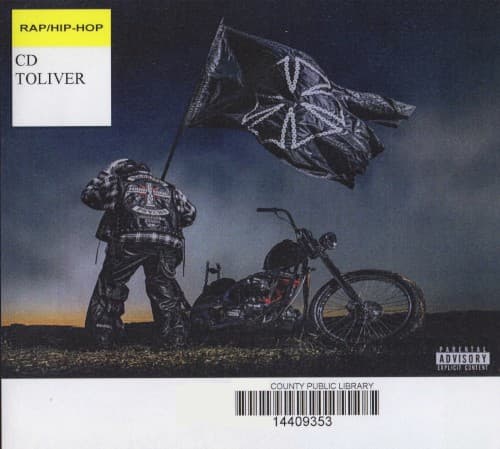
Burnt paper X
The charred letter treats the name as a document that survived a fire, hinting at pain and endurance.
Handwritten script
Small lines of handwriting fill the X, giving it the feel of a prayer or letter rather than branding.
Stone wall
Rough masonry suggests a prison wall, a church foundation or an ancient tablet.
Where Sound Meets Image
The scorched X fits an album that swings between aggression and spiritual reckoning, from "Party Up" to prayer-style tracks like "Prayer III." The handwriting on the letter reflects the confessional side of the music. The fire damage matches the rasp and intensity of his delivery.
The X-as-artifact concept gave DMX a lasting visual signature that later reissues and tributes have reused. It showed that a hardcore rap cover could be quiet and symbolic and still carry weight.