The Raw Power and Spiritual Turmoil of Earl Simmons
Few voices in hip-hop history carried the visceral intensity of DMX. Born Earl Simmons in Mount Vernon, New York, and raised in Yonkers, he emerged in the late 1990s as a force that bridged raw street aggression with profound spiritual questioning. His signature bark — a guttural, animalistic vocal signature — became instantly recognizable across radio and clubs, marking territory in an era dominated by glossy Bad Boy production and West Coast G-funk. Where others polished their delivery, DMX leaned into chaos.
His commercial peak between 1998 and 2003 remains unprecedented. Five consecutive number-one debuts on the Billboard 200, a feat unmatched at the time, established him as Ruff Ryders Entertainment's cornerstone artist alongside the label's growing roster. But numbers alone don't capture what made DMX resonate. His music functioned as public therapy — the snarling rage of "Ruff Ryders' Anthem" existed alongside the vulnerability of "Slippin'," creating a portrait of someone wrestling demons in real time. Listeners didn't just hear entertainment; they witnessed someone's battle with addiction, faith, and survival playing out over Swizz Beatz and Dame Grease production.
DMX represented a particular strand of late-90s East Coast hardcore that rejected materialism for something grittier and more conflicted. His work influenced a generation of artists who saw that commercial success didn't require abandoning intensity, that mainstream appeal could coexist with unfiltered emotion and spiritual desperation.
Bark, Breath Control, and the Sound of Spiritual Warfare
The DMX vocal approach was unmistakable: choppy, percussive flow patterns that emphasized consonants and explosive delivery over melodic cadence. He treated verses like physical confrontations, each bar a strike rather than a statement. That signature bark punctuated his tracks, functioning as adlib, battle cry, and psychological weapon simultaneously. Breath control became rhythmic element — the heavy panting, the growls between lines, the way silence could amplify tension before an outburst.
Production-wise, DMX thrived over skeletal, minimal beats. Swizz Beatz provided his most iconic backdrops: hollow piano stabs, sparse drums, eerie loops that left space for the vocal to dominate. Dame Grease crafted darker soundscapes, gothic organ progressions and minor-key melodies that emphasized the theatrical elements of DMX's persona. These weren't lush arrangements; they were frameworks for raw vocal performance. The production philosophy matched the artist — strip away ornamentation, let the emotion cut through unfiltered.
What separated DMX from contemporaries was the spiritual dimension of his sound. Gospel influences surfaced constantly, not as aesthetic choice but as genuine expression of faith conflict. Tracks shifted between violent street narratives and prayers for redemption, sometimes within the same song. This wasn't calculated genre-blending; it was an artist processing contradictions through music. The vulnerability in his delivery when addressing God felt as authentic as the aggression when addressing enemies. That duality — predator and penitent, street soldier and lost soul — defined his sonic identity more than any single stylistic element.
From Yonkers Streets to Five Consecutive Chart Dominations
DMX's path to prominence ran through Yonkers street corners and prison stints that delayed his recording career into his late twenties. Early appearances on compilation tracks and underground mixtapes built reputation before Ruff Ryders signed him in 1997. His feature on LL Cool J's "4, 3, 2, 1" alongside Method Man, Redman, and Canibus gave broader exposure, but the real arrival came with "Get At Me Dog" in early 1998.
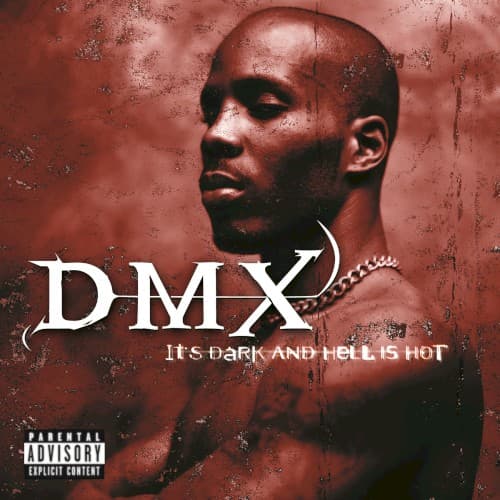
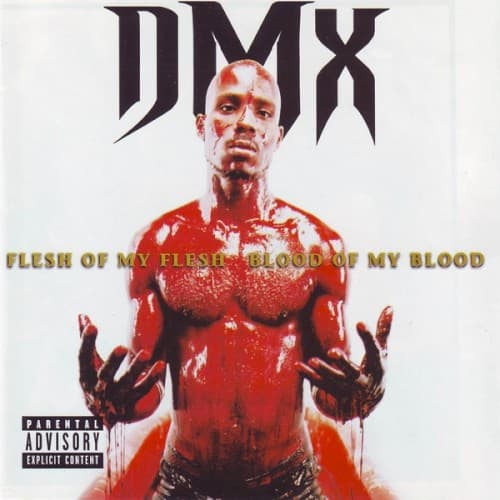
It's Dark and Hell Is Hot dropped in May 1998 and debuted at number one, moving over 250,000 copies in its first week. The album captured lightning — the menace of "Ruff Ryders' Anthem," the introspective "Damien" narrative, the stripped-down aggression that felt like reaction against the shiny-suit era. Critics and streets aligned in their reception. Before the year closed, DMX released Flesh of My Flesh, Blood of My Blood in December, repeating the number-one debut. Two chart-topping albums in seven months established him as hip-hop's dominant commercial force heading into 1999.
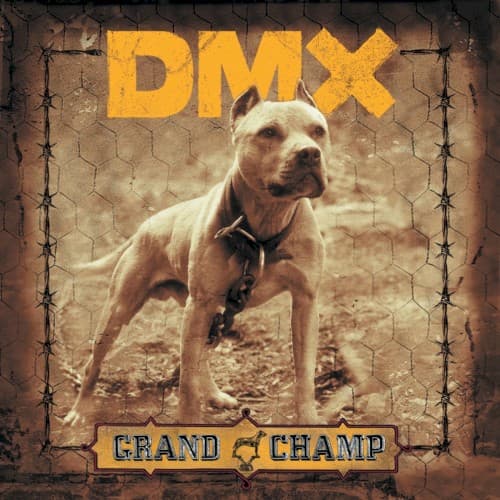
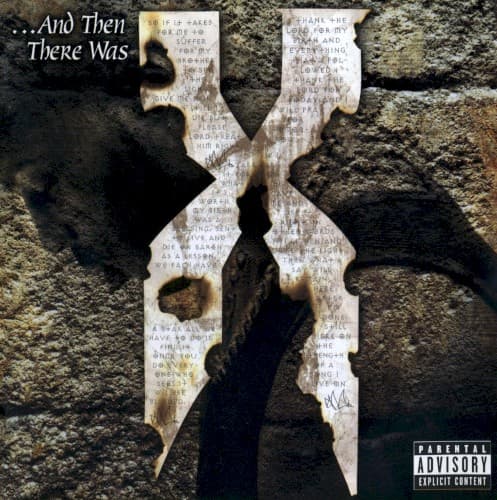
The run continued with methodical precision. ...And Then There Was X arrived in December 1999, delivering his biggest crossover hit "Party Up (Up in Here)" while maintaining the dark thematic core. The Great Depression followed in October 2001, then Grand Champ in September 2003 — all debuting at number one. Five albums, five chart toppers, five years. The consistency was mechanical. But commercial success came with visible personal cost. Legal troubles, substance abuse issues, and erratic behavior began overshadowing the music.
Post-2003, DMX's output grew sporadic and less focused. Year of the Dog...Again in 2006 broke his streak, and subsequent projects struggled to recapture either critical or commercial heights. Prison sentences interrupted momentum. The raw energy that fueled his peak became harder to sustain as personal battles intensified. Later-career work showed flashes — the 2012 mixtape The Weigh In reminded listeners of the voice's power — but consistent album-length statements proved elusive. His final years saw more attention on comeback attempts and personal struggles than new music, though his influence on younger artists remained audible across the genre.
The Enduring Impact of Hip-Hop's Most Tortured Warrior
DMX's influence extends beyond sales figures into how hip-hop processes vulnerability and aggression simultaneously. He demonstrated that commercial dominance didn't require polished personas or aspirational narratives. Artists from 50 Cent to Meek Mill to XXXTentacion drew from his blueprint of channeling pain into performance, of treating music as cathartic release rather than calculated product. The emotional rawness became template for generations of rappers who refused to separate their art from their trauma.
His impact on East Coast hardcore in the late 90s and early 2000s cannot be overstated. While Jay-Z refined street entrepreneurship and Nas elevated lyrical complexity, DMX represented uncut intensity — the artist who sounded like he had everything to lose with every verse. That desperation, that sense of music as survival mechanism rather than career move, influenced how authenticity was measured in hip-hop. Listeners trusted DMX because the pain felt undeniable, because the spiritual conflict seemed unresolved and ongoing.
When Earl Simmons passed in April 2021, the outpouring transcended typical celebrity mourning. Hip-hop recognized the loss of someone who never figured out how to reconcile their demons, who used music to process rather than resolve internal warfare. His legacy exists in that honest struggle — the reminder that artistic greatness and personal peace don't always coexist, that the same intensity that creates powerful art can destroy the person creating it. DMX's discography stands as both achievement and warning, proof that raw talent and commercial success can't heal wounds that run deeper than music can reach.