The scorecard
7.4/10 · Good
- Writing25%
- 7.0
- Production25%
- 7.5
- Delivery15%
- 8.5
- Cohesion15%
- 7.0
- Originality10%
- 6.5
- Replay value10%
- 7.5
The best verses on "Fame" and "Angel" turn DMX's preacher-and-sinner split into real argument, but the club-facing middle runs on slogans and repetition.
Swizz Beatz's stomping synth-and-drum frames on "Party Up (Up in Here)" and "Don't You Ever" give the album its muscle, while the Irv Gotti cuts add a softer second palette.
The bark, the whisper, and the sudden crack into a prayer are all in play, and he sells even thin hooks like "Make a Move" with sheer physical commitment.
Three skits, a bonus track and a stretch of mid-tempo filler between "Make a Move" and "Don't You Ever" blur an otherwise clean arc.
It widens the formula with the Sisqó pop hook and the Regina Belle duet, but the core sound repeats what the previous records already established.
The singles and the closing run still hold up, though several album cuts sound interchangeable on repeat listens.
DMX ...And Then There Was X: The Biggest Seller Is Not the Best Record
The most telling moment on ...And Then There Was X is how little the album needs its own hit. "Party Up (Up in Here)" is the song everyone knows, and it works by being almost nothing: a lurching Swizz Beatz beat, a chant, and a rapper who sounds like he is barking at a crowd from a hood. Everything the record gets right is in that one gesture, and so is what it gets wrong. DMX at his loudest is a force of nature, but a force of nature does not need forty minutes of songs built to the same blueprint.
My argument is simple: this is DMX's most successful album and a hit machine more than a great LP. It sold in numbers the genre rarely sees. It opened at number one with 698,000 copies in its first week and went on to five-times-platinum status in the US. That scale is earned by a handful of songs that fuse his menace with a hook anyone can shout. The rest of the album is the sound of a star being asked to repeat himself on schedule, and the repetition shows.
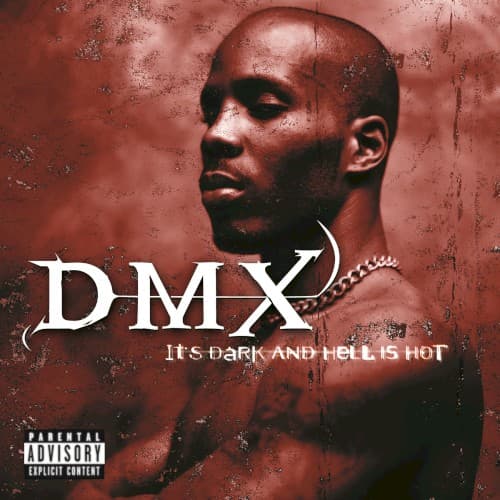
He had already made the harder, stranger record. It's Dark and Hell Is Hot is where the prayer and the violence fought for control of the same verse, and it is the sharper piece of work. Here the fight is staged more cleanly. The prayer is a closing-credits segment, the street records are the main event, and the pop crossover (a duet with Sisqó that scraped the Hot 100's top fifty) is a calculated move. None of that is a crime.
It is just a different, more commercial kind of album, and it deserves to be judged as one: strong when the beats and the voice lock together, forgettable when the formula runs on autopilot. The question for the next few paragraphs is how often it locks.
Swizz Beatz Builds the Cage, DMX Rattles It
The sound of the album is largely the sound of two producer camps. Swizz Beatz handles several of the heaviest cuts, including "One More Road to Cross," "Party Up (Up in Here)," "Don't You Ever" and "Comin' for Ya," and his approach is almost architectural: bare, loud, rhythmic, with synth stabs and drum hits left deliberately wide open so a voice can fill them. That suits DMX perfectly. The gaps in those beats are where his ad-libs, growls and breaths live, and on the best of them the arrangement and the performance feel like one instrument. P. Killer Trackz supplies a leaner, more traditional boom-bap-adjacent bed for tracks like "The Professional" and "Make a Move," and Dame Grease gives "Fame" and "D-X-L (Hard White)" a gritty, crowded energy that keeps the posse cut from going slack.
The softer palette comes from Irv Gotti, whose work on "What's My Name?" and "Angel" is the album's other half. These are the songs that make the case that DMX can carry melody and vulnerability without losing his weight, and "Angel" in particular lets Regina Belle sing the hook while he spends the verses weighing his conscience. It is the best illustration of the record's real subject, which is a man who cannot decide whether he is the aggressor or the one being hunted.
The writing is where the album stratifies. At his best DMX is a specific, harsh narrator whose rhymes carry weight because he frames rage as an argument with himself. On "Fame" and parts of "Angel," that tension produces real images and a moral through-line. On the middle stretch, though, he leans on cadence over content. A song like "Make a Move" has momentum and swagger and almost no new idea, and "More 2 a Song" gestures at depth without delivering much beyond the title's promise. The craft of the rhyming is rarely sloppy; the problem is that too many verses run on shouted attitude when a sharper detail was needed.
His delivery is the constant, and it is formidable. The rasp, the sudden drop into a whisper, the way a line will break into a bark mid-bar: no one else in rap used that physical range as grammar. It lets him sell weaker material, which is both a strength and a trap. When the voice can rescue anything, the album stops asking whether the material deserves rescuing. The guest list is also mixed. The pop turn with Sisqó on "What These Bitches Want" is a clever commercial hedge that borders on novelty next to the grim songs around it, while the LOX and Drag-On on "D-X-L (Hard White)" fit the label's family dynamic and keep the energy up.
The upshot is a well-built record with a dependable engine and a few sections where the engine is running without a destination.
Heavy Opening, Slack Middle, Prayer-Shaped Finish
As a sequence, the album front-loads its strength. The first stretch moves from the short skit into three hard-edged songs in a row, and that run has urgency, variety and a clear sense of who DMX is going to be for the next hour. After that, the pacing sags. The middle of the tracklist settles into a series of mid-tempo hard-edged songs that are individually competent and collectively samey. Three skits and a single-minded tempo make the record feel longer than it is, and the point where it should be gathering force is where it most plainly coasts.
The recovery comes late. The album tightens again from the Swizz Beatz cuts into a closing stretch built around a short prayer and a real emotional peak, and that structure is the most deliberate sequencing decision on the record. Placing the prayer before the ballad-leaning finish turns the last third into a confession rather than another round of threats, which matches the way the artist always worked: violence first, reckoning second. It is a smart shape, and it gives the album a reason to end where it does.
Whether the length is earned is a harder question. Eighteen entries, including skits and a bonus track, is a lot of runtime for a formula this consistent, and the album would land harder at around twelve strong songs. The hits are not the issue; they are spread across the running order well enough that the listener always has a reason to keep going. The issue is the quiet stretches between them, where the record asks for loyalty rather than rewarding attention. Compared with the focused menace of the debut-era records, this is a more crowded and more commercial sequence, built to deliver singles with enough supporting material to keep the shelf life of a blockbuster. As a streaming-era playlist it works better than as a front-to-back listen, which is the clearest sign of where its sequencing stands.
Great Singles, Good Album, Not the Best DMX
In the catalog, ...And Then There Was X sits below It's Dark and Hell Is Hot, which is rated 7.9 on this site, and the gap is deliberate. The earlier album has the stronger writing and the more unsettling atmosphere; this one has the bigger songs and the weaker filler. It is a very good commercial record that earned a Best Rap Album nomination at the Grammys, but a nomination is not the same as the best work, and the best work is elsewhere.
Who should start here? Anyone who knows DMX only through radio and wants more of that exact feeling. The singles are the hook, and the best album cuts reward the curious. Anyone who wants the version of DMX that wrestles with God and himself at length should start with the earlier record and come back. Casual rap listeners who find shouting wearing should skip the middle stretch and treat the album as a playlist.
It has aged unevenly but kindly. "Party Up (Up in Here)" remains a stadium-sized chant and the best argument for the album's existence. The pop-tinged cuts feel more of their moment, and the filler sounds like filler more clearly now than it did on release. Still, the best material has the staying power that mass-market records seldom keep, and the production by Swizz Beatz holds up as a template for stripped-down, hard-hitting rap.
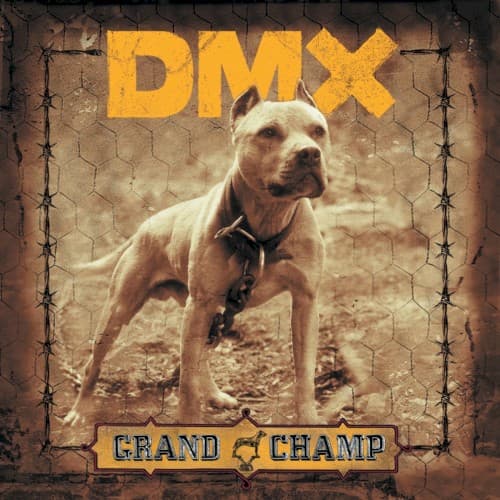
The three tracks to play first are "Party Up (Up in Here)," "Fame" and "Angel," which together cover the party, the argument and the confession. After that, go back to the earlier record for the fuller version of the artist's conflict, and then move to Grand Champ if you want to see what the formula sounds like once the sales and the novelty fade. The strongest thing this album proves is that DMX's voice could carry a blockbuster; the weakest is that it was never required to carry anything more.
Track by track
Track Listing
The Kennel (skit)
SolidA brief intro skit that sets a menacing tone and little else. It is atmosphere, not content.
One More Road to Cross
StandoutSwizz Beatz opens the album with a heavy, spacious beat, and DMX answers with controlled, rolling aggression. It is a statement of purpose more than a story, but the way the voice sits in the gaps of the production is the template for the whole record.
The Professional
StandoutA lean P. Killer Trackz beat gives DMX room to run on pure technique. It is a solid, workmanlike cut where the cadence does more than the ideas, and it sets up the run into "Fame" well.
Fame
StandoutOne of the album's sharpest writing moments. Dame Grease's gritty production supports a verse that treats celebrity as a pressure rather than a prize, and DMX's delivery tightens and loosens with the argument. It is the clearest evidence that the record can reach beyond party chants, and it deserves more attention than the singles get. The subject matter anticipates the self-examination of the closing run.
Alot to Learn (skit)
WeakA short skit that interrupts the momentum. Filler.
Here We Go Again
SolidA DJ Shok beat and a restless performance. It is competent and energetic, but it lacks a memorable hook or a distinctive image and sits as a pleasant stretch rather than a highlight.
Party Up
StandoutThe biggest song of DMX's career, per the fact sheet's chart numbers, and it earns the position through economy. Swizz Beatz leaves a stomping, nearly empty frame, and the rapper turns a simple chant into a crowd-control instrument. It is not lyrical in the traditional sense; it is rhythm and presence, and it has aged into a stadium staple. Few rap records achieve this much with so little ornament, and it is the clearest reason to hear the album at all.
Make a Move
SolidP. Killer Trackz supplies another tough, mid-tempo bed. DMX sounds committed, but the verses feel like variations on earlier tracks, and the hook does not stick. One of the first signs of the sag.
What These Bitches Want
SolidThe Sisqó collaboration is a pop move, plain and simple, and a deliberate crossover bid that reached the Hot 100's top fifty. Nokio's production is glossy and the hook is smooth, and DMX's verses are tailored to fit the radio-friendly frame. It is catchy and unbalanced next to the grimmer songs, and it works better as a single than as part of the album's mood.
What’s My Name?
StandoutIrv Gotti and Self Service build a bouncy, accessible beat, and DMX switches to a looser, more conversational flow for the lead single. It trades some of his weight for charm, and the shift shows range. A decent single that is better in the context of the radio than the album.
More 2 a Song
SolidA P. Killer Trackz track that reaches for depth. The performance is committed, but the writing mostly restates what the title promises instead of proving it. Fine, forgettable.
Don’t You Ever
StandoutSwizz Beatz again, with a punchy, minimal arrangement that restores some of the album's menace after the mid-record lull. The verses are blunt and rhythmic, built more on attitude than detail, but the beat gives them real force. A good bounce-back point in the sequence.
The Shakedown (skit)
WeakAnother skit in a record that already has too many. It adds nothing and slows the run toward the posse cut.
D-X-L (Hard White)
StandoutThe posse cut, with The LOX and Drag-On joining over a Dame Grease beat. The energy is high, the trade-offs are tidy, and the family-roster feel is a fair reflection of the label's identity. It is more about camaraderie than craft, but it works as a burst of momentum.
Comin’ for Ya
StandoutA Swizz Beatz track that leans into rumble and repetition. DMX stays locked to the pulse, and the song is effective in the way a good shouting match is effective: loud, rhythmic, short on subtlety. Strong, not essential.
Prayer III
StandoutA short, spoken prayer that reframes the record. It is brief, sincere and structurally important, because it turns the closing stretch from aggression to reckoning. This is the part of the DMX formula that other rappers rarely tried.
Angel
StandoutIrv Gotti builds a spacious, emotional backdrop, and Regina Belle's hook gives DMX a place to drop his guard. The verses weigh guilt and tenderness against the music he is known for, and the length gives the song room to breathe. It is the album's best argument for his range, and the clearest sign that he could have made a more reflective record than the market asked for.
Good Girls, Bad Guys
SolidA bonus track with Dyme, produced by P. Killer Trackz and Charly Charles. It closes with a lighter, more melodic mood that does not match the weight of what precedes it. Pleasant but peripheral, and the album ends better without it.
Frequently Asked Questions
Is DMX's ...And Then There Was X a good album?
How well did ...And Then There Was X sell?
What is the best song on ...And Then There Was X?
Styles