Style & Context
Influences
punk zines, Duchamp readymades, institutional critique art, xerox aesthetics
Location
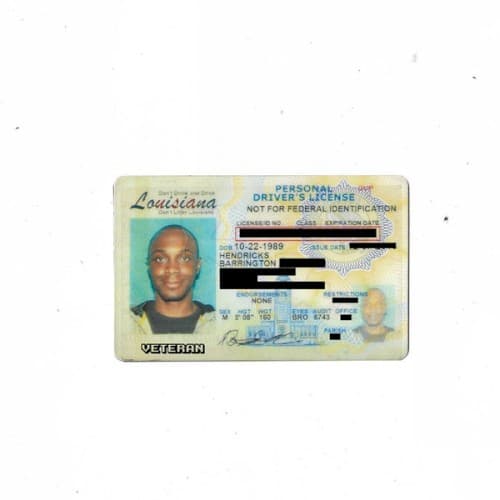
This raw documentation reflects post-Katrina Louisiana's complex relationship between Black communities and state institutions.
Visual Language
The unmanipulated scan aesthetic channels punk's DIY ethos into digital-age identity politics.
Symbols
Driver's License Format
The official ID card format rejects rap's glamour economy and celebrity posturing entirely.
'VETERAN' Label
Military service documentation becomes a loaded signifier of institutional complicity and personal trauma.
Personal Information Redaction
Black bars protect privacy while highlighting surveillance culture's grip on Black identity.
Where Sound Meets Image
The bureaucratic document perfectly mirrors Veteran's chaotic, sample-heavy production that weaponizes found sounds and digital detritus. Just as the music collages news clips, military sounds, and glitched electronics into abrasive political statements, the cover appropriates state documentation as raw material. Tracks like 'I Cannot Fucking Wait Til Morrissey Dies' share the cover's confrontational directness, while the ID format reflects the album's themes of institutional violence, Black masculinity under surveillance, and the contradictions of serving systems designed to oppress.
This cover helped establish anti-aesthetic documentation as a valid approach for experimental hip-hop in the Instagram age. The raw ID scan influenced a wave of artists who rejected visual polish for archival imagery, surveillance aesthetics, and bureaucratic documentation. It proved album art could challenge viewers through radical simplicity rather than maximalist design, opening space for covers that function as conceptual statements rather than promotional imagery.