Scorecard: 8.2/10 · Great
How we score- Writing(25%)
- 8.5
Precise street narratives delivered with controlled detail: every verse stays grounded in specific moments and amounts without veering into empty boasting.
- Production(25%)
- 9.0
Daringer and The Alchemist build minimal, menacing loops that never waste a sound—'Rubber Bands & Weight' and 'Fifty One' prove less is more when the drums hit this hard.
- Delivery(15%)
- 8.0
Benny raps like he's testifying under oath: steady cadence, zero wasted syllables, enough charisma to carry fourteen tracks without hooks or vocal tricks.
- Cohesion(15%)
- 7.5
Two producers and one mood hold the whole album together, though three or four tracks in the middle blur into each other without strong enough hooks to separate them.
- Originality(10%)
- 7.0
Buffalo's answer to Mobb Deep's Queensbridge grimness: the aesthetic is deliberate throwback, executed well enough that it doesn't feel like cosplay.
- Replay value(10%)
- 8.0
The hooks are sparse but the verses reward repeat listens—lines that seem simple on first pass reveal tighter internal rhymes and sharper images the third time through.
Benny the Butcher Tana Talk 3 — When Hunger Sounds Like Proof
The case for Tana Talk 3 rests on what it refuses to do. No sing-song flows chasing playlists, no guest verses from anyone with a Top 40 run, no beats that could work on another rapper's album. Benny the Butcher arrived in late 2018 with a 48-minute argument that the Mobb Deep template still worked if you had the details and the discipline, and he had both. This is his debut studio album, released through Griselda Records after years of underground work, and it sounds like someone who spent that time sharpening one tool until it could cut through anything.
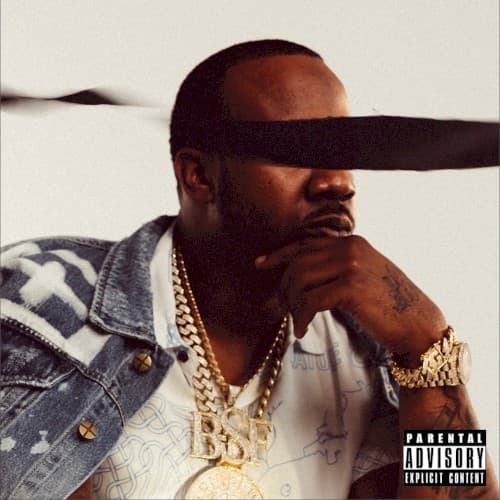
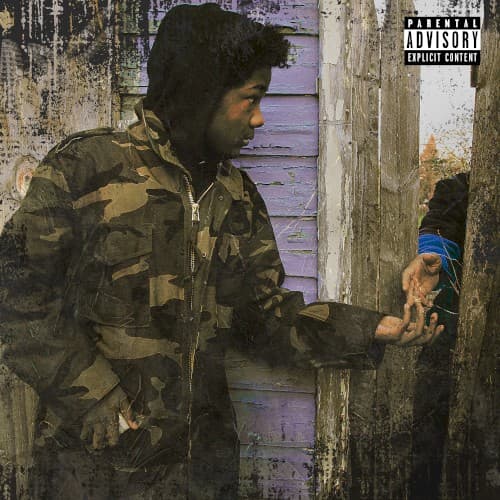
The thesis is in the title: Tana Talk, named for Montana Avenue in Buffalo, the third installment and the first with budget enough to lock Daringer and The Alchemist in for the whole project. What separates this from the dozens of other 2018 releases trying to resurrect 90s New York grit is that Benny never sounds like he's performing nostalgia. He raps about weight and money and risk with the exhausted precision of someone who knows exactly how much a mistake costs, and Daringer's production gives him the space to lay it out without drama. The album cover is a baby painting of his deceased older brother Machine Gun Black, and that tells you what kind of record this is: a debt paid in full, no wasted words.
The Sound of Nothing Moving Too Fast
Daringer handles ten of fourteen tracks and establishes the template on the first real song, Goodnight: a skeletal piano loop, drums mixed low and hard, no bassline fighting for space. The Alchemist takes four tracks and works the same way, building Rubber Bands & Weight around a murmured soul sample that never resolves and never needs to. Both producers understand that Benny's writing does not need help—the verses are the event, and the beats are the frame. When The Alchemist and Daringer combine efforts on '97 Hov, the result is the album's cleanest moment: a guitar lick that circles back every eight bars, drums that punch once and vanish, and Benny describing mid-90s Roc-A-Fella ambition as a measuring stick he can reach now. The production across the album is so consistent in tone that the sequencing barely matters; you could shuffle the middle eight tracks and lose nothing.
Benny writes like someone who expects to be cross-examined. Every claim comes with an amount, a location, a year. He doesn't reach for metaphor when the fact is sharper: he names the cars, the corners, the prices. On Joe Pesci 38 he lays out a deal going wrong with enough specificity that you can see the table, and on Rick he explains why he named a song after a plug instead of after himself. Royce da 5'9
How Fifty Minutes Earns Its Length
The album is front-loaded by design. The first stretch establishes the sound and the stakes, and by the middle section the mood is locked. Guest appearances add color without shifting the frame, and the album coasts from there. The middle sags slightly: the sequencing places solid-but-not-essential moments between sharper work and the closing run. The final track earns its spot by being the only moment where Benny sounds like he's passing the torch instead of holding it.
The album's length is a weapon, not a mistake. Forty-eight minutes of the same tempo and the same mood should drag, but Benny's verse construction is varied enough that the repetition feels intentional. He switches between first-person recollection and direct address, between completed stories and half-told warnings, and the beats give him room to shift gears mid-verse without a hook to interrupt. By the time the album ends, the lack of obvious singles starts to feel like the point: this is a body of work designed to be heard straight through, not a playlist feeder.
Where It Lands in the Griselda Catalog
Tana Talk 3 is Benny's best album and the best case for the Griselda aesthetic. Burden of Proof, released two years later with Hit-Boy handling production, has higher peaks and better hooks, but it lacks the focus that makes this debut feel airtight. This is the album where Benny proved he could carry a full project without switching lanes, and the restraint pays off: no filler masquerading as variety, no guest verses papering over weak writing, no beats trying to do the rapping for him. It ranks among the best street rap albums of the streaming era because it understands that streaming rewards albums with no skips, and this has maybe two.
This album is for listeners who want rap that sounds like testimony instead of performance, and who can handle fourteen tracks at the same tempo without needing a palette cleanser. Start with Joe Pesci 38 for the clearest example of Benny's writing, then play Rubber Bands & Weight for The Alchemist at his most patient, then commit to the full album if those two work. Skip it if you need hooks or vocal variety; Benny offers neither. For fans of Griselda's other work, play Westside Gunn's Supreme Blientele next for the same producers with more chaos, or Conway the Machine's Everybody Is F.O.O.D. series for the same griminess with sharper punchlines. Tana Talk 3 aged well because it never chased a moment—it built one and refused to leave until the work was done.
Track Listing
Intro: Babs
●Keisha Plum delivers a spoken-word testimony over Daringer's muted piano: this is the thesis statement as a prayer, setting the stakes before Benny says a word. The production is minimal to the point of absence, which makes the voice the entire focus. It works as an intro because it establishes grief and purpose without trying to be a song.
Goodnight
▲The album's first full track lays out the template: Daringer's skeletal piano loop, drums mixed low, no bassline, and Benny describing the work with accounting precision. He raps about moving weight and avoiding informants with the tone of someone filing a report, and the lack of a hook forces every line to earn its place. This is where the album announces what it will and will not do, and it never breaks the promise.
Scarface vs. Sosa, Pt. 2
▲Benny uses the Scarface versus Tony Montana framework to examine two models of ambition, and he picks Scarface because survival matters more than the peak. Daringer builds the beat around a looped string sample that never resolves, which mirrors the lyrical argument: there is no clean ending, only the next move. The writing is sharp enough to justify the concept without leaning on the movie references as a crutch.
Rubber Bands & Weight
▲The Alchemist's first contribution is the album's most patient beat: a murmured soul sample, barely-there drums, and Benny rapping like he has all the time in the world because he does. He describes the mechanics of the work—counting, wrapping, moving—without glamorizing any of it, and the production gives him the space to lay out the routine without rushing to a punchline. This is the sound of labor, not celebration.
Fast Eddie
●Daringer loops a jazz sample and lets it breathe for nearly five minutes while Benny works through the Eddie DeBartolo crime family story as a parallel to his own rise. The verse is dense with internal rhymes and the flow never stumbles, but the track runs long without a hook or a bridge to break it up. Solid writing, but the length works against it.
Broken Bottles
▲The Alchemist builds a haunted loop—vinyl crackle, muted horns, drums that hit once and disappear—and Benny uses it to examine paranoia and survival. The second verse describes a deal going bad with enough detail that you can see the room, and the hook is just a repeated phrase instead of a melody. This is one of the album's most replayable tracks because the mood matches the content perfectly and neither overstays.
Echo Long
●Meyhem Lauren and Westside Gunn add guest verses that color inside the lines: Meyhem delivers food-and-luxury bars over Daringer's muted soul loop, Westside Gunn brings his usual ad-libs and fashion references, and Benny holds the center with a verse about moving work through trusted channels. The track works because the guests don't try to shift the mood, but it's not essential—remove it and the album loses nothing structurally.
'97 Hov
▲The Alchemist and Daringer combine for the album's cleanest production: a looped guitar lick that circles every eight bars, drums that punch once and vanish, and Benny using mid-90s Jay-Z as the measuring stick for his own ambition. The writing is economical—he makes the Roc-A-Fella comparison in two lines and moves on—and the beat gives him room to shift cadences mid-verse without a hook to interrupt. This is the album's most focused track, no wasted motion.
Joe Pesci 38
▲The lead single and the album's thesis in miniature: Daringer builds a menacing piano loop, Benny describes a deal going wrong with courtroom precision, and the lack of a hook forces every line to carry weight. He names the mistake, the consequence, and the lesson, and he delivers it all with the flat affect of someone who has told this story enough times that the drama is gone. The writing is as sharp as anything on the album, and the beat never tries to compete with it.
Who Are You
●Royce da 5'9
Fifty One
●The Alchemist loops a dusty soul sample and Westside Gunn opens with a verse that almost derails the track—his ad-libs and fashion bars feel like a different album trying to break in. Benny's verse rescues it by returning to the ground: he describes the work, the paranoia, the math. The beat is patient enough to let both rappers breathe, but the tonal clash between Gunn's performance and Benny's restraint makes this one of the album's weaker moments despite strong production.
Rick
▲The first single, released a year and a half before the album, and it holds up: Daringer builds a stark piano loop and Benny explains why he named a song after his plug instead of after himself. The writing is dense with internal rhymes and the verse never wastes a bar on setup or summary. This is Benny at his most efficient, delivering a complete narrative in under four minutes with no hook and no guest verse to split the focus.
Langfield
●A short, somber Daringer beat and Benny reflecting on the cost of the work: friends lost, time lost, trust broken. The writing is solid but the track feels like an interlude stretched to song length—two minutes and fifty-one seconds that could have been half that and hit harder. It doesn't drag, but it doesn't justify its place between the sharper Rick and the closing statement of All 70.
All 70
▲Conway the Machine closes the album with a verse that matches Benny's tone: controlled, specific, no wasted syllables. Daringer builds the darkest beat on the album—low piano, slower drums, no relief—and both rappers use it to deliver what feels like a final accounting. Conway's verse is technically sharper than Benny's, which makes this the only track where Benny sounds like he's sharing the stage instead of owning it, but the chemistry justifies it. The album ends on testimony, not celebration, which is the only way this record could close.