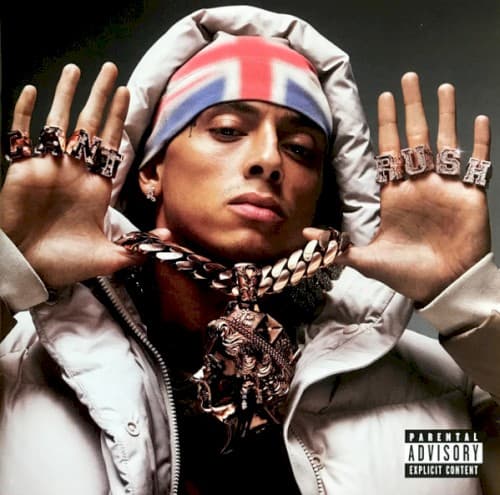
The scorecard
6.6/10 · Good
- Writing25%
- 6.5
- Production25%
- 7.0
- Delivery15%
- 7.0
- Cohesion15%
- 6.0
- Originality10%
- 6.5
- Replay value10%
- 6.5
Central Cee's dry, conversational bars land best when he undercuts his own hype, as on 5 Star, but several verses stay at the level of flexing and relationship talk.
The beats are glossy and drill-adjacent with real range, from the saxophone on Up North to the R&B sample under Truth in the Lies, and they are the album's most reliable strength.
His cool, understated cadence is instantly recognizable and rarely forced, though it sounds similar from song to song, and the guests on GBP and CRG supply more variety.
Seventeen tracks with a polished front half and a softer, less urgent back half; the second stretch loses the momentum the opening builds.
The mix of UK drill restraint, US guests and Latin-leaning pop crossover is a deliberate global pitch, even if each individual idea is borrowed from somewhere else.
Projection for a recent release: the singles and the collaborations with Dave and 21 Savage should keep circulating, while the middle of the album is easier to skip.
Central Cee Can't Rush Greatness: A UK Debut Built for the Whole World
Can't Rush Greatness is the sound of a British rapper deciding that his home accent can travel without being sanded down. Central Cee spent two years turning a run of singles into international attention, and this debut is the document of that decision: calm drill-adjacent beats, American guests on equal terms, and a Latin-leaning collaboration that treats the crossover as routine. The thesis is that the album wins on poise and reach, loses on stamina, and is the best argument yet that UK rap can sit at the center of the global market instead of the edge of it.
The numbers support the ambition. According to the fact sheet, the album went to number one in the UK and entered the American Billboard 200 at number nine, the first top-ten there for a UK rap album. It also topped charts across several European countries, which is the part that matters most for a global-rap reading. This is not an export that required Cee to rap like an American; the delivery is still recognizably London, flat and wry, and the audience came anyway.
What the album does less well is explain why it needed seventeen tracks. The opening run is sharp, built around short songs and clear hooks, and the later stretch settles into a softer, more uniform register where the energy thins out. A critic quoted in the fact sheet made the same point about struggling to maintain momentum, and it is a fair complaint. The lyrics also vary in quality, moving between sharp, self-aware lines and routine boasting.
Still, it is a confident first major-label release with real moments. The best songs are efficient and polished, and they make the case that his understated approach is a strength. Greatness may not need rushing, but the sequencing needed a firmer hand.
Understatement as an Export: Beats and Bars That Travel
The production is the album's clearest asset, and it is also where the global framing is most convincing. The fact sheet cites a British GQ description of the instrumentation as luxurious and drill-adjacent, with samples ranging from Brazilian funk to 2000s R&B, and that is an accurate summary of the sound. The beats keep the cold, skeletal bounce of UK drill but dress it in warmer textures: a saxophone on Up North, a recognizable R&B interpolation behind Truth in the Lies, and glossy synth work throughout. Dozens of producers are credited, yet the mix, handled by the same engineers across most of the record, keeps them in one room.
Central Cee's delivery is the other pillar. He raps in a low, unhurried, slightly sardonic voice that never pushes, and it is that restraint that allows him to sit comfortably beside American guests without sounding outgunned. Compare that with the more forceful approach of US drill or the shouted energy of grime, and the difference is clear: he sounds like someone who knows the beat will do the work. The limitation is range. Over seventeen songs the same cool register begins to flatten, and the moments of real urgency come mostly from guests.
The writing is competent and occasionally sharp, but inconsistent, which is exactly what several critics in the fact sheet noted. At his best he is dry about his own success, and the opening tracks use that self-awareness to good effect. The album also contains a pointed shot at a fellow UK rapper over an old awards loss, which prompted a public reply from the other artist; as a piece of writing it is petty and efficient, and it generated more attention than most of the songs. Elsewhere, the verses fall back on status talk and relationship material that does not stand out from similar records on either side of the Atlantic.
The guest list is a strategic map of the album's audience: Dave and Skepta for the UK, 21 Savage and Lil Baby and Lil Durk for the United States, and Young Miko for a Latin crossover. Most of these pairings feel purposeful rather than decorative, and the album's global identity depends on them. The contrast with the home-grown tone of his earlier work is intentional, and the fact sheet quotes him saying that this project marks a move from guy in the studio to artist.
Overall the album is polished, well-organized and confident, with a distinctive voice and a production budget that shows. What it lacks is the lyrical weight to match its sound, and the editing that would have made the second half as sharp as the first.
A Strong Opening Run and a Back Half That Cools Off
The sequence is front-loaded, and that is both its strength and its problem. The opening stretch moves fast: short songs, quick hooks, and a mix of UK and American voices that establishes the album's range within the first third. Several tracks run under three minutes, and the pace feels purposeful, with each song making its point and giving way to the next. A listener who stops at the halfway point would come away with a very good impression.
The middle of the album is where the architecture starts to show. A run of collaborations arrives in quick succession, each with its own energy, and the result is a pleasant but slightly scattered set in which the album's identity is carried more by the guests than by the host. The pairing with Dave is a clear highlight, and the later tracks lean on a similar mood without matching its tension. This is also where the global concept stretches thin: the Latin-leaning cut and the American-aimed singles sit together without a clear logic about why they are in this order.
The back half softens. The later songs shift toward a more melodic, more emotional register, which should provide contrast, but the tempo and tone are close enough to each other that they blur. The closing stretch is competent and polished and lacks the sharp edges of the opening. By the final track the album feels as though it is winding down rather than concluding.
At seventeen tracks, the length is not entirely earned. The record would work better at around thirteen or fourteen, with the weaker mid-tempo cuts removed. The brevity of individual songs helps, because nothing overstays its welcome, but the cumulative effect is of a long playlist rather than a shaped album. The fact that a critic described it as struggling to keep momentum is hard to argue with.
The Best Case for UK Rap on the World Stage, Short of a Classic
Can't Rush Greatness is a good album and a significant one. The catalog context lists no other Central Cee albums, so the ranking here is against the genre, where it sits in the upper-middle of recent debuts: polished, confident and clearly aimed at a global audience. Within the UK scene it is among the most ambitious major-label rap debuts, and its chart results show that the ambition paid off. Compared with the earlier project 23, it is glossier and more expensive-sounding, while the earlier record is the better document of where he came from.
The album is for listeners who want to hear UK rap in its most polished and international form, and for anyone who enjoys a restrained, melodic approach to drill-adjacent beats. It is a good starting point for American listeners curious about the UK scene. It is less suited to people who want dense lyricism or a tightly shaped album, and anyone who prefers the rougher, more local sound of his earlier work may find this one too smooth.
As for aging, this is a recent release, so any prediction is a projection. The production should hold up because it is built from durable materials, and the best collaborations are likely to stay in circulation. The weaker mid-tempo tracks will probably fade.
Start with CRG, GBP and Band4Band, which together show the album's UK, American and pop-crossover sides. For a next step, listen to Dave for a more lyrically demanding take on UK rap, and to Skepta for the grime lineage that made this kind of crossover possible. Can't Rush Greatness ends up as a debut that proves a British rapper can reach the top of the world's charts without changing his voice, which is an achievement that holds regardless of the album's flaws.
Track by track
Track Listing
No Introduction
StandoutA short, confident opener that sets the tone with a spare beat and a dry, unhurried verse. It does exactly what the title promises, dropping the ceremony and getting straight to the rapping.
5 Star
StandoutA sharp, self-aware track that became the album's most talked-about moment because of a swipe at a fellow UK rapper over an old awards loss, which drew a public reply. As music it is compact and efficient, with a tight beat and a confident flow. The shot is petty, and Cee seems to know it, which is part of what makes it work. It is one of the album's best examples of dry humor and the strongest song of the opening run.
Gata
StandoutYoung Miko joins on a Latin-leaning track that signals the album's global ambition. The beat has a warmer, more rhythmic feel than the tracks around it, and the vocal contrast works well. It is a pleasant change of pace, though neither artist pushes the idea very far.
St. Patrick’s
SolidA compact, melodic cut with a smooth beat and a laid-back flow. The hook is catchy and the runtime is tight, but the verses do not add much beyond mood.
GBP
StandoutThe collaboration with 21 Savage pairs two British-born rappers on a spare, menacing beat that sounds like drill stripped to its essentials. Savage's flat, ominous delivery contrasts with Cee's lighter touch, and the two trade verses with real chemistry. The song is short and efficient, and it works as both a statement of intent and a bridge between the UK and American audiences. It is one of the clearest examples of the album's global thesis and a deserved single.
Top Freestyle
StandoutA loose, bar-focused track that lets Cee rap without a hook to lean on. The beat is minimal and the delivery is relaxed, which gives it a looser, more personal feel than the polished singles around it. A welcome moment of rawness.
Up North
StandoutA saxophone gives this track a distinctive, almost jazzy texture that sets it apart from the drill-adjacent beats elsewhere. Cee's delivery stays understated, and the song makes good use of its short runtime. A pleasant surprise and one of the better examples of the album's production range.
CRG
StandoutDave joins Cee on the title-linked track, and the pairing is the album's strongest collaboration. The beat is moody and spacious, and Dave's more dense, lyrical approach contrasts well with Cee's understated flow, making both voices sound sharper. It debuted high on the UK singles chart and deserves the placement. It is the clearest case of the album matching its own ambitions, with two UK rappers at ease on a global-sounding production.
Limitless
SolidA polished, melodic cut that premiered shortly before the album and pushes toward a more emotional register. The beat is lush and the hook is warm, though the verses stay on familiar ground. A solid mid-album track that fits the glossy tone.
Now We’re Strangers
SolidA reflective track about a relationship that has ended, with a slower tempo and a more vulnerable tone. The mood is sincere and the production is restrained, but the writing is conventional and the song drifts. It is a fair attempt at emotional range that does not quite land.
Truth in the Lies
StandoutLil Durk joins on a track built around a sample of a Ne-Yo song, which gives it a distinctive R&B-leaning warmth. Durk's melodic, strained delivery contrasts with Cee's cool approach, and the sample adds weight without overwhelming either rapper. It is short, focused and one of the better collaborations in the second half.
Ten
StandoutSkepta appears on a short, punchy track that nods to the grime lineage behind UK rap's global rise. The beat is tight and the two voices complement each other, though the song is over almost before it begins. Brief, sharp and effective.
BAND4BAND
StandoutThe lead single, with Lil Baby, reached the top three in the UK and became the highest-charting UK rap song on the American Hot 100. The beat is bouncy and the hook is simple, and the two rappers trade verses with an easy, relaxed energy. It is not the album's deepest song, but it is a clean, well-made pop-rap crossover that did exactly what it was built to do.
Gen Z Luv
SolidA melodic, relationship-focused single that charted in the UK. The hook is catchy and the beat is smooth, though the writing is lightweight and the song fades quickly.
Walk in Wardrobe
SolidA glossy, slightly playful track with additional vocals from the streamer Kai Cenat. The beat is bright and the mood is light, but the song is more of a curiosity than a highlight. Pleasant and disposable.
Must Be
SolidA quiet, mid-tempo track that continues the softer mood of the back half. The beat is smooth and the delivery is relaxed, but nothing about it stands out.
Don’t Know Anymore
SolidThe longest track on the record closes the album on a reflective, emotional note. The melody is wistful and the pace is slow, which suits the ending, but the song stretches a thin idea over nearly four minutes. A fitting but slightly underpowered finish.
Frequently Asked Questions
Is Central Cee's Can't Rush Greatness good?
What are the best songs on Can't Rush Greatness?
How did Can't Rush Greatness perform on the charts?
Styles