The scorecard
6.9/10 · Good
- Writing25%
- 5.5
- Production25%
- 8.0
- Delivery15%
- 7.0
- Cohesion15%
- 6.5
- Originality10%
- 8.0
- Replay value10%
- 7.0
Hooks like the ones on I Don't Like and Love Sosa are blunt, chantable and memorable, but verses rarely develop an idea past a boast or a threat.
Young Chop's slow, heavy synth-and-drum builds on Love Sosa and Hallelujah gave Chicago drill its sound, even if the outside producers add little.
Keef's slurred, affectless drawl narrows his range across the album, though it turns indifference into a hook on I Don't Like and Hate Bein' Sober.
The first third is airtight and the mood holds across the runtime, though the guest-heavy middle and late-placed remix interrupt the spell the opening built.
Measured against late-2012 rap, the cold, unhurried affect and the tempo of its best songs sounded unlike anything on the radio.
The singles and a handful of deep cuts hold up, while the weaker tracks make a full front-to-back listen less rewarding.
Chief Keef Finally Rich: The Sound of a Teenager Who Refused to Perform Feeling
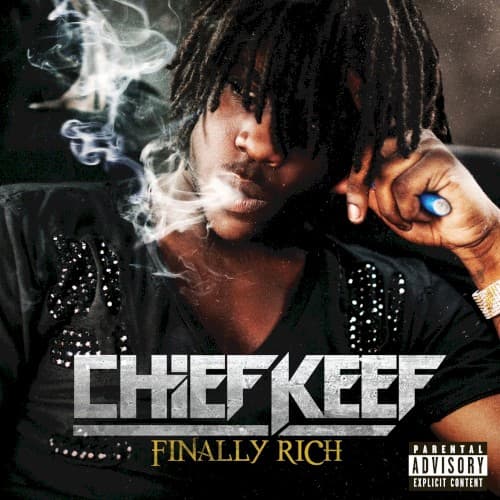
Finally Rich is built on a trick that should not work for a full album: it asks you to enjoy a rapper who sounds as though he would rather not be speaking at all. Chief Keef slurs, drags syllables and drops his voice into a flat, heavy murmur, and the effect on the best songs is hypnotic. Love Sosa and I Don't Like turn that indifference into hooks, and the rest of the record is a long experiment in how far the same mood can be stretched. The album is a landmark of attitude and sound, but not a landmark of songcraft, and those two facts explain every reaction to it.
The context is a rapper who had been circulating mixtape material and was then moved onto a major label. The fact sheet notes that the album was originally planned as a mixtape, and it still plays like one: loose structure, a handful of guests slotted in, and a core of songs that matter far more than the rest. That is not necessarily a flaw. The mixtape feel is part of why the record sounds so raw.
Critics at the time split sharply. Some heard a bleak, one-note teenager; others heard a new kind of pop star. Both camps were describing something real. What the album does better than almost any debut of its moment is to commit entirely to a single temperature. It does not apologize, explain or reach for a story arc, and that refusal is both its power and its limit.
It also marks a turn in rap's geography. Where Southern trap had set the template for gloomy, menacing street records, Keef's Chicago version stripped the template down and slowed the delivery. The music influenced a generation of younger rappers, which is why the album now carries more weight than its original reviews suggested. It is a thin album with a thick footprint, and the rest of this review separates the two.
Heavy Synths, Flat Voice, Almost No Wasted Motion
Young Chop is the architect of the record, and the fact sheet confirms that the bulk of the production is his. His beats are the album's real argument. Slow, mid-tempo drums sit under big, ominous synth lines, and the pockets are wide enough that Keef can wander through them without hurrying. The sound is menacing without being busy, and it gives the whole record a physical weight. Hallelujah and Love Sosa show the formula at its sharpest: a few elements, a heavy low end, and room for the vocal to become another instrument.
Keef's delivery is where most of the debate lives. He raps in a slurred monotone that rarely changes pitch or urgency, and in less skilled hands that would be a liability. Here it is a choice, and it works because the beats and the ad-libs reinforce it. The refusal to emote becomes the emotion, a cold stare set to music. The weakness is range. Across twelve tracks, a listener starts to wish for a single moment of vulnerability or surprise, and the record rarely supplies one.
The writing is the least developed part of the package. Keef favors short lines, repeated phrases and direct statements about money, guns and enemies, and the hooks stick because they are simple. Over a full verse, though, the ideas often run out. A few songs go through the motions of a boast with no detail to hold onto, and the cumulative effect is of a record that states its attitude loudly and then restates it. That is the most common criticism of the album, and it is a fair one.
The outside producers broaden the sound a little, but they also dilute it. Tracks built by other hands lean toward a more generic trap sheen, with brighter keys or busier drums, and they sit slightly apart from the Chop-built core. They are not bad, just less distinctive. The guest list is also uneven. Some collaborators lift a song, others pull Keef into a more conventional register where he sounds less like himself.
What holds the project together is its consistency of tone. Even when the writing is thin, the voice, the beats and the mood agree with each other, and that agreement is what gives the album its pull. It is a record that works as a mood far more than as a collection of verses.
A Front-Loaded Run and a Middle That Loses the Thread
The sequencing of Finally Rich is a case study in front-loading. The opening stretch moves from a signature hook to a church-bell-heavy follow-up to the lead single, and by the time the third song ends, the album has established everything it will ever say. That run is as strong as any three-song opening from a rap debut in its year, and it explains why the project felt so immediate.
After that peak, the record spends time in the middle without matching the energy. The guest verses and shifts in producer break the spell a little at a time. The tempo stays similar, the mood stays similar, and without strong hooks to anchor them, the songs blur together. A skeptic could call the second half repetitive, and a fan could call it consistent. Both are correct, and the difference is how much patience you bring.
The late-album remix and the closing title track pull the sound back toward the opening mood. The title track in particular lands as a moment of reflection that the rest of the record keeps at arm's length. It is the nearest the album comes to acknowledging what its title means, and it works because it arrives after so much distance.
At twelve songs and a little over forty minutes, the album is not long, but it feels longer than its runtime because the emotional register barely moves. A more varied sequence, with a slower, more exposed song somewhere in the middle, would have given the front-loaded hits more contrast. As it stands, the album is best understood as three or four essential songs surrounded by a steady, mood-matching supporting cast. That structure is typical of a mixtape-turned-album, and it is the main reason the full run does not match the best individual moments.
Essential Songs, Uneven Album, Enormous Footprint
Finally Rich is a very good rap record that stops short of a great one. No other Chief Keef albums are rated on this site yet, so the placement is relative to the genre: the singles and the best Young Chop beats belong among the defining tracks of their era, while the weaker songs keep the project in the good-to-strong band and not the essential one. The sound, more than the writing, is what earned its reputation, and that reputation has only grown with time.
Who is it for? Anyone who wants to understand where a large part of the next decade's rap sound came from should hear it. Fans of dark, slow trap and drill will find the template here. Listeners who want dense lyricism, narrative or range should skip it, because the record does not try to provide any of those things and does not apologize for it.
The album has aged well in one respect. The bleakness and the minimalism that critics once called limited now read as intentional, and the influence on younger rappers is easy to hear. The platinum certification and the Rolling Stone ranking it received years later confirm that the record's status rose after its mixed first reception. In another respect it has aged less well: the weaker mid-album songs have not gained from the passage of time.
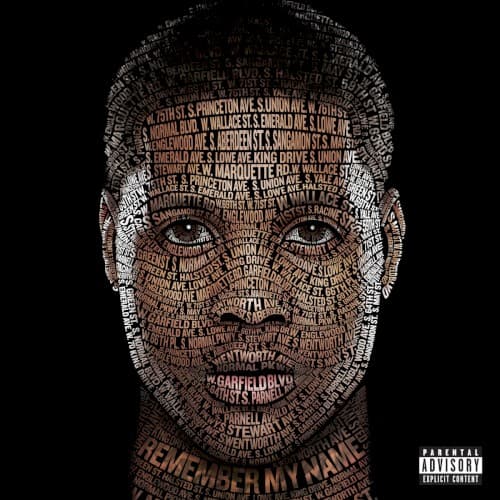
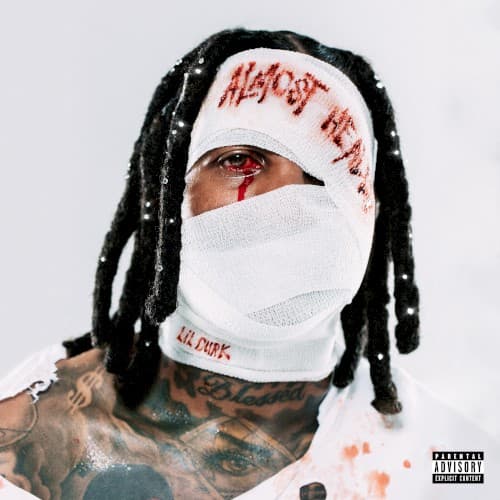
Start with Love Sosa, I Don't Like and Hallelujah. They contain the whole pitch of the album in under twelve minutes. For a contrast in how the drill-to-melody story developed, hear Lil Durk and his debut Remember My Name, which takes the same Chicago roots and pushes them toward Auto-Tune and R&B. The verdict is simple: this is the record where a flat voice and a heavy beat changed what rap radio could sound like, and the songs that did it are worth owning even if the whole album is not.
Track by track
Track Listing
Love Sosa
StandoutYoung Chop builds a slow, ominous groove with space around every element, and Keef treats the beat like a stage set for his indifference. The hook is simple, chantable and instantly recognizable, and it shows how little he needs to make a line stick. The delivery is unhurried to the point of threat, and the song spawned a catchphrase that outlived the record. It was a single and a chart entry, and it remains the clearest summary of what the album is: all attitude and atmosphere, almost no detail, and thoroughly effective. One of the two or three best songs here.
Hallelujah
StandoutA Young Chop beat with a heavy, almost ceremonial feel, and Keef delivers it with the same flat menace that defines the project. The hook is strong and the mood is dense. It is not a single, but it plays like one, and it is a good demonstration of the producer and rapper fitting each other perfectly.
I Don’t Like
StandoutThe lead single and the song that put Keef in front of a national audience. Lil Reese joins on a Young Chop beat that is dark, sparse and punishing, and the hook is a blunt statement of dislike that anyone can shout back. The verses are short on detail but long on conviction, and the collaboration works because both voices share the same cold energy. The song's reputation grew when it later attracted a high-profile remix, but the original is the stronger piece: stripped down, tense and almost impossible to forget. An anchor of the entire record, and one of the defining drill songs.
No Tomorrow
SolidMike Will Made It brings a brighter, trap-leaning sound that sits a little apart from Young Chop's world. Keef adapts without losing his tone, and the fatalistic hook suits the title. A solid change of pace, though less distinctive than the Chicago-built core.
Hate Bein’ Sober
StandoutThe third single brings in 50 Cent and Wiz Khalifa on another Young Chop production. The beat is warm and woozy, and the hook is easy to remember, which made it a natural radio-minded pick. The guests fit the mood, though neither adds much beyond name recognition, and Keef is the one who defines the song. It is catchy and effective, but it leans on the album's established formula more than it extends it.
Kay Kay
SolidK.E. on the Track provides a solid but unremarkable backdrop for a standard Keef verse. Nothing here is wrong, and nothing is memorable. This is where the album begins to blend into itself.
Laughin’ to the Bank
SolidYGOnDaBeat builds a glossy, slightly more melodic beat, and Keef delivers it with his usual lack of visible joy, which is the joke the song is built on. The mismatch between the title and the mood is clever, but the writing runs on repetition and the hook is only moderately strong. A middling track that works better as an idea than as a song.
Diamonds
SolidFrench Montana appears over a Young Chop beat, and the song reads like a standard flex record with a guest verse that changes the texture without improving it. Keef is competent, the production is on brand, and the track is forgettable beside the opening run.
Ballin’
SolidLeek E Leek produces a bouncy, accessible beat, and Keef rides it with a looser feel than elsewhere on the record. It has a decent hook and a video that gave it extra life, but as a piece of writing it repeats the album's usual themes. Good filler, and a pleasant one.
Understand Me
SolidYoung Jeezy joins on a Casa Di beat that is slower and more reflective than most of the album. It is one of the few moments where Keef sounds as though he wants to be understood, which fits the title, but the writing does not deliver much that is new. A welcome change of mood with an underdeveloped payoff.
3Hunna
SolidA remix with Rick Ross over a Young Chop beat. Ross gives the track a heavier, more commanding presence, while Keef remains the cold center. It is more of a showcase for the guest than a development of the album's themes, and its place this late in the sequence interrupts the momentum a little. Decent, not essential.
Finally Rich
StandoutThe title track closes the album on a Young Chop beat that returns to the opening mood. It is the nearest the record comes to a statement about success, and it works because the delivery stays as flat as ever, so the achievement sounds more like exhaustion than celebration. A fitting ending that gives the project a sense of closure.