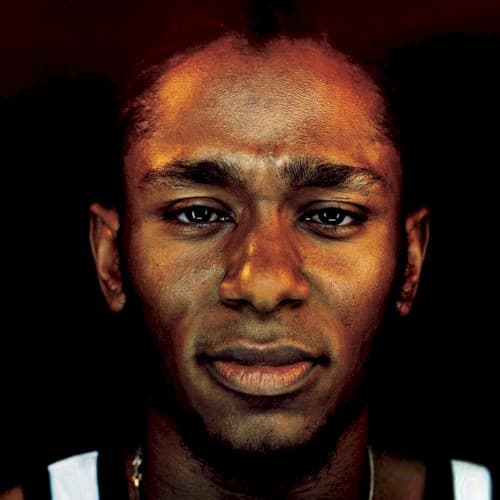
Mos Def Black on Both Sides — The Album That Refused to Pick a Side
The producer once admitted he watched Mos walk into the studio with twenty different ideas and zero interest in choosing just one. That restlessness is the album's engine and its anchor. Black on Both Sides arrived at the exact moment underground hip-hop was trying to prove it could be commercially viable without compromising its soul. Rawkus Records was the label, and the pressure was real — every conscious rapper with a DAT tape was watching to see if you could be brilliant and actually sell records at the same time.
Mos Def answered by making an album that sounded like nothing else in 1999, a year dominated by Jiggy rap excess and Ruff Ryders aggression. This was neither. The editorial angle here is straightforward: this album proved that hip-hop could be literary, political, soulful, funky, rock-influenced, and deeply weird all at once without losing its core identity. It showed that conscious rap did not have to sound preachy or boring, that intelligence and groove were not enemies.
Twenty-five years later, the album still feels like a gamble that paid off in every way except the one the label cared most about. It moved units respectably but never exploded. It influenced a generation of rappers but never dominated radio. It became essential without ever becoming ubiquitous.
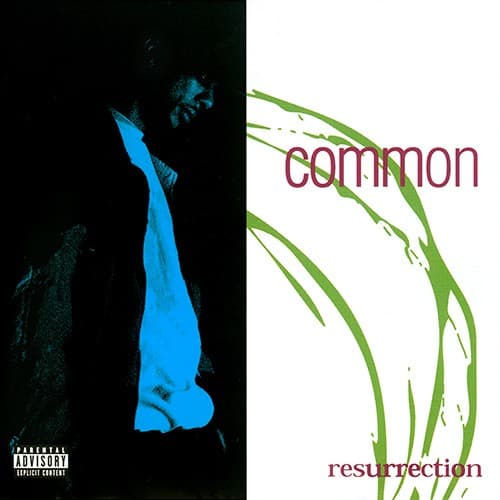
Who else was making records this ambitious in 1999? Common had Like Water for Chocolate but that leaned harder into neo-soul polish. The Roots were pushing boundaries but Mos went further left. He recorded a rock song with no rapping, built an entire track around water privatization, turned a love song into a short story with three acts, and made math sound urgent.
The album works because Mos Def understood something most conscious rappers missed: the message only lands if the music hits first.
When Intelligence Learned to Swing
The sonic palette here is warm analog soul with sharp digital edges. DJ Premier contributes the hardest beat on the record and proves why he was still the king of New York boom bap. 88-Keys brings the melodic warmth. Ayatollah and Psycho Les add rugged texture.
The secret weapon is the sequencing — Mos and his team understood that conscious rap dies when it becomes monotonous, so they built an album that shape-shifts every three tracks.
The production philosophy is simple: if the beat does not knock, the bars do not matter. Even the most overtly political songs here have basslines that rattle trunks. The jazz samples are dusty but never sleepy. The live instrumentation feels organic, not overly workshopped.
When Mos decides to sing, the production shifts to accommodate his voice without losing the hip-hop foundation. That balance is harder than it sounds. Most rappers who try to sing end up making R&B tracks with guest verses. Mos makes rap songs where singing is just another tool in the kit.
Lyrically, this is a lesson in perspective and detail. Mos writes like someone who reads books and walks city streets with equal attention. His narratives have specificity — neighborhood names, exact locations, real observations. His political commentary never feels like lecture because he embeds it in stories and scenes.
When he talks about police brutality or systemic racism, he is describing lived experience, not abstract theory. When he raps about love, it is messy and human, not sanitized for radio. The vocal delivery is conversational even when the subject matter is heavy. Mos has one of the most distinctive voices in hip-hop — clear, expressive, capable of humor and rage in the same bar.
He never shouts to prove a point. His flow is elastic, bending around beats without losing the pocket. He knows when to ride the snare and when to float between kicks. That rhythmic intelligence makes even the densest bars feel effortless.
The flaw? The back half loses steam. After the peak stretch, the album meanders a bit. A couple tracks feel like ideas that needed another revision.
The rock experiment is bold but not everyone will want to hear it twice. The sequencing, so sharp in the first half, gets looser toward the end. But these are minor complaints about an album swinging for the fences. Most records play it safe.
The Journey from Brooklyn to Everywhere
The first stretch establishes tone and range in four tracks. You get the thesis statement, the mission, the love story, and the banger. That is world-building. The album opens with purpose and then immediately pivots to warmth, proving it can be many things at once.
By the time you hit the fifth track, you understand this is not a traditional rap album — it is a suite of ideas held together by one voice and one vision. The middle section is where the album peaks. Three consecutive tracks deliver the album's hardest production, its most introspective moment, and its most urgent call to action. That run is flawless.
The momentum never dips. Every beat switch feels intentional. Every lyrical pivot lands. This is where Mos proves he can compete with anyone on a technical level while still saying something that matters.
The back half is more uneven. The rock detour arrives and splits the audience — some will appreciate the ambition, others will reach for the skip button. The closing run has highlights but the pacing slows. A couple tracks feel like bonus material that made the final cut out of obligation rather than necessity.
The album does not end weak, but it does not end as strong as it began. That final stretch needed tighter editing. Still, even the lesser moments here are more interesting than most rappers' best work.
The Album That Built the Blueprint for Conscious Rap's Next Decade
In Mos Def's discography, this sits at the top and nothing else comes close. The Ecstatic has its moments but lacks this album's cohesion. Black Star was a classic but this is where Mos fully realized his vision without sharing the spotlight. Every solo project he released after this one feels like an attempt to recapture or subvert what he achieved here.
Who should listen? Anyone who thinks conscious rap is boring. Anyone who wants to hear what late-90s underground hip-hop sounded like when it was firing on all cylinders. Anyone who cares about lyricism, storytelling, and production craft in equal measure.
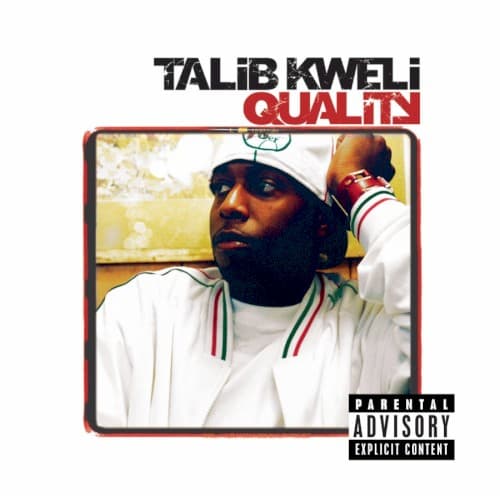
This is an entry point for fans of Kendrick Lamar, Common, and Talib Kweli who want to trace the lineage back to its Rawkus Records roots. Who might skip it? Listeners who need every track to bang. People allergic to singing on rap albums.
Anyone looking for pure street rap with no detours. This album demands patience and rewards attention. It is not background music.
How has it aged? Better than almost anything from 1999. The production still sounds rich and warm. The bars have not dated because Mos wrote about structures, not trends.
The political commentary is more relevant now than it was then. The only tracks that feel locked in time are the ones that were trying to sound timeless in the first place — a paradox this album navigates better than most.
Essential tracks to start with: Ms. Fat Booty for the storytelling, Mathematics for the urgency, Hip Hop for the mission statement. If those three grab you, the rest will too. Similar albums worth exploring: Talib Kweli's Quality, Common's Like Water for Chocolate, and The Roots' Things Fall Apart. All share this album's commitment to substance without sacrificing groove.
Long-term influence? You hear this album in everyone from J. Cole to Lupe Fiasco to Kendrick. It proved conscious rap could be cool, funky, and commercially viable. Not every rapper absorbed all three lessons, but the ones who did changed the game. This album is the template they followed.
Track Listing
Fear Not of Man
▲The opening salvo is a prayer and a warning wrapped in distorted vocal samples and a bassline that feels like a heartbeat. Mos uses this minute-long intro to set the spiritual and political framework for everything that follows. The production is intentionally raw, almost lo-fi, as if recorded in a basement with the lights off. It is not a song you return to often, but it is essential context. Without this opening, the album would lack the sense of purpose that makes the rest of the journey feel earned.
Hip Hop
▲DJ Premier delivers a brick of a beat — boom bap fundamentalism with no frills, just drums and a hypnotic loop. Mos rides it with the confidence of someone who knows exactly what he came to say. The hook is a mission statement: he is here to save hip-hop from itself, from the commercialization and the dumbing down. The bars are dense but never cluttered, each line stacking on the last to build an argument. This is the thesis. This is Mos planting a flag. The track has aged beautifully because the problem it diagnosed never went away. Premier's production is timeless and Mos sounds hungry in a way he never quite recaptured on later albums. If you only play one track to understand what this album is about, this is the one.
Love
▲Ayatollah flips a warm soul sample into something that feels like slow-dancing in a dimly lit room. Mos sings more than he raps, and the risk pays off because his voice has enough character to carry the melody. The lyrics are earnest without being corny — he is talking about real affection, not the usual rap game flexing or shallow hook-up narratives. This is one of the first times mainstream hip-hop heard a rapper sing about love with genuine vulnerability and no R&B singer cleaning it up on the chorus. The production is lush, the vibe is intimate, and the whole thing feels like a deep breath after the intensity of the opening two tracks. It is a palate cleanser that also happens to be one of the sweetest moments on the album.
Ms. Fat Booty
▲This is the crown jewel. The story is a three-act narrative about meeting a woman, falling into infatuation, and watching it collapse when she discovers he has been lying. Mos writes with novelistic detail — exact subway stops, specific neighborhoods, real human behavior. The beat is a gorgeous loop courtesy of Ayatollah, smooth enough to soundtrack a rom-com but sturdy enough to carry the bars. The hook is infectious. The punchline at the end lands with real weight because Mos spent the entire track building empathy for both characters. This is one of the best storytelling tracks in hip-hop history. It works as a cautionary tale, a love song, and a technical showcase all at once. The replay value is infinite because every listen reveals another layer of craft. If someone asks why Mos Def matters, play them this.
Speed Law
▲88-Keys provides a sinister, hypnotic beat built around a menacing bass stab and minimal drums. Mos uses the track to paint a picture of life on the run, the desperation of the streets, and the way violence and survival blur together. The flow here is urgent, almost breathless, matching the theme of the title. He is not glorifying the lifestyle — he is documenting it with the clarity of someone who has seen it up close. The production never lets up, maintaining tension from the first bar to the last. This is one of the album's hardest moments, a reminder that conscious rap can still sound dangerous. It sits comfortably next to anything Mobb Deep or CNN dropped in the same era, but with sharper writing.
Do It Now
▲Busta Rhymes shows up and nearly steals the track. His verse is a chaotic explosion of energy and wordplay, all delivered at his signature breakneck pace. Mos holds his own, but this is clearly Busta's moment. The beat is aggressive and jagged, a perfect match for both rappers' intensity. The hook is simple and effective. This is the album's purest banger — no sermons, no deep cuts, just two elite MCs trading bars over a nasty beat. It is short, focused, and hits like a fist. The placement is perfect too, arriving right when the album needs a jolt of adrenaline. If you want proof that Mos could rap with the best technical spitters of his era, this is exhibit A.
Got
●A quick interlude that bridges the first and second half of the album. The production is minimal, almost skeletal, with Mos delivering a few bars over a sparse beat. It feels like a freestyle or a sketch, something that was left on the album because it captured a vibe even if it was not a fully realized song. At under two minutes, it does not overstay its welcome. It is not essential, but it does not hurt the flow either. Just a moment of breathing room before the album shifts gears again.
Umi Says
●The most polarizing track on the album. Mos sings the entire thing, no rapping at all, over a gentle acoustic guitar loop and live drums. It is a heartfelt meditation on peace, self-knowledge, and rejecting violence. For some listeners, this is the emotional peak of the record — raw, honest, and brave. For others, it is where the album loses them entirely. The singing is unpolished, which is either endearing or grating depending on your tolerance. The message is pure and the sincerity is undeniable, but the execution is rougher than anything else here. It is the kind of track that grows on you or never clicks at all. I respect the ambition even if I do not return to it often. The album needed a moment of vulnerability, and Mos delivered it without compromise.
New World Water
▲This is where Mos gets overtly political and somehow makes it funky. The beat is sparse and ominous, built around a simple bassline and minimal drums. The lyrics are a detailed breakdown of water privatization, environmental racism, and the coming resource wars. He is writing about geopolitics like it is a street corner cipher, making the global feel local. The bars are dense with information but never feel like a lecture because the delivery is smooth and the beat keeps you nodding. This is the track that proved conscious rap could tackle subjects most rappers would not touch and still sound urgent. It is cerebral without being preachy, political without being boring. Essential.
Rock n Roll
●The great experiment. Mos recruits a live band, picks up a microphone, and delivers a rock song with no rapping whatsoever. He is singing, screaming, and channeling the spirit of Jimi Hendrix and Bad Brains. The message is about hip-hop's relationship to rock, the shared rebellion, the way both genres got co-opted and sanitized. It is bold as hell and completely divisive. Hip-hop purists hate it. Rock fans are confused by it. But you have to admire the audacity. This is Mos refusing to be boxed in, demanding the freedom to create without genre constraints. It does not work for everyone and it is not meant to. I respect it more than I enjoy it, which is probably the most honest take. It is an interlude that dares you to skip it.
Know That
●A short philosophical interlude where Mos reflects on knowledge, identity, and purpose over minimal production. The bars are introspective and the tone is meditative. It feels like a journal entry, a moment of self-examination before the album moves into its final stretch. At just over two minutes, it does its job and exits. It is not a standout but it adds texture and depth. The album would feel less complete without these little breathing spaces.
Climb
▲Vinia Mojica delivers a beautiful sung hook while Mos raps about perseverance and ambition. The production is warm and soulful, built around live instrumentation that gives it an organic feel. This is one of the album's most uplifting moments, a motivational track that never feels cheesy because Mos grounds it in real struggle. The bars are about climbing out of poverty, escaping limited expectations, and refusing to settle. The message is universal but the details are specific. It is the kind of track that hits different depending on where you are in life. Not a flashy moment, but a solid one.
Brooklyn
▲A love letter to his hometown. The beat is lush and nostalgic, built around a gorgeous soul sample that sounds like summer block parties. Mos raps with pride and specificity about the borough that raised him — the neighborhoods, the culture, the people. He avoids clichés by focusing on real memories and actual places. This is not generic borough worship, it is personal geography. The track works because Mos understands that pride is most powerful when it is detailed. He is not just saying Brooklyn is great, he is showing you why through his eyes. It is one of the warmest moments on the album, a rare instance where Mos lets his guard down completely.
Habitat
▲Q-Tip shows up with a verse and the synergy is immediate. Two of the era's best conscious rappers trading bars over a smooth, mid-tempo beat. The subject is environment, both physical and mental — where you live shapes who you become. Q-Tip's verse is sharp and focused, a perfect complement to Mos without overshadowing him. The production is understated, letting the MCs do the heavy lifting. This is the kind of collaboration that feels effortless, two artists operating on the same wavelength. It is not a standout track but it is a strong one, further proof that Mos could hold his own next to anyone.
Mr. Nigga
▲The most uncomfortable track on the album and one of the most necessary. Mos and Q-Tip trade verses about the experience of being Black and successful in America — the way racism does not disappear with money or fame, it just changes costumes. The production is stark and tense, matching the weight of the subject matter. The bars are cutting, each verse a catalog of microaggressions and systemic disrespect. This is not an easy listen but it is an essential one. Mos and Tip deliver the message with clarity and restraint, letting the truth do the work. The track has not aged a day because the problem it describes is still here. It is proof that political rap works best when it comes from lived experience, not abstract theory.
Mathematics
▲The album's thesis distilled into four minutes of hard facts and harder beats. DJ Premier returns with another crusher — minimalist drums, a relentless loop, and nothing else. Mos uses the track to break down systemic inequality using statistics, dates, and cold numbers. He is rapping about incarceration rates, police violence, and economic disparity with the precision of a researcher and the urgency of a street corner preacher. The hook is simple and devastating. The bars are quotable from top to bottom. This is the track that gets played in classrooms and documentaries, the one that cemented Mos as not just a great rapper but an important voice. It is a perfect synthesis of message and craft, proof that you can be conscious and still make music that knocks. If Hip Hop is the album's mission statement, this is the manifesto.
May‐December
●The album closes with a brief interlude that feels like a conversation or a skit. It is loose and informal, a moment of levity after the intensity of Mathematics. It does not add much to the album thematically but it does provide a soft landing after the heavy closing stretch. Some will see it as unnecessary, others as a humanizing touch. Either way, it is a quick exit that does not detract from what came before.