The scorecard
8.8/10 · Essential
- Writing25%
- 9.0
- Production25%
- 8.5
- Delivery15%
- 9.5
- Cohesion15%
- 8.0
- Originality10%
- 9.0
- Replay value10%
- 8.5
Brown narrates Detroit poverty and drug addiction with unflinching specificity, moving from party-rap boasts to raw confessional writing on tracks like Fields and 30 without losing his voice
Skywlkr, Frank Dukes and Paul White build beats that shift from abrasive club tracks to spacey experimental soundscapes, matching the mixtape's two-sided structure
Brown's scratchy high-pitched flow is among the most effective performance tools in rap album history, alternating between manic energy on Die Like a Rockstar and exhausted reflection on Scrap or Die to make the concept legible through delivery alone.
The Side A party/Side B comedown concept holds across 19 tracks, though a few cuts in the middle blur the transition before DNA resets the tone
Brown merged backpacker lyricism with strip-club production and confessional writing about addiction years before that became a template, carving out territory no one else wanted
The front half rewards repeat listens for punchline density while the back half remains necessary rather than easy, and the tape as a whole avoids the played-out feel that dates most 2011 mixtapes.
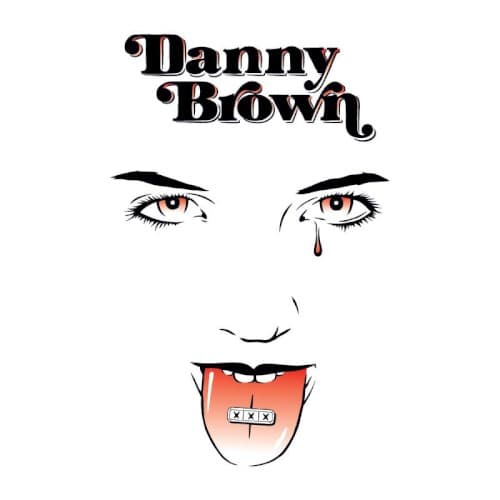
Danny Brown XXX — The Mixtape That Made Poverty Sound Like a Panic Attack
XXX splits itself in half by design: Brown called DNA the start of Side B, the moment the party drugs wear off and the bill comes due. The first twelve tracks are rapped over abrasive club beats about getting high and getting paid, the last seven about coming down in a Detroit that offers no safety net. The split works because Brown never pretends the first half is consequence-free; he raps about Adderall binges and strip-club nights in the voice of someone who knows exactly where it leads. The thesis here is that the party and the crash are the same story, and that honesty about drug use requires both.
This was supposed to be an album. According to Brown, the label told him it was not good enough and released it as a free mixtape instead. That rejection turned out to be the point: XXX sounds like what happens when a rapper stops trying to make a radio album and makes the one that explains why he needs the drugs in the first place. Brown was thirty when he recorded this, old enough to have watched Detroit collapse and young enough to still be in the wreckage. The Fool's Gold release in August 2011 made it the breakout that his previous work had not managed, largely because no one else was willing to be this specific about the gap between the fun and the damage. Critics heard a concept album about addiction structured like a vinyl record; what made it essential was that the concept was audible in every bar.
Highs Produced by People Who Understood the Assignment
The writing on XXX earns the acclaim it received by refusing to pick a lane. Brown can pack a verse with absurdist punchlines about his sexuality and his drug tolerance, then follow it two tracks later with plainspoken descriptions of poverty that do not beg for sympathy. On Die Like a Rockstar he raps about gun violence and overdoses as interchangeable outcomes; on Monopoly he describes a house with no heat and checks that never clear. The imagery is Detroit-specific but the logic applies to any Rust Belt city that lost its industry and got a drug epidemic in return. What separates this from conscious rap is that Brown never moralizes; he reports what he sees and what he does, and lets the contradiction between the party tracks and the confession tracks make the argument.
The production, handled primarily by Skywlkr, Frank Dukes, Paul White and Brandun DeShay, constructs two distinct sonic worlds that share a harsh, unpolished edge. Skywlkr builds most of the first half around distorted bass and brittle percussion that sound like they are vibrating through a blown speaker; Die Like a Rockstar and Blunt After Blunt are club tracks for a club with no working lights. Frank Dukes anchors the title track and DNA with eerie loops that leave space for Brown's voice to dominate. Paul White's contributions on the back half—Adderall Admiral, Fields, Scrap or Die—are spacey and minimal, closer to experimental electronic music than rap beats. The mix is deliberately rough; nothing here sounds expensive or clean, which matches the subject matter. The sequencing builds the party-to-crash arc by shifting the production aesthetic rather than the tempo.
Brown's delivery is the element that makes the writing and production cohere. His voice is high-pitched and raspy, and he uses it like a weapon: manic and rapid-fire on the club tracks, slower and flatter on the depressive back half. On I Will he speeds through a verse about robbing and scheming with the cadence of someone tweaking; on 30 he slows down and the exhaustion is audible. The two Bruiser Brigade guests, Dopehead on Bruiser Brigade and Chips on Detroit 187, fit the aesthetic but neither matches Brown's intensity. The guest verses are competent filler on a tape that does not need them. The only consistent weakness across XXX is that a few tracks in the middle stretch—Monopoly, Outer Space—do not commit fully to either the party or the crash, and the tape sags slightly before DNA resets the mood.
From the Title Track to the Closer, a Downward Spiral With No Wasted Steps
The sequencing on XXX works because Brown structured it like a vinyl record and followed through. The first half peaks early with tracks that set the tone for the reckless energy dominating Side A. The middle section maintains the high without adding much new information, which makes the stretch feel slightly long; individual moments land but redundancy creeps in when heard together. The reset point Brown intended arrives roughly halfway through: the production strips down to a haunting loop and Brown shifts from boasting to accounting.
From there the tape moves through the aftermath without filler, each track another layer of the same story. Brief sketches of paranoia appear alongside descriptions of the moment before the crash, all delivered with the awareness that it is coming. The closing tracks are quieter and more introspective, letting the production breathe. The pacing is uneven in the way that serves the concept: the first half is overstuffed and manic, the second half is shorter and slower, and the imbalance mirrors the experience being described.
At nineteen tracks XXX is longer than it needs to be by two or three songs, but cutting any of the back half would undermine the structure. The length is a feature of the excess Brown is documenting, not a bug.
A Breakthrough That Remains His Most Fully Realized Statement
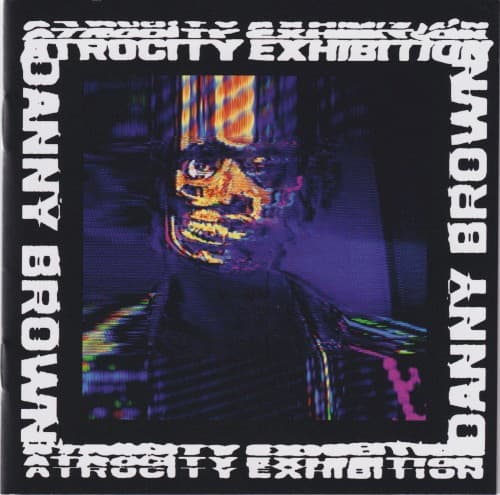
XXX ranks as Danny Brown's best album, more cohesive than Atrocity Exhibition and more willing to commit to an idea. Atrocity Exhibition is the more experimental and abrasive record, but XXX is the one that uses the concept to explain the chaos rather than just to display it. The two-sided structure gives the writing room to operate in both modes—party rap and confessional—without one undermining the other, and the production from Skywlkr, Frank Dukes and Paul White constructs the sonic divide that makes the split legible. Where it edges ahead of the later album is in restraint: XXX knows when to let a beat ride and when to strip everything down, and it never mistakes noise for intensity.
This is for listeners who want rap that documents drug use and poverty without turning either into a punchline or a sermon. Skip it if you need polished production or hooks that resolve cleanly; nothing here is radio-ready and nothing here offers comfort. Start with the title track, Die Like a Rockstar and DNA to understand the range, then decide whether you want the full journey from front to back. The back half is harder to revisit but it is the reason the tape matters. If you finish XXX and want more Brown, go to Atrocity Exhibition for the sound pushed further, or go to The Hybrid for the earlier version of this voice before the concept locked in. XXX remains essential because it arrived at a moment when no one else was making party music that admitted it was documenting a breakdown.
Track by track
Track Listing
XXX
StandoutFrank Dukes builds the intro around a hypnotic loop that sounds like it is stuck in place, and Brown opens with a verse that sets the parameters: he is thirty, broke and high, and this tape is the document. The writing is dense with punchlines about his reputation and his habits, delivered at a pace that never lets up. It establishes the manic energy that drives the first half and plants the age and desperation that will dominate the second.
Die Like a Rockstar
StandoutSkywlkr's beat is a distorted bassline and clipped drums that sound like they are rattling a car trunk, and Brown raps about gun violence and overdoses as the two most likely outcomes for anyone in his position. The hook is blunt: you will die like a rockstar, meaning young and for no good reason. The writing does not glorify either option; it reports the odds. This is the tape's thesis in two and a half minutes, and it lands harder than anything else in the first half.
Pac Blood
SolidBrandun DeShay's production here is brighter and more sample-driven than the Skywlkr tracks, and Brown uses it to rap about respect and survival in Detroit. The writing is sharp and specific—lines about carrying a weapon and watching your back—but the energy is celebratory rather than paranoid. It fits the first-half template of rapping about danger like it is a badge of honor, without interrogating what that costs.
Radio Song
StandoutAnother Brandun DeShay beat, this one built around a looped vocal sample that gives it a slight pop sheen, and Brown raps about his refusal to make radio-friendly music. The irony is that the track itself could work on college radio if the content were cleaned up, but the content is the point: he describes drug use and explicit sex in language that guarantees no station will touch it. The song justifies its own existence by explaining why it cannot exist anywhere else.
Lie4
SolidSkywlkr returns with a slower, more menacing beat, and Brown raps about loyalty and betrayal in relationships built on money and drugs. The writing is less inventive than the surrounding tracks, relying on familiar themes of mistrust and transactional sex without adding much detail. It maintains the mood but does not advance it, and at three minutes it feels longer than it is.
I Will
StandoutSquadda Bambino's beat is minimal and off-kilter, just bass and a warped vocal sample, and Brown raps about robbing and scheming to survive. The flow here is faster and more frantic than anywhere else on the tape, matching the subject matter: he is describing desperation, not ambition. The writing is specific about the mechanics of petty crime, and the delivery makes it sound like he is running out of breath. It is one of the strongest pure-rap performances on the first half.
Bruiser Brigade
SolidSkywlkr builds a hard, blocky beat and Dopehead takes the first verse, rapping competently about Detroit street life without much personality. Brown's verse is better but not by enough to justify the guest spot. The track works as a crew anthem but it interrupts the solo narrative that makes the rest of the tape cohere, and Dopehead's presence adds nothing that Brown could not have handled himself.
Detroit 187
SolidNick Speed's production is darker and more textured than the Skywlkr tracks, and Chips takes a verse that matches the beat's tone without matching Brown's intensity. Brown's verse describes the city's murder rate and the lack of police response with specificity that makes the 187 reference literal rather than metaphorical. The title comes from the homicide count; the track documents it without sensationalizing. Chips is fine but forgettable.
Monopoly
StandoutQuelle's beat is sparse and eerie, just a bass note and scattered percussion, and Brown raps about growing up poor: no heat in the house, checks that bounce, meals skipped. The writing is plainspoken and specific, no metaphors, and it is one of the few tracks on the first half that does not treat poverty as background. It belongs in the second half structurally, but placing it here makes the point that the crash is already happening even during the party.
Blunt After Blunt
SolidSkywlkr returns with a beat that sounds like it is vibrating through a blown speaker, and Brown raps about smoking constantly to numb out. The hook is the title repeated; the verses are a catalog of drug habits and self-medication. The writing is less sharp than the earlier tracks, relying on repetition for effect rather than new images, and by this point in the tape the subject matter is starting to blur together. It is solid but redundant.
Outer Space
SolidAnother Skywlkr beat, this one with a spacey synth line that gives the track a slightly psychedelic feel, and Brown raps about being too high to function. The writing leans into absurdist punchlines about his mental state, and the tone is still celebratory even as the content describes dissociation. It fits the first half but does not add much that Blunt After Blunt did not already cover, and the placement makes the transition to Side B feel less deliberate.
Adderall Admiral
SolidPaul White's beat is minimal and strange, just a looped vocal sample and almost no drums, and Brown raps about abusing Adderall to stay awake and keep working. At a minute forty-three it is a sketch rather than a full track, and it works as the last gasp of the party before the crash. The brevity is the point: it is not enough time to develop the idea, which mirrors the way the drug itself does not last.
DNA
StandoutFrank Dukes builds a haunting, minimal beat that strips away the distortion and bass that defined the first half, and Brown shifts from boasting to accounting. He raps about his family history, poverty as an inherited condition, and the lack of options that led to the drug use he has been celebrating for the last eleven tracks. The writing is more direct and less joke-heavy, and the beat gives him room to slow down and let the lines breathe. This is the reset point he described, and it earns the shift in tone by making the connection between the two halves explicit.
Nosebleeds
SolidDJ House Shoes provides a beat that is just a looped vocal sample and a bassline, and Brown raps about the physical consequences of cocaine use in under two minutes. The writing is sparse and factual: nosebleeds, paranoia, the inability to stop. It is a sketch rather than a full narrative, and it works as a short, ugly snapshot of the crash.
Party All the Time
StandoutBrandun DeShay's beat is brighter and more melodic than anything on the back half so far, and Brown raps about partying as a way to avoid facing the reality he has spent the last two tracks describing. The writing is self-aware: he knows the party is not fixing anything, but he does it anyway because the alternative is worse. It is the moment of awareness before the full crash, and the production's slight uplift makes the contrast sharper.
EWNESW
SolidQuelle's beat is minimal and slightly off-kilter, just a few notes repeating, and Brown raps about feeling lost and directionless. The writing is more abstract than the surrounding tracks, relying on mood rather than specific narrative, and the brevity keeps it from overstaying. It works as a transitional piece but it is not strong enough to stand on its own.
Fields
StandoutPaul White returns with a beat that is spacey and minimal, almost ambient, and Brown raps about his daughter and his inability to provide for her. The writing is the most vulnerable on the tape: he describes the shame of being broke and absent, and the awareness that his lifestyle is not sustainable. The production gives him space to slow down and the delivery is exhausted rather than manic. It is one of the strongest tracks on the back half and one of the few that offers a glimpse of what he stands to lose.
Scrap or Die
StandoutPaul White's beat is slow and haunting, built around a looped vocal sample and minimal drums, and Brown raps about the choice between crime and starvation. The writing is blunt and specific: he describes the lack of jobs, the lack of options, and the logic that makes scrapping metal or robbing people the only viable income. The track runs nearly four minutes and earns the length by building the argument verse by verse without repeating itself. It is the most complete narrative on the back half.
30
StandoutSkywlkr closes the tape with a beat that is slower and more melancholy than his earlier work, and Brown raps about turning thirty with nothing to show for it. The writing revisits the themes from the title track but with the awareness that the party did not fix anything. He describes the fear of aging out of relevance, the shame of still being broke, and the suspicion that it is too late to change course. The final lines do not offer resolution or hope; they just stop. It is the only ending the tape could have.
Frequently Asked Questions
What is Danny Brown XXX about?
Is XXX better than Atrocity Exhibition?
Why is XXX considered a classic?
What are the best songs on Danny Brown XXX?
Styles