The scorecard
8.1/10 · Great
- Writing25%
- 8.0
- Production25%
- 8.5
- Delivery15%
- 8.0
- Cohesion15%
- 8.0
- Originality10%
- 7.5
- Replay value10%
- 8.0
"Reagan" turns a political argument about pitchmen and power into sharp, concrete rap, and "Don't Die" and "Ghetto Gospel" keep the personal and the political in the same frame.
El-P builds the whole record himself, and the synth-bass-heavy, rattling arrangements on "Big Beast" and "Southern Fried" give Mike something heavy to lean on.
Mike's bark is fully in control here, shifting from roar to controlled menace between "Go!" and "Anywhere but Here" without losing the pocket.
Twelve tracks and one producer give the record unusual unity, though a couple of mid-album cuts blend together in tone.
A Southern rapper over New York noise-rap production was an unusual pairing in 2012, even if the political-rap lineage it draws on is long.
The tight length, the consistent sound and the best songs keep drawing you back, and the record has aged better than most of its contemporaries.
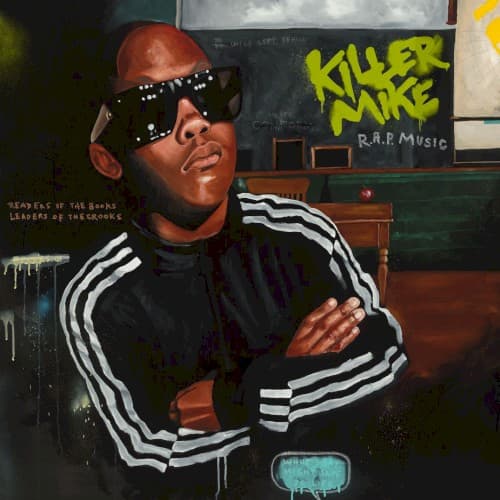
Killer Mike R.A.P. Music: Atlanta Bark, New York Noise, One Angry Record
R.A.P. Music is the record where Killer Mike stopped being a promising Atlanta voice and became a rapper who could hold an entire album on his own temper. The thesis is simple: this is a focused, furious, surprisingly funny collaboration in which El-P's production gives Mike's rasp the heavy machinery it needed, and the result is the strongest, most complete statement of his career up to that point.
The pairing was a gamble. Mike is a Southern rapper steeped in Atlanta's church-and-trunk tradition, and El-P is a New York producer known for dense, abrasive electronics. On paper they should clash. On record they lock. El-P handled every beat, the album arrived through Williams Street in May 2012, and the title is a backronym for Rebellious African People, which tells you how seriously Mike intended it as a political document. It was the first time the two worked together, and the chemistry on these twelve tracks is the reason they went on to form Run the Jewels.
What makes it work is not the politics alone. Plenty of rappers have made angry records. What Mike does here is attach the anger to specific people, specific systems and specific memories, then deliver it with a physical, sermonizing force that makes the argument feel earned. When he explains his ideas about the actor-turned-president on "Reagan," he talks about pitchmen and the power of persuasion, and he turns a history lesson into a rap song with real bite.
The stakes of the album are also personal. Critics at the time called it the culmination of an unusual career, and that reading holds up: it pulls together the Southern gospel instincts, the street storytelling and the political fury that had been scattered across his earlier records. It is not flawless, and the grinding, dense production will not suit everyone. But as a statement from a rapper who finally had the right beats, it stands among the strongest rap albums of its year.
Synth Bass, Street Sermons and a Rapper Finding His Pocket
The central achievement of R.A.P. Music is the fit between voice and beat. El-P's production is built from heavy synth bass, rattling drums and abrasive textures, and Mike's delivery has the weight to ride all of it. His voice is a bellow with a gravel edge, closer to a preacher or a drill instructor than a typical Southern trap-era rapper, and he knows how to ride the rhythm: short, hammered phrases, then a sudden stretch of fast, dense lines, then a drop back to a growl. The production never forces him to compete with the noise. It gives him a wall to push against.
That approach gives the record a distinct sound. It is not the lush, soulful Southern rap of his earlier work, and it is not the sleek trap that was dominating radio in 2012. It is something harder and stranger: a Southern voice in a New York noise setting, with just enough funk and groove under the rubble to keep it moving. Southern rap fans will hear the bounce in the low end, and the tracks that lean into it, like "Southern Fried," feel like a conversation between regions rather than a compromise.
The writing is the second strength. Mike is at his best when he combines political argument with street-level detail, as in "Reagan," where he lays out how a pitchman can be used to push someone else's agenda. In other places, such as "Don't Die" and "Ghetto Gospel," the focus is on survival and faith, and the writing has a patient, weathered quality that his earlier records rarely reached. He rarely lectures without a hook of humor or imagery to keep the listener engaged, and the jokes land harder because the anger around them is real.
There are weaknesses. The production, for all its power, can be oppressive. Across twelve tracks the same dense, synth-heavy palette and the same level of intensity leave little room to breathe, and a few mid-album songs blur together in mood and tempo. One contemporary review complained that half the album was a grind, and while that is too harsh, it identifies a real pattern: the record rarely changes gears, and the lack of light moments makes it hard to love every minute of it. The guest list is also thin by design, so the album leans entirely on Mike and El-P to keep things interesting for the whole run.
What remains is a record where the weaknesses are mostly the cost of its strengths. A single producer gives it unity, a single voice gives it authority, and the rest is a matter of whether you want that much intensity in one sitting.
Twelve Tracks, No Wasted Space, Very Little Air
The sequencing of R.A.P. Music is one of its quiet virtues. It opens with a posse cut that functions as a statement of intent, then moves quickly into rougher, more personal material, and the first third of the record comes at the listener with real momentum. The opener's lineup of Southern heavyweights, Bun B, T.I. and Trouble, places the album firmly in the South before El-P's production pulls it somewhere less expected. That is a smart way to introduce the premise: Atlanta first, then everything the pairing makes possible.
The middle of the album is where the pacing becomes more demanding. After the early rush, the record settles into a run of heavier, more reflective songs that ask more of the listener. The switch from high-energy rap to slower, darker material gives the album depth, but it also exposes the lack of tonal variety. There is a point around the center where the tracks begin to feel similar in intensity, and the record needs a lighter moment to reset the mood that it never quite provides.
The closing run recovers. The final stretch builds toward the title track, which is placed to feel like a summation, and the last few songs have a sense of arrival that makes the album feel like a complete argument rather than a collection of songs. At twelve tracks and a tight running time, the length is earned. Nothing is dragged out, a short track like "Go!" keeps the pace moving, and the record respects the listener's attention even when it is demanding. A longer album would have exposed the lack of variety; this one stops at the right moment.
The Album That Made Mike and El-P Inevitable
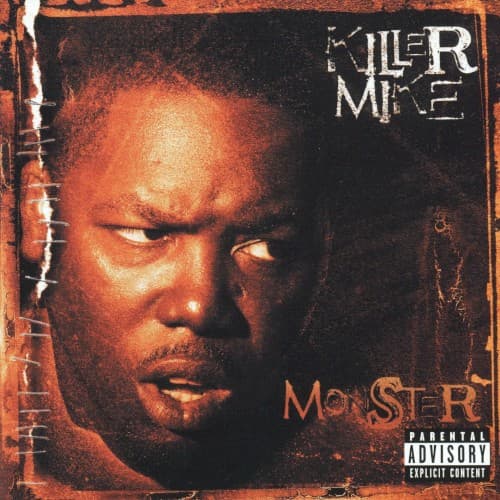
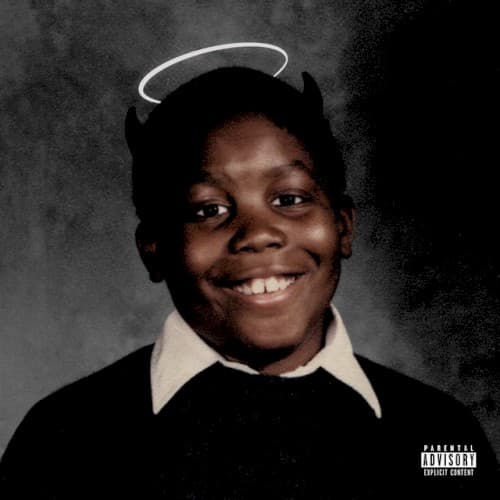
R.A.P. Music is a great album and, on the evidence of this site's catalog, the clear peak of Killer Mike's solo run so far. It is far more focused than his debut Monster, which has stronger moments than its reputation suggests but too much clutter, and it is a sharper, tougher statement than the later, more personal Michael. Where Monster showed a big voice looking for a direction and Michael turned inward toward gospel and family, this record puts all of Mike's strengths, the bark, the politics, the humor and the Southern sense of rhythm, into one tight run of twelve songs.
It is for anyone who wants political rap with real musical force, for fans of Run the Jewels who want to hear where the partnership began, and for Southern rap listeners curious about how the region's voices can work over harder, more abrasive production. Listeners who prefer a lighter touch, or who want radio-ready hooks and variety, should be cautious: the sound is relentless, and the record rarely lets up. It also asks you to follow its arguments rather than just nod along.
The record has aged well. The production still sounds forward-thinking, the writing still lands, and its political concerns have only become more relevant. Critics at the time called it a mid-career peak, and that assessment has held up. It does not carry the broad cultural impact of the most celebrated political rap albums, a limit one Pitchfork review noted, but it makes up for it with consistency and craft.
For a first listen, start with "Big Beast" for the Southern posse-cut energy, "Reagan" for the sharpest political writing, and "Ghetto Gospel" for the way Mike mixes faith and survival. After that, hear Michael for the more personal, gospel-soaked direction he took later, and Monster to see where the voice began. This is the album where Mike found the right partner, and the proof is that every track sounds like it was built around him.
Track by track
Track Listing
Big Beast
StandoutA posse cut with Bun B, T.I. and Trouble that opens the album with Southern authority. El-P's production gives the track a heavy, rattling base, and the guests each bring a distinct voice while Mike sets the tone. It works as a thesis for the whole record: Southern voices, New York noise, and enough low-end force to shake a car.
Untitled
StandoutScar joins Mike on a darker, more reflective track that shifts the record from posse-cut swagger to personal weight. The production is moody, the delivery is controlled, and it is a good example of how the album handles its slower moments.
Go!
StandoutAt under two minutes, this is the shortest track on the record and a burst of pure aggression. It does not develop an idea so much as deliver a jolt, which keeps the sequencing quick and gives the album some of its most direct energy.
Southern Fried
StandoutThe clearest meeting point between Mike's regional identity and El-P's production. The beat has a groove under its abrasive surface, and Mike rides it with a mix of pride and bite. It is longer than the opening tracks and gives the record room to breathe.
Jojo’s Chillin’
SolidA shorter, more relaxed track that offers a bit of tonal relief within the heavier material. It is enjoyable, though lighter in ideas than the songs around it.
Reagan
StandoutThe political centerpiece and the clearest example of Mike's writing at full strength. He uses the former president as a case study in how persuasion works, framing him as a pitchman whose appeal made him useful to people with their own agendas. The track takes a political argument and makes it feel like a story with stakes. The delivery is controlled and pointed, and El-P's beat gives the argument a steady, grinding pulse. It is the song most likely to be remembered from the album, and the one that best explains why critics responded so strongly to Mike's lyrics.
Don’t Die
StandoutA weighty, survival-minded track that shows the album's more personal side. The production is dense and tense, and Mike's delivery is measured, letting the weight of the subject carry the song. It is a strong mid-album piece, though it shares the intensity of the tracks around it.
Ghetto Gospel
StandoutOne of the album's best expressions of Mike's blend of faith and hard-edged observation. The title promises a mix of church and street, and the track delivers it with a patient, weathered tone that stands out from the louder songs. It is among the first songs to try if you want to hear the record's emotional range, and it points toward the more gospel-leaning approach he would take later in his career.
Butane (Champion’s Anthem)
StandoutEl-P joins on the mic for a short, energetic track that lets the partnership step to the front. The chemistry is obvious, and it foreshadows the duo's later work. A brisk, fun change of pace.
Anywhere but Here
SolidWith Emily Panic on the hook, this track brings a melodic, aching quality that contrasts with the harder songs. The production is more open, and Mike's delivery is looser. It adds variety to the late stretch, though it is not among the record's strongest.
Willie Burke Sherwood
SolidA slower, more personal track that leans on atmosphere. The beat gives Mike space to tell a story with weight, and it is one of the album's more reflective cuts, if slightly overshadowed by the stronger tracks near it.
R.A.P. Music
StandoutThe title track closes the album with a statement of purpose, pulling together the political fury, the Southern pride and the street sensibility that run through the record. Production and delivery are at full power, and the track feels like a summation rather than just another song. It leaves the listener with a clear sense of what the album was trying to do.