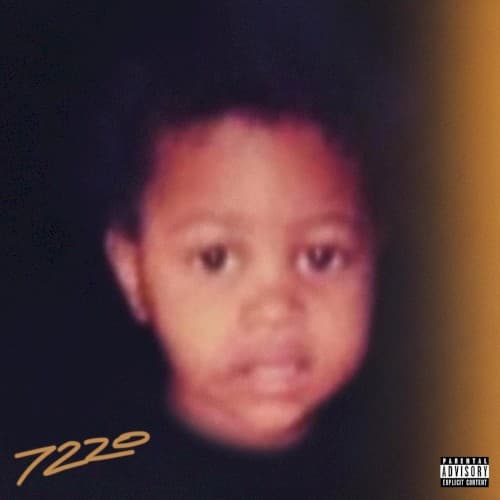
The scorecard
6.7/10 · Good
- Writing25%
- 7.0
- Production25%
- 6.5
- Delivery15%
- 7.5
- Cohesion15%
- 6.5
- Originality10%
- 6.0
- Replay value10%
- 6.5
Federal Nightmares and Shootout @ My Crib ground violence and fear in concrete consequences, though a few verses lean on stock menace and the album's stock phrases recur.
Touch of Trent and the other producers build a polished minor-key sound, but the piano-and-808 template repeats and AllMusic's complaint about interchangeable beats is fair.
The strained, half-sung wail gives plain lines weight, and the hook on Pissed Me Off shows how well the voice carries melody and bitterness at once.
The middle runs together with several consecutive songs using the same piano-led template, though seventeen songs in under fifty minutes keeps a consistent mood and purposeful guest rotation.
The sound is the shared template of 2022 melodic rap, and while the specificity of the writing provides some distinction, the production is interchangeable and the forms are familiar.
The beats may date faster than the stories since this piano-and-808 template is already everywhere, though the hooks and detail should hold up for a recent release.
Lil Durk 7220: Smooth Surface, Hard Ledger, and a Pain Worth Hearing
West Coast rap taught the genre that a song about danger can still be built to ride in a car. Dr. Dre's G-funk, the Bay Area's slap and the gangsta tradition behind both made violence and loss sound smooth enough to cruise to, and the best of it kept the writer's eye on the street corner rather than the headline. 7220 is a Chicago record, but it makes the same bet: that a melodic, polished surface and a very specific personal ledger can sit in one song. It mostly wins that bet, and that is why it is Lil Durk's best solo album.
The thesis is that Durk's writing earns what his production borrows. The beats, as even the favorable reviews admit, are a familiar piano-and-808 sound shared by half of 2022 melodic rap. What is his own is the detail: a grandmother's address as the title, grief that names its causes, a bruised, strained voice that cracks at the end of a line and stays there. West Coast rap built its reputation on the opposite order, with a distinctive sound carrying plain stories. Durk reverses it, and the reversal is the interesting part.
The record is also the clearest argument yet that Durk is a better songwriter than his status as a hit-maker suggests. Pitchfork's point that his lyrics focus in rather than zoom out is accurate, and it separates him from the many singing rappers who borrow the same melodies. A few of these songs could be mistaken for any other well-made 2022 trap single. The ones that cannot are the reason to listen.
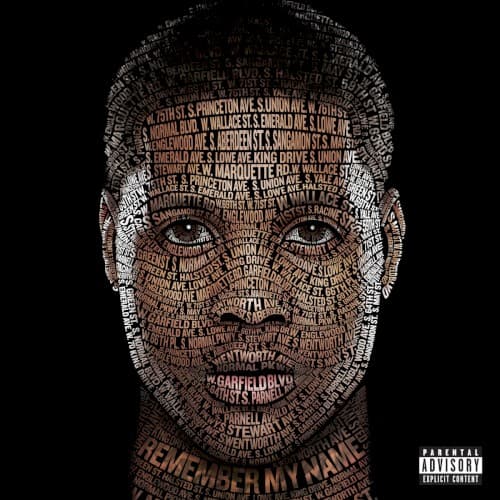
Against Remember My Name, his 2015 album, the jump in craft is large: the voice is more controlled, the hooks are better and the subject matter has deepened. For anyone who knows only the radio singles, 7220 is where the artist behind them becomes visible, and for anyone who follows Lil Durk, it is the record where the pieces finally line up.
A Borrowed Sound With an Earned Voice
Start with the voice, because everything else on 7220 depends on it. Durk raps in a half-sung wail, stretching the last word of a line until it sounds like it hurts, and he does it consistently enough that it becomes the album's identity. A comparison to the West Coast is useful here. A voice like Nate Dogg's on a hook was warmth and authority; Durk's is strain and fatigue, closer to a confession than a boast. That is the album's emotional signature, and it makes plain lines about loss sound heavier than they read on paper.
The writing is where the record outperforms its sound. Durk is specific about people and consequences: who did what, who is gone, what it costs to still be here. The gangsta rap tradition at its best worked this way, with a first-person narrator, a block, a code, and a body count the writer does not romanticize, and 7220 sits closer to that tradition than to the trap-pop it resembles. Songs like Shootout @ My Crib and Federal Nightmares give the street material concrete stakes rather than generic menace, and the grief tracks are given room to hurt.
The production is the weak point, and the sources agree. A long list of producers, with Touch of Trent credited across a large share of the album and DJ Bandz and DJ FMCT behind several others, delivers a sound that is lush, minor-key and nearly uniform. Piano loops, trap hi-hats and a dark pad dominate. Compared with the West Coast's best records, where a producer's signature was as recognizable as the rapper's, these beats serve Durk rather than answer him. They are well made and interchangeable, as AllMusic noted, and the album loses momentum when three similar songs run in a row.
Guest choices help break the uniformity. Future, Gunna, Summer Walker and Morgan Wallen each bring a different vocal texture, and the country crossover of Broadway Girls is a more adventurous choice than most major-label rap albums make. The West Coast has long embraced unlikely collaborators, and the instinct is right here, though the results vary; some guests feel more like marketing than collaboration.
What the album adds to its moment is mainly sincerity. The street-rap singing lane is crowded, and Durk is one of the few who treats his own songs as testimony rather than product. That is not a formal innovation, but it is a difference in effect, and it is audible in the way verses are built around names and events rather than slogans. The loose, conversational hooks do some of the work of an old Cali sing-along, with a heavier heart.
Seventeen Songs, Under Fifty Minutes, No Wasted Motion
Sequencing is the album's second-best quality. 7220 opens quickly, with two short songs that establish the voice and the mood before anything overstays, and the structure holds its energy through the first half. Most of the songs run under three minutes, which keeps the project tight at seventeen tracks and under fifty minutes. The runtime is earned; unlike many 2022 albums, it never feels padded, and Durk's promise of no skips is not far from the truth.
The shape is a steady descent into harder material and then a return to the radio. The middle section, with its guests and its longer reflective cuts, is where the record is deepest, and the grief and violence themes build there without announcing themselves. A West Coast listener might hear the arrangement as a modern take on the classic album flow: street cuts, a crossover single, a few emotional breaks, a closing flourish. The record lacks the interludes and skits that old California albums used for pacing, but the short running times do the same job.
The sag, such as it is, comes from sameness rather than weakness. Several consecutive songs use the same piano-led template, and one or two verses lean on stock menace, so the experience can feel like one long track with a few high points. The sequencing partly hides this by alternating guest and solo songs. The closing pair of radio singles, Pissed Me Off and Broadway Girls, finish the project with its most commercial moments, a slightly cynical ending after so much weight, but both are strong enough to justify the choice.
Taken whole, it is a cohesive record, closer to a long mood than to a story, held together by the voice and the subject. It rewards listening in order more than most of its peers do, and it is better as a full playthrough than as scattered singles.
His Best Solo Record, and a Bright Album About Dark Things
In Durk's catalog, 7220 is the high point so far, well above Remember My Name at 5.8. It is the first album where the production, the hooks and the writing agree, and Vibe's remark that it is his most cohesive solo effort holds up. It also did the commercial work: a number-one debut and a platinum plaque, which the quality supports.
It is for listeners who want melodic rap with real stories in it, for fans of the Southern and Midwestern singing-rapper lane who want a writer rather than a hook machine, and for anyone curious about modern Chicago after drill. If you come from the West Coast tradition, it will feel familiar in its attention to loyalty and consequence, though the sound is nothing like G-funk. It is not for anyone who wants adventurous production or a surprise on every track. The beats sound alike, and a few verses repeat the album's stock phrases.
On aging, the record should hold up better than most of its contemporaries because its best songs depend on detail rather than trend. The production will date, since this piano-and-808 template is already everywhere, but the voice and the stories will not. Start with Pissed Me Off, Golden Child and Federal Nightmares, which together show the hooks, the speed and the heaviest writing. Then hear Kodak Black's Back for Everything, released two weeks earlier, for a comparable melodic project with less depth, which makes a useful contrast. For the rawer Chicago background, return to Remember My Name.
The cleanest way to put it is that 7220 sounds like a bright record about dark things, and the second half of that sentence is what makes the first half worth hearing.
Track by track
Track Listing
Started From
StandoutA very short, atmospheric opener that sets the minor-key piano sound and the strained delivery in two minutes. It states the album's origin story in outline, and the compact length keeps it from overreaching. Strong scene-setting with little detail yet.
Headtaps
StandoutTouch of Trent and Morse supply a heavy, melodic bed, and Durk's wail leads into a hook that sticks. The song deals with violence in a matter-of-fact way that feels more weary than boastful. A solid early cut that proves the opening was not a one-off.
AHHH HA
SolidThe third single is built by a large team of producers, and it plays like a hit: bouncy, direct and loud. It is more of a party song than the rest of the record, and its energy helps the pacing. Fun and effective, though it carries less weight than the cuts around it.
Shootout @ My Crib
StandoutDJ Bandz, DJ FMCT and JahDaGod give Durk a tense, stripped backdrop for a story with real stakes, in a first-person tone that gets close to the old gangsta rap method of putting the listener on the block. One of the key street narratives on the album, with less melody and more detail. The vocal pushes harder than on the nearby songs.
Golden Child
StandoutA single of under two minutes, with Cubeatz and Hitmaka among its producers and a bright, rubbery bounce. It is the fastest, most economical hook on the record, a quick statement of confidence rather than a story. It earns its place by being immediate.
No Interviews
SolidA mid-tempo reflection on privacy, mistrust and the cost of attention, with a loose melodic hook. The theme fits the album's guarded tone and the writing is plain and clear. Good, not memorable.
Petty Too
SolidFuture's guest spot fits the sound without disturbing it, and the pairing of two strained melodic voices is the natural one. The song is short and the chemistry works, but the verses mostly trade mood rather than detail. A solid guest feature, a modest song.
Barbarian
WeakA hard, menacing cut that stays short and does not stretch the idea. The threat is generic compared with the album's best writing, so it plays as texture rather than testimony. Passable filler.
What Happened To Virgil
SolidGunna brings a smoother, lighter voice to a song with a mournful title and a midtempo Chopsquad DJ beat. The contrast is useful: Durk's weight against Gunna's glide gives the cut some depth. The guest verse is competent rather than essential.
Grow Up/Keep It On Speaker
StandoutA two-part song with a long list of producers, which gives it a more shifting, restless feel than the pieces around it. The two halves show different sides of the voice, one reflective and one more rhythmic. It is one of the more ambitious tracks, though the transition feels slightly unfinished.
Smoking & Thinking
SolidA drifting, introspective song about coping, and one of the clearest examples of the album's mood of numbness. The beat is slow and the delivery tired, which suits the topic. It is also the type of track where the sameness of the production is most noticeable.
Blocklist
SolidA short, clipped cut from the same production team as Shootout @ My Crib, about cutting people off. Lean and direct, with an efficient hook, but without much new to say.
Difference Is
StandoutSummer Walker adds a soft, aching second voice, and the song moves toward R&B without losing Durk's seriousness. The hook is gentle and it gives the sequence a needed break from street material. A strong guest choice and one of the album's more emotionally open moments.
Federal Nightmares
StandoutAmong the heaviest writing on the record. Durk handles fear of the legal system and the pressure of life under threat with plain, concrete language, and the delivery sounds exhausted rather than defiant. The beat gives him space and does not compete. It is the clearest case for the album's claim to storytelling and the track that comes closest to the best of the older gangsta tradition in its focus on consequences. A key track.
Love Dior Banks
SolidA romantic, melodic song with a warm hook, built by four producers. It softens the tone before the closing singles and it works as a breather, but the lyrics are conventional.
Pissed Me Off
StandoutThe lead single and the album's best hook. Under MatthewFM's spare production, Durk turns irritation into a melody that is hard to forget, and the vocal is both catchy and genuinely bitter. It fits the record's thesis perfectly: a pop surface carrying a real grievance. Short, sharp and one of the songs most likely to last from this era.
Broadway Girls
StandoutMorgan Wallen's guest verse and the country-leaning melody make this the album's biggest stylistic reach, and it works because Durk keeps the story anchored in his own voice. It is slightly cynical as a closing track, but it is well made and the most radio-ready song here.
Frequently Asked Questions
Is Lil Durk's 7220 good?
What are the best songs on 7220?
What does 7220 mean?
How did 7220 do commercially?
Styles