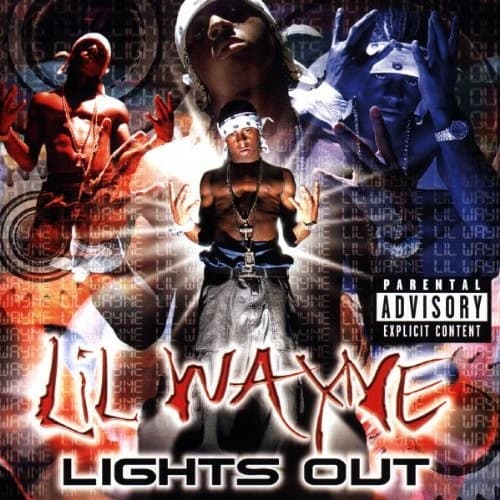
The scorecard
5.6/10 · Mixed
- Writing25%
- 5.0
- Production25%
- 7.0
- Delivery15%
- 6.0
- Cohesion15%
- 4.5
- Originality10%
- 5.5
- Replay value10%
- 5.0
Punchlines lean on worn gangsta posturing and bling tropes with few images memorable enough to survive the hook: the threat catalog is generic and the flexing rarely earns specificity.
Mannie Fresh lays down nineteen Cash Money bounce tracks that keep their pocket and never sound thin, even when the drum patterns and synth stabs start to repeat.
Wayne alternates between a hoarse bark and a strained sing-song that hints at range without full control, creating varied textures even when the shifts feel unrefined, while the posse cameos deliver familiar energy over Fresh's bright stuttering hi-hats.
Nineteen tracks with no tonal arc or logic beyond street talk and flex poses make for a long, undifferentiated listen; the album sags hard after track ten and never recovers momentum.
The album sticks to the same Mannie Fresh bounce formulas and lyrical tropes from the debut and the Hot Boys template, adding more tracks without developing new ideas but at least maintaining the established Cash Money sound competently.
A handful of tracks still hit when the drums snap right, but the bloat and the sameness ensure most listeners will build a playlist rather than return to the full album.
Lil Wayne Lights Out — Cash Money's Bounce Factory on Repeat
Lights Out sounds like what happens when a label decides more is better and nobody asks whether eighteen-year-old Wayne has eighteen songs worth saying. The album cleared gold and proved Cash Money could move units on Mannie Fresh bounce formulas alone, but measured against the catalog it marked time rather than progress: same producers, same guests, same threats and chains, just more tracks and less focus. Where the debut at least had the novelty of a teenage voice claiming the block, this sequel leans harder on the formula and comes up shorter on ideas.
The central problem is abundance without purpose. Fresh lays down nineteen instrumentals that all sit in the same New Orleans pocket, bright synth stabs and snapping hi-hats, and Wayne fills them with punchlines that rarely venture past gangsta boilerplate and jewelry flexes. Hooks repeat the obvious; verses catalog guns and money without the specificity that makes a threat or a brag memorable. The Hot Boys and Big Tymers show up on five tracks to deliver the same energy Wayne himself provides, which adds voices but not contrast. By the time the album reaches its back third, the tracks blur together and the runtime starts to feel like punishment for buying the CD instead of waiting for the single.
What keeps Lights Out from total collapse is the production, which never sounds cheap or lazy even when the songwriting does. Fresh knows how to make bounce drums knock, and the best moments here come when Wayne finds a flow that rides the stutter rather than fights it. But those moments are scattered across an hour that never earns its length, and the result is an album that proved Wayne could move product before he proved he had something to say.
Mannie Fresh's Bounce Holding Up a Thin Framework
Every track on Lights Out comes from Mannie Fresh, and the consistency is both the album's strength and its trap. Fresh works in the Cash Money bounce tradition: bright keyboard melodies, bass that rumbles without overwhelming the snares, and hi-hat patterns that stutter in syncopated pockets. The sound is unmistakably New Orleans, and on tracks like Get Off the Corner and Hit U Up the drums snap hard enough to carry verses that do not say much. The issue is that nineteen instances of the same approach, even when executed cleanly, flatten into wallpaper. By track twelve the synth tones and the drum programming start to sound interchangeable, and the back half of the album coasts on muscle memory.
Wayne's writing leans heavily on punchline construction without the imagery or wordplay to make the punchlines stick. He catalogs weapons, threatens rivals in vague terms, flexes jewelry and cars, and occasionally tries a metaphor that does not quite land. On Everything he attempts to build a hook around the claim that he has it all, but the verses never specify what that means beyond money and guns. On Grown Man he insists he is past childish concerns, but the boasts that follow sound like the same material from the debut. The rhyme schemes stay simple, mostly end rhymes with occasional internal patterns, and the storytelling never develops past single-bar setups. There are flashes of cleverness, a turn of phrase here and there, but they are buried in filler bars that could have been written by a dozen other Cash Money artists.
Delivery is where Wayne shows the most ambition and the least control. He has not yet settled into the rasp and the elastic phrasing that would define his peak work; instead he toggles between a strained bark, a nasal sing-song, and a flat midrange flow. Sometimes the shifts work, giving a track multiple textures. More often they sound like experiments that have not been refined, as if he is trying voices on to see what fits. On Shine his hoarse growl gives the threats some edge, but on Jump Jiggy the attempted melody sits awkwardly over the bounce and never finds the pocket. The guest appearances from Juvenile, B.G., Turk, Birdman and Mannie Fresh add familiar voices but no new ideas; everyone delivers the same mid-tempo tough talk, and the posse energy that made the Hot Boys debut work feels diluted here.
The hooks are the weakest element. Most repeat a single phrase or couplet with no melodic development, relying on the drums to carry the energy. A strong hook can salvage a weak verse; here the hooks often make the verses feel even thinner because they emphasize how little the song has to say. The album never builds a sonic world or a thematic through-line; it is nineteen separate attempts at a street single, some more successful than others, bundled together because that is what albums were in 2000.
No Arc, No Peaks, Just Eighteen Tracks of Sameness
Lights Out has no sequencing strategy beyond loading the posse cuts near the front and hoping the momentum holds. The album opens with a throwaway intro skit, then moves into two solid bounce tracks that set a tone the album never develops or complicates. The first stretch brings the full Hot Boys lineup for the closest thing to a peak moment: four voices trading verses over drums that actually knock, energy that justifies the runtime.
After that the album flattens into a long plateau. There are no tempo shifts, no tonal breaks, no moments of reflection or storytelling to change the texture. The middle stretch from track nine to track fifteen is where the bloat becomes obvious: competent enough material that all sounds like variations on the same idea, none memorable enough to justify inclusion when the album is already sagging under its own weight.
By the time the final third arrives, the drums are still snapping but the ears are exhausted. The album ends with a mid-tempo posse cut that fades out rather than builds to any conclusion, which feels appropriate for a project that never had a destination in mind. Nineteen tracks might have worked with more variety or a stronger set of songs. Here it just exposes how thin the material is.
A Holding Pattern Before Wayne Found His Voice
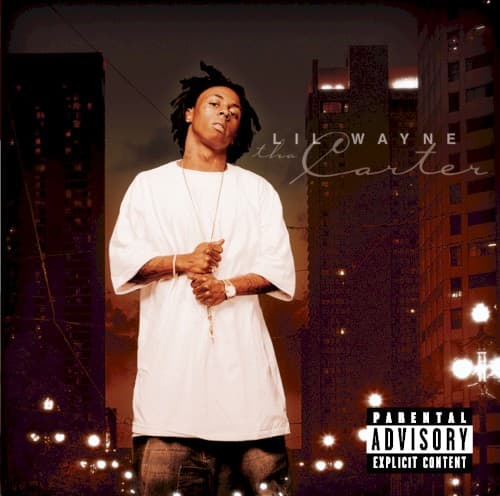
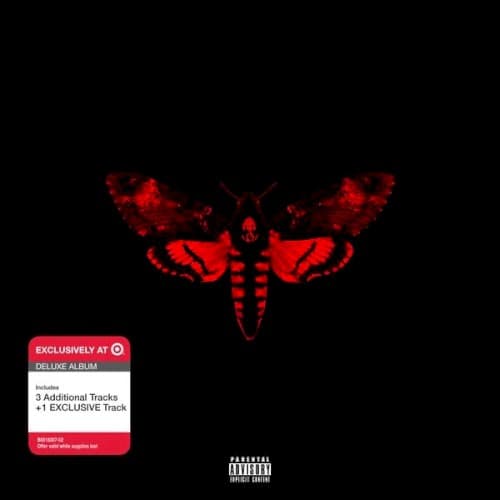
Lights Out sits near the bottom of Lil Wayne's album catalog, weaker than the debut and miles behind the Carter records that would prove what he was capable of. The production holds up because Mannie Fresh knew his craft, but the writing and performance are underdeveloped, and the nineteen-track bloat sinks any chance the album had at coherence. It is not a disaster like Rebirth or I Am Not a Human Being II; it is just undercooked and overlong, a commercial product designed to capitalize on the Hot Boys momentum without adding anything new.
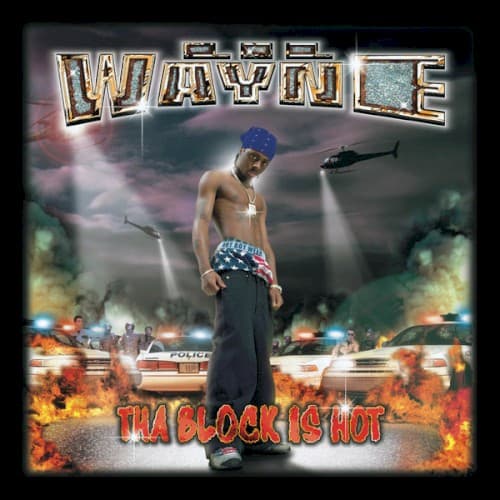
This is for Wayne completists and for listeners curious about the Cash Money sound in its bounce-dominant era. If you want early Wayne, Tha Block Is Hot has more personality despite similar weaknesses. If you want to hear what he was building toward, skip ahead to Tha Carter. Casual fans and anyone looking for the lyrical Wayne of the mid-2000s should ignore this one entirely; the voice and the pen were not there yet, and the album does not try to hide it.
Start with Hit U Up for the posse energy and Get Off the Corner for the cleanest example of Fresh's bounce drums. If those two tracks do not hook you, nothing else will. For context on how Wayne developed, listen to this and then jump straight to Tha Carter II to hear the distance he covered in five years. Lights Out is a commercial success that has aged into a footnote: proof that Wayne could move units before he figured out what he wanted to say.
Track by track
Track Listing
Intro (Watch Them People)
SolidThirty-four seconds of skit, a voice warning about enemies and fake friends. Standard album intro filler.
Get Off the Corner
StandoutThe album's best pure bounce track: Fresh lays down bright synths and stuttering hi-hats, and Wayne rides the pocket with a flow that stays locked in. The writing is generic street talk, threats about rivals and claims about territory, but the delivery has energy and the drums snap hard enough to carry it. This is the template the album keeps trying to repeat.
On the Grind
SolidMid-tempo bounce with a keyboard melody that sounds like a video game level. Wayne alternates between a nasal sing-song and a flat bark, neither quite landing. The hook repeats the title phrase with no development, and the verses catalog guns and money without a single specific image. Competent but forgettable.
Hit U Up
StandoutThe full Hot Boys lineup over five minutes of drums that actually justify the runtime. Juvenile, B.G., Turk and Wayne trade verses, each bringing the same mid-tempo tough talk, but the energy lifts when all four voices are in the mix. Fresh keeps the bounce drums rolling and adds enough melodic variation to hold attention. The best posse cut on the album and one of the few tracks that earns its length, even if none of the verses say anything memorable.
Everything
SolidWayne claims he has everything but never specifies what that means beyond money, cars and chains. The hook is a flat repetition of the title, and the verses are a blur of flex poses. The bounce drums are clean but the song has nothing to build on.
F**k Wit Me Now
SolidA challenge track with no real stakes. Wayne threatens unspecified enemies over bright synths and snapping snares, but the writing never gives a reason to care who wins the confrontation. The flow is serviceable and the production does its job, but the song evaporates as soon as it ends.
Lil One
WeakBig Tymers cameo on a track aimed at younger fans or women, hard to tell which. Wayne softens his delivery into a sing-song that does not quite work, Birdman and Mannie add verses that repeat the same ideas, and the hook is a one-line loop. Filler.
Break Me Off
SolidBig Tymers return with Unplugged for another posse cut that blurs into the surrounding tracks. The drums knock, the synths are bright, the verses are interchangeable tough talk. Nothing here justifies the four-and-a-half-minute runtime or the three additional voices.
Skit
SolidForty-two seconds of dialogue, no music. Pure filler.
Wish You Would
SolidWayne dares rivals to test him over another Mannie Fresh bounce track. The hook is a dare, the verses are threats, and none of it sticks. The production is solid but the song adds nothing the album has not already offered twice.
Grown Man
WeakWayne claims maturity but delivers the same juvenile boasts as the previous ten tracks. The beat is competent, the flow is flat, and the writing never rises above cliche. By this point in the album the sameness is exhausting.
Shine
SolidHot Boys return for a five-minute track that has less energy than Hit U Up and more bloat. The hook repeats the word shine without building a metaphor or a melody around it, and the four verses blur together. Fresh keeps the drums snapping, but the song sags under its own length and the lack of tonal variation.
Jump Jiggy
WeakWayne attempts a party track with a sing-song delivery that sits awkwardly over the bounce. The hook aims for catchy and lands on grating, and the verses are a list of generic club flexes. One of the album's weaker moments.
Realized
SolidReflective title, same street threats as the rest of the album. Wayne claims he has figured something out but never shares what, and the verses cycle through the usual catalog of guns and rivals. The production is fine, the song is pointless.
Tha Blues
WeakNo blues in evidence, just another mid-tempo bounce track with threats and flex poses. The drums are clean, the writing is empty, and the four-and-a-half-minute runtime feels like punishment.
Let’s Go
SolidBig Tymers return for a track that sounds like every other posse cut on the album. The hook is a command with no context, the verses are interchangeable, and the energy never rises. By track sixteen the formula is fully depleted.
Biznite
WeakWayne returns to solo mode for a track that tries to build around a slang term and fails to give it any weight. The flow is flat, the hook is a one-word loop, and the production cannot save it. Late-album filler.
Act a A**
StandoutB.G. guests on a track that finally adds some energy to the album's exhausted final stretch. The two voices trade threats over drums that knock harder than anything since the first half, and the aggression feels less rote than it did ten tracks ago. Not enough to redeem the back third, but a reminder that Fresh and Wayne could still deliver when they tried.
Beef
SolidThe album ends with a posse cut that fades out instead of building to a conclusion. Wayne and guests trade verses about conflict and enemies, none of it specific enough to matter, and the track just stops. No resolution, no peak, no reason to remember it.
Frequently Asked Questions
Is Lil Wayne Lights Out worth listening to?
What are the best songs on Lights Out?
How does Lights Out compare to other Lil Wayne albums?
Genres
Styles