Scorecard: 4.7/10 · Weak
How we score- Writing(25%)
- 4.5
Surface-level declarations of faith with clumsy execution: comparing himself to Noah, apple juice lines from Eve, and Chick-fil-A metaphors that land as corporate sloganeering rather than testimony.
- Production(25%)
- 6.5
Federico Vindver and Timbaland build mournful organs and trap drums into something solemn, but the mixes feel unfinished and the album's 27-minute runtime suggests ideas West couldn't develop into full songs.
- Delivery(15%)
- 5.0
West sounds tentative and unconvincing when preaching, guest spots from Ty Dolla Sign and Ant Clemons carry the hooks, and Clipse's feature on Use This Gospel exposes how much more conviction the guests bring than the headliner.
- Cohesion(15%)
- 3.5
Eleven tracks in 27 minutes with no arc: the album opens with a one-minute choir intro, closes with a 49-second outro, and the nine songs between feel like a pile of unfinished sketches from a project West kept delaying and reworking.
- Originality(10%)
- 4.0
Christian rap existed decades before this record and gospel-influenced production has been part of West's sound since The College Dropout; the only novelty here is West's decision to remove profanity and sex references from his own catalog's formula.
- Replay value(10%)
- 3.0
Follow God has a propulsive minute-forty that holds up, but the rest feels like homework: thin ideas repeated without the wordplay or production depth that made previous West albums worth revisiting.
Kanye West Jesus Is King — The Sermon He Wasn't Ready to Preach
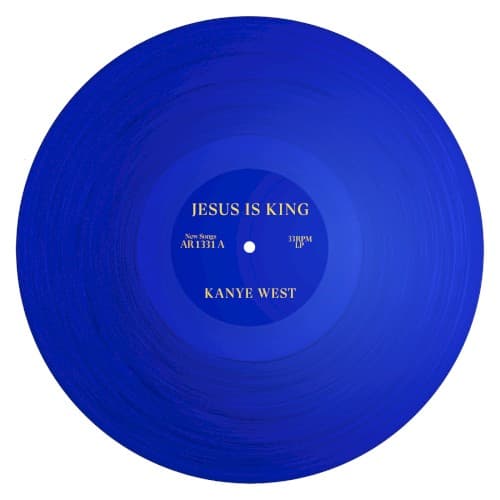
Jesus Is King is the sound of Kanye West trying to make a gospel album before he figured out what he wanted to say with it. The record that finally arrived in October 2019 after missing four separate release dates over thirteen months is 27 minutes of mournful organs, trap drums, and declarations of faith so thin they read like the liner notes to someone else's testimony.
West had spent 2018 recording what was supposed to be Yandhi, a project he compared to My Beautiful Dark Twisted Fantasy and 808s & Heartbreak, bouncing between Chicago, Uganda, and Miami with a cast that included 6ix9ine, XXXTentacion, and Nicki Minaj. By the time he was "radically saved" around Coachella 2019 and enlisted pastor Adam Tyson for weekly Bible studies, he'd scrapped the sex and profanity from the tracklist, cut the Minaj feature, and reframed the remaining songs as "an expression of the gospel." What he didn't do was write an album's worth of material to replace what he'd thrown out.
The result is the thinnest and least essential record in West's catalog, a project that works as a career pivot but fails as a listening experience. The production has moments—Federico Vindver's pianos and Timbaland's drums build a solemn foundation on the better tracks—but the writing never rises above surface-level assertions, and West himself sounds tentative and unconvincing in the role of preacher. This is the album where West's ambition finally outran his ability to execute it, and the gaps show on every song.
Organs, Trap Drums, and Unfinished Mixes
The production on Jesus Is King is built from recognizable gospel components—pared-back guitars, mournful organs and pianos, choral arrangements deployed like soul samples—run through the same trap drums and ambient flourishes West had been using since The Life of Pablo. Federico Vindver, who recorded around 100 songs with West over ten days in Miami, plays most of the keyboards and provides the album's only consistent voice: the pianos on Selah and God Is have the solemnity that West's writing can't match, and the organ on Use This Gospel gives Clipse something to rap against. Timbaland, Angel Lopez, and Pi'erre Bourne fill out the board, with Bourne's beat on On God standing as the album's only moment of genuine energy: galactic, fiery, and out of place next to the rest of the record's muted palette.
The issue is that none of these beats feel finished. West kept reworking the album up until hours before release, tweeting at 4:30 AM that he was fixing the mixes on Everything We Need, Follow God, and Water, and the seams are audible throughout. Vocals sit uneasily in the mix, transitions between sections feel abrupt, and the decision to cut songs like New Body and LA Monster in favor of a 49-second closer suggests West ran out of time rather than reached a conclusion.
The Sunday Service Choir, which West had been rehearsing every Sunday since January 2019, functions as texture rather than argument: they open the album with Every Hour, a one-minute call for the power of the Lord to come down, and then show up in the background of a few other tracks without adding much beyond atmosphere. Kenny G's saxophone on Use This Gospel, recorded in a single take after he suggested it would sound good on the track, is the album's most striking production choice and also the moment that exposes how little West is working with: the sax is doing the heavy lifting because there's not much else there.
The writing is the record's fatal weakness.
West's bars are surface-level declarations—comparing himself to Noah on Selah, bragging about being richer than the clergy on On God, teaching the doctrine of the Social Kingship of Christ by telling listeners to defy worldly authorities—delivered with none of the wit or specificity that made even his weaker recent albums listenable. The Chick-fil-A reference on Closed on Sunday, where West praises the fast-food chain for being closed on Sundays to honor the Sabbath, is the most concrete image on the album and it plays like a corporate sponsorship deal dressed up as theology. The line about Eve making apple juice on Everything We Need is the kind of clumsy metaphor that would have been rewritten on any previous West album; here it makes the final cut because there's not enough other material to replace it.
Guest verses from Ty Dolla Sign and Ant Clemons carry the hooks on Everything We Need and Water with more conviction than West brings to his own songs, and Clipse's feature on Use This Gospel—the first time No Malice had rapped with his brother Pusha T in five years—lands as the album's only moment of real tension, with the two of them working through different stages of self-reflection while West sits on the sidelines. West's delivery is tentative throughout, a man preaching a message he hasn't fully internalized yet, and the decision to keep the runtime under 30 minutes reads less like discipline and more like an acknowledgment that he didn't have enough to say.
Twenty-Seven Minutes Without a Shape
The album has no arc because it was never designed as an album. Jesus Is King is eleven tracks that could have been sequenced in almost any order, with the only structural choices being a one-minute choir opener and a 49-second piano closer that exists to get the runtime over the finish line.
The opening stretch offers the album's most dramatic moments, though even these feel like sketches for better songs West never got around to finishing. The middle sags with sub-2:30 placeholders that never find melodies worth holding onto, and the sequencing suggests no one was thinking about pacing. The back half places the album's longest track—three minutes and thirty-four seconds—second-to-last with no buildup.
The runtime is a problem that looks like a solution: at 27 minutes the album doesn't overstay its welcome, but that's only because West didn't write enough material to overstay anything. The songs feel like demos that were released before they were done, and the fact that West was still revising mixes hours before release confirms it.
The Album That Ends the Run
Jesus Is King is the worst album Kanye West has released under his own name, the point where his catalog's declining arc hits bottom. It ranks below ye, which was thin and underwritten but at least had I Thought About Killing You and Ghost Town; below Donda, which was bloated and unfocused but had Come to Life and the first half of the title track; below 808s & Heartbreak, which was alienating on arrival but had ideas worth arguing about.
This album has Follow God and 26 minutes of filler. The production is competent in stretches and the pivot to gospel is audible as a business decision—Jesus Is King won Best Contemporary Christian Music Album at the Grammys and hit number one on nine different charts—but none of that makes it a record worth hearing unless you are writing West's biography or tracking the moment his run ended.
The writing is surface-level, the performances are tentative, and the runtime suggests West knew he didn't have enough material but released it anyway because he'd already missed four deadlines. Skip this unless you need to hear what happens when ambition runs ahead of execution. Start with Follow God if you're curious, then go listen to The College Dropout or Late Registration or My Beautiful Dark Twisted Fantasy if you want to remember why West mattered in the first place. If you're in the mood for Christian rap, go find Lecrae's Anomaly or Andy Mineo's Uncomfortable or any of the dozens of gospel records that did this better because the artists believed what they were saying before they stepped into the booth.
Track Listing
Every Hour
●The Sunday Service Choir opens the album with a one-minute call for the power of the Lord to come down, built on handclaps and vocal harmonies. It works as an intro in the sense that it signals the record's gospel intentions, but it doesn't build to anything and the choir never returns in a meaningful way. A functional opener that sets a tone West can't sustain.
Selah
●The first full track and the album's most dramatic production moment: mournful pianos from Federico Vindver, a beat switch, and West comparing himself to Noah before the flood. The reference to replacing Yandhi with Jesus Is King because he vowed to only put out Christian hip-hop after a new birth experience is the closest the album comes to explaining itself. The issue is that West's delivery is flat and the bars don't go deeper than the surface assertion. It's a sketch for a better song, one West might have finished if he'd given himself more time.
Follow God
▲The best song on the album and the only one that holds up on repeat: a minute-forty of propulsive drums and a simple loop that works because it doesn't overstay its welcome. West references his problematic relationship with Christianity and his father Ray West, and the bars have more specificity than anything else here. BoogzDaBeast and Xcelence's production keeps it moving, and West's flow locks into the beat in a way it doesn't anywhere else on the record. This is the track that justifies checking out the album at all, and it's over before it has a chance to sag.
Closed on Sunday
▼West praises Chick-fil-A for being closed on Sundays to honor the Sabbath and links the observance of the Christian Sabbath with the end of imprisonment and slavery. The metaphor lands as corporate sloganeering rather than theology, and the production from Timbaland and Lopez is competent without being memorable. The track runs two minutes thirty-two seconds and feels like filler: a placeholder idea that West never developed into a full song.
On God
●Pi'erre Bourne's beat is galactic and fiery, the album's only moment of genuine energy, but West's bars are unconvincing: I've-seen-the-mountaintop preaching where he makes it clear he must be richer than the clergy. He references the Thirteenth Amendment and the penal labor exemption, following up on his 2018 call to repeal the amendment, but the writing never goes past the reference. The production is wasted on a verse that doesn't earn it.
Everything We Need
●Ty Dolla Sign and Ant Clemons deliver rapturous vocals and carry the track because West's verse is thin: the line about Eve making apple juice is clumsy and the hook doesn't find a melody worth holding onto. Ronny J, FNZ, and Vindver build a decent foundation, but the song never develops past the initial idea. Guest spots doing the heavy lifting on a track that needed another revision.
Water
●A decent Ant Clemons hook and a reference to the Christian sacrament of baptism, performed live at Coachella in April 2019 before the album was finished. The production from Timbaland, Lopez, and Vindver is solemn and the baptism imagery is the album's clearest metaphor, but West's verse is undercooked and the track feels like a demo. It works as a moment in a Sunday Service performance; on the album it's just another unfinished sketch.
God Is
●Mournful pianos and organs from Labrinth, Lopez, and Vindver, and West delivering surface-level declarations of faith with no specificity. The production has the solemnity West's writing can't match, and the track runs three minutes twenty-three seconds without finding a second idea. It's placed in the middle of the tracklist for no clear reason other than it needed to go somewhere, and it sags under its own length.
Hands On
●Fred Hammond, the gospel singer West met at Chance the Rapper's wedding, delivers the hook, and West references the Thirteenth Amendment again. The production from Timbaland, Lopez, and Vindver is solid, but the bars are thin and the track doesn't build to anything. Hammond's presence gives the song gospel credibility, but West's verse doesn't earn it. Another three-minute track that feels like it was included to reach the runtime rather than because it had something to say.
Use This Gospel
▲Kenny G's saxophone, recorded in a single take after he suggested it would sound good on the track, is the album's most striking production choice. Clipse reunite for the first time in five years, with Pusha T and No Malice rapping about different stages of self-reflection, and the tension between the brothers is the album's only moment of real drama. No Malice had a previous religious transformation where he gave up glorifying drug dealing, and his verse has the conviction West's can't touch. The production from Timbaland, Lopez, and Vindver is solemn and the sax is doing work, but the track still feels unfinished: a great idea that needed another verse from West to land as a full song. Instead it's a showcase for the guests.
Jesus Is Lord
▼A 49-second piano outro that exists to get the runtime over the finish line. No verse, no hook, just Timbaland, Lopez, and Vindver's production and West's voice declaring the title over and over. It's not a song; it's the sound of an album that didn't have enough material to close properly.