The scorecard
6.4/10 · Mixed
- Writing25%
- 6.0
- Production25%
- 7.5
- Delivery15%
- 6.5
- Cohesion15%
- 5.0
- Originality10%
- 7.0
- Replay value10%
- 5.5
The provocation overwhelms specificity and the hour-plus runtime drowns nuance in repetition, though the therapy frame and paranoia tracks show occasional ambition.
Tyler's self-produced beats range from the raw minimalism of Yonkers to the subdued atmosphere of several tracks, showcasing real ear for texture even when the raps falter.
The gruff monotone suits the horrorcore aesthetic and works on subdued tracks, though it lacks dynamic range and guest spots from Hodgy and Frank Ocean provide necessary contrast.
At 73 minutes with parody tracks breaking the mood and interludes arriving at random, the album sags badly in the middle stretch despite the therapy-session frame.
The DIY internet-to-XL path and unfiltered horrorcore felt transgressive in 2011, though the Eminem comparison was unavoidable and the shock tactics were not particularly novel.
The best tracks remain striking and the production holds up, but the shock value fades quickly and the length makes full listens a chore.
Tyler The Creator Goblin — The Internet Explosion That Collapsed Under Its Own Weight
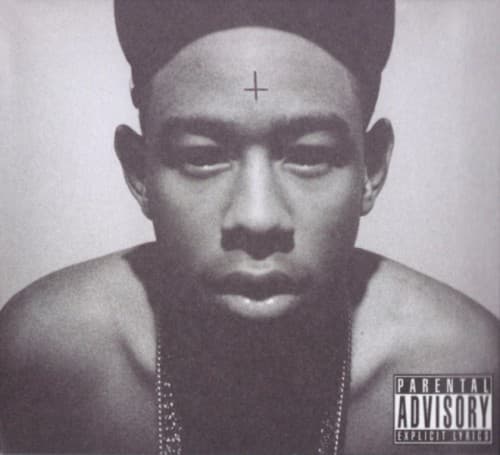
Goblin arrived in May 2011 trailing the viral wreckage of the Yonkers video, a low-budget shock piece that made Tyler, The Creator the most polarizing figure in rap almost overnight. The album was supposed to capitalize on that moment, proving Odd Future's internet hype could translate to a proper major-label statement on XL Recordings. What it actually did was expose the central problem with building an hour-plus album around provocation: when the shock wears off, you need something underneath. Goblin has stretches of that foundation, especially in its production, but it buckles under the weight of its own excess.
The thesis is visible in the therapy-session frame Tyler imports from his 2009 debut Bastard. The fictional Dr. TC returns, and the album positions itself as Tyler working through his fears, his anger, his sudden fame, all while delivering the horrorcore fantasies that made him famous. By the final track, Golden, the twist arrives: Dr. TC is just Tyler's conscience, and the whole album is a dialogue with himself.
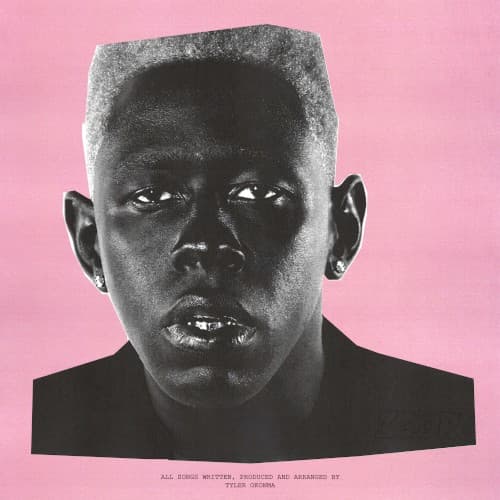
It is a clever structural idea, and if Goblin had the discipline to serve it, the concept might have elevated the provocations into something more durable. Instead, the album spends most of its 73 minutes rehashing the same shock tactics without the specificity or variation to make them land past the first listen. The result ranks well below Flower Boy and IGOR, albums where Tyler learned to channel his ideas into focused, repeatable statements rather than unedited brain-dumps.
Atmosphere Built for Transgression, Writing That Runs in Circles
Tyler produced all but one track on Goblin himself, and the production is where the album earns its reputation. The beats are subdued, creeping, often beautiful in a way that contrasts deliberately with the ugly fantasies in the lyrics. The opening single, famously made in eight minutes as a parody of RZA-style New York grit, strips down to bass throb and minimal drums, letting Tyler's gruff monotone sit in the pocket without decoration. One track layers synths and reverb into something close to alternative R&B, giving Frank Ocean space to float a hook that belongs on a different, better record.
Several cuts continue that muted palette, using echo and negative space to build unease. The instrumental interludes and the deluxe bonus material confirm Tyler's ear for texture. Left Brain contributes the one non-Tyler beat on one track, a sparse gothic loop that fits the album's mood without standing out.
The problem is not the sound design.
The problem is that Tyler rarely gives these beats anything substantive to carry. The lyrics oscillate between horrorcore fantasies, complaints about fame and blogs, and self-aware admissions that he is playing a character, but they do so without the imagery or storytelling craft to make any of it specific. One track opens with a spoken disclaimer that the violent content is fictional, then delivers seven minutes of mid-tempo provocation that substitutes volume for detail. Another piles on rape fantasies and murder scenarios in a voice that sounds bored with itself.
One cut is an intentional parody of trap misogyny, with Jasper Dolphin and Taco delivering stereotypical lines over a beat that mocks the formula, but the joke does not justify three and a half minutes. The writing improves when Tyler drops the shock mode. One song deals with the anxiety of sudden fame and the fear of losing it, and the paranoia feels genuine rather than performed. An eight-minute posse cut featuring Domo Genesis, Frank Ocean, Hodgy Beats and Mike G lets the guests carry the melody while Tyler steps back, and the track benefits from the variety.
One track drifts into a hidden song that breaks the mood entirely but at least shifts the tone. These moments suggest an album that could have worked at 45 minutes, focused on the beats and the unease rather than the volume. At 73 minutes, Goblin drowns its own strengths.
The therapy-session interludes frame the album as a concept piece, but the middle stretch ignores the conceit entirely, leaving it as window dressing rather than structure. Tyler's delivery is competent but one-note, a gruff, flat cadence that suits the horrorcore aesthetic but offers no dynamic range. When Hodgy Beats or Frank Ocean step in, the contrast is sharp: they bring melody, variation, presence. Tyler sounds like he is reading his own lyrics rather than performing them, which works on the subdued tracks and becomes a liability on the longer, louder ones.
A Record That Front-Loads Its Best Ideas and Then Forgets the Arc
The album sequences its strongest material in the first third, then loses the thread. The opening stretch establishes the therapy frame, delivers the viral moment, offers the rebellion anthem, and provides the first melodic breather. By the time the first half concludes, the momentum is already gone, replaced by a middle section that feels like outtakes rather than a deliberate progression.
The sequencing could have used the therapy sessions as breaks between thematic blocks, giving the listener a reason to stay for the full runtime, but instead the interludes arrive seemingly at random. The track order also buries some of the album's better moments. A brief collaboration over a hypnotic loop arrives after a parody track has already broken the mood. The longest and most ambitious cut comes too late to matter, placed after a string of weaker songs have already exhausted the goodwill.
An instrumental interlude could have provided a necessary reset in the middle stretch but instead arrives near the end, where it just pads the runtime. The deluxe edition adds three bonus tracks that should have been left as throwaways, including a one-minute instrumental that serves no purpose on an already-overstuffed album. The album does not build or release tension; it just keeps going until it decides to stop, and the final reveal lands with a shrug because the conceit was never strong enough to carry the weight.
A Debut That Captured a Moment but Could Not Escape It
Goblin ranks third among Tyler's albums on this site, and the gap between it and Flower Boy is not close. Where the later albums refined Tyler's production instincts and learned to edit, Goblin is a document of unfiltered id, ambitious in concept but undisciplined in execution. The production alone keeps it from being a failure; Tyler's ear for atmosphere was already fully formed in 2011, and several tracks prove he could build worlds around his raps even when the raps themselves faltered. The problem is that he built those worlds and then filled them with provocations that have not aged well, delivered in a monotone that makes the hour-plus runtime feel even longer.
Tyler himself called the album horrible in a 2018 interview, saying he would only keep seven tracks, and that assessment is about right. This is an album for Odd Future completists and for listeners curious about the moment when internet rap broke into the mainstream on its own uncompromising terms. It is not an album for anyone looking for Tyler's best work; for that, start with Flower Boy or IGOR and work backward if you are still interested.
If you do approach Goblin, the seven tracks Tyler endorsed are the ones to prioritize: the viral single for the raw impact, the Frank Ocean feature for the atmosphere, two tracks for the paranoia, two others for the variety, and the instrumental for the production skill. The rest is context, some of it interesting as a document of a specific moment in 2011, most of it better left skipped. For a next step, Flower Boy is the obvious move; it is the album where Tyler figured out how to channel the ambition and the production skill into something repeatable and complete.
Track by track
Track Listing
Goblin
SolidThe opening therapy session sets the frame: Tyler talking to Dr. TC about his sudden fame, his fears, his anger, the violent fantasies that made him famous. The beat is minimal, letting the spoken-word sections breathe, and the track works as a prologue. The problem is that the album never fully commits to the conceit; the therapy frame reappears sporadically rather than structuring the whole runtime. As an opener it establishes mood and ambition, but it promises more coherence than the album delivers.
Yonkers
StandoutThe track that made Tyler famous, and it still hits. The beat is stark, just bass throb and minimal drums, built in eight minutes as a parody of RZA production but effective on its own terms. Tyler's gruff monotone locks into the pocket, and the imagery, while gross, is specific enough to land: the cockroach-eating video, the casual nihilism, the tossed-off threats. The shock value fades on repeat, but the atmosphere remains, and the track's importance to Odd Future's rise is undeniable. It is the best thing here, and the album never reaches this level of focus again.
Radicals
SolidSeven minutes of provocation framed as a youth rebellion anthem, opening with a spoken disclaimer that the violent content is fictional. The chanted hook, "Kill people, burn shit, fuck school," borrowed from Earl Sweatshirt's Pigions, is designed to provoke, and it does, but the track meanders without building tension or offering imagery sharp enough to justify the length. The beat is hypnotic but one-note, and Tyler's delivery lacks the energy to sustain the runtime. It works better as a statement of intent than as a song.
She
StandoutThe first melodic reprieve, and one of the album's clear highlights. Tyler's production layers synths and reverb into something close to alternative R&B, subdued and atmospheric, and Frank Ocean floats a hook that belongs on a completely different record. Tyler's verse is restrained by his standards, focusing on obsession and awkwardness rather than violence, and the contrast with the horrorcore elsewhere gives the track weight. Ocean's presence is the key; he brings melody and dynamics that Tyler cannot match, and the track suffers when he exits. Still, this is one of the seven Tyler said he would keep, and the choice is easy to understand.
Transylvania
SolidThe one track Tyler did not produce, handled instead by Left Brain. It is a sparse gothic loop, bass-heavy and minimal, fitting the album's mood without standing out. Tyler delivers another horrorcore verse, and without Frank Ocean or Hodgy to provide contrast, the track blends into the middle stretch. It works as a palate cleanser, brief enough not to overstay, but it is not memorable.
Nightmare
StandoutOne of the album's stronger tracks, dealing with the anxiety of sudden fame and the fear of losing it. The paranoia feels genuine rather than performed, and Tyler's delivery sharpens when he is rapping about something specific. The beat is creeping and off-kilter, using echo and space to build unease, and the track benefits from a tighter structure than the longer songs around it. The hook is weak, but the verses carry enough detail to make the five minutes feel earned. This is one of the seven Tyler kept, and it is easy to see why.
Tron Cat
WeakFour minutes of rape fantasies and murder scenarios delivered in a bored monotone over a minimal beat. The shock value is the point, but the imagery is neither specific enough to land as horror nor absurd enough to function as satire. Tyler's delivery sounds checked out, as if he is reading lines he wrote to provoke rather than performing them, and the track offers no variation or build. It is one of the seven Tyler said he would keep, which suggests he values the rawness, but it has not aged well.
Her
StandoutA subdued, introspective track about romantic obsession, built over muted synths and minimal drums. Tyler's delivery is softer here, almost vulnerable, and the restraint works. The beat uses echo and negative space effectively, creating an atmosphere that suits the subject matter. The track is short, under four minutes, and does not overstay. It is a rare moment where Tyler prioritizes mood over provocation, and the album benefits from the break. Not a standout, but solid and necessary in the sequencing.
Sandwitches
StandoutThe first single, a collaboration with Hodgy Beats that showcases the Odd Future posse energy better than most of the album. Hodgy's verse is sharper than Tyler's, his flow more varied, and the interplay between the two keeps the track moving. The beat is simple but effective, a head-nodding loop that serves the rapping rather than overwhelming it. The track was performed on Late Night with Jimmy Fallon, Odd Future's first television appearance, and the live energy translates. It is filler in the context of the album's stated ambitions, but it works as a straightforward rap song, which much of Goblin does not.
Fish / Boppin Bitch
SolidFish is a six-minute track that drifts between moods without committing to any of them, eventually dissolving into a hidden track called Boppin Bitch that breaks the album's atmosphere entirely. The first half is aimless, Tyler rapping without a clear subject or structure, and the beat meanders. The hidden track is a party song, upbeat and tongue-in-cheek, and the tonal whiplash is jarring. Tyler kept Fish in his 2018 list of salvageable tracks, but the inclusion feels generous; this is where the album starts to feel overstuffed.
Analog
StandoutA two-minute collaboration with Hodgy Beats over a hypnotic, looping beat. The brevity is a strength; the track does not overstay, and Hodgy's verse provides a melodic contrast to Tyler's gruff monotone. The production is subdued and textured, one of the clearer examples of Tyler's ear for atmosphere. It is a minor track, but it works, and it is one of the seven Tyler kept. The placement is poor, arriving after Bitch Suck Dick has already broken the mood, but the track itself is solid.
Bitch Suck Dick
WeakAn intentional parody of trap misogyny, featuring Jasper Dolphin and Taco delivering stereotypical lines over a beat that mocks the formula. The joke is obvious, and it does not justify three and a half minutes. Jasper and Taco are not rappers, and their performances are deliberately amateurish, which is the point, but the satire is too broad to land. Tyler included similar tracks on Bastard and Wolf, and they are consistently the weakest moments on each album. This one is skippable.
Window
StandoutAn eight-minute posse cut featuring Domo Genesis, Frank Ocean, Hodgy Beats and Mike G, and it is one of the album's better tracks despite its length. The guests carry the melody, each delivering verses that vary the tone and provide relief from Tyler's monotone. Frank Ocean's hook is understated and effective, and the production is spacious, giving each rapper room to work. The track sags in the middle, and the length is not fully earned, but the variety keeps it from collapsing. The placement is poor, arriving too late in the runtime to reset the momentum, but as a standalone song it works.
AU79
StandoutAn instrumental interlude, nearly four minutes of textured production with no rapping. The beat is atmospheric, using synths and reverb to build mood, and it confirms Tyler's ability to craft soundscapes that work on their own terms. The placement is strange, arriving near the end of the album where it pads the runtime rather than providing a necessary break. Tyler kept this in his list of seven tracks worth saving, and the production justifies the choice, but it would have been more useful earlier in the sequencing.
Golden
SolidThe closing track, where the therapy conceit pays off: Dr. TC is revealed to be Tyler's conscience, and the album is reframed as a dialogue with himself. The twist is clever, and the track builds to a quiet, reflective ending, but the reveal lands with less impact than it should because the therapy sessions were never strong enough to structure the full runtime. The production is subdued, letting Tyler's voice carry the final moments, and the track works as an epilogue. It does not redeem the weaker stretches, but it provides closure.
Burger
WeakA deluxe edition bonus track featuring Hodgy Beats, and it adds nothing the album needed. The beat is serviceable, the verses are filler, and the track rehashes ideas already covered better elsewhere. Odd Future completists will find it mildly interesting as a document of the Goblin sessions, but it is not worth seeking out.
Untitled 63
WeakA one-minute instrumental that serves no purpose on an already-overstuffed album. Skip it.
Steak Sauce
WeakA solo Tyler track on the deluxe edition, and it is more of the same: horrorcore provocation over a minimal beat, delivered in a monotone that sounds bored. Three minutes of filler.