The scorecard
6.5/10 · Good
- Writing25%
- 7.0
- Production25%
- 7.5
- Delivery15%
- 6.5
- Cohesion15%
- 5.0
- Originality10%
- 5.5
- Replay value10%
- 6.0
The love theme yields some maturity but the rhymes lack the specificity and wit that made their early work essential.
The Ummah's minimalist jazz-soul approach is polished and textured, but the beats rarely surprise or push against the mellow template.
Q-Tip and Phife sound relaxed to the point of detachment; guest verses from Busta Rhymes and Redman inject needed energy.
The front half holds together as an album, but six bonus tracks and remixes bloat the runtime and kill the sequencing.
The sound is a safe continuation of Beats, Rhymes and Life with no new ideas; the love concept is more assertion than execution.
Find a Way and a few others reward return visits, but the flatness of the middle stretch and the bonus-track sprawl make full playthroughs a chore.
A Tribe Called Quest The Love Movement — The Fire That Took the Spark
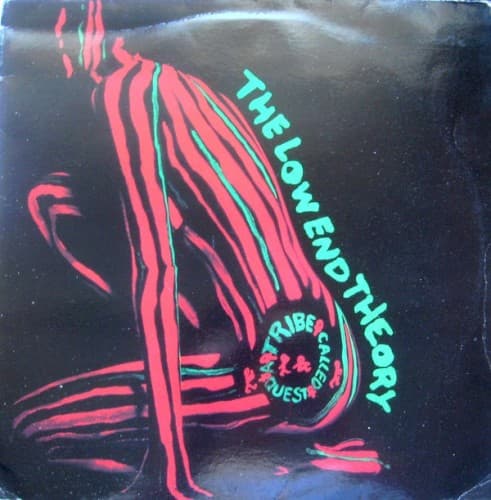
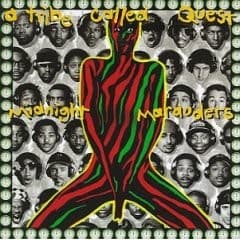
The Love Movement arrives as proof that even the best groups can run out of reasons to stay together. A Tribe Called Quest announced their split a month before this album hit shelves in 1998, and the music carries that resignation: polished, pleasant, rarely urgent. The concept is love, but the execution is more about comfort than discovery. Where The Low End Theory built its genius on the tension between Q-Tip's jazz loops and Phife Dawg's gritty realism, and Midnight Marauders refined that balance into effortless cool, The Love Movement smooths out all the edges and forgets to replace them with anything sharp.
The thesis is simple: this is a good album made by a great group that had stopped challenging itself. The Ummah's production is sleek and textured, full of the same jazz-soul minimalism that defined Beats, Rhymes and Life, but few of these beats demand your attention the way older classics once did. Q-Tip and Phife sound comfortable and competent, delivering grown-man rhymes about relationships and resilience, but the wordplay that made their chemistry essential has dulled into professionalism.
The album works as background music for fans who wanted one more Tribe record before the breakup; it fails as a statement worth the legacy. A studio fire earlier in 1998 destroyed much of Q-Tip's work in progress, including collaborations with Jay Dee, and you can hear the scramble to rebuild: six bonus tracks and remixes pad the tracklist to twenty-one songs, killing whatever focus the concept might have had. The Love Movement is not a bad album. It is a tired one.
The Ummah's Comfort Zone and the Cost of Playing It Safe
The Ummah—Q-Tip, Ali Shaheed Muhammad and Jay Dee in theory, though Jay Dee's contributions here are mostly lost to the fire—built Beats, Rhymes and Life around understated bass, live-sounding drums and warm Rhodes chords, and The Love Movement doubles down on that formula without expanding it. The production is immaculate in the technical sense: the low end is fat, the samples are flipped with care, and the mix gives every element room to breathe. Find a Way floats on a plucked guitar and a shuffling rhythm that sounds like summer, and The Love lays a melancholy piano over a beat that nods to the Biggie connection in the liner notes without feeling exploitative. The problem is not quality but sameness.
Track after track settles into the same mid-tempo pocket, the same jazz-lounge texture, the same reluctance to disrupt the vibe. By the time you reach the middle stretch, the beats blur together.
Q-Tip and Phife Dawg are in full grown-and-sexy mode, rhyming about attraction and commitment with a maturity that reads more as restraint. The writing is competent but rarely specific: verses about wanting a woman or navigating fame could have been written for any number of late-nineties rap albums. The wordplay and internal rhymes that once made every Tribe verse a small puzzle to unlock have been sanded down to straightforward statements. Phife's edge, the gruff counterpoint that kept Q-Tip's smoothness from floating away, is mostly absent; he sounds like he is going through the motions.
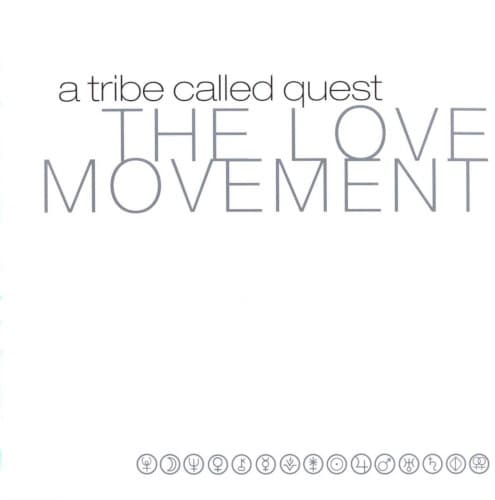
Q-Tip's flows are still technically sharp, but the ideas underneath them feel thin. The love theme, announced loudly in the title and the Kama Sutra cover art, does not generate much thematic weight beyond a general sense of positivity. You get glimpses of the old magic, but those moments are scattered.
The guests do more to wake the album up than the hosts. Busta Rhymes and Redman bring the energy and chaos that Tribe used to generate on their own, and their verses make the surrounding material feel sleepy by comparison. Mos Def and the posse inject some hunger and playfulness into the late stretch. The instrumental track featuring a guitar solo by Chalmers Alford is a nice textural break, but it also highlights how few risks the rest of the album takes. The sound is built for repeat listens in the background, not for moments that stop you cold.
An Album That Peaks Early and Sags Under Its Own Length
The Love Movement front-loads its best material and then meanders for twenty-one tracks, half of which feel like they are there to justify the runtime rather than serve the concept. The first four songs establish a mellow groove that works, with the opening track setting the tone and the second delivering the album's most effortless moment. After that, the pacing flattens out. The middle stretch blends together into a pleasant but indistinct haze, each track competent but none urgent enough to break the spell.
The back half recovers slightly with two tracks that find some emotional weight, and a late posse-cut injects a burst of enthusiasm. Then the album careens into six bonus tracks and remixes that destroy whatever cohesion the sequencing had built. These additions are fine as standalone loosies for completists, but bolted onto the end of a concept album they read as a label cash-in. The album should have ended at track fifteen. At twenty-one songs, it feels less like an intentional farewell and more like a clearing of the vaults. The length is not earned, and the love theme, already thin, evaporates entirely once the bonus material starts.
A Graceful Goodbye That Forgot to Say Something
The Love Movement ranks as Tribe's weakest album, which still makes it better than most groups' best work, but that is context, not an argument for essential listening. It sits below The Low End Theory and Midnight Marauders by a wide margin—those albums had sharpness, wit and beats that took risks—and even Beats, Rhymes and Life, for all its criticism at the time, had more focus and hunger than this. The Love Movement is the sound of a group that had run its course and knew it, delivering one last round of polished professionalism before walking away. It works for fans who wanted a final Tribe album and were willing to accept a victory lap.
It does not work for anyone looking for the group at its best. Who should start here: no one. If you want Tribe, start with The Low End Theory or Midnight Marauders. Who should skip it: anyone not already invested in the catalog.
The Love Movement is a completist's album, a document of an ending rather than a peak. The gold certification and Grammy nomination reflect the group's reputation more than the album's impact. Two decades later, Find a Way holds up as a late-career gem, and The Love has some poignancy knowing it was built from a beat intended for Biggie. The rest has aged into a pleasant but forgettable footnote.
If you are curious, play the three standout tracks, then move on to check out what Q-Tip and Phife did separately. For a better look at where jazz rap was heading in 1998, try Black Star or the solo work coming from the Soulquarians circle. The Love Movement is a goodbye worth acknowledging, not a record worth defending.
Track by track
Track Listing
Start It Up
SolidA solid album opener that sets the mellow tone without much fanfare. The beat is clean and mid-tempo, built on a simple bass line and crisp drums, and Q-Tip and Phife trade verses that sketch the love theme in broad strokes. It does the job of easing you into the album but does not announce itself as essential.
Find a Way
StandoutThe album's clear highlight and final proof that Tribe could still make a perfect single when they wanted to. The plucked guitar loop and shuffling rhythm sound effortless, and the hook—Q-Tip singing about navigating desire and commitment—is the kind of earworm that justified the group's reputation for making rap that felt light without being lightweight. The verses are smooth without being flashy, and the whole track radiates warmth. It charted on the Hot 100 for a reason: this is the one song on the album that sounds like it could have fit on Midnight Marauders. Two decades later it still holds up as a late-summer classic.
Da Booty
SolidA playful, uptempo track that leans into the album's sensual theme without much subtlety. The beat bounces along with enough energy to keep the momentum from the first two tracks going, and the verses are cheeky without being crude. It is fun in the moment but does not leave much of an impression once it is over.
Steppin’ It Up
StandoutThe first real jolt of energy on the album, and it comes entirely from the guests. Busta Rhymes and Redman show up with the hunger and chaos that Q-Tip and Phife used to bring themselves, and their verses make the hosts sound sleepy by comparison. The beat is solid but unremarkable; the guest spots are what make this track essential. It is telling that the album's most exciting moment depends on outsiders to generate the heat.
Like It Like That
SolidA short, breezy track that continues the mellow vibe without adding much new. The beat is pleasant, the verses are competent, and the whole thing slides by without making a strong case for its own existence. It works as album filler but not as a reason to return.
Common Ground (Get It Goin’ On)
SolidAnother mid-tempo groove that blends into the surrounding material. The production is polished and the rapping is professional, but the track does not develop a strong hook or a memorable moment. It is the kind of song that works in sequence but disappears from memory once the album is over.
4 Moms
SolidAn instrumental interlude featuring a guitar solo by jazz guitarist Chalmers Alford. It is a nice textural break and a nod to the jazz roots that always underpinned Tribe's sound, but it also highlights how few risks the rest of the album takes. At under two minutes it does not overstay its welcome.
His Name Is Mutty Ranks
WeakA short, odd detour that feels like an inside joke stretched into a full track. The verses are surreal and the beat is skeletal, and the whole thing reads as a leftover from the sessions rather than a deliberate part of the album. Skippable.
Give Me
WeakNoreaga shows up for a verse, and his grittier energy provides a brief contrast to Tribe's smoothness, but the track as a whole does not cohere. The beat is serviceable and the writing is unfocused, making this one of the weaker moments on the front half.
Pad & Pen
SolidA straightforward mid-tempo track featuring D-Life that continues the album's mellow groove without distinction. The beat is solid, the verses are competent, and the whole thing functions as background music. Nothing here demands your attention or rewards close listening.
Busta’s Lament
SolidA short, jazzy interlude that nods to Busta Rhymes without featuring him. The production is lush and textured, with a melancholy feel that provides a brief tonal shift. It works as a breather but does not develop into a full idea.
Hot 4 U
SolidA track that leans into the album's sensual theme with more directness than depth. The beat is warm and the verses are smooth, but the writing does not go beyond surface-level attraction. It is pleasant enough in the moment but forgettable.
Against the World
StandoutOne of the stronger tracks on the back half, with a beat that has more bite than most of the surrounding material and verses that find some real conviction. Q-Tip and Phife sound more engaged here, rapping about resilience and defiance with a specificity that the love theme mostly lacks. The track does not reinvent anything, but it reminds you that Tribe could still deliver when they focused.
The Love
StandoutThe album's title track and emotional centerpiece, built on a melancholy piano loop and a beat that was originally intended for Biggie's Life After Death. Knowing that history gives the track an unintended weight: it is a meditation on love and loss that sounds like a eulogy even when it is trying to celebrate. Q-Tip and Phife deliver some of their most reflective verses on the album, and the production has a spaciousness that lets the mood settle in. It is one of the few tracks that earns its place as a late-career statement, even if it does not quite reach the heights of Tribe's best work.
Rock Rock Y’all
StandoutA posse cut featuring Punchline, Jane Doe, Wordsworth and Mos Def that injects some much-needed hunger and playfulness into the final stretch. The beat is lively, the verses are sharp, and the chemistry between the guests makes the track feel like a celebration rather than an obligation. Mos Def in particular brings an energy that makes you wish the rest of the album had this kind of spark. It is a reminder of what Tribe used to sound like when they were building rather than coasting.
Scenario (remix)
SolidA remix of one of Tribe's most iconic tracks, featuring Kid Hood and Leaders of the New School. It is a fun revisit for fans, but it does not add anything essential to the original and its placement here as a bonus track makes the album feel bloated. The energy is there, but the context is wrong.
Money Maker
WeakA bonus track that sounds like a leftover from the sessions, with a beat that is solid but unremarkable and verses that do not develop a strong idea. It is competent filler that should have stayed in the vault.
Hot Sex
WeakA short, blunt track that leans into the album's sensual theme without much subtlety or craft. The beat is minimal and the verses are direct to the point of being one-dimensional. It reads as a throwaway.
Oh My God (remix)
SolidA remix of a Midnight Marauders classic that does not improve on the original. The new beat is serviceable and the verses are fine, but the whole thing feels unnecessary, especially bolted onto the end of an already overlong tracklist.
Jazz (We’ve Got) (re‐recording radio)
SolidA radio-friendly re-recording of a classic Tribe track that strips out some of the original's edge in favor of accessibility. It is a competent rendition but adds nothing new, and its inclusion here as a bonus track makes the album feel even more like a label cash-in.
One Two S**t
SolidA final bonus track featuring Busta Rhymes that brings some energy and humor to close out the bloated tracklist. The beat is lively and the verses are playful, but the track is too little too late to salvage the sequencing damage done by the six bonus cuts. It is a fine standalone loosie that should have been released separately.