Style & Context
Influences
mugshot photography, medical documentation, punk album aesthetics, Larry Clark's raw portraiture
Location
Tyler emerged from Los Angeles's Ladera Heights area, but the cover deliberately strips away geographical markers to focus on internal landscape.
Visual Language
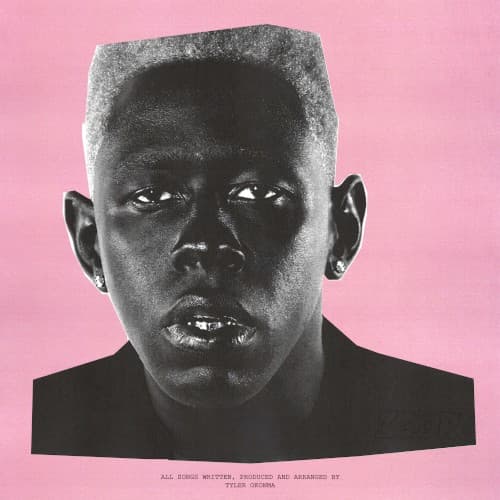
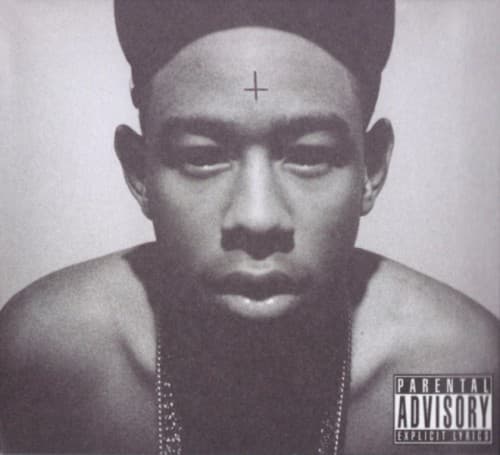
The stark composition borrows from institutional photography traditions, transforming Tyler into both subject and specimen under examination.
Symbols
Forehead crucifix
The cross marks Tyler as simultaneously condemned and self-anointed, reflecting his struggle with faith and self-destruction throughout Goblin.
Downward gaze
Tyler avoids eye contact with viewers, suggesting introspection or shame that mirrors the album's confessional therapy-session format.
Bare shoulders
The shirtless framing exposes vulnerability while the tense posture communicates defiance, embodying Goblin's push-pull between confession and provocation.
Where Sound Meets Image
The cover's psychiatric quality directly reflects Goblin's concept as therapy sessions with a fictional counselor, where Tyler unpacks depression, fame's early effects, and violent intrusive thoughts. The forehead cross appears throughout the album's religious imagery and guilt themes, particularly on tracks exploring his conflicted relationship with belief systems. The stripped-down visual presentation mirrors the album's lo-fi production, where rawness matters more than refinement, and every uncomfortable truth gets aired without filter or production gloss.
This cover helped establish the confessional aesthetic that would define the 2010s emo-rap and SoundCloud rap movements, where vulnerability became currency and mental health struggles moved from subtext to selling point. The stark ID-photo approach influenced countless bedroom rappers who saw that powerful imagery required only honesty and a camera, not budget or concept. Tyler's willingness to appear marked and exposed paved the way for artists like XXXTentacion and Juice WRLD to center mental turbulence in their visual branding.