Lil Uzi Vert's Ascent from Philadelphia Underground to Trap's Melodic Frontier
Lil Uzi Vert emerged from North Philadelphia in the mid-2010s carrying a sound that fractured trap music's rigid framework. Born Symere Woods, the artist constructed an identity around genre collision — threading punk energy through Auto-Tuned melodies, pairing designer fashion with emo introspection, and delivering verses that oscillated between nihilistic bravado and existential vulnerability. His breakout period coincided with SoundCloud rap's commercial crossover, but Uzi's approach distinguished itself through sheer sonic ambition and an almost manic commitment to melodic experimentation.
By 2016, tracks like "Money Longer" and "You Was Right" established a template: skittering hi-hats, spacious 808 patterns, and vocals that treated pitch as texture rather than constraint. Uzi's flow rarely settled into predictable pockets, instead gliding across beats with rhythmic unpredictability. The commercial breakthrough arrived with features on Migos' "Bad and Boujee" and his own "XO Tour Llif3," a song that became a generational anthem through its fusion of melodic despair and percussive intensity. What followed was a career marked by explosive commercial success, prolonged creative holdouts, and a discography that prioritized sonic world-building over traditional rap structure.
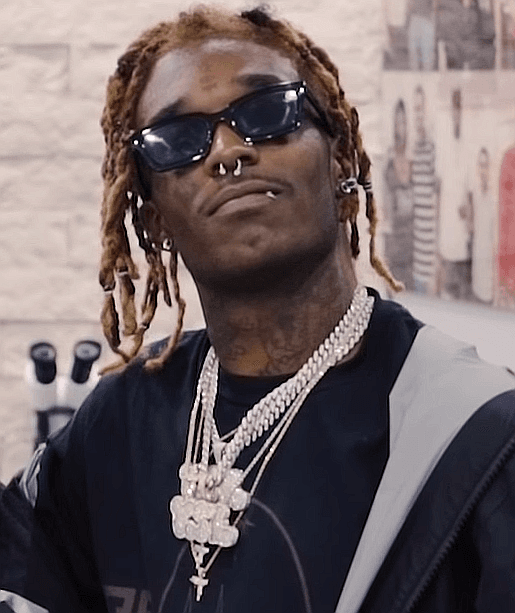
Uzi's significance extends beyond chart performance. He helped normalize rap's emotional transparency for a new generation, proving that vulnerability and braggadocio could coexist without undermining either. His visual presentation — face tattoos, luxury fashion, gender-fluid aesthetics — challenged hip-hop's traditional masculinity codes. The music itself became a blueprint for artists seeking to escape genre constraints, influencing everyone from underground SoundCloud experimentalists to major label acts recalibrating their approach to melody and production.
The Sonic Architecture of Lil Uzi Vert's Melodic Trap Universe
Uzi's vocal approach functions as the primary instrument in his productions. Rather than treating Auto-Tune as corrective technology, he weaponizes it for expressionistic effect — stretching syllables into warped melodies, layering harmonies that create unsettling dissonance, and deploying vocal ad-libs as rhythmic punctuation. His natural register sits higher than traditional rap vocalists, which he exploits by pushing into falsetto ranges that blur the line between singing and rapping. The result is music that feels simultaneously aggressive and delicate, confrontational yet emotionally exposed.
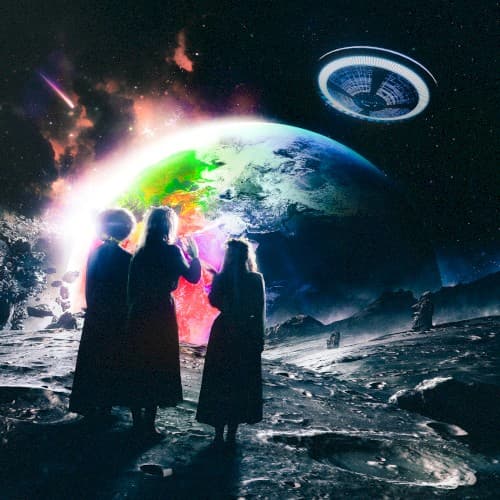
Production choices consistently favor atmosphere over boom-bap tradition. Frequent collaborators like Maaly Raw, DP Beatz, and Metro Boomin construct soundscapes that incorporate distorted guitar samples, ethereal synth pads, and percussion that prioritizes texture over groove. The 808 bass patterns often sit lower in the mix than standard trap production, creating space for melodic elements to dominate. This approach reached its apex on Eternal Atake, where futuristic sound design and concept album ambition transformed individual tracks into interconnected sonic vignettes. The album cycled through production aesthetics — retro video game bleeps, stadium-ready anthems, contemplative slower tempos — while maintaining cohesion through Uzi's distinctive vocal treatment.
Rhythmically, Uzi operates outside conventional flow patterns. He'll abruptly shift cadences mid-verse, transition from rapid-fire triplet flows to drawn-out melodic phrases, or abandon traditional bar structures entirely in favor of loose, improvisational delivery. This creates unpredictability that demands active listening — his songs rarely follow verse-chorus templates predictably. The emo rap designation, while accurate in capturing his thematic territory, undersells the technical sophistication of his rhythmic choices and the calculated chaos of his melodic constructions. What sounds spontaneous often reveals intricate layering upon closer examination.
From Luv Is Rage to Eternal Atake: Charting Lil Uzi Vert's Commercial and Creative Evolution
Uzi's early work circulated through Philadelphia's underground before the 2015 mixtape Luv Is Rage introduced his aesthetic to broader audiences. The project's rawness and unfiltered emotion caught attention, but it was 2016's Lil Uzi Vert vs. the World and The Perfect LUV Tape that crystallized his commercial potential. These releases showcased increasing production polish while maintaining the manic energy that defined his appeal. Tracks like "You Was Right" demonstrated his ability to craft hooks that lodged in listeners' consciousness through sheer melodic insistence rather than lyrical complexity.
The 2017 commercial explosion transformed Uzi from promising upstart to unavoidable presence. His feature on "Bad and Boujee" helped propel Migos to number one, while "XO Tour Llif3" became a cultural phenomenon that transcended hip-hop boundaries. The song's success was peculiar — originally a loosie released on SoundCloud, its dark subject matter and experimental production didn't suggest mainstream dominance. Yet it peaked at number seven on the Billboard Hot 100 and achieved diamond certification, validating Uzi's refusal to compromise his sound for radio consideration. Luv Is Rage 2, released later that year, debuted atop the Billboard 200, confirming his transition to A-list status.
Then came the silence. Label disputes with Generation Now and Atlantic Records resulted in a prolonged release drought that stretched from 2017 to 2020. Uzi's frustration played out publicly on social media, with fans rallying behind his demands for creative control. The standoff became a case study in artist-label power dynamics during streaming's dominance. When Eternal Atake finally arrived in March 2020, it carried the weight of three years of anticipation. The album debuted at number one with 400,000 album-equivalent units, driven by Uzi's expanded sonic palette and ambitious conceptual framing around alien abduction and alternate realities. Its sprawling 18-track runtime and immediate deluxe edition (effectively a second album titled LUV vs. The World 2) demonstrated Uzi's determination to compensate for lost time.
Post-Eternal Atake output has been prolific but divisive. The 2020 collaborative project Pluto x Baby Pluto with Future emphasized chemistry between two generations of melodic trap innovators. 2021's "Demon High" marked a pivot toward pop-punk influence, embracing rock instrumentation more explicitly than previous flirtations. The Pink Tape, released in 2023, further pushed genre boundaries with heavy metal and rage rap influences, though critical reception questioned whether sonic experimentation always served the songs. Throughout this period, Uzi's commercial viability remained intact even as his creative direction grew more unpredictable. Features on tracks by artists ranging from Playboi Carti to Nicki Minaj showcased his adaptability, while his own singles continued generating streaming numbers that few peers could match.
Uzi's career arc illustrates the modern rap star's challenge: maintaining artistic evolution while satisfying fan expectations established during breakout success. His willingness to risk alienating portions of his audience through genre experimentation sets him apart from more cautious contemporaries. Whether future releases consolidate his innovations or continue spiraling into new territory remains uncertain, but his refusal to stagnate has already secured a legacy as one of trap's most adventurous sonic architects.
Lil Uzi Vert's Lasting Impact on Melodic Rap and Hip-Hop's Emotional Vocabulary
Uzi's influence operates on multiple levels. Sonically, he accelerated trap music's melodic evolution, proving that Auto-Tune could serve as primary instrument rather than vocal enhancement. The wave of artists who emerged in his wake — Lil Tecca, Iann Dior, Trippie Redd's melodic work — all bear traces of Uzi's blueprint. His success validated emotional transparency as commercially viable, helping dismantle the stoic posturing that dominated earlier trap music. Songs addressing depression, heartbreak, and existential anxiety became normalized in part because Uzi demonstrated their mainstream potential.
Culturally, his impact extends beyond music into fashion and visual identity. The face tattoos, designer obsession, and gender-fluid presentation influenced how younger artists approach public persona. His $24 million pink diamond facial implant — regardless of one's opinion on the decision — exemplified his commitment to spectacle and boundary-pushing self-presentation. This approach to celebrity, where the artist becomes living art project, influenced peers like Playboi Carti and contributed to rap's increasing embrace of avant-garde aesthetics.
Critically, Uzi occupies complicated space. He's simultaneously celebrated for innovation and dismissed for perceived superficiality. The emo rap label, while capturing his thematic territory, sometimes obscures the technical sophistication of his production choices and vocal arrangements. His albums rarely achieve the critical consensus reserved for artists like Kendrick Lamar or Tyler, The Creator, yet his influence on contemporary rap's sound is arguably as significant. The question of legacy may ultimately center on whether history values sonic innovation equally with lyrical depth — and whether Uzi's melodic experiments prove as enduring as they are immediate. For now, his fingerprints remain visible across mainstream rap's melodic turn, and his willingness to prioritize feeling over technical rap virtuosity has permanently expanded the genre's emotional and sonic range.